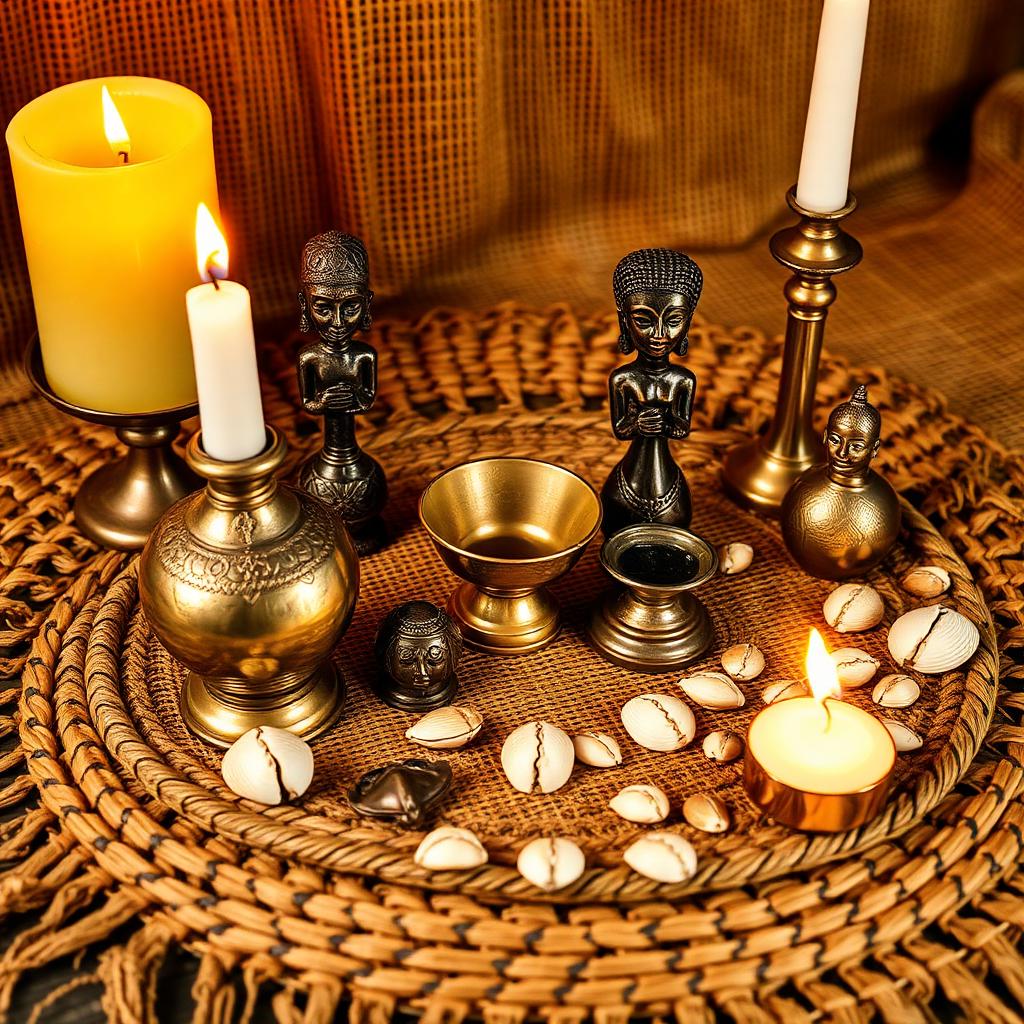
🪘Benin Spiritual Traditions
The Vodun heritage of the Kingdom of Benin, ancestors, spirits, and divination.
Imagery evoking Benin Spiritual Traditions, The Vodun heritage of the Kingdom of Benin, ancestors, spirits, and divination.
Symbolic imagery, generated with respect. No sacred ceremony or living person depicted.
Welcome to the living heritage of Vodun, the spiritual tradition that has shaped life, healing, and celebration across the historic Kingdom of Dahomey (present-day Benin, Togo, and parts of Nigeria) for centuries. Far from the Hollywood stereotype, Vodun is a graceful, relational way of being: a single distant creator (Mawu-Lisa), a family of vodun spirits tied to earth, water, fire, and ancestors, and a community that gathers through drum, song, divination, and plant wisdom. Healers work with Fa divination, altar service, herbal baths, and ceremony to mend the relationships that sustain health, between person, ancestor, spirit, community, and land.
Lineage: Lineage of hounon (priests), bokono (diviners), and initiated elders.
Initiation-based; ceremonies through recognized lineages.
Estimates only. Many traditions offer sliding-scale, donation, or community access; sacred ceremonies are never for sale.
Distinguishing cultural belief, traditional practice, and evidence-supported effect where applicable.
Emotional
Communal ceremony holds grief and fear in a container larger than the individual.
Spiritual
Restores right relationship with the ancestors and the vodun who govern life force.
Community
Everything happens in the presence of family and lineage, not alone.
Nervous system
Drum, song, and dance regulate arousal through rhythm and shared breath.
Areas of possible support, not guarantees or medical claims.
- People of Beninese, Togolese, or wider African diaspora descent
- Those with unresolved ancestral grief
- Respectful seekers, scholars, and artists drawn to lineage and ancestor work
- Anyone who feels called to learn from an initiated teacher
- Fa divination for guidance
- Ancestor altars (asen) with libations
- Initiation into a specific vodun lineage, when invited
- Ceremonial drumming and dance
- Herbal baths and preparations
What to know before exploring
Traditional practice
This is a living tradition carried through lineage and community. Its value is documented through generations of practitioners rather than clinical trials. Absence of Western studies is not absence of wisdom.
- Herbal preparations and dosing. Herbs, tinctures, teas, and topical preparations can be gentle and powerful at the same time. They may interact with prescription medications or affect blood pressure, the liver, kidneys, or allergies. Quality and sourcing matter, so work with a knowledgeable practitioner and share your medication list.
- Trance, possession, and altered states. Drumming, dance, and possession-based ceremonies can open non-ordinary states that feel profound but may be destabilizing for people with a personal or family history of psychosis, bipolar, dissociation, or acute trauma. Go slowly and honestly, with trustworthy support.
- Financial and spiritual exploitation risk. Sacred traditions can attract people who charge steep fees or claim exclusive spiritual authority. Trustworthy teachers welcome questions, encourage outside support, and never pressure you to pay for more than you can afford.
- Cultural appropriation and closed practices. Some elements are closed to outsiders or reserved for initiated practitioners. Participating without invitation, or teaching without lineage, can harm living communities and weaken the practice itself. Approach as a respectful learner, not a consumer.
- Pregnancy, breastfeeding, and fertility treatment. Several herbs, essential oils, deep-tissue techniques, extreme temperatures, and intense breath or plant-medicine practices are not recommended during pregnancy, breastfeeding, or IVF cycles. Disclose your status and ask for a practitioner with prenatal training.
- Active PTSD or unprocessed severe trauma. Immersive, ceremonial, and altered-state work can surface traumatic memories without warning. If you are living with active PTSD, build a relationship with a trauma-informed licensed clinician first, and choose practitioners trained to hold trauma responses gently.
- Prescription medication interactions. Bring a full medication list to your practitioner and pharmacist. Some common combinations need extra care, such as SSRIs and MAOIs with ayahuasca or St. John's wort, blood thinners with garlic or ginkgo, and immunosuppressants with many herbs. Your care team can help you navigate this.
This information is shared as general education, not medical advice. The safest path is to share your full health story and current medications with both the practitioner and your regular healthcare provider before beginning something new.
Which ancestor most wants my attention right now?
What in my life is out of right relationship, and with whom?
How do I make room for spirit in an ordinary week?
What is one thing I am curious to unlearn about Vodun?
Written in the spirit of this tradition, held as invitations, not instructions. Take what serves your reflection.
What ancestral grief or ancestral strength do I carry without naming?
What in my life feels held by something older than me?
Which lineage, chosen or born, do I want to be a good ancestor to?
Engaging with respect
Vodun is a living religion, not a costume or a movie set. The most respectful way to begin is as a learner: read, listen, and, if you feel called, seek guidance from an initiated teacher rather than treating the tradition as an aesthetic or spectacle. Mama Lola: A Vodou Priestess in Brooklyn by Karen McCarthy Brown is a beautiful English-language introduction.
Traditions that share needs, practices, or cultural context with this one. Explore with respect for each lineage's origins.
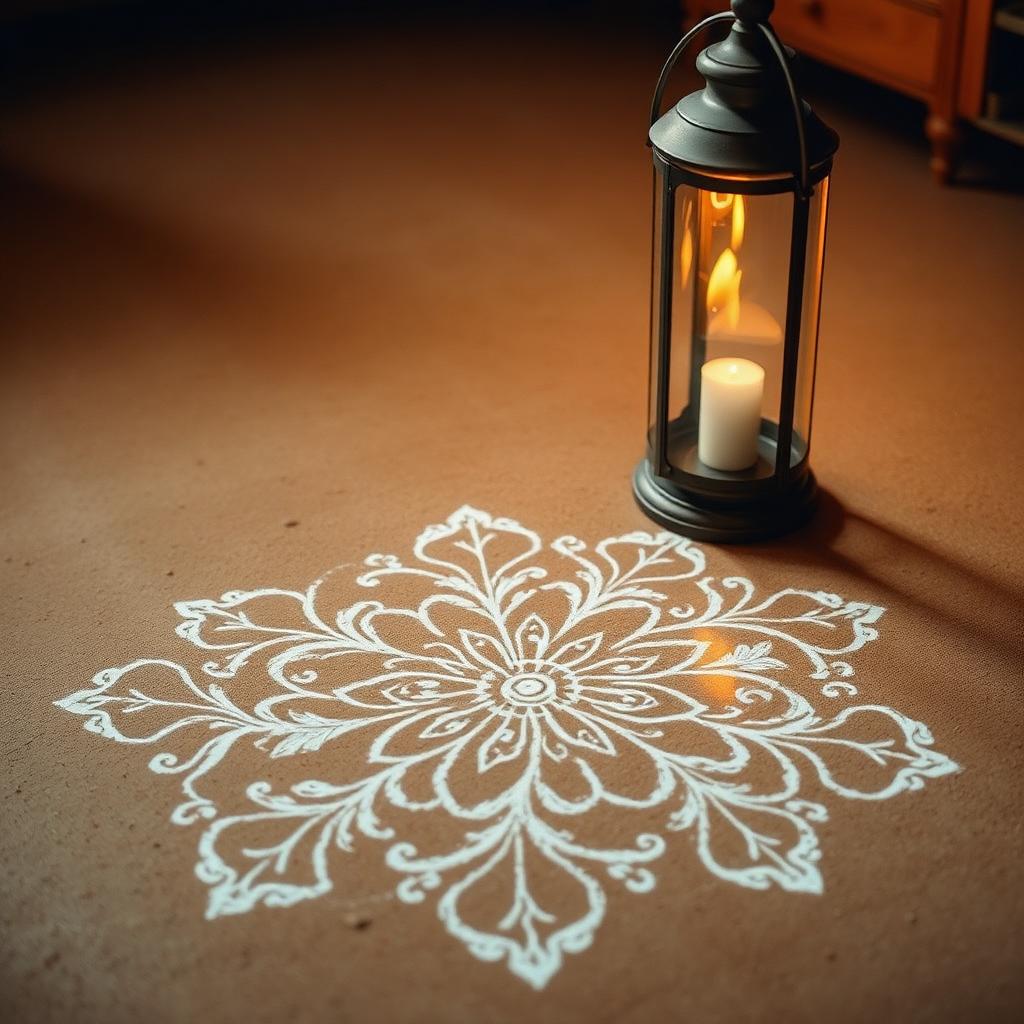
The Afro-Caribbean tradition of Haiti, lwa, community, and drum as a way of living.
- Curated companion
- Shared needs: ancestral healing, community belonging, protection
- Similar practices: ancestor
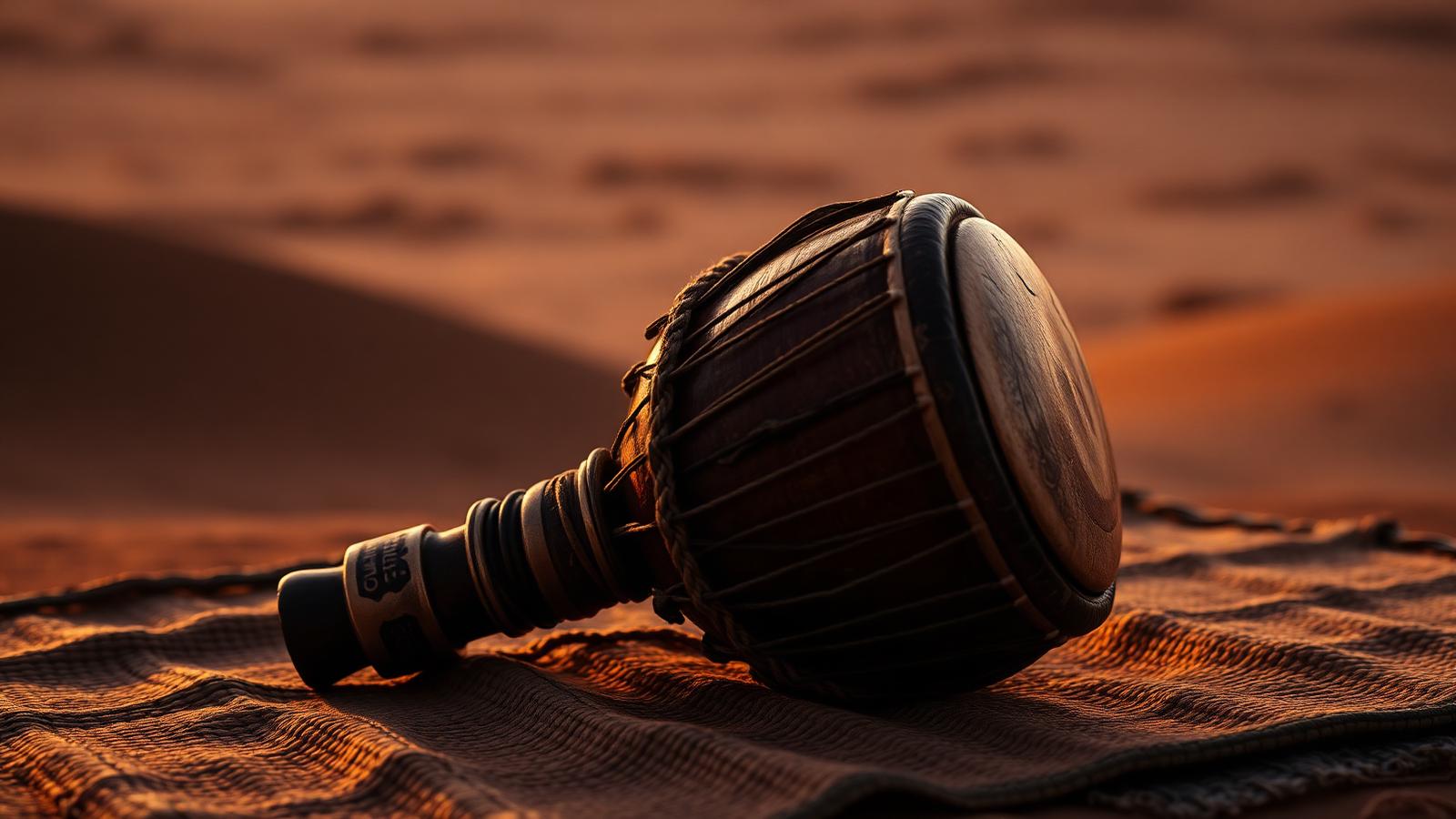
A West African tradition weaving ancestral wisdom, herbal medicine, and communal ritual into everyday life.
- Curated companion
- Shared needs: grief
- Similar practices: divination, herbal, baths, drumming
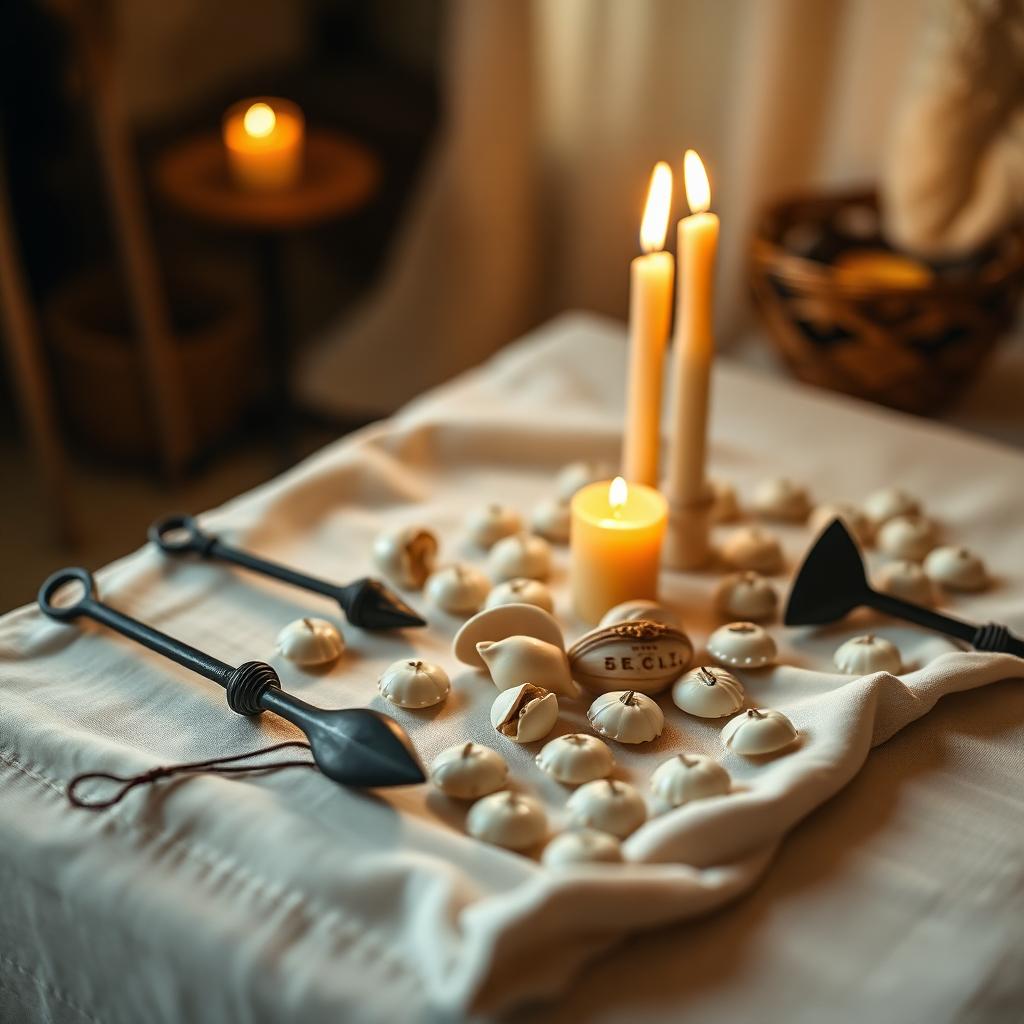
The Afro-Brazilian tradition rooted in Yoruba, Fon, and Bantu wisdom, orisha, dance, and drum.
- Curated companion
- Shared needs: ancestral healing, life direction
- Similar practices: divination, initiation
The divination system of the Yoruba, a sacred body of 256 poetic texts guiding life and healing.
- Curated companion
- Shared needs: life direction
- Same region (Africa)
A Brazilian syncretic tradition weaving African orisha, Indigenous spirit, and Catholic saint.
- Shared needs: grief, life direction, ancestral healing
- Similar practices: ancestor, altars
The Cuban Yoruba-rooted tradition of orisha, prayer, and initiation.
- Shared needs: ancestral healing, life direction, protection
- Similar practices: specific, divination, initiation, drumming