🪘Yoruba Healing
A West African tradition weaving ancestral wisdom, herbal medicine, and communal ritual into everyday life.
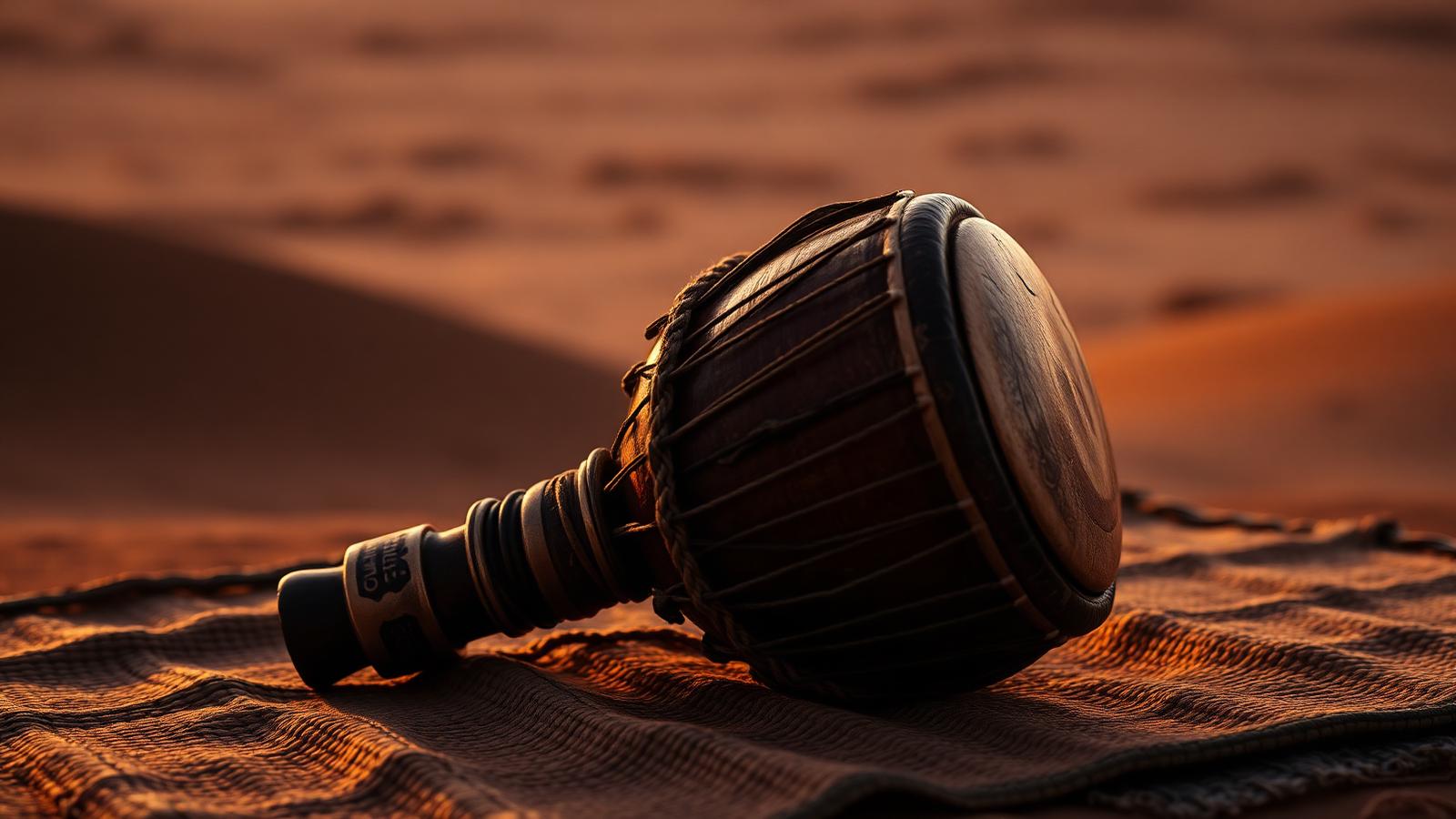
A traditional dùndún talking drum on woven cloth, the drum carries language, prayer, and lineage in Yoruba tradition.
Symbolic imagery, generated with respect. No sacred ceremony depicted.
Yoruba healing is a living tradition rooted in the Yoruba people of what is now southwestern Nigeria, Benin, and Togo, carried across the Atlantic by the Yoruba diaspora and blended into Candomblé, Santería, and Lucumí. Healers work with plants, prayer, divination (Ifá), and community, treating a person as inseparable from family, ancestors, and the natural world. Illness is understood as an imbalance across body, mind, spirit, and relationships, and healing seeks to restore right relationship, not just remove symptoms.
Lineage: Oral lineage of babalawos (Ifá priests), iyanifas, herbalists, and community elders.
Consultations $50, $200; initiations vary.
Estimates only. Many traditions offer sliding-scale, donation, or community access; sacred ceremonies are never for sale.
Distinguishing cultural belief, traditional practice, and evidence-supported effect where applicable.
Emotional
Ritual acknowledges pain aloud and holds it inside a community, which reduces the isolation that often deepens grief.
Psychological
Divination gives a person a structured story for their suffering, a sense of meaning that research on narrative and coping links to resilience.
Spiritual
Reconnects the person to ancestors and to the orisha (divine forces), restoring a sense of belonging in a larger order.
Community
Healing is public, not private. Family and elders participate, which redistributes the emotional weight of illness.
Physical
Herbal preparations, baths, and body care are used alongside ritual.
Nervous system
Drumming, call-and-response chant, and rhythmic movement co-regulate the nervous system through entrainment.
Areas of possible support, not guarantees or medical claims.
- People of African descent reconnecting with ancestral roots
- Anyone grieving a loss and craving communal ritual, not just individual therapy
- People navigating identity or a spiritual crisis who resonate with polytheistic or ancestral frameworks
- Ifá divination with a trained babalawo
- Egungun ancestral remembrance
- Herbal baths (agbo) prepared by an herbalist
- Drumming and orisha praise chant
- Offerings (ebo) as reciprocity with unseen forces
What to know before exploring
Traditional practice
This is a living tradition carried through lineage and community. Its value is documented through generations of practitioners rather than clinical trials. Absence of Western studies is not absence of wisdom.
- Herbal preparations and dosing. Herbs, tinctures, teas, and topical preparations can be gentle and powerful at the same time. They may interact with prescription medications or affect blood pressure, the liver, kidneys, or allergies. Quality and sourcing matter, so work with a knowledgeable practitioner and share your medication list.
- Trance, possession, and altered states. Drumming, dance, and possession-based ceremonies can open non-ordinary states that feel profound but may be destabilizing for people with a personal or family history of psychosis, bipolar, dissociation, or acute trauma. Go slowly and honestly, with trustworthy support.
- Financial and spiritual exploitation risk. Sacred traditions can attract people who charge steep fees or claim exclusive spiritual authority. Trustworthy teachers welcome questions, encourage outside support, and never pressure you to pay for more than you can afford.
- Cultural appropriation and closed practices. Some elements are closed to outsiders or reserved for initiated practitioners. Participating without invitation, or teaching without lineage, can harm living communities and weaken the practice itself. Approach as a respectful learner, not a consumer.
- Pregnancy, breastfeeding, and fertility treatment. Several herbs, essential oils, deep-tissue techniques, extreme temperatures, and intense breath or plant-medicine practices are not recommended during pregnancy, breastfeeding, or IVF cycles. Disclose your status and ask for a practitioner with prenatal training.
- Psychosis, bipolar I, or dissociative history (extra pause recommended). If you or a close family member has a history of psychosis, schizophrenia, bipolar I, dissociative disorders, or are in an acute mental health episode, please be extra gentle. Psychedelic, trance, and intense inner-work practices are best avoided unless you are working closely with a psychiatrist who understands this territory.
- Active PTSD or unprocessed severe trauma. Immersive, ceremonial, and altered-state work can surface traumatic memories without warning. If you are living with active PTSD, build a relationship with a trauma-informed licensed clinician first, and choose practitioners trained to hold trauma responses gently.
- Prescription medication interactions. Bring a full medication list to your practitioner and pharmacist. Some common combinations need extra care, such as SSRIs and MAOIs with ayahuasca or St. John's wort, blood thinners with garlic or ginkgo, and immunosuppressants with many herbs. Your care team can help you navigate this.
This information is shared as general education, not medical advice. The safest path is to share your full health story and current medications with both the practitioner and your regular healthcare provider before beginning something new.
Who are the ancestors whose lives made mine possible? What did they carry?
Where in my life am I out of right relationship, with my body, my people, or the land?
What would it mean to bring my grief to community rather than only to a private room?
Written in the spirit of this tradition, held as invitations, not instructions. Take what serves your reflection.
Which ancestor's unfinished business might I be carrying without knowing?
Where in my life am I out of right relationship with body, people, or land?
What would it mean to bring my grief to community instead of only a private room?
Engaging with respect
Yoruba tradition is initiatory. Divination, orisha work, and ritual leadership are held by initiated practitioners, reading about it is not the same as being trained in it. If this tradition calls you, seek out a lineage-holding elder or community rather than self-appointing.
Traditions that share needs, practices, or cultural context with this one. Explore with respect for each lineage's origins.
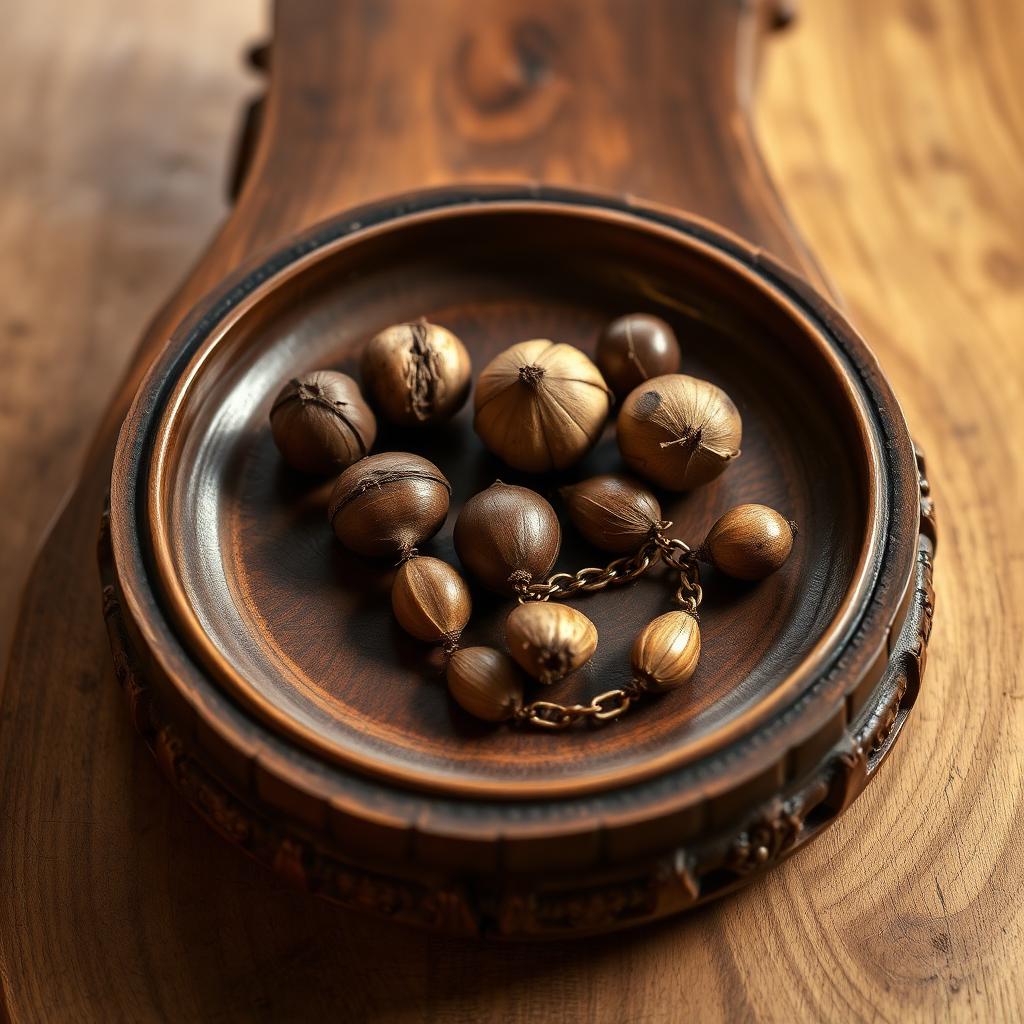
The divination system of the Yoruba, a sacred body of 256 poetic texts guiding life and healing.
- Curated companion
- Similar practices: babalawo, offerings, orisha
- Same region (Africa)
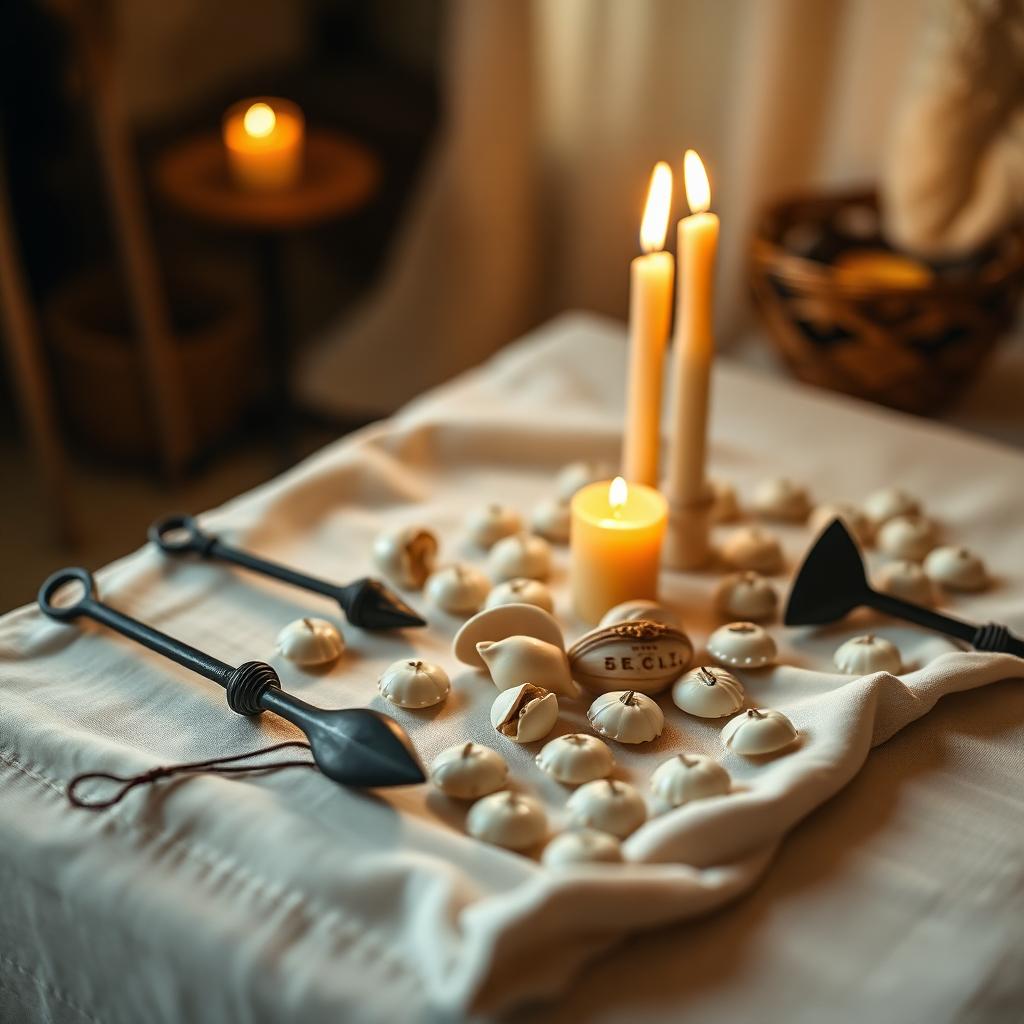
The Afro-Brazilian tradition rooted in Yoruba, Fon, and Bantu wisdom, orisha, dance, and drum.
- Curated companion
- Shared needs: community
- Similar practices: divination
'I am because we are', a Southern African philosophy of communal personhood as healing.
- Curated companion
- Same region (Africa)
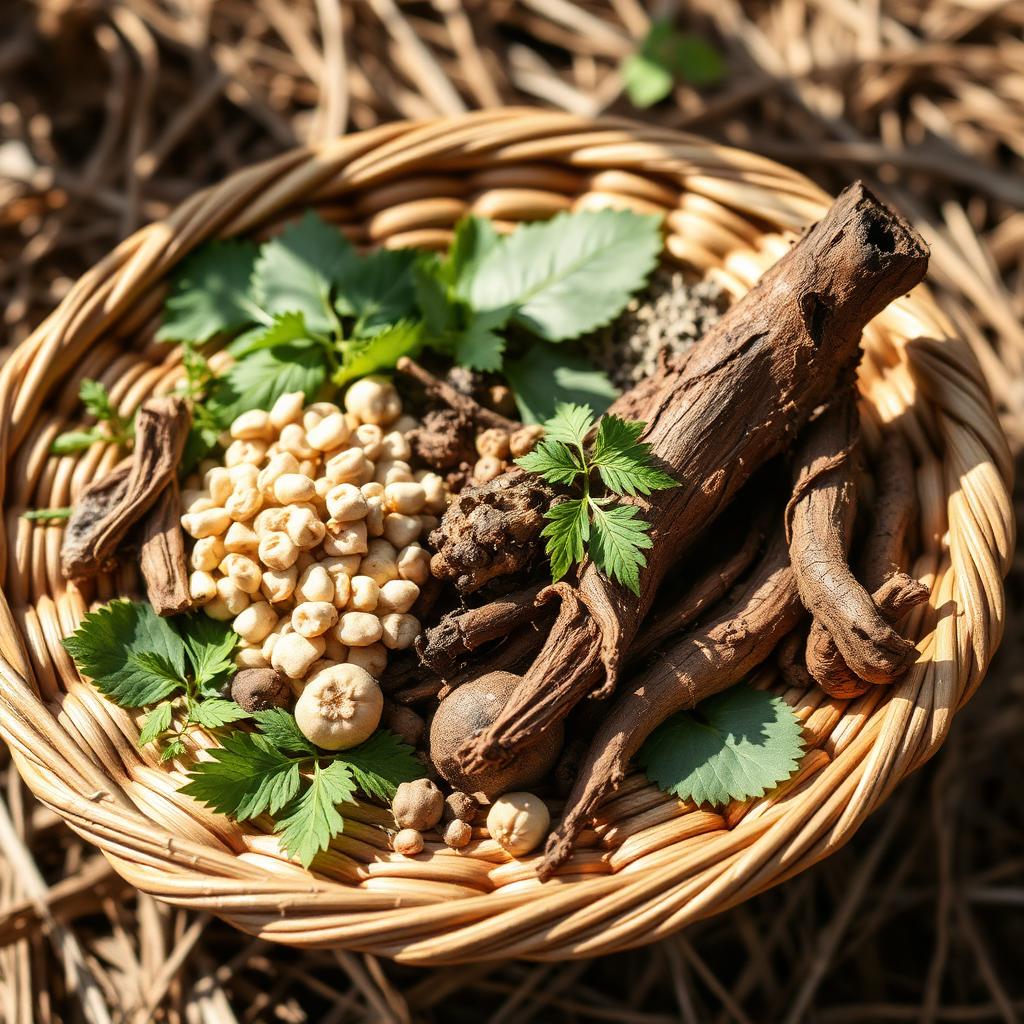
The vast pharmacopeia of plants used across the African continent, many now studied by modern pharmacology.
- Curated companion
- Same region (Africa)
The healing wisdom of the Lakota Nation, sweat lodge, pipe, and the sacred circle of Mitákuye Oyás’iŋ, 'all my relations'.
- Shared needs: grief, community, identity
- Same tradition type
Ancient Egyptian medicine and spiritual science of Ma'at and the nine bodies.
- Shared needs: grief, purpose, ancestral connection
- Similar practices: herbal
- Same region (Africa)