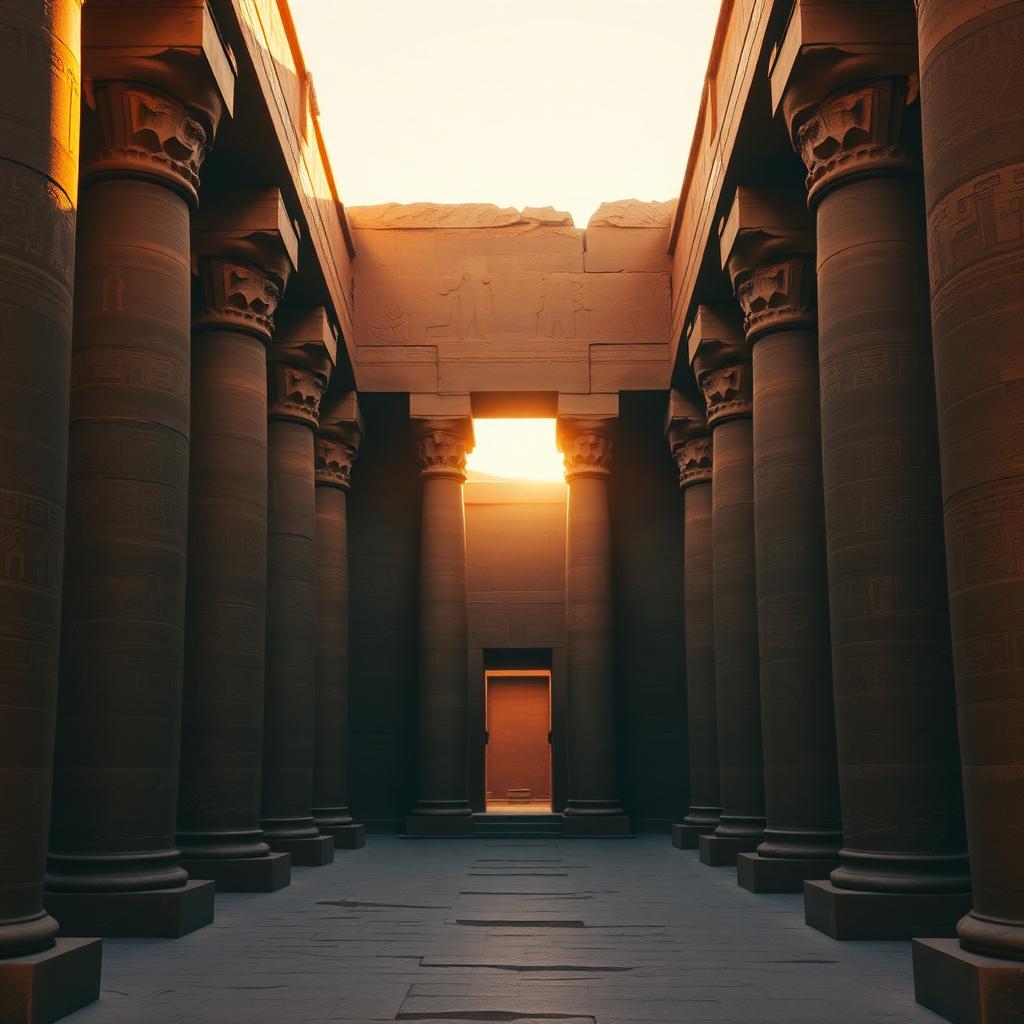
𓂀Kemetic Healing
Ancient Egyptian medicine and spiritual science of Ma'at and the nine bodies.
Imagery evoking Kemetic Healing, Ancient Egyptian medicine and spiritual science of Ma'at and the nine bodies.
Symbolic imagery, generated with respect. No sacred ceremony or living person depicted.
Kemetic healing draws from the medical and spiritual sciences of ancient Egypt (Kemet), where physicians (swnw) and priest-healers worked with herbs, surgery, incantation, dream, and the philosophy of Ma'at (truth, balance, right order). The Ebers and Edwin Smith papyri, over 3,500 years old, remain some of humanity's earliest written medical texts. Illness was read as a disturbance across the nine bodies (physical, energetic, ancestral, and divine) and healing sought to restore alignment with Ma'at.
Lineage: Imhotep (2600s BCE), the Ebers and Edwin Smith papyri, contemporary Kemetic revival teachers.
Study groups and consultations vary.
Estimates only. Many traditions offer sliding-scale, donation, or community access; sacred ceremonies are never for sale.
Distinguishing cultural belief, traditional practice, and evidence-supported effect where applicable.
Emotional
Frames feelings as movement of the ka (vital essence) that needs a right channel.
Psychological
The 42 Ideals of Ma'at give a nightly self-examination for integrity.
Spiritual
Places the person inside a living cosmos of neteru (divine principles) rather than as an isolated self.
Physical
A deep pharmacopeia of herbs, oils, and mineral remedies, some validated today.
Areas of possible support, not guarantees or medical claims.
- People of African descent reclaiming pre-colonial lineage
- Seekers drawn to symbol, ritual, and cosmology
- Anyone wanting an integrated body, mind, spirit framework
- Recitation of the 42 Ideals of Ma'at as nightly review
- Working with the neteru as archetypal mirrors
- Ritual bathing and anointing with sacred oils
- Meditation with the Ankh, Djed, and Was symbols
- Dream incubation and interpretation
- Herbal remedies rooted in the Ebers papyrus
What to know before exploring
Traditional practice
This is a living tradition carried through lineage and community. Its value is documented through generations of practitioners rather than clinical trials. Absence of Western studies is not absence of wisdom.
- Herbal preparations and dosing. Herbs, tinctures, teas, and topical preparations can be gentle and powerful at the same time. They may interact with prescription medications or affect blood pressure, the liver, kidneys, or allergies. Quality and sourcing matter, so work with a knowledgeable practitioner and share your medication list.
- Trance, possession, and altered states. Drumming, dance, and possession-based ceremonies can open non-ordinary states that feel profound but may be destabilizing for people with a personal or family history of psychosis, bipolar, dissociation, or acute trauma. Go slowly and honestly, with trustworthy support.
- Financial and spiritual exploitation risk. Sacred traditions can attract people who charge steep fees or claim exclusive spiritual authority. Trustworthy teachers welcome questions, encourage outside support, and never pressure you to pay for more than you can afford.
- Pregnancy, breastfeeding, and fertility treatment. Several herbs, essential oils, deep-tissue techniques, extreme temperatures, and intense breath or plant-medicine practices are not recommended during pregnancy, breastfeeding, or IVF cycles. Disclose your status and ask for a practitioner with prenatal training.
- Active PTSD or unprocessed severe trauma. Immersive, ceremonial, and altered-state work can surface traumatic memories without warning. If you are living with active PTSD, build a relationship with a trauma-informed licensed clinician first, and choose practitioners trained to hold trauma responses gently.
- Prescription medication interactions. Bring a full medication list to your practitioner and pharmacist. Some common combinations need extra care, such as SSRIs and MAOIs with ayahuasca or St. John's wort, blood thinners with garlic or ginkgo, and immunosuppressants with many herbs. Your care team can help you navigate this.
This information is shared as general education, not medical advice. The safest path is to share your full health story and current medications with both the practitioner and your regular healthcare provider before beginning something new.
Where am I out of alignment with Ma'at (truth, balance) in my life today?
Which of the nine bodies feels most starved for care right now?
What ancestor of mine most needs to be remembered this season?
Written in the spirit of this tradition, held as invitations, not instructions. Take what serves your reflection.
What in my life is asking for Ma'at, right relationship, right order?
Which neter (divine principle) reflects what my soul is working on?
Who in the long African story before me is walking with me?
Engaging with respect
Kemetic spirituality has been reclaimed by many in the African diaspora as a pre-colonial inheritance. Learn from teachers rooted in the tradition, and avoid treating it as a costume aesthetic.
Traditions that share needs, practices, or cultural context with this one. Explore with respect for each lineage's origins.
A West African tradition weaving ancestral wisdom, herbal medicine, and communal ritual into everyday life.
- Curated companion
- Shared needs: grief, purpose, ancestral connection
- Similar practices: herbal
The early Christian ascetics of the Egyptian desert, silence, prayer, and inner work.
- Curated companion
- Shared needs: anxiety, meaning
- Same region (Africa)
The divination system of the Yoruba, a sacred body of 256 poetic texts guiding life and healing.
- Curated companion
- Shared needs: meaning
- Same region (Africa)
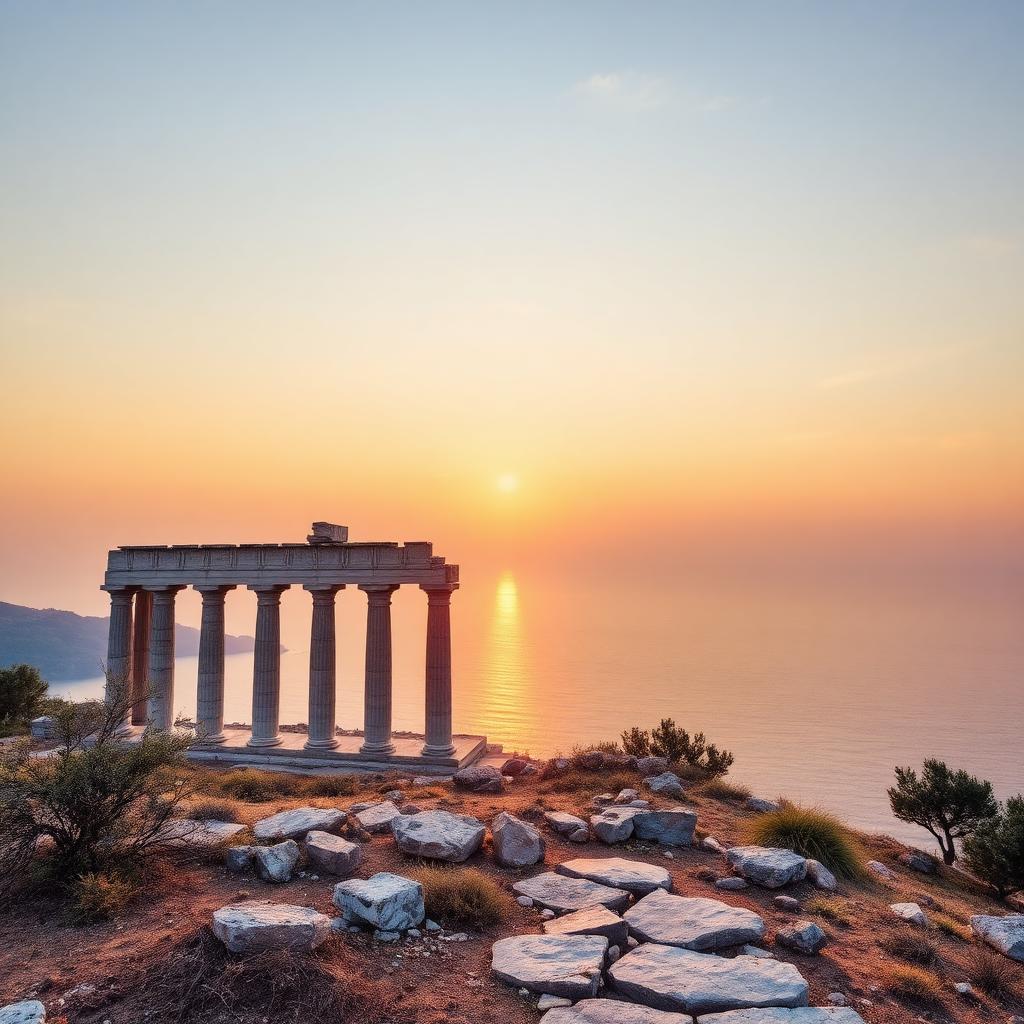
The Socratic, Aristotelian, and Platonic examination of the good life, Western therapy's grandparent.
- Shared needs: meaning, anxiety, grief
- Similar practices: nightly, review
- Same tradition type
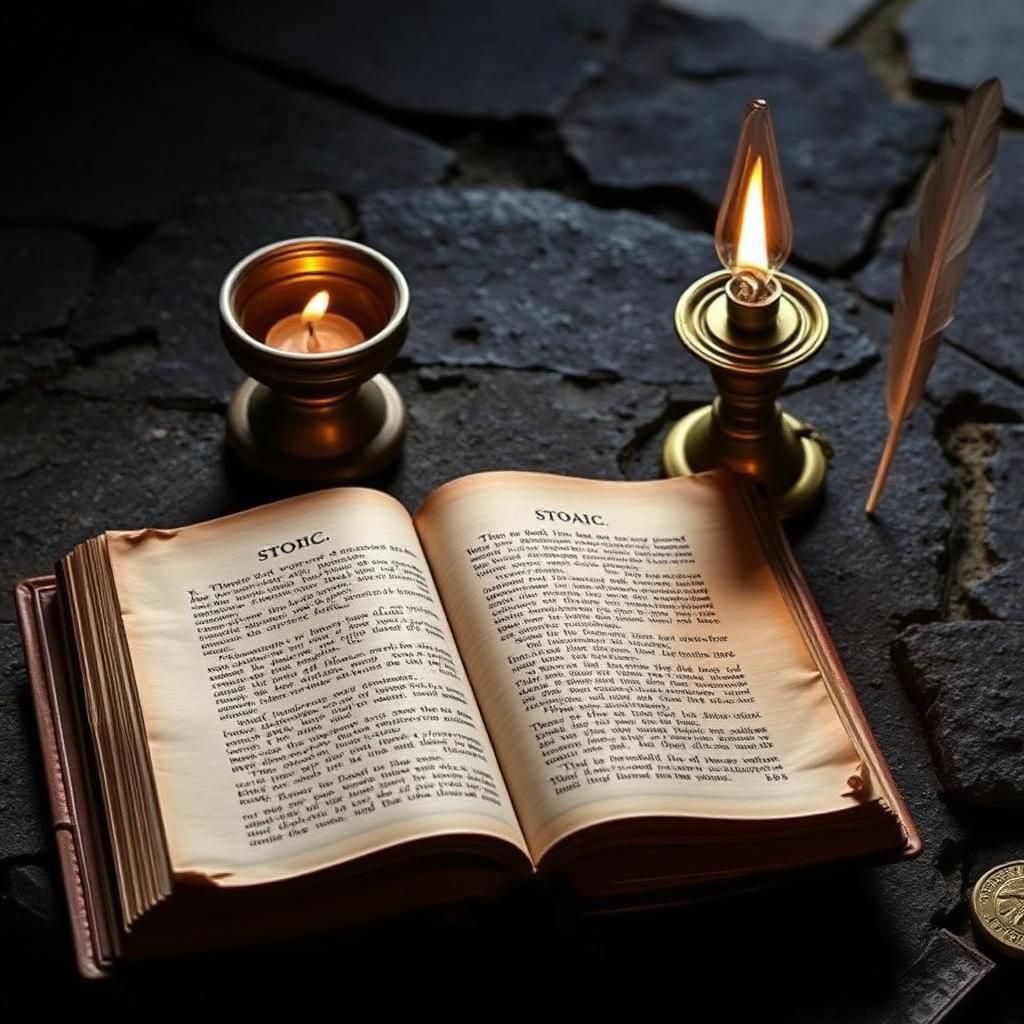
Greco-Roman practical philosophy for resilience, virtue, and equanimity, now studied in modern CBT.
- Shared needs: anxiety, grief, meaning
- Similar practices: review
- Same tradition type
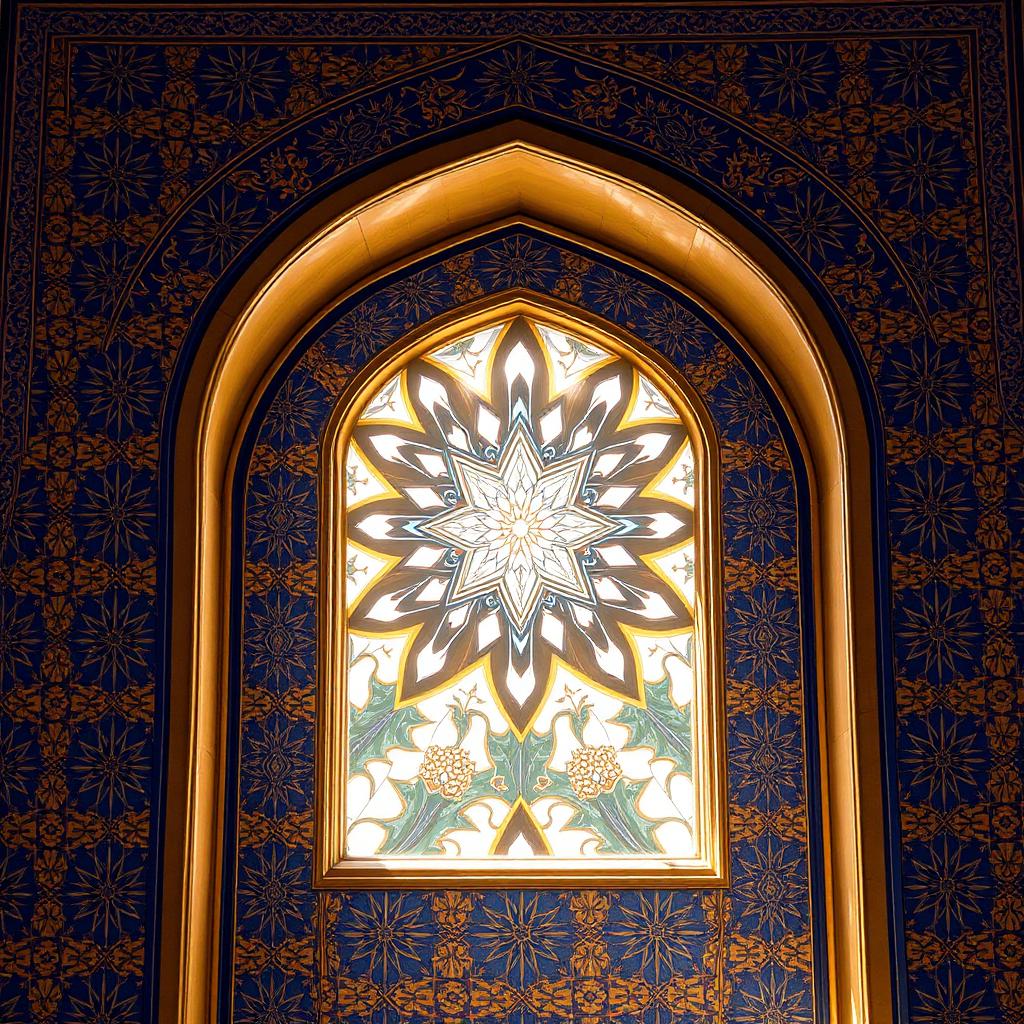
The rich Islamic tradition of understanding the soul, its states, and its refinement.
- Shared needs: anxiety, meaning, grief
- Similar practices: nightly, working