
🏜️Coptic Desert Fathers & Mothers
The early Christian ascetics of the Egyptian desert, silence, prayer, and inner work.
In the fourth-century Egyptian desert, thousands of Christians withdrew to caves and cells to seek God through silence, prayer, fasting, and hard manual work. Their brief sayings (the Apophthegmata Patrum) shaped all later Christian monasticism and much of contemporary contemplative practice. Figures like Anthony the Great, Macarius, and Amma Syncletica are named, but the tradition was carried by thousands whose names are lost.
Lineage: Anthony, Pachomius, Macarius, Syncletica, Poemen, and the wider anonymous body of ammas and abbas.
Cost depends on practitioner, region, and format.
Estimates only. Many traditions offer sliding-scale, donation, or community access; sacred ceremonies are never for sale.
Distinguishing cultural belief, traditional practice, and evidence-supported effect where applicable.
Emotional
Long silence reveals what noise had hidden.
Psychological
The desert teaches how to sit with a wandering mind (logismoi) without reacting.
Spiritual
Prayer of the heart draws the mind into the body.
Areas of possible support, not guarantees or medical claims.
- Christians drawn to contemplative depth
- Anyone with a hunger for real silence
- The Jesus Prayer, repeated slowly
- Reading a single desert saying and staying with it
- Manual work as prayer
- Short fasts
- A regular hour of silence
What to know before exploring
Traditional practice
This is a living tradition carried through lineage and community. Its value is documented through generations of practitioners rather than clinical trials. Absence of Western studies is not absence of wisdom.
- Fasting or restrictive diet. Fasts, cleanses, and prescribed diets can be meaningful, but they can also cause dizziness, low blood sugar, or electrolyte imbalance. They are best approached with care if you are pregnant, have diabetes, an eating-disorder history, or take medications that require food.
- Cultural appropriation and closed practices. Elements of this tradition may be reserved for initiated practitioners or community members. Approach as a respectful learner, not a consumer, and never present the practice as your own.
- Pregnancy, breastfeeding, and fertility treatment. Several herbs, essential oils, deep-tissue techniques, extreme temperatures, and intense breath or plant-medicine practices are not recommended during pregnancy, breastfeeding, or IVF cycles. Disclose your status and ask for a practitioner with prenatal training.
This information is shared as general education, not medical advice. The safest path is to share your full health story and current medications with both the practitioner and your regular healthcare provider before beginning something new.
Which of my thoughts (logismoi) most disturbs my inner cell?
What would an hour of silence a day teach me over a year?
Traditions that share needs, practices, or cultural context with this one. Explore with respect for each lineage's origins.

The contemplative silence tradition of Eastern Orthodox Christianity, the Jesus Prayer.
- Curated companion
- Shared needs: anxiety, meaning
- Similar practices: jesus, prayer, slowly, reading
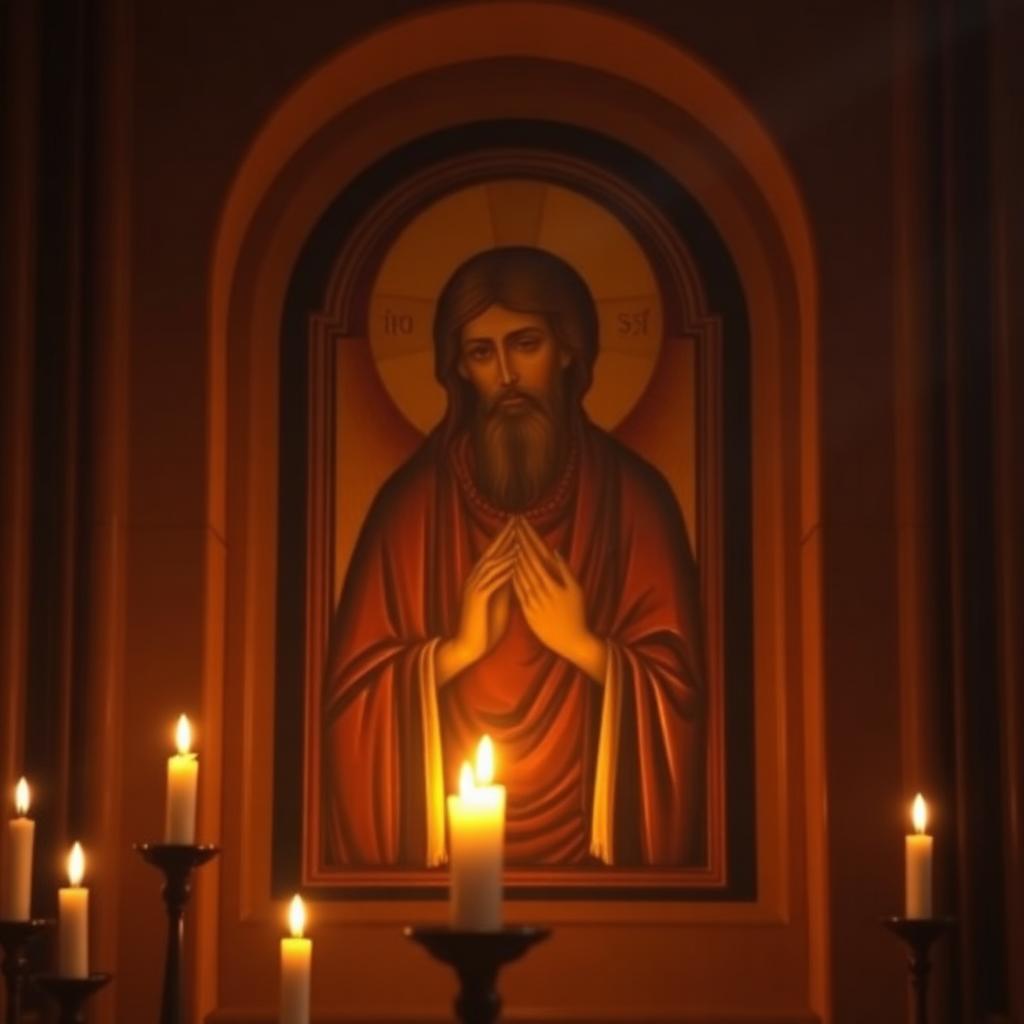
The contemplative lineage of Christianity, Meister Eckhart, Teresa of Ávila, John of the Cross.
- Curated companion
- Shared needs: meaning, anxiety
- Similar practices: prayer, jesus, reading, slowly

The wisdom of the Desert Fathers and Mothers of Egypt, Palestine, and Syria, silence as medicine.
- Curated companion
- Shared needs: silence, meaning
- Similar practices: desert, reading, hour, silence
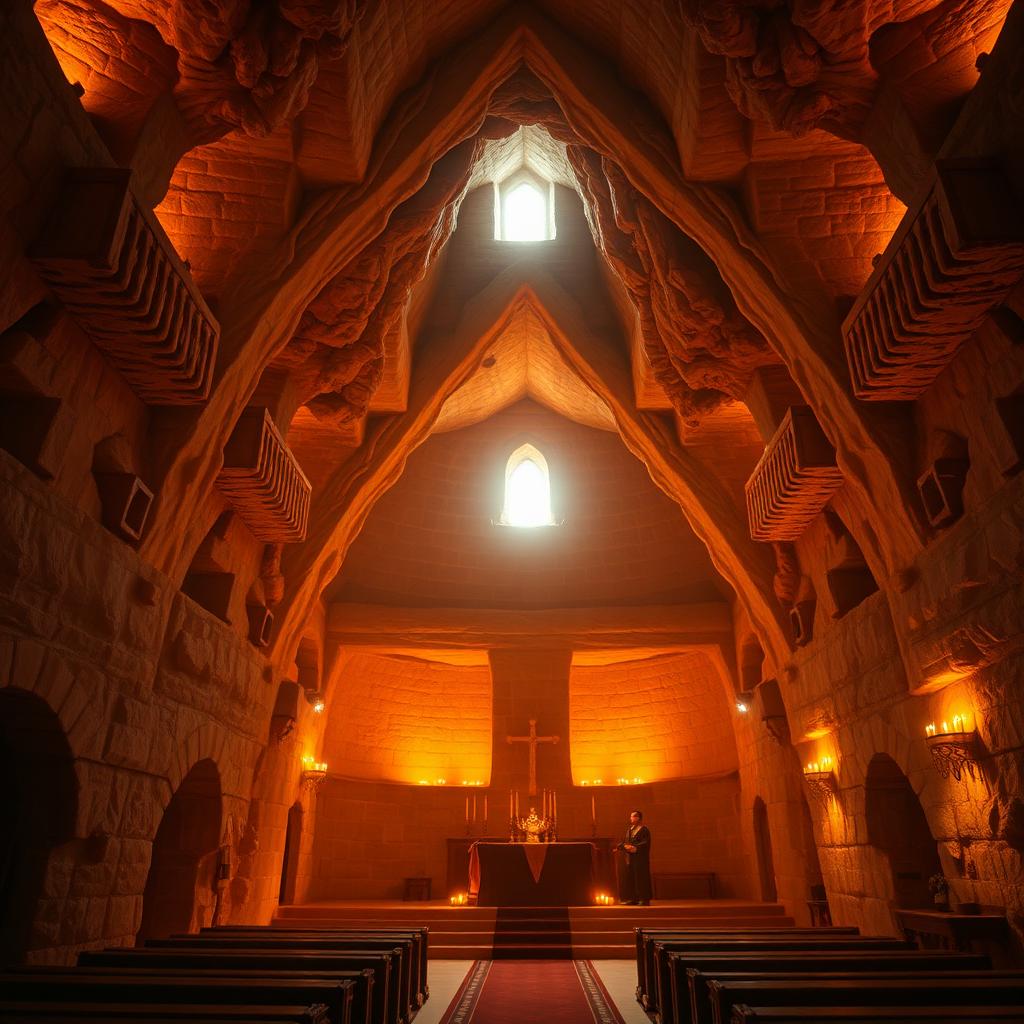
Fasting, holy water (tsebel), and prayer of the Ethiopian Tewahedo Church.
- Shared needs: anxiety, repentance, meaning
- Same region (Africa)
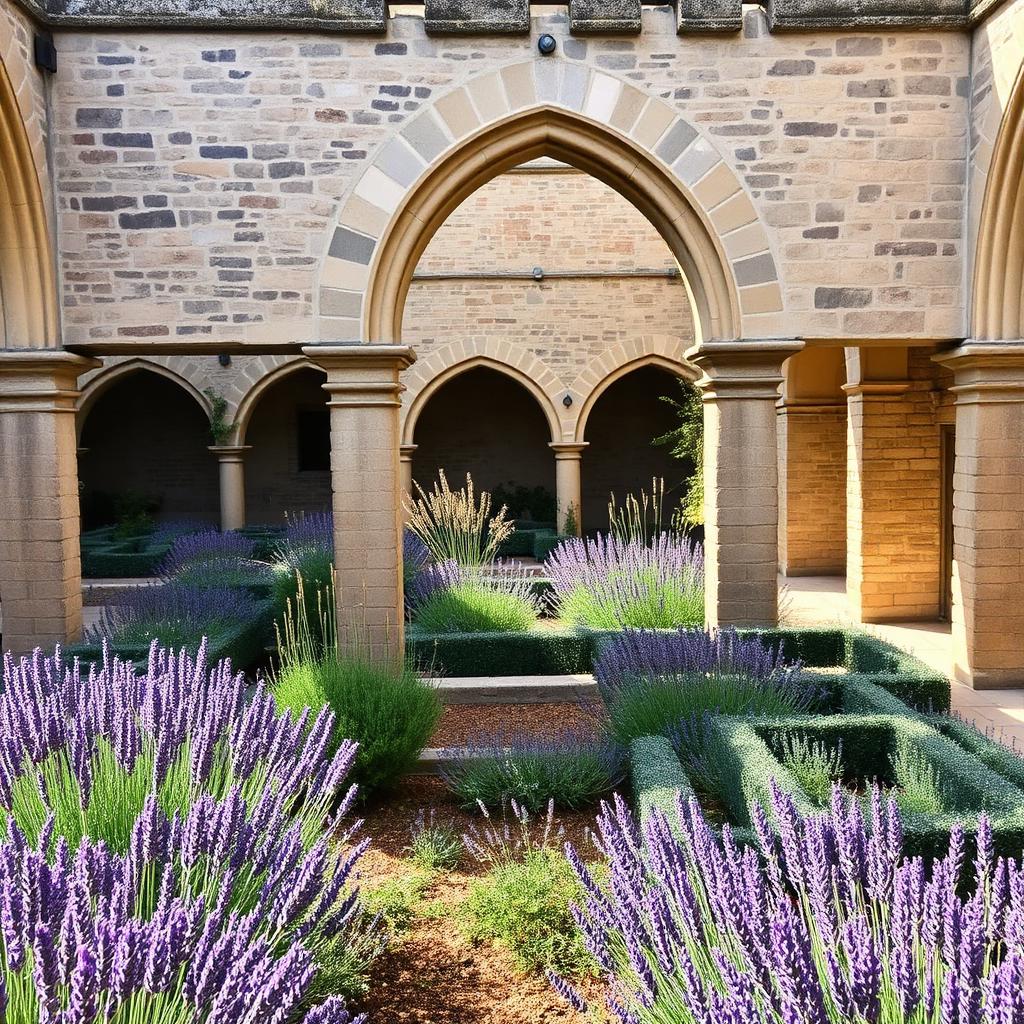
The healing gardens, herbals, and rule of life of Christian monastic communities.
- Shared needs: anxiety, meaning
- Similar practices: reading, short, silence, hour
- Same tradition type

The Japanese Buddhist school of direct awakening through zazen (seated meditation).
- Shared needs: anxiety, meaning
- Similar practices: reading, slowly
- Same tradition type