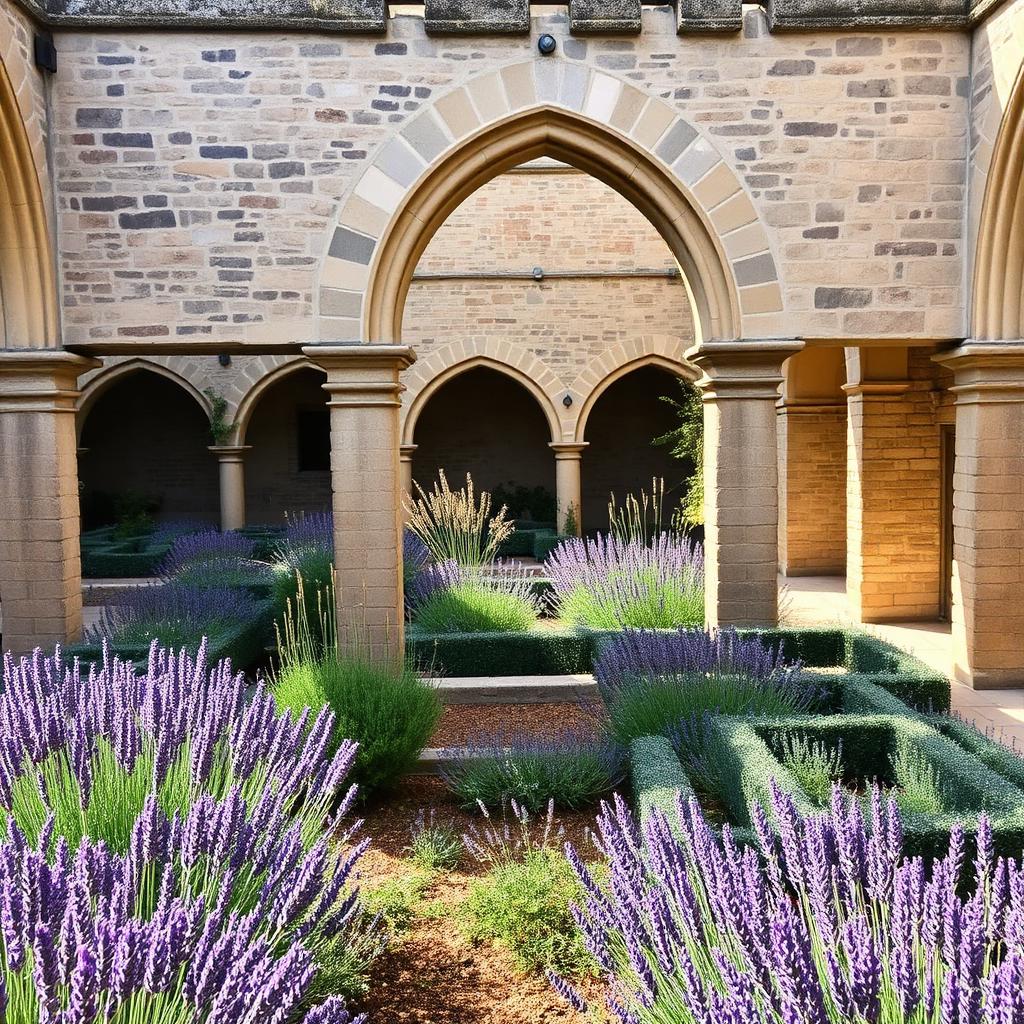
🌿Monastic Healing
The healing gardens, herbals, and rule of life of Christian monastic communities.
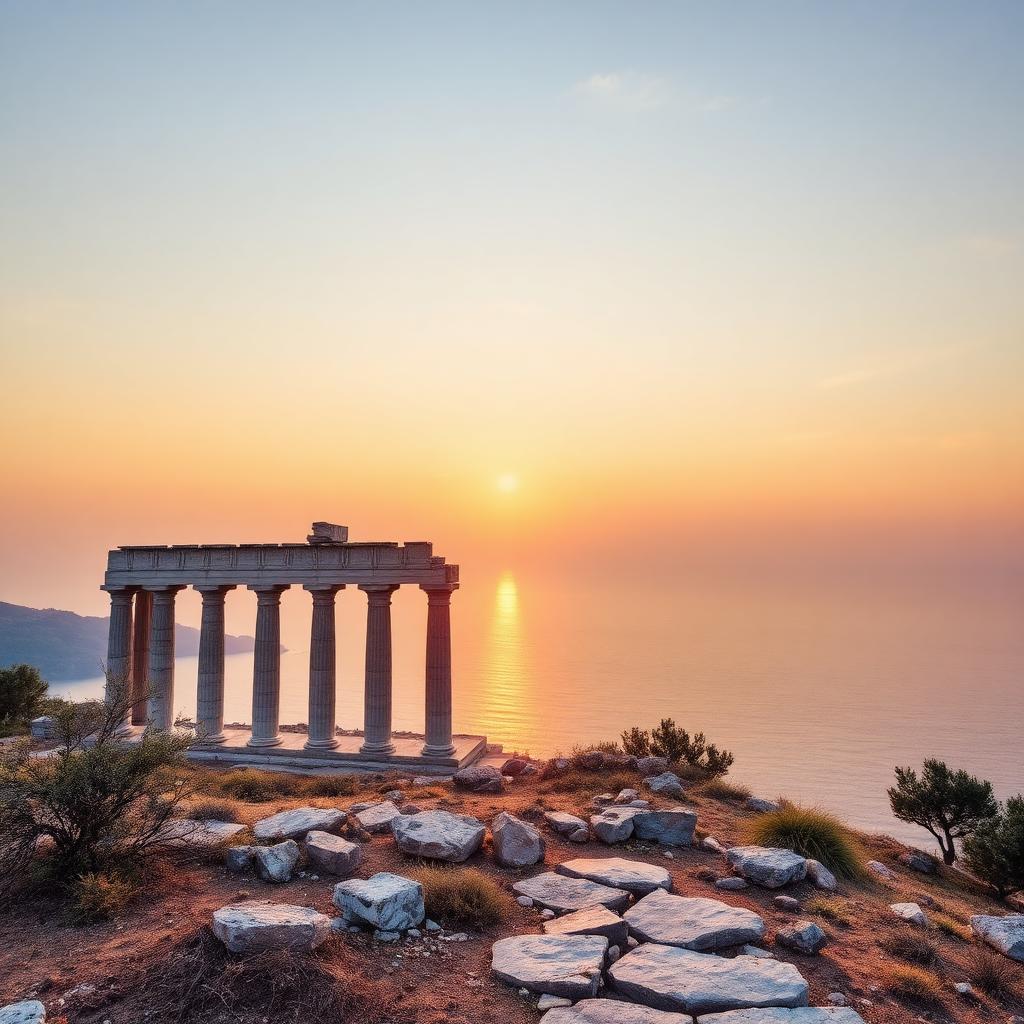
Imagery evoking Monastic Healing, The healing gardens, herbals, and rule of life of Christian monastic communities.
Symbolic imagery, generated with respect. No sacred ceremony or living person depicted.
European Christian monasteries were the medical centers of medieval Europe. Benedictine, Cistercian, and later communities kept herbal gardens (the physic garden), copied Greek and Arabic medical texts, and offered hospitality to the sick and traveling. Figures like Hildegard of Bingen (1098-1179) fused theology, herbal medicine, and cosmology. The rule of life (ora et labora: pray and work) itself was understood as psychological medicine.
Lineage: Benedict, Basil, Hildegard, and countless monks and nuns of the Latin and Orthodox traditions.
Monastery retreats by donation, often $50, $150/day.
Estimates only. Many traditions offer sliding-scale, donation, or community access; sacred ceremonies are never for sale.
Distinguishing cultural belief, traditional practice, and evidence-supported effect where applicable.
Psychological
The rule of hours structures the day around prayer, work, and rest.
Spiritual
Silence, chant, and lectio divina open the inner life.
Community
The stability of the community itself is medicine.
Physical
Herbal preparations from the physic garden.
Areas of possible support, not guarantees or medical claims.
- Christians drawn to contemplative life
- Anyone in chaos wanting to borrow monastic structure
- Praying the daily Hours (Lauds, Vespers, Compline)
- Lectio divina (slow reading of a short text)
- Growing a physic garden
- Silence of at least an hour a day
What to know before exploring
Traditional practice
This is a living tradition carried through lineage and community. Its value is documented through generations of practitioners rather than clinical trials. Absence of Western studies is not absence of wisdom.
- Herbal preparations and dosing. Herbs, tinctures, teas, and topical preparations can be gentle and powerful at the same time. They may interact with prescription medications or affect blood pressure, the liver, kidneys, or allergies. Quality and sourcing matter, so work with a knowledgeable practitioner and share your medication list.
- Financial and spiritual exploitation risk. Sacred traditions can attract people who charge steep fees or claim exclusive spiritual authority. Trustworthy teachers welcome questions, encourage outside support, and never pressure you to pay for more than you can afford.
- Cultural appropriation and closed practices. Elements of this tradition may be reserved for initiated practitioners or community members. Approach as a respectful learner, not a consumer, and never present the practice as your own.
- Pregnancy, breastfeeding, and fertility treatment. Several herbs, essential oils, deep-tissue techniques, extreme temperatures, and intense breath or plant-medicine practices are not recommended during pregnancy, breastfeeding, or IVF cycles. Disclose your status and ask for a practitioner with prenatal training.
- Prescription medication interactions. Bring a full medication list to your practitioner and pharmacist. Some common combinations need extra care, such as SSRIs and MAOIs with ayahuasca or St. John's wort, blood thinners with garlic or ginkgo, and immunosuppressants with many herbs. Your care team can help you navigate this.
This information is shared as general education, not medical advice. The safest path is to share your full health story and current medications with both the practitioner and your regular healthcare provider before beginning something new.
What would change in me with a rule of life for the next 40 days?
Which plants would I grow if my apothecary was a garden?
Written in the spirit of this tradition, held as invitations, not instructions. Take what serves your reflection.
What in me longs for a rule of life, a rhythm I can trust?
Where would obedience to something larger set me free?
Which small community, chosen or found, could hold my daily hours?
Traditions that share needs, practices, or cultural context with this one. Explore with respect for each lineage's origins.
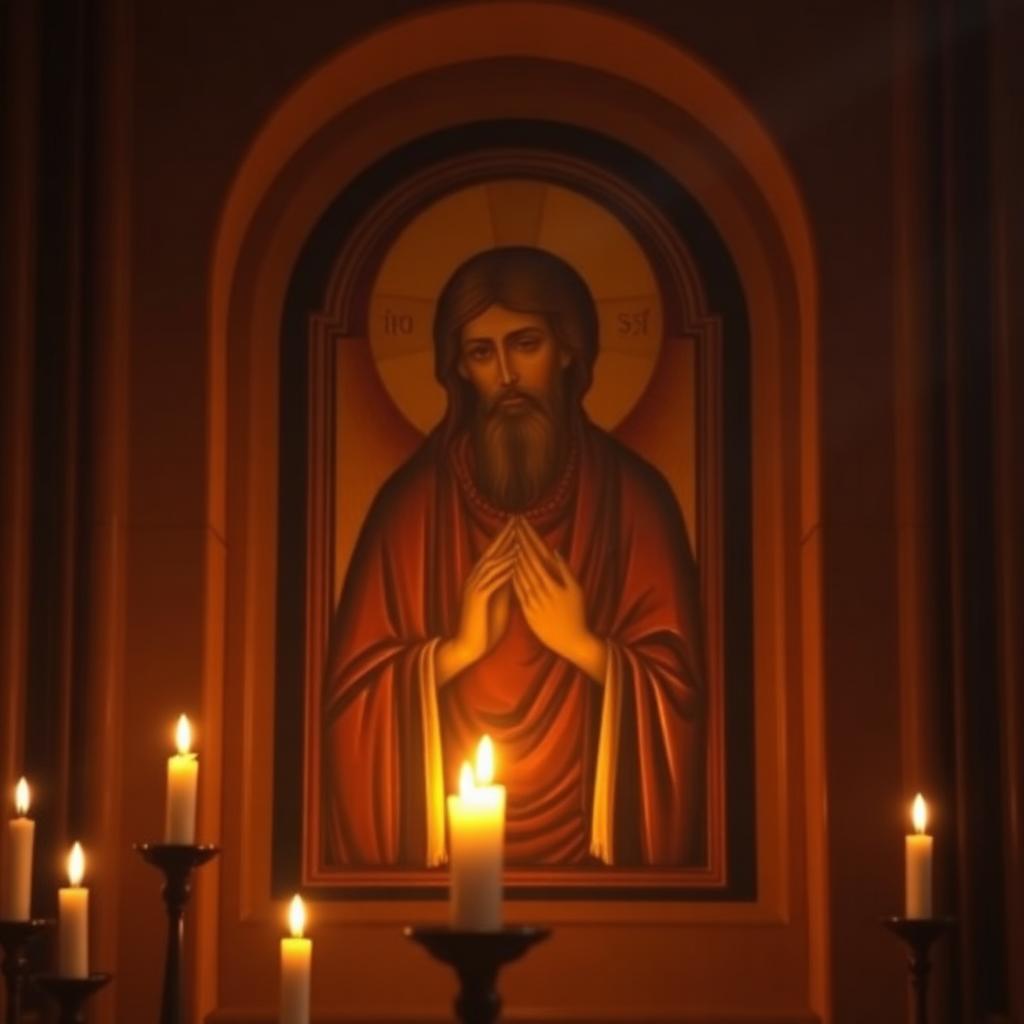
The contemplative lineage of Christianity, Meister Eckhart, Teresa of Ávila, John of the Cross.
- Curated companion
- Shared needs: meaning, grief, anxiety
- Similar practices: lectio, divina, reading

The early Christian ascetics of the Egyptian desert, silence, prayer, and inner work.
- Curated companion
- Shared needs: anxiety, meaning
- Similar practices: reading, short, hour, silence
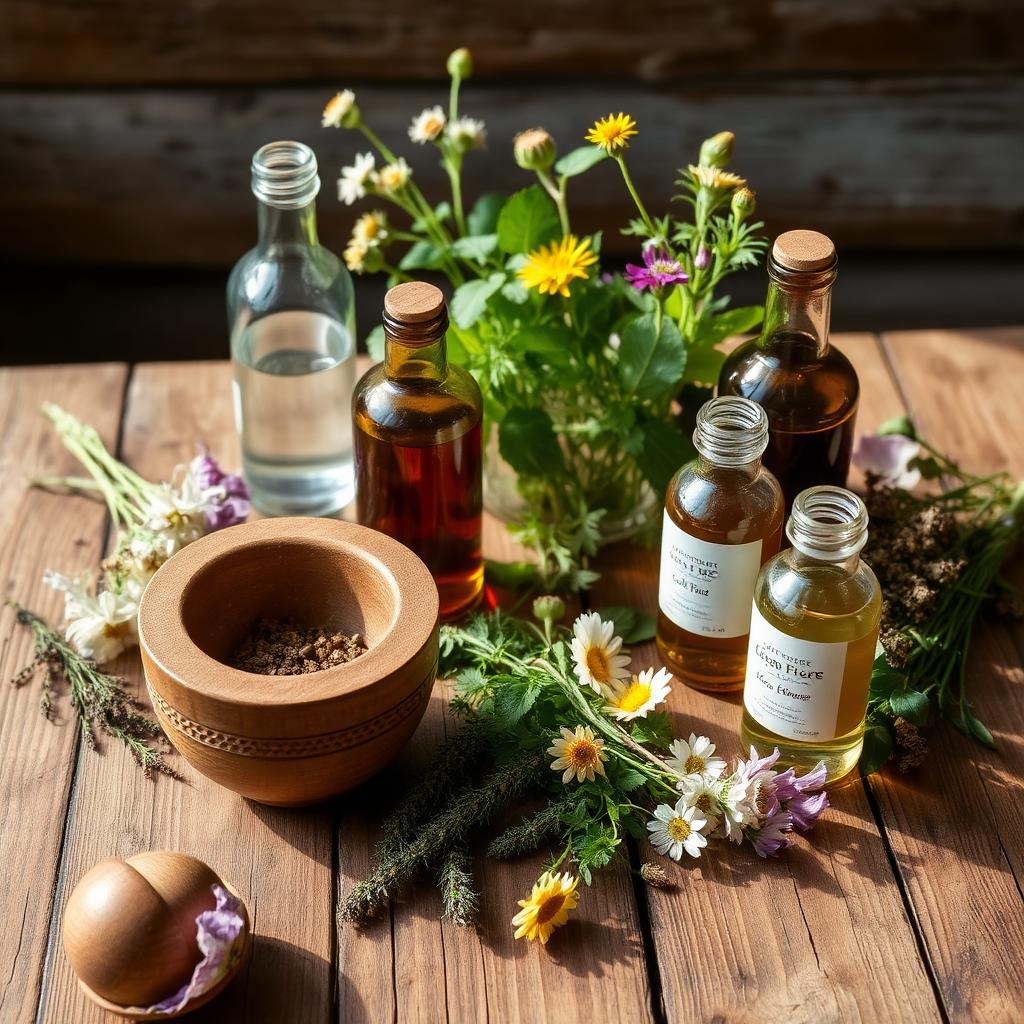
The village-level plant medicine of Europe, passed grandmother to grandchild.
- Curated companion
- Shared needs: anxiety
- Similar practices: growing, garden, daily

Greco-Roman practical philosophy for resilience, virtue, and equanimity, now studied in modern CBT.
- Shared needs: anxiety, grief, meaning
- Similar practices: short, daily
- Same region (Europe)
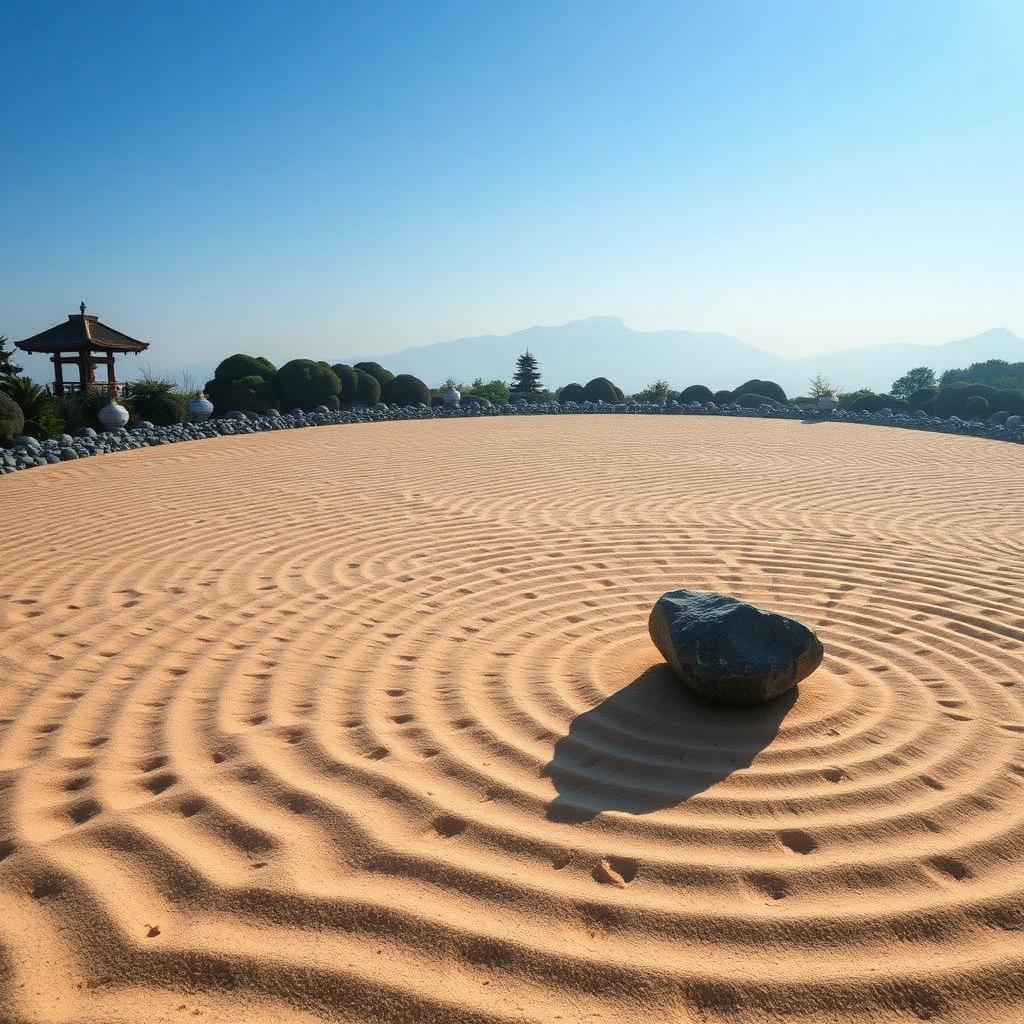
The Japanese Buddhist school of direct awakening through zazen (seated meditation).
- Shared needs: anxiety, meaning, grief
- Similar practices: daily, reading
- Same tradition type
The Socratic, Aristotelian, and Platonic examination of the good life, Western therapy's grandparent.
- Shared needs: meaning, anxiety, grief
- Similar practices: reading
- Same region (Europe)