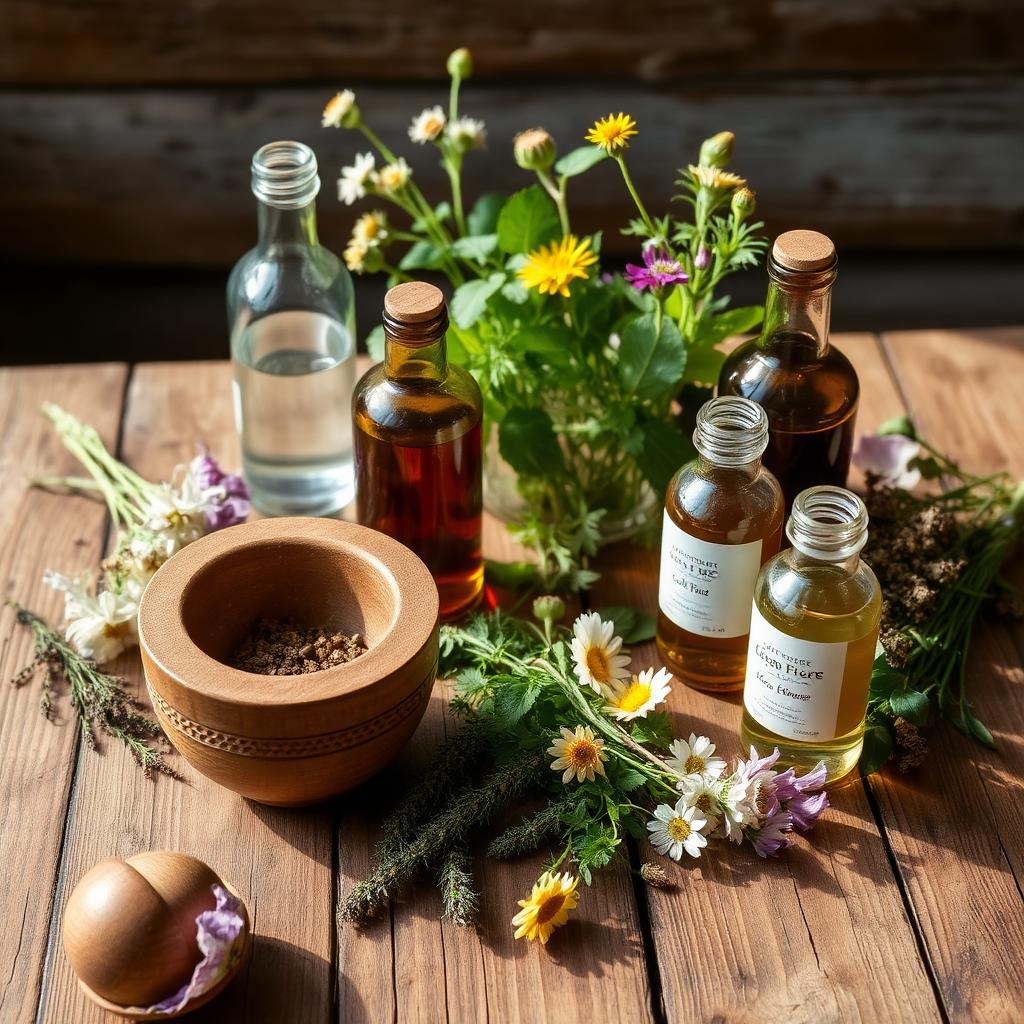
🌾European Folk Herbalism
The village-level plant medicine of Europe, passed grandmother to grandchild.
Imagery evoking European Folk Herbalism, The village-level plant medicine of Europe, passed grandmother to grandchild.
Symbolic imagery, generated with respect. No sacred ceremony or living person depicted.
European folk herbalism is the village-level medicine of the continent, passed grandmother to grandchild for centuries. It includes elderflower for fever, chamomile for sleep, nettle for iron, plantain for wounds, valerian for anxiety, and hundreds more. Much of it has been validated by modern pharmacology; much more remains local knowledge. It survived where 'wise women' were persecuted, and revives today through community herbalists.
Lineage: Village herbalists and wise women across Europe; modern teachers like Rosemary Gladstar and Susun Weed.
Books and community shares; classes $20, $150.
Estimates only. Many traditions offer sliding-scale, donation, or community access; sacred ceremonies are never for sale.
Distinguishing cultural belief, traditional practice, and evidence-supported effect where applicable.
Emotional
Growing, harvesting, and preparing your own medicine restores agency.
Spiritual
Working with plants slows the day and roots it in place.
Physical
Well-studied plant remedies for common conditions.
Areas of possible support, not guarantees or medical claims.
- Anyone wanting to know their local plants
- People wanting simple daily-life remedies
- Growing a small kitchen herb garden
- Learning ten local weeds by sight and use
- Making one tincture or salve per season
- Drinking a daily nourishing infusion (nettle, oatstraw)
What to know before exploring
Traditional practice
This is a living tradition carried through lineage and community. Its value is documented through generations of practitioners rather than clinical trials. Absence of Western studies is not absence of wisdom.
- Psychoactive plant or substance use. Some traditions include plants or brews that can alter consciousness, such as ayahuasca, peyote, iboga, kambo, psilocybin, cannabis, or datura. These can interact with medications (especially SSRIs and MAOIs), heart conditions, and other prescriptions, and may bring up strong physical or emotional responses. This is a space for extra care, preparation, and trained guidance.
- Herbal preparations and dosing. Herbs, tinctures, teas, and topical preparations can be gentle and powerful at the same time. They may interact with prescription medications or affect blood pressure, the liver, kidneys, or allergies. Quality and sourcing matter, so work with a knowledgeable practitioner and share your medication list.
- Financial and spiritual exploitation risk. Sacred traditions can attract people who charge steep fees or claim exclusive spiritual authority. Trustworthy teachers welcome questions, encourage outside support, and never pressure you to pay for more than you can afford.
- Pregnancy, breastfeeding, and fertility treatment. Several herbs, essential oils, deep-tissue techniques, extreme temperatures, and intense breath or plant-medicine practices are not recommended during pregnancy, breastfeeding, or IVF cycles. Disclose your status and ask for a practitioner with prenatal training.
- Prescription medication interactions. Bring a full medication list to your practitioner and pharmacist. Some common combinations need extra care, such as SSRIs and MAOIs with ayahuasca or St. John's wort, blood thinners with garlic or ginkgo, and immunosuppressants with many herbs. Your care team can help you navigate this.
This information is shared as general education, not medical advice. The safest path is to share your full health story and current medications with both the practitioner and your regular healthcare provider before beginning something new.
Which plants grow within 100 feet of my door, and can I name them?
What would knowing one weed teach me about my own body?
Written in the spirit of this tradition, held as invitations, not instructions. Take what serves your reflection.
What everyday ache would I like to greet with something living, not synthetic?
Which plant do I already have a quiet relationship with?
Who in my family knew the names of the plants where they grew up?
Traditions that share needs, practices, or cultural context with this one. Explore with respect for each lineage's origins.
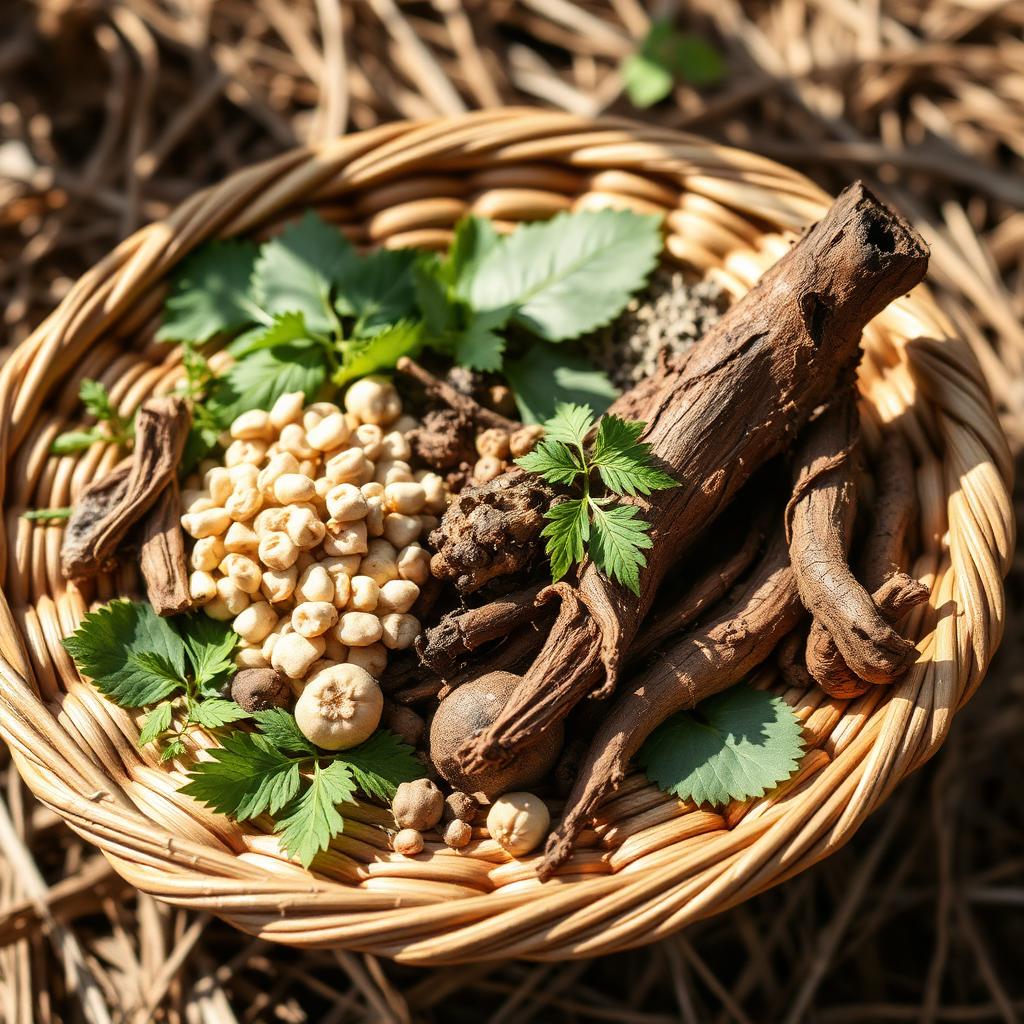
The vast pharmacopeia of plants used across the African continent, many now studied by modern pharmacology.
- Curated companion
- Shared needs: immunity, skin, digestion
- Same tradition type
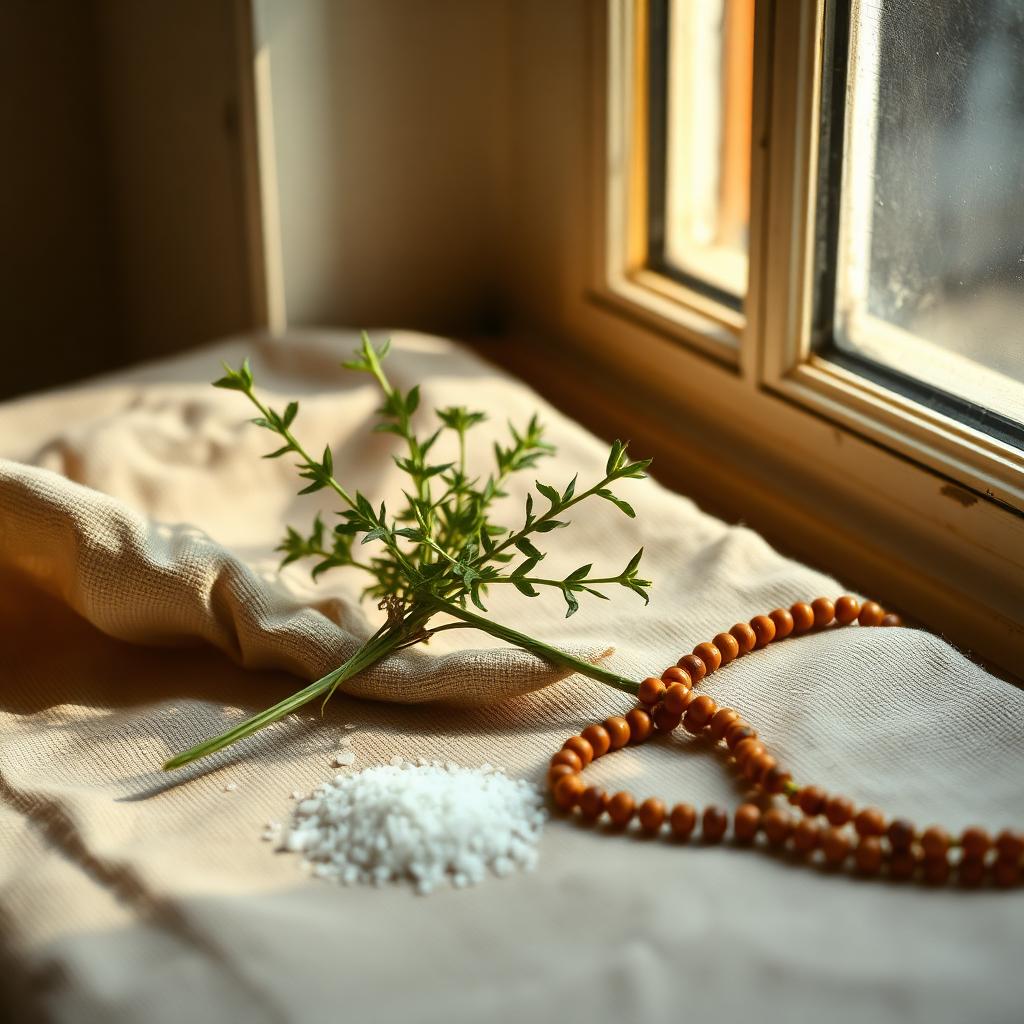
Village prayer-healers of Portugal blessing away fear, worm, and evil eye.
- Curated companion
- Shared needs: anxiety
- Similar practices: learning, small
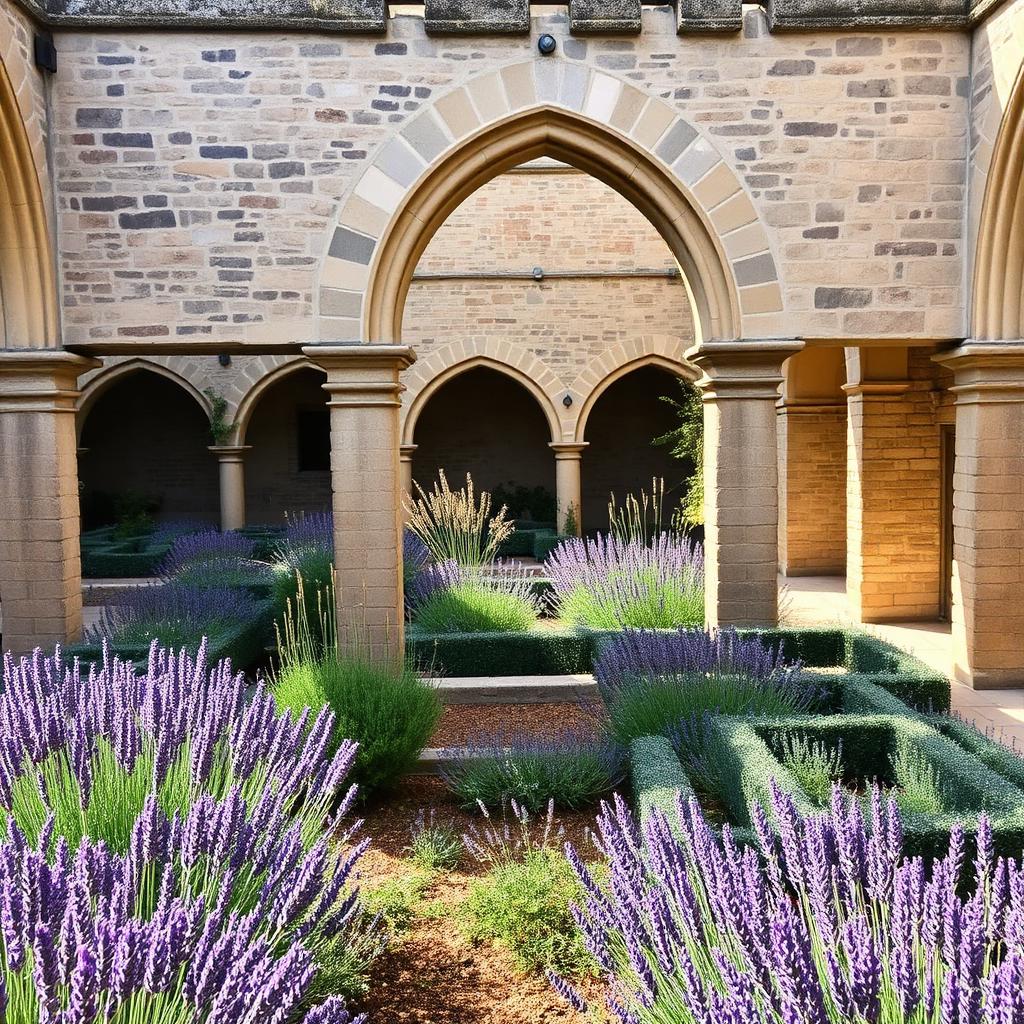
The healing gardens, herbals, and rule of life of Christian monastic communities.
- Curated companion
- Shared needs: anxiety
- Similar practices: daily, growing, garden
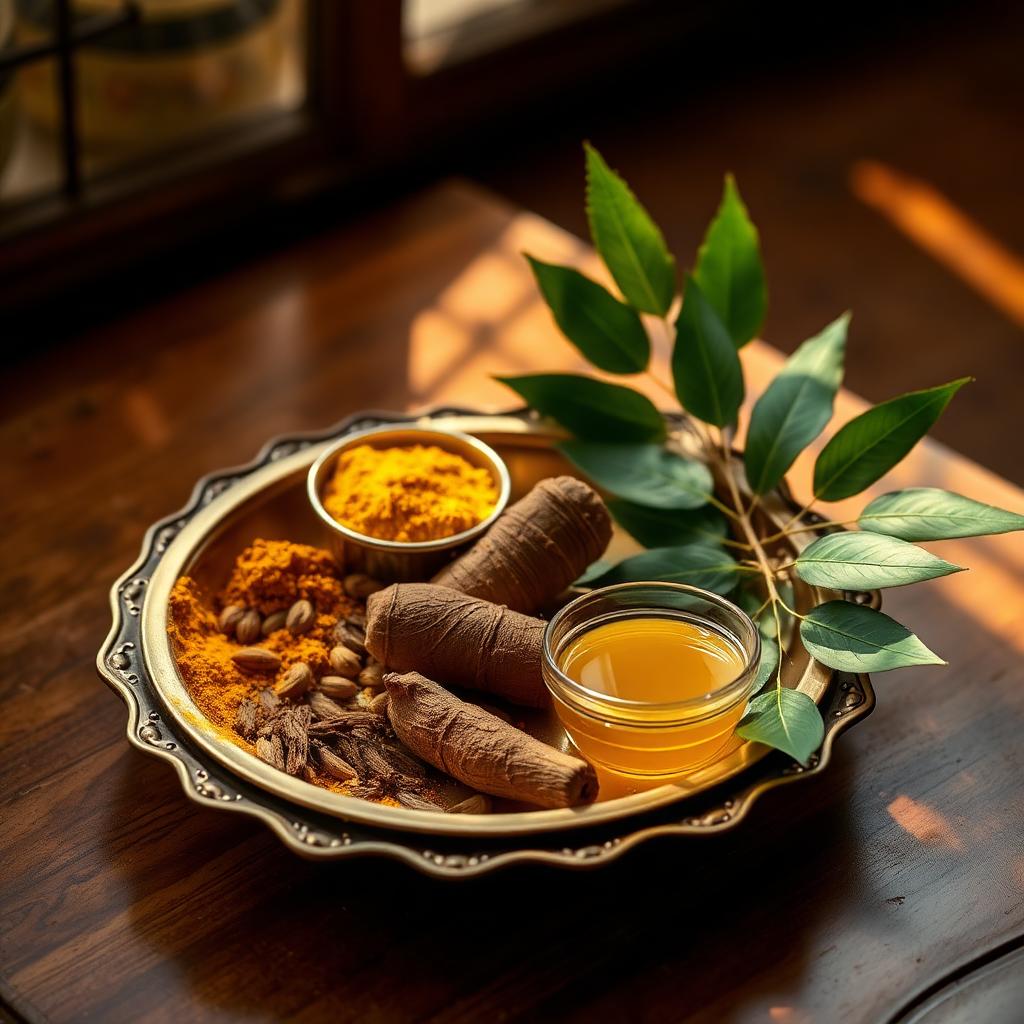
The 5,000-year-old 'science of life' from India, dosha, rhythm, and elemental balance.
- Shared needs: digestion, skin, immunity
- Similar practices: daily, season
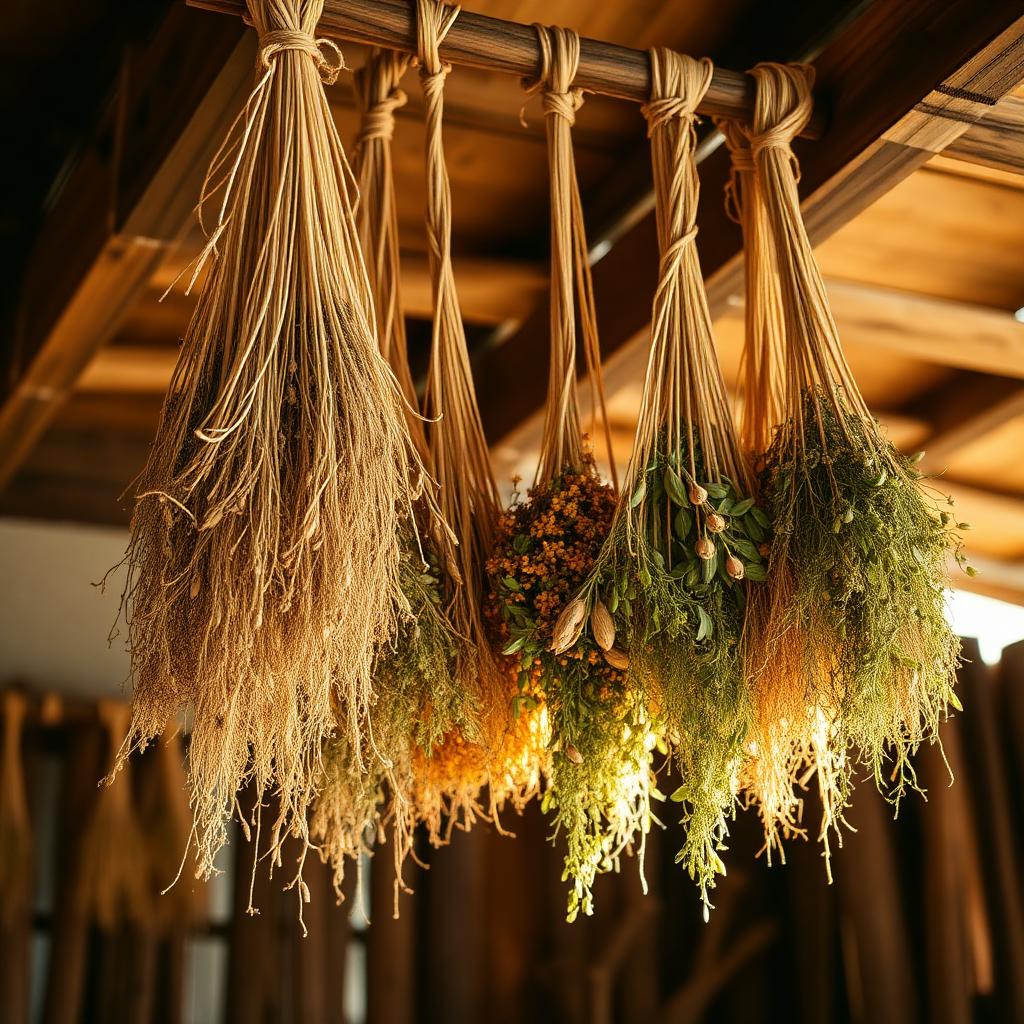
The plant-focused Southern African healer working with muthi, roots, bark, and bushland pharmacopeia.
- Shared needs: skin, immunity, digestion
- Same tradition type
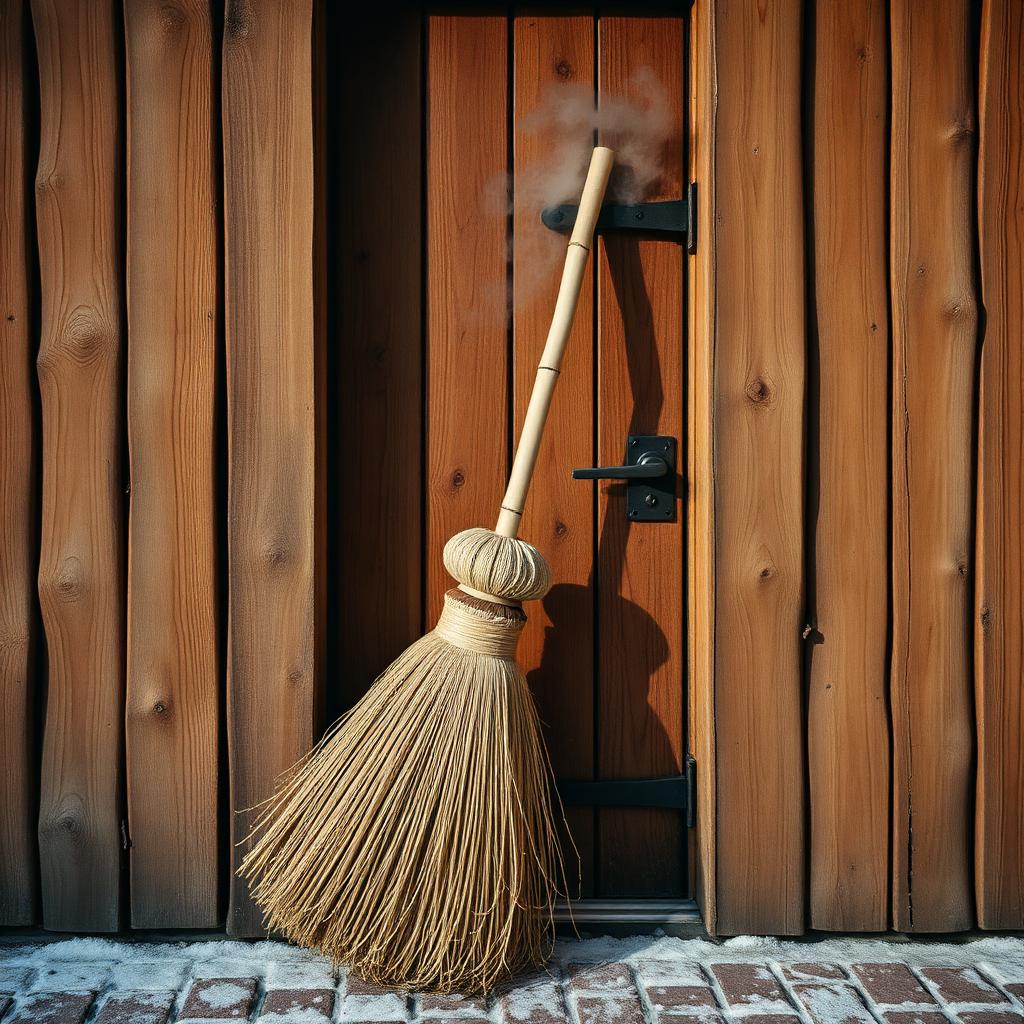
The steam-bath ritual of hot vapor, birch venik, and cold plunge as weekly reset.
- Shared needs: rest, skin
- Same region (Europe)