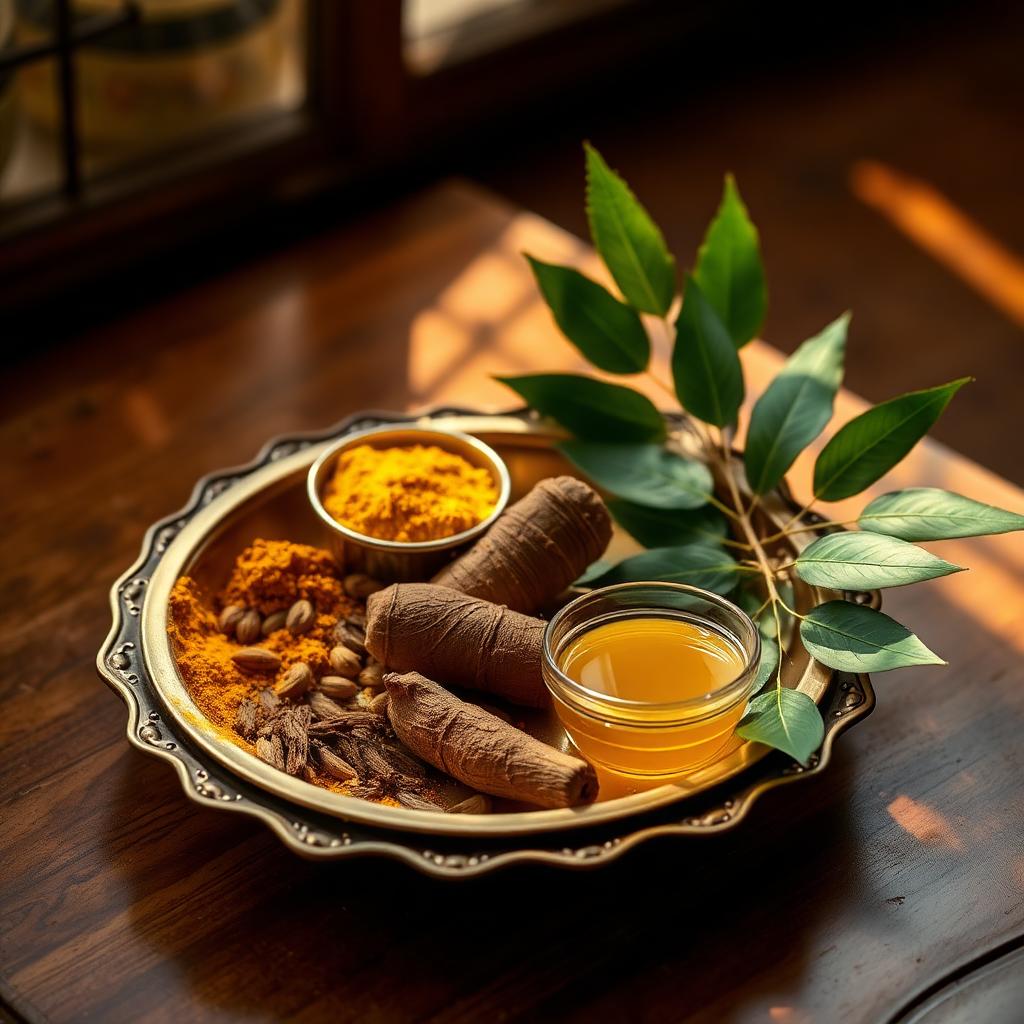
🕉️Ayurveda
The 5,000-year-old 'science of life' from India, dosha, rhythm, and elemental balance.
Imagery evoking Ayurveda, The 5,000-year-old 'science of life' from India, dosha, rhythm, and elemental balance.
Symbolic imagery, generated with respect. No sacred ceremony or living person depicted.
Ayurveda is a 5,000-year-old medical system of India, systematized in the Charaka Samhita and Sushruta Samhita. It reads each person as a unique blend of three doshas (Vata, Pitta, Kapha) and prescribes diet, herbs, oil massage (abhyanga), seasonal cleansing (panchakarma), and daily rhythm (dinacharya) to keep balance. It is a licensed medical system in India and increasingly studied worldwide.
Lineage: Charaka, Sushruta, Vagbhata, and an unbroken lineage of vaidyas (Ayurvedic physicians).
Consultations $75, $250; panchakarma programs $2,000, $8,000+.
Estimates only. Many traditions offer sliding-scale, donation, or community access; sacred ceremonies are never for sale.
Distinguishing cultural belief, traditional practice, and evidence-supported effect where applicable.
Emotional
Names emotional patterns as doshic tendencies rather than personal failings, which loosens shame.
Psychological
The dosha framework gives nuanced language for temperament, mood, and cognitive style.
Spiritual
Rooted in the Vedic understanding of the human as a microcosm of the elements.
Community
Traditionally practiced within family and village, with recipes and remedies handed down.
Physical
Individualized herbal, dietary, and lifestyle protocols; many herbs are pharmacologically studied.
Nervous system
Warm oil abhyanga, nasya oils, and shirodhara down-regulate a Vata-aggravated nervous system.
Areas of possible support, not guarantees or medical claims.
- People of South Asian descent reconnecting with ancestral medicine
- Anyone with chronic digestive, sleep, or skin issues seeking a whole-system frame
- Those wanting a daily rhythm (dinacharya) rather than another supplement
- Determining your dosha with a qualified practitioner
- Daily oil self-massage (abhyanga)
- Warm, cooked foods appropriate to your dosha and the season
- Tongue scraping and oil pulling on waking
- Panchakarma cleanse under supervision
What to know before exploring
Mixed evidence
Some components have research support, while others rest on centuries of lived experience and cultural knowledge that has not been formally studied. Read outcomes as suggestive, not proven, and trust the tradition's own ways of knowing.
- Herbal preparations and dosing. Herbs, tinctures, teas, and topical preparations can be gentle and powerful at the same time. They may interact with prescription medications or affect blood pressure, the liver, kidneys, or allergies. Quality and sourcing matter, so work with a knowledgeable practitioner and share your medication list.
- Fasting or restrictive diet. Fasts, cleanses, and prescribed diets can be meaningful, but they can also cause dizziness, low blood sugar, or electrolyte imbalance. They are best approached with care if you are pregnant, have diabetes, an eating-disorder history, or take medications that require food.
- Pregnancy, breastfeeding, and fertility treatment. Several herbs, essential oils, deep-tissue techniques, extreme temperatures, and intense breath or plant-medicine practices are not recommended during pregnancy, breastfeeding, or IVF cycles. Disclose your status and ask for a practitioner with prenatal training.
- Prescription medication interactions. Bring a full medication list to your practitioner and pharmacist. Some common combinations need extra care, such as SSRIs and MAOIs with ayahuasca or St. John's wort, blood thinners with garlic or ginkgo, and immunosuppressants with many herbs. Your care team can help you navigate this.
This information is shared as general education, not medical advice. The safest path is to share your full health story and current medications with both the practitioner and your regular healthcare provider before beginning something new.
Which dosha is currently out of balance in me?
What in my daily rhythm most needs to change?
Which season is my body still living in, whether or not the calendar agrees?
Written in the spirit of this tradition, held as invitations, not instructions. Take what serves your reflection.
Which of my moods rise with the season, the time of day, or what I ate?
Where in my life am I out of rhythm with the natural world?
Who around me is a steady presence when my inner weather turns?
Engaging with respect
Learn from an Ayurvedic doctor (BAMS) or trained practitioner; be cautious with heavy metal-containing preparations from unregulated sources.
Traditions that share needs, practices, or cultural context with this one. Explore with respect for each lineage's origins.
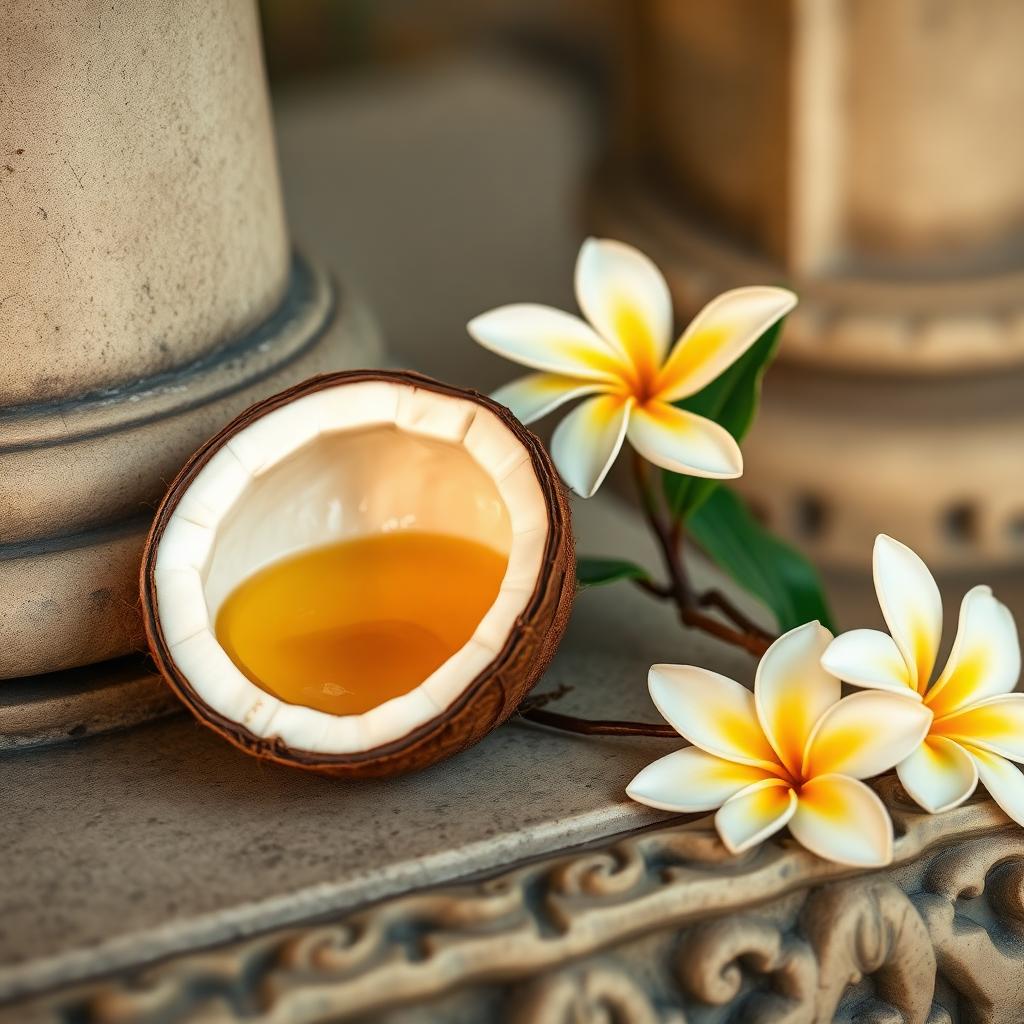
Sri Lanka's Indigenous branch of Ayurveda, its own herbs, oils, and ola-leaf lineage.
- Curated companion
- Shared needs: skin, digestion
- Similar practices: panchakarma, daily
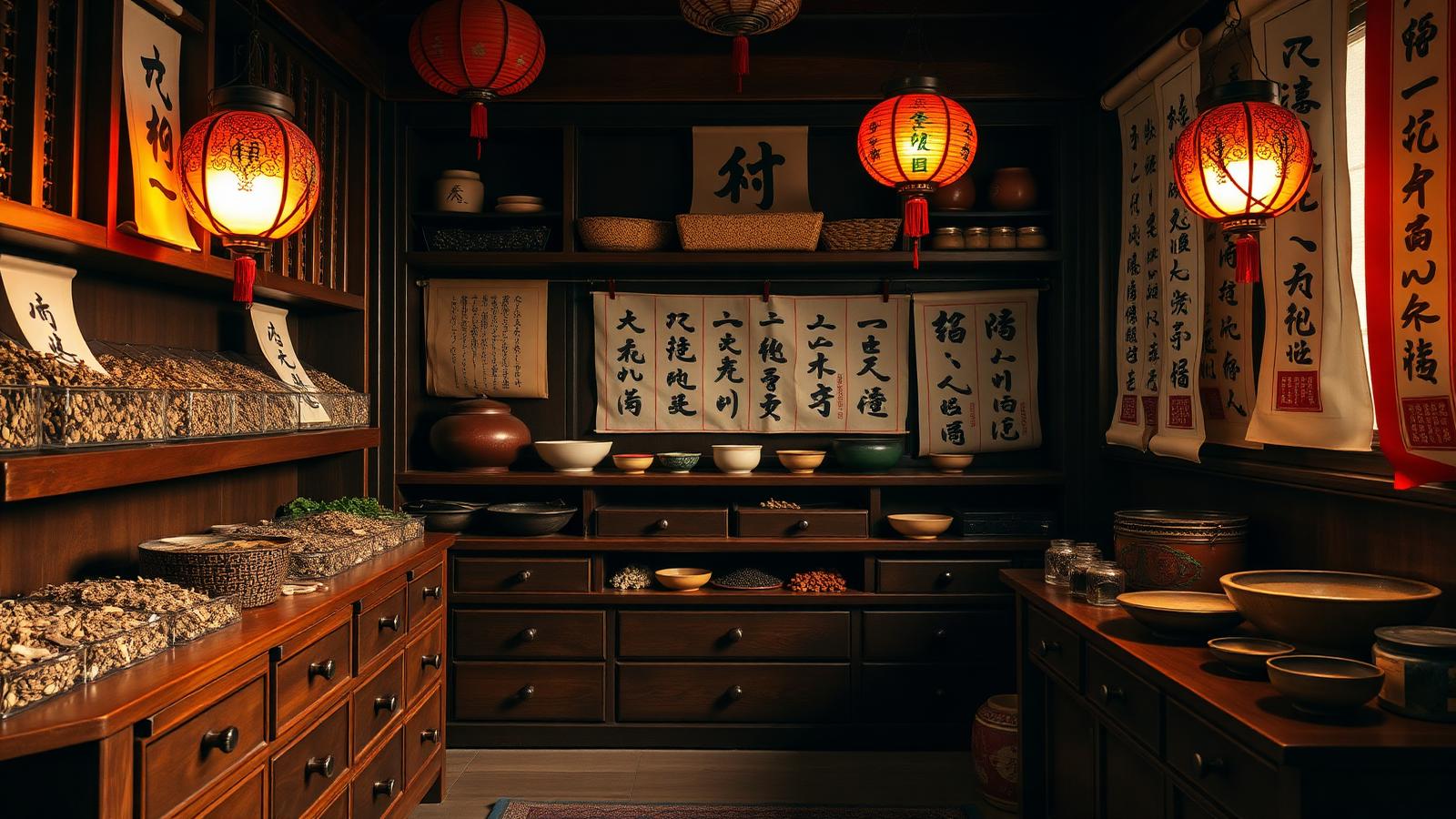
A 2,500-year-old system reading the person as a landscape of qi, organs, seasons, and elements.
- Curated companion
- Shared needs: sleep, digestion
- Similar practices: season
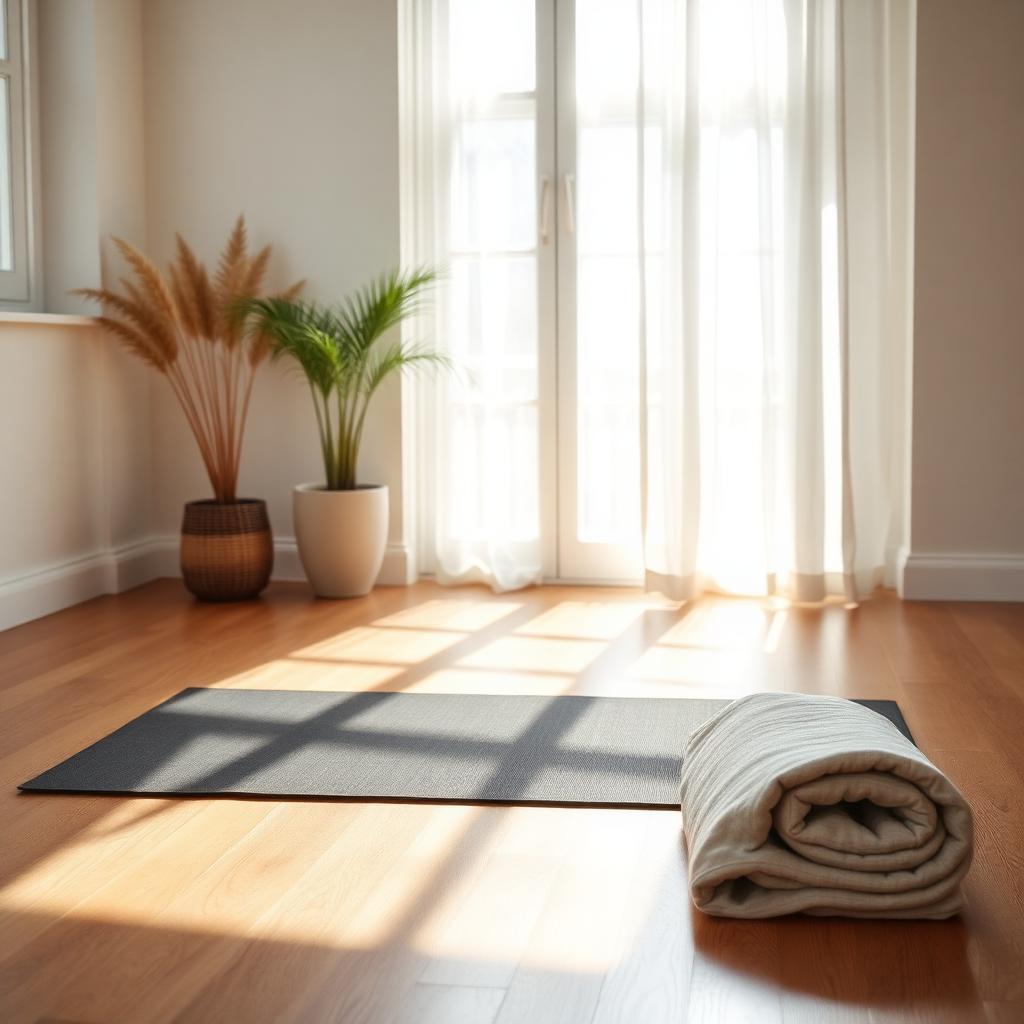
The eight-limbed path from India, posture, breath, ethics, and meditation as one whole.
- Curated companion
- Similar practices: daily
- Same region (Asia)
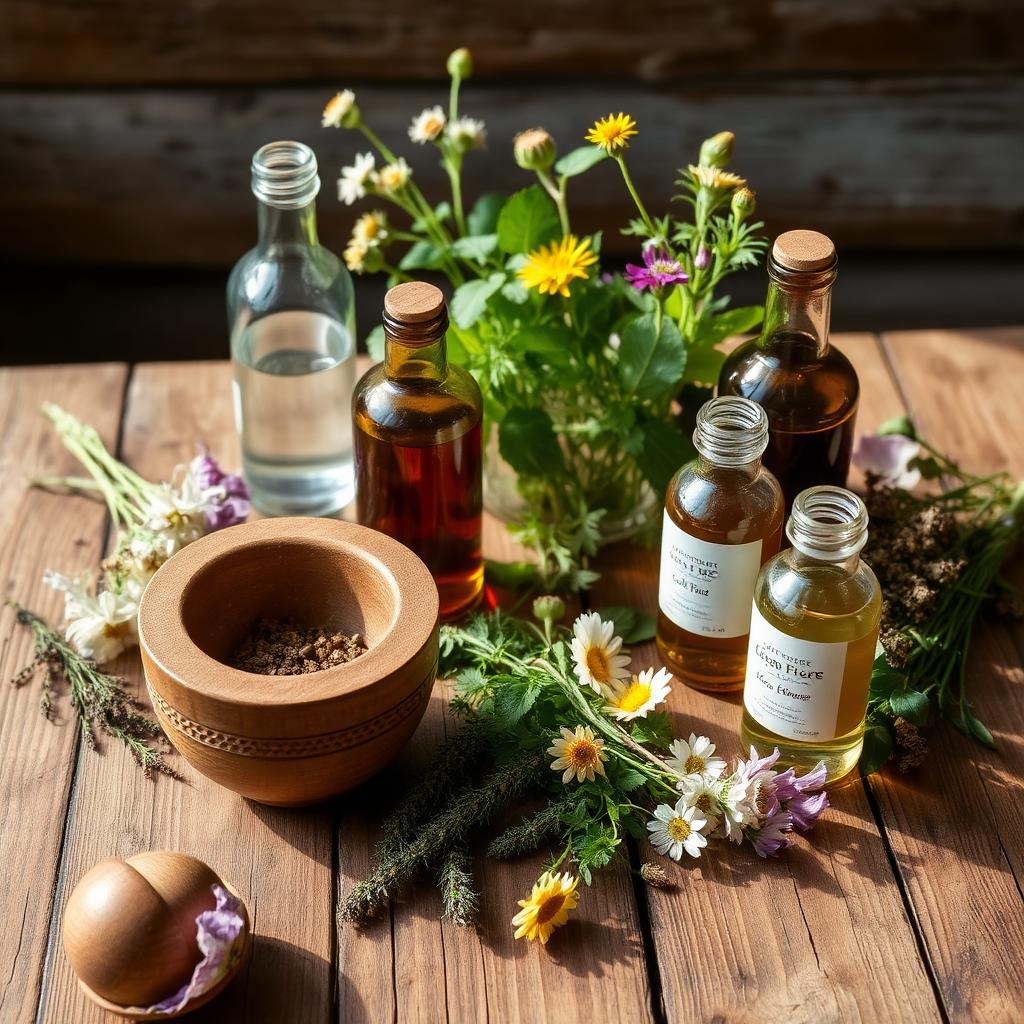
The village-level plant medicine of Europe, passed grandmother to grandchild.
- Shared needs: immunity, skin, digestion
- Similar practices: season, daily
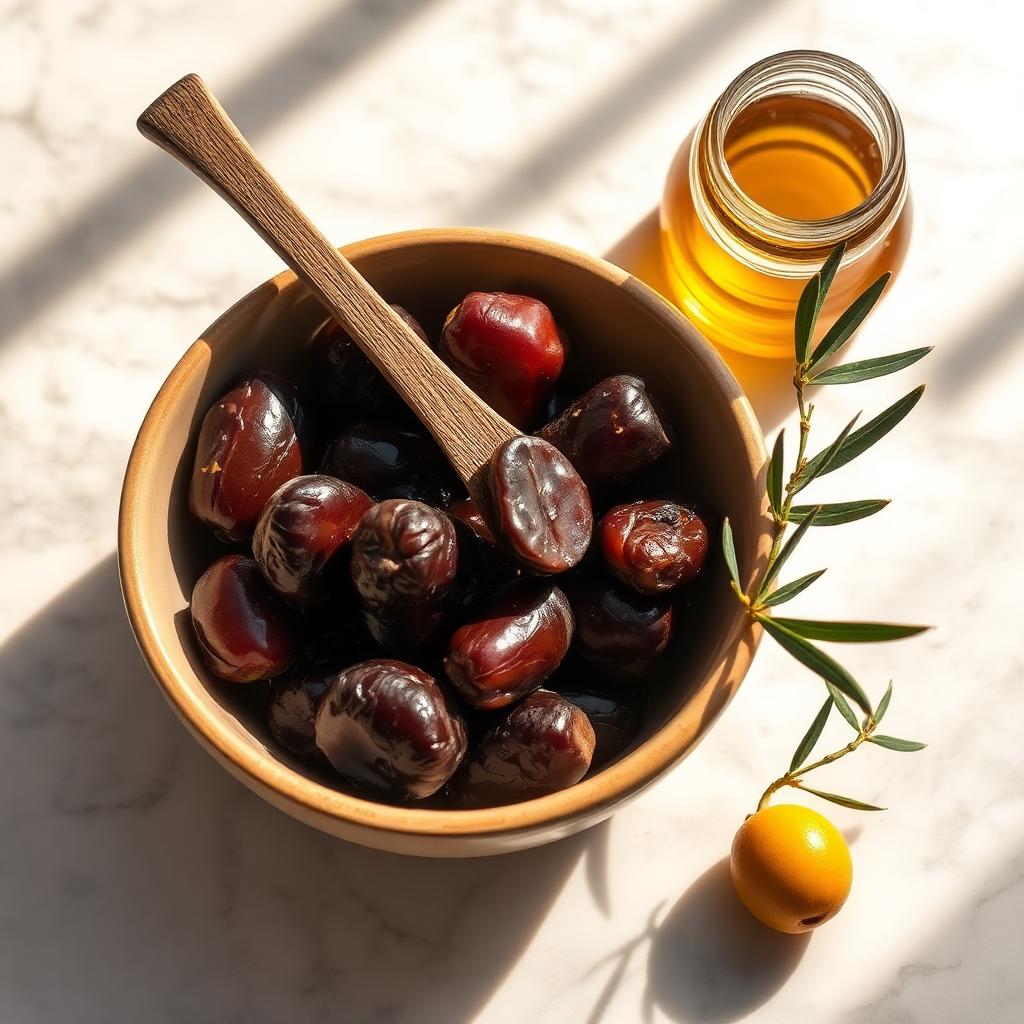
Health guidance drawn from the sayings and practice of the Prophet Muhammad ﷺ.
- Shared needs: immunity, digestion, sleep
- Similar practices: practitioner
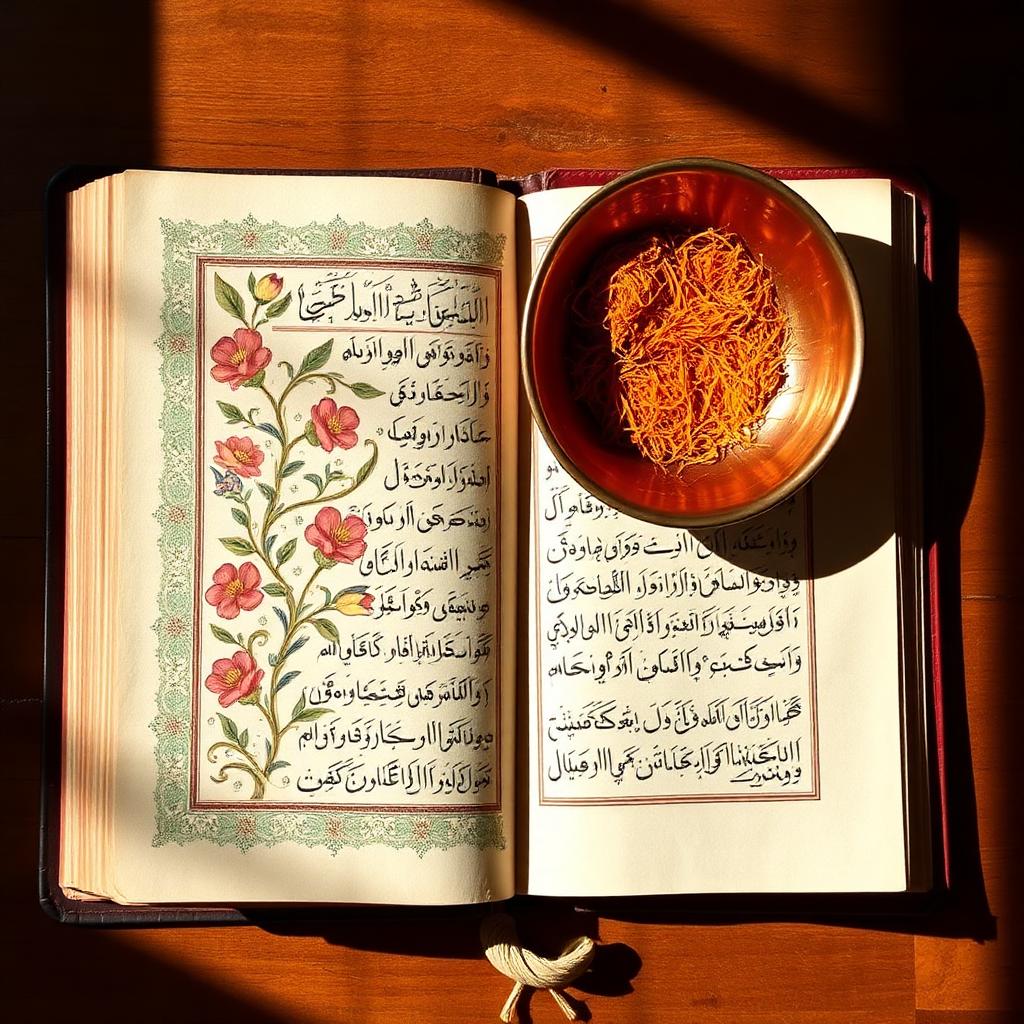
The long medical tradition of Persia, refined by Avicenna and shaping medicine east and west.
- Shared needs: sleep, skin
- Similar practices: determining, daily
- Same tradition type