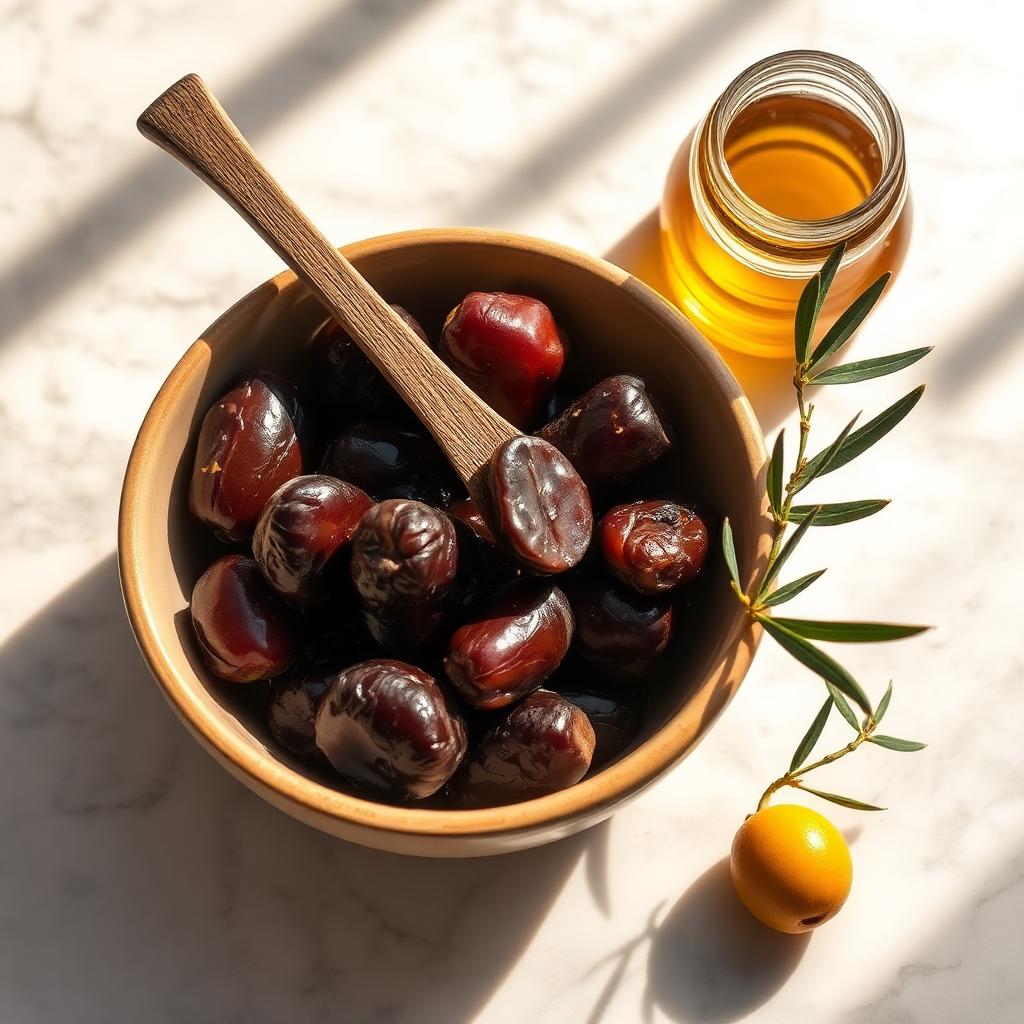
🌿Prophetic Medicine (al-Tibb al-Nabawi)
Health guidance drawn from the sayings and practice of the Prophet Muhammad ﷺ.
Imagery evoking Prophetic Medicine (al-Tibb al-Nabawi), Health guidance drawn from the sayings and practice of the Prophet Muhammad ﷺ.
Symbolic imagery, generated with respect. No sacred ceremony or living person depicted.
Al-Tibb al-Nabawi (Prophetic Medicine) is health guidance drawn from the sayings (hadith) and practice of the Prophet Muhammad ﷺ. It includes recommendations for foods (dates, honey, olive oil, black seed / nigella sativa), hygiene, sleep patterns, cupping (hijama), and prayer. Ibn al-Qayyim al-Jawziyya compiled the classical text (14th century). Many recommendations have found some modern scientific support.
Lineage: Prophet Muhammad ﷺ; compiled by ibn al-Qayyim and others.
Community-based; herbs and cupping $20, $80.
Estimates only. Many traditions offer sliding-scale, donation, or community access; sacred ceremonies are never for sale.
Distinguishing cultural belief, traditional practice, and evidence-supported effect where applicable.
Psychological
Ruqya (Qur'anic recitation) is used for anxiety and distress.
Spiritual
Health is understood as care of a trust (amana) from God.
Physical
Many recommended foods (nigella, honey, dates, olive oil) have documented benefits.
Areas of possible support, not guarantees or medical claims.
- Muslims wanting an integrated body-and-faith approach
- Those interested in traditional Middle Eastern medicine
- Eating dates and drinking water to break fast
- Regular use of nigella seed (habba sawda) and olive oil
- Hijama (cupping) with a trained practitioner
- Ruqya (Qur'anic recitation) for spiritual distress
What to know before exploring
Mixed evidence
Some components have research support, while others rest on centuries of lived experience and cultural knowledge that has not been formally studied. Read outcomes as suggestive, not proven, and trust the tradition's own ways of knowing.
- Herbal preparations and dosing. Herbs, tinctures, teas, and topical preparations can be gentle and powerful at the same time. They may interact with prescription medications or affect blood pressure, the liver, kidneys, or allergies. Quality and sourcing matter, so work with a knowledgeable practitioner and share your medication list.
- Fasting or restrictive diet. Fasts, cleanses, and prescribed diets can be meaningful, but they can also cause dizziness, low blood sugar, or electrolyte imbalance. They are best approached with care if you are pregnant, have diabetes, an eating-disorder history, or take medications that require food.
- Deep or invasive bodywork. Needles, cupping, moxibustion, deep tissue pressure, spinal manipulation, and abdominal work can leave marks or cause discomfort if done without care. Choose practitioners with clear training and clean, single-use or properly sterilized tools.
- Trance, possession, and altered states. Drumming, dance, and possession-based ceremonies can open non-ordinary states that feel profound but may be destabilizing for people with a personal or family history of psychosis, bipolar, dissociation, or acute trauma. Go slowly and honestly, with trustworthy support.
- Financial and spiritual exploitation risk. Sacred traditions can attract people who charge steep fees or claim exclusive spiritual authority. Trustworthy teachers welcome questions, encourage outside support, and never pressure you to pay for more than you can afford.
- Cultural appropriation and closed practices. Elements of this tradition may be reserved for initiated practitioners or community members. Approach as a respectful learner, not a consumer, and never present the practice as your own.
- Pregnancy, breastfeeding, and fertility treatment. Several herbs, essential oils, deep-tissue techniques, extreme temperatures, and intense breath or plant-medicine practices are not recommended during pregnancy, breastfeeding, or IVF cycles. Disclose your status and ask for a practitioner with prenatal training.
- Bleeding disorders and blood thinners. Practices that pierce or bruise the skin can cause prolonged bleeding or large bruises if you have hemophilia, low platelets, or take anticoagulants such as warfarin, apixaban, or high-dose aspirin. Let your practitioner know before you begin.
- Skin infections and immune suppression. Any practice that breaks the skin requires clean, single-use tools. If you are immunocompromised, in cancer treatment, or have active skin infection, it is wise to delay these practices or choose non-invasive alternatives.
This information is shared as general education, not medical advice. The safest path is to share your full health story and current medications with both the practitioner and your regular healthcare provider before beginning something new.
How is caring for my body an act of worship?
Which sunnah of health is missing from my week?
Written in the spirit of this tradition, held as invitations, not instructions. Take what serves your reflection.
What simple prophetic guidance, sleep, water, moderation, would tend me today?
Where might sabr (patient endurance) be the medicine, not the obstacle?
Whose ummah, whose community, holds me in prayer even when I feel alone?
Traditions that share needs, practices, or cultural context with this one. Explore with respect for each lineage's origins.
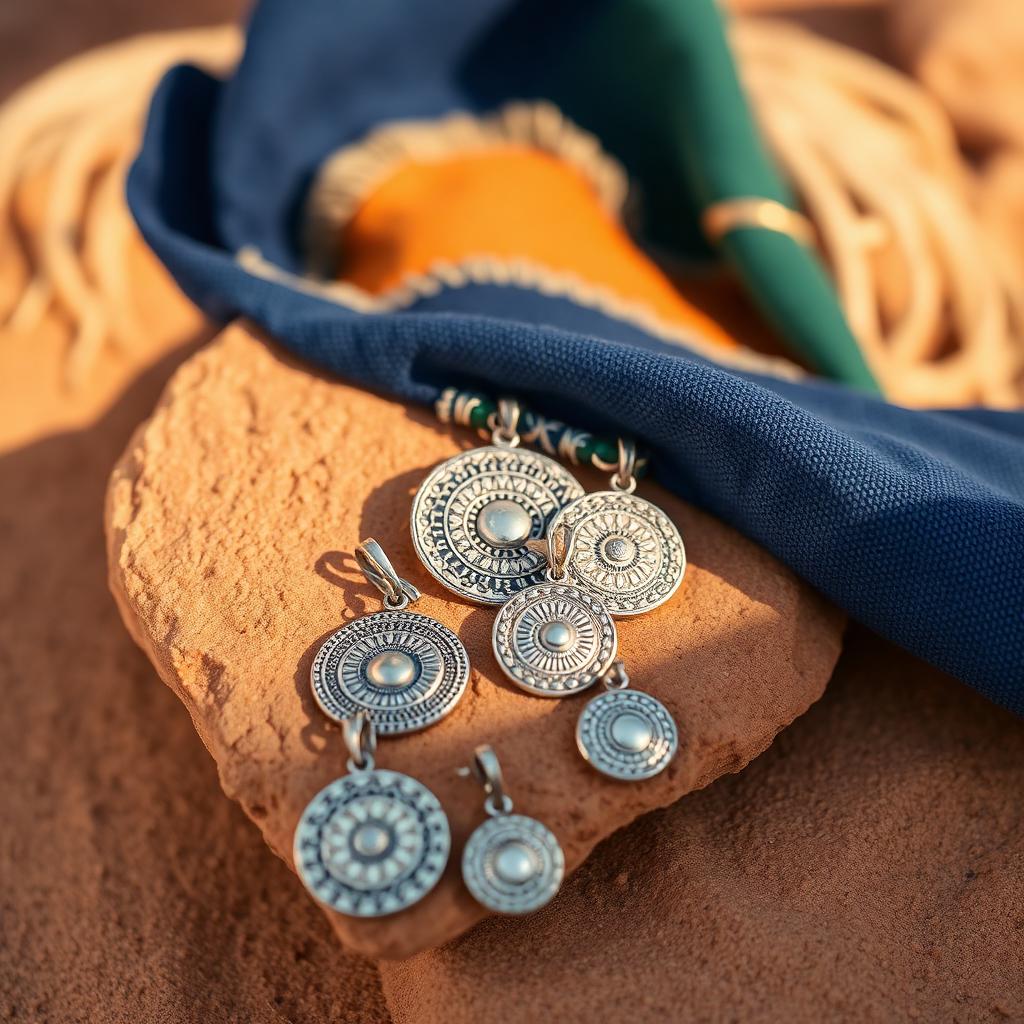
The mountain and desert medicine of the Amazigh peoples of North Africa.
- Curated companion
- Similar practices: nigella, habba, sawda
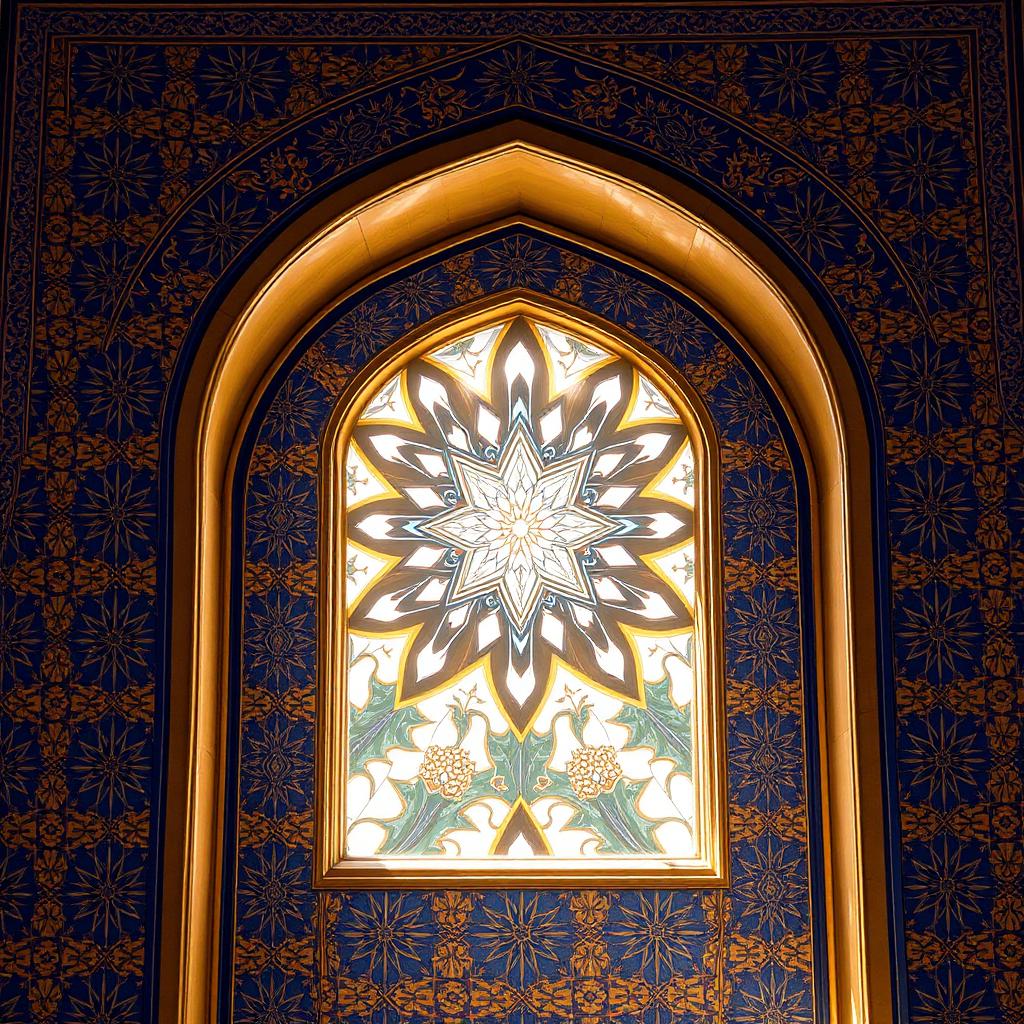
The rich Islamic tradition of understanding the soul, its states, and its refinement.
- Curated companion
- Same region (Middle East)
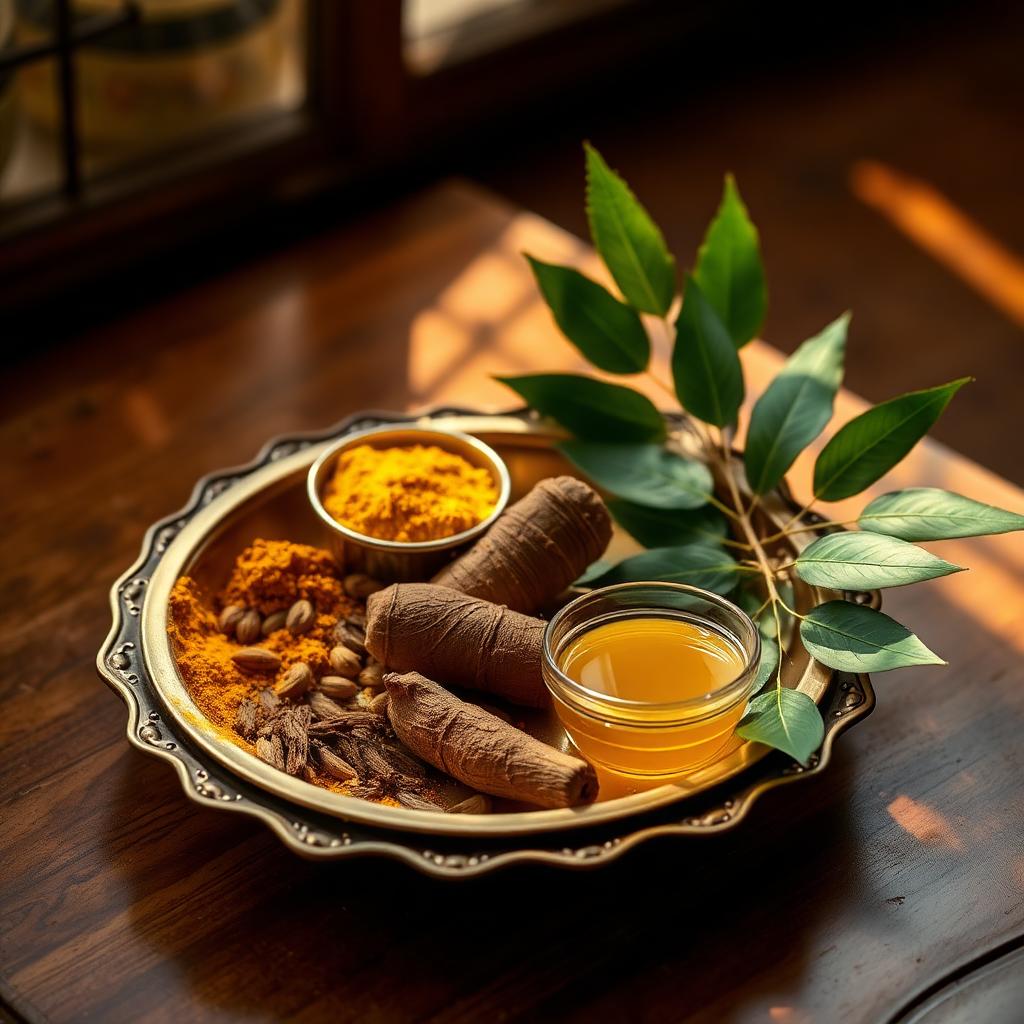
The 5,000-year-old 'science of life' from India, dosha, rhythm, and elemental balance.
- Shared needs: digestion, sleep, immunity
- Similar practices: practitioner
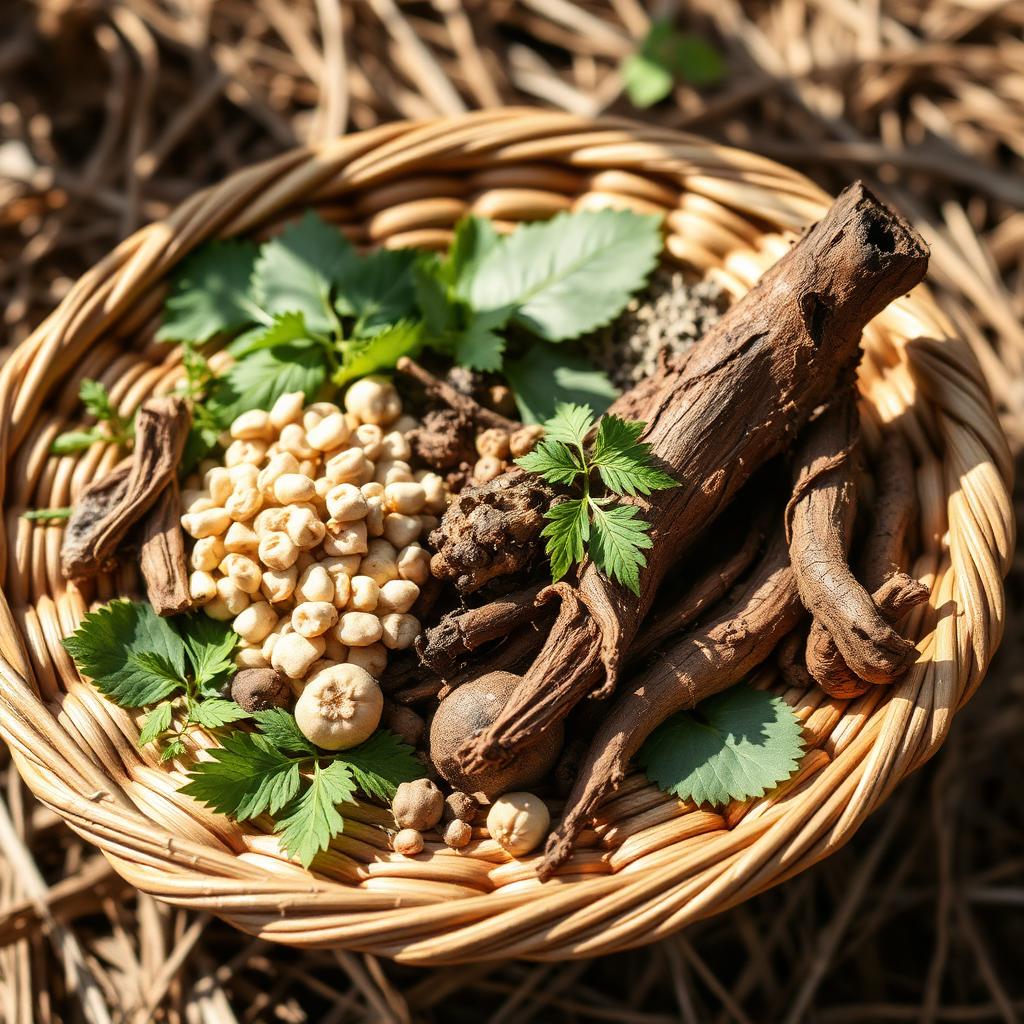
The vast pharmacopeia of plants used across the African continent, many now studied by modern pharmacology.
- Shared needs: physical health, immunity, digestion
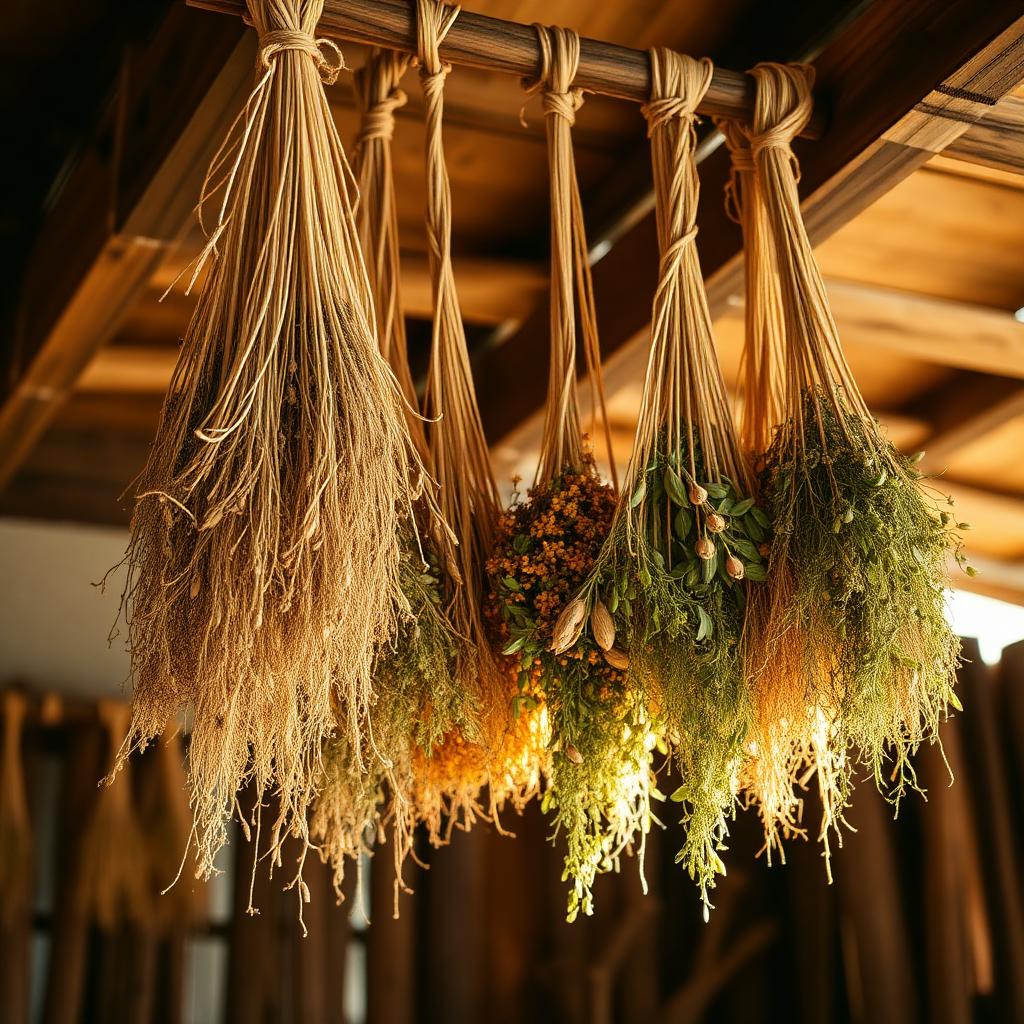
The plant-focused Southern African healer working with muthi, roots, bark, and bushland pharmacopeia.
- Shared needs: physical health, immunity, digestion
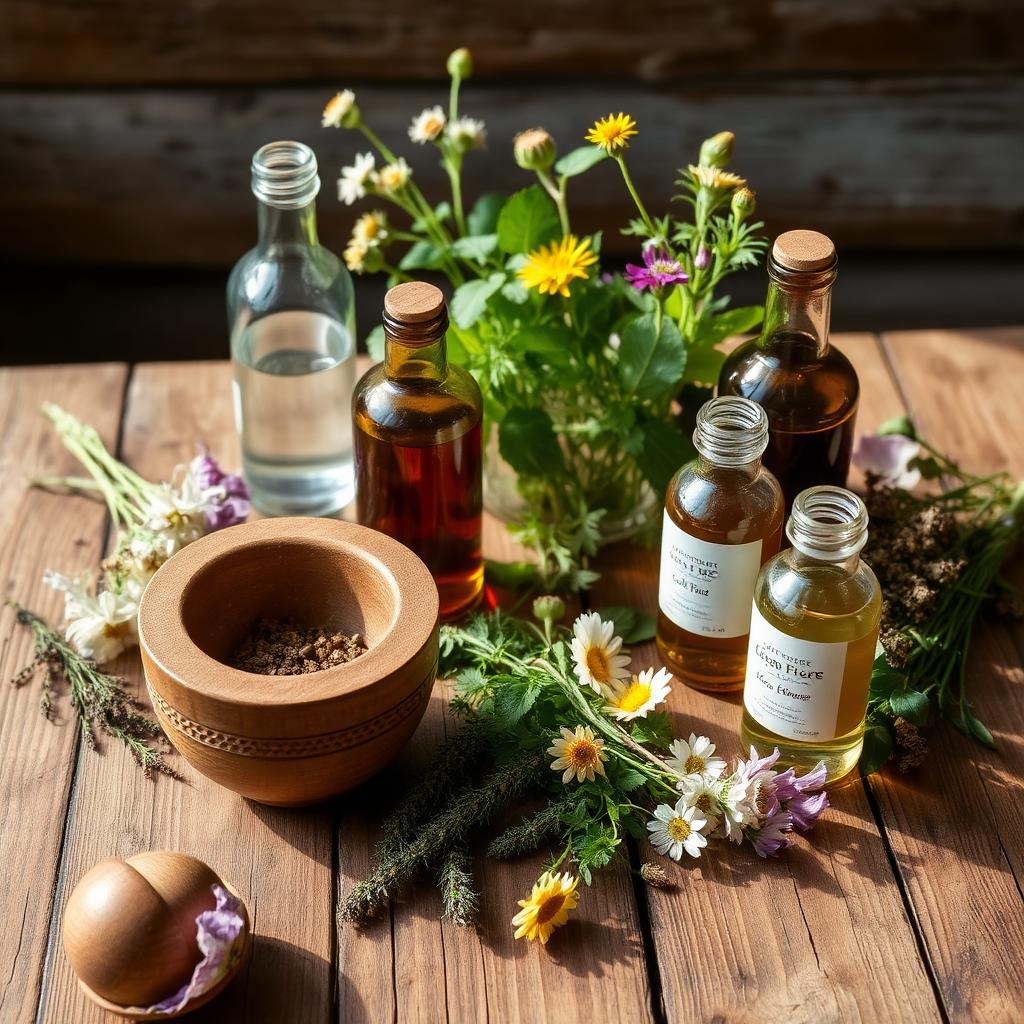
The village-level plant medicine of Europe, passed grandmother to grandchild.
- Shared needs: immunity, digestion
- Similar practices: drinking