☪️Islamic Spiritual Psychology (ʿIlm al-Nafs)
The rich Islamic tradition of understanding the soul, its states, and its refinement.
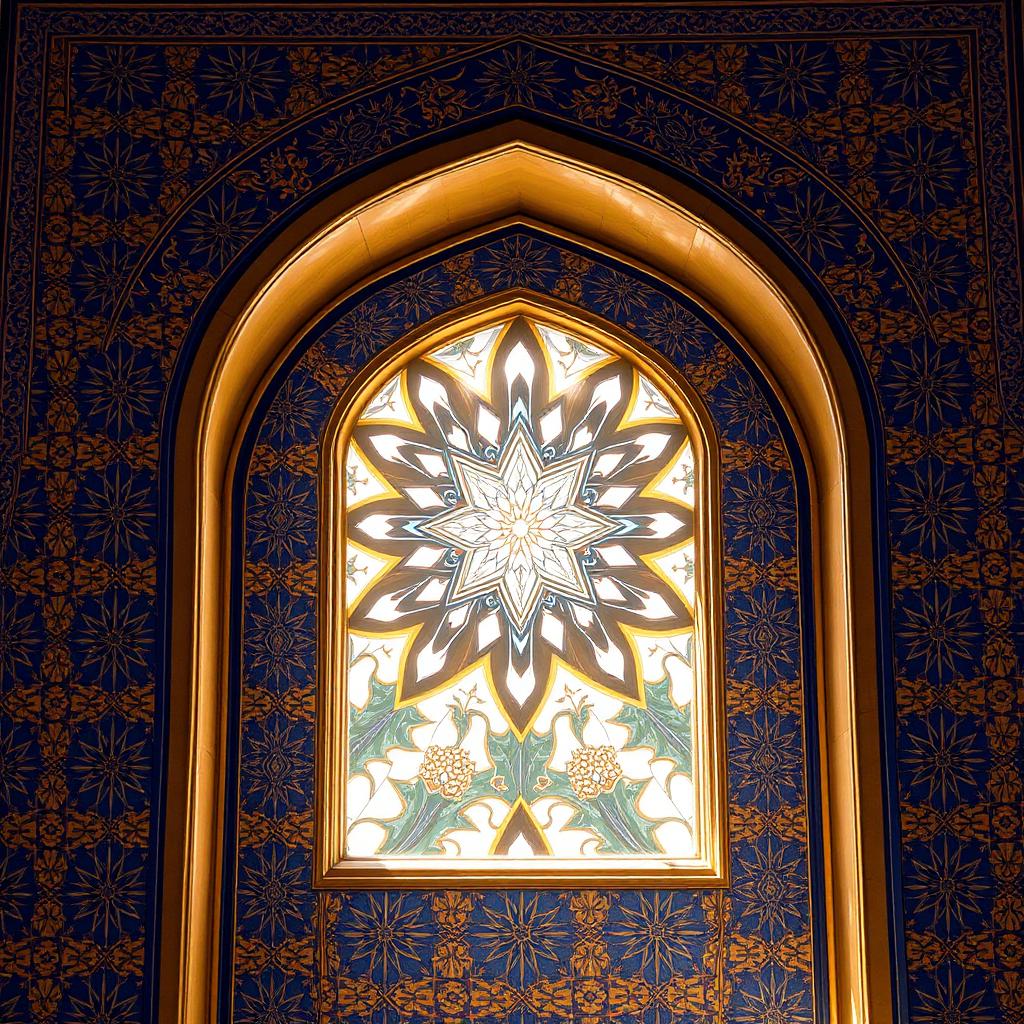
Imagery evoking Islamic Spiritual Psychology (ʿIlm al-Nafs), The rich Islamic tradition of understanding the soul, its states, and its refinement.
Symbolic imagery, generated with respect. No sacred ceremony or living person depicted.
ʿIlm al-Nafs (the science of the soul) is the Islamic tradition of understanding human interiority, developed by figures like al-Ghazali, al-Kindi, ibn Sina, and al-Razi. It maps the soul in stages (nafs ammara, nafs lawwama, nafs mutmainna) that describe the movement from a self ruled by desire, through a self that questions itself, to a self at peace. Contemporary practitioners (Malik Badri, Rania Awaad, Hooman Keshavarzi) are integrating this classical psychology with modern clinical work.
Lineage: al-Ghazali, ibn Sina, ibn al-Qayyim; modern Islamic psychology teachers.
Mosque programs often free; counseling $75, $200.
Estimates only. Many traditions offer sliding-scale, donation, or community access; sacred ceremonies are never for sale.
Distinguishing cultural belief, traditional practice, and evidence-supported effect where applicable.
Emotional
Names emotions as visitors of the heart (qalb), not fixed identity.
Psychological
The stages of nafs give language for inner change without pathologizing.
Spiritual
Locates healing inside a relationship with the Creator.
Community
The ummah (community) is part of the healing frame.
Areas of possible support, not guarantees or medical claims.
- Muslims wanting a therapy that speaks their language of soul
- Non-Muslims interested in classical Islamic psychology
- Muhasaba (nightly self-review)
- Muraqaba (contemplative watchfulness)
- Working with a spiritually integrated therapist
- Reading al-Ghazali's Ihya' Ulum al-Din
What to know before exploring
Traditional practice
This is a living tradition carried through lineage and community. Its value is documented through generations of practitioners rather than clinical trials. Absence of Western studies is not absence of wisdom.
- Trance, possession, and altered states. Drumming, dance, and possession-based ceremonies can open non-ordinary states that feel profound but may be destabilizing for people with a personal or family history of psychosis, bipolar, dissociation, or acute trauma. Go slowly and honestly, with trustworthy support.
- Cultural appropriation and closed practices. Elements of this tradition may be reserved for initiated practitioners or community members. Approach as a respectful learner, not a consumer, and never present the practice as your own.
This information is shared as general education, not medical advice. The safest path is to share your full health story and current medications with both the practitioner and your regular healthcare provider before beginning something new.
Which stage of nafs describes my inner life today?
What visits my heart most often, and what does it want?
Written in the spirit of this tradition, held as invitations, not instructions. Take what serves your reflection.
Which state (haal) is my heart in today, and what is it teaching me?
Where is my nafs pulling me, and where is my ruh calling me?
Who in my community reminds me who I am when I forget?
Traditions that share needs, practices, or cultural context with this one. Explore with respect for each lineage's origins.

Paul Gilbert's approach cultivating self-compassion as an antidote to shame.
- Curated companion
- Shared needs: depression
- Similar practices: working, reading
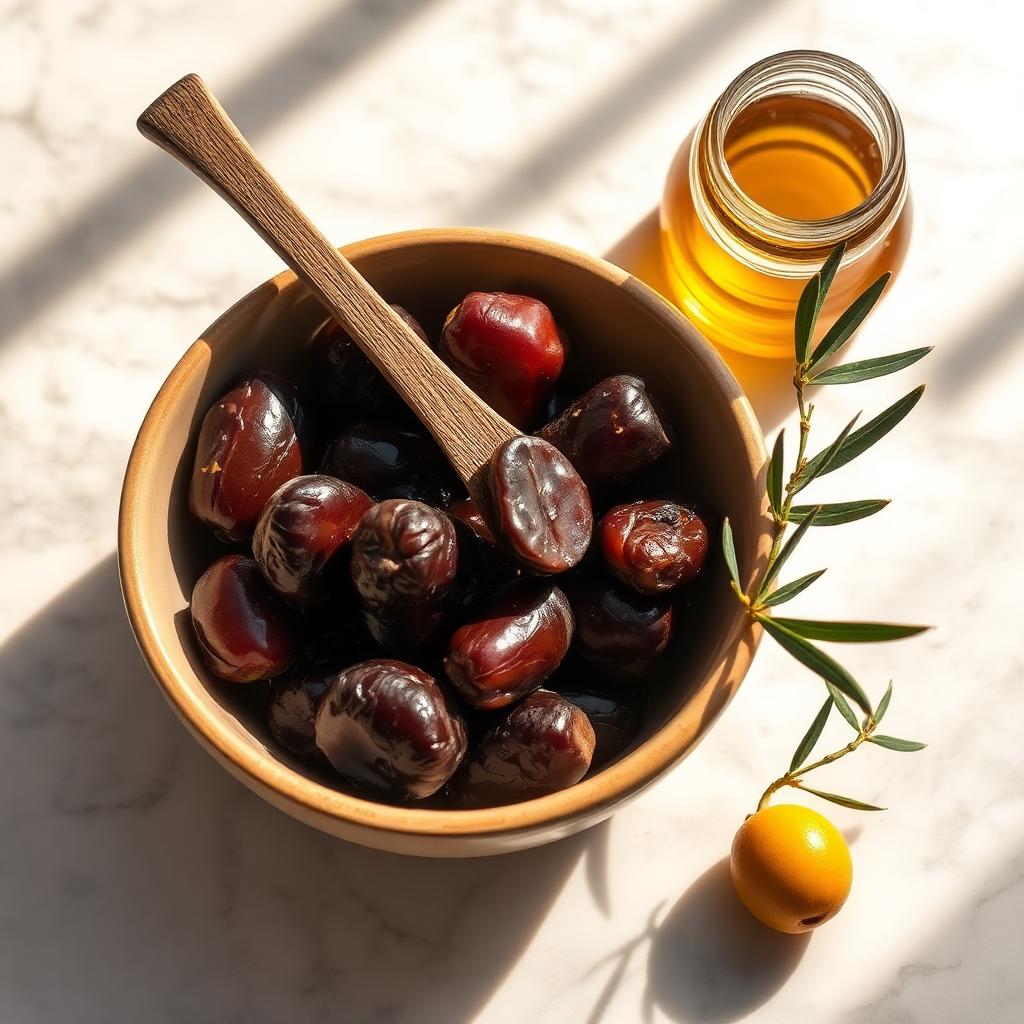
Health guidance drawn from the sayings and practice of the Prophet Muhammad ﷺ.
- Curated companion
- Same region (Middle East)
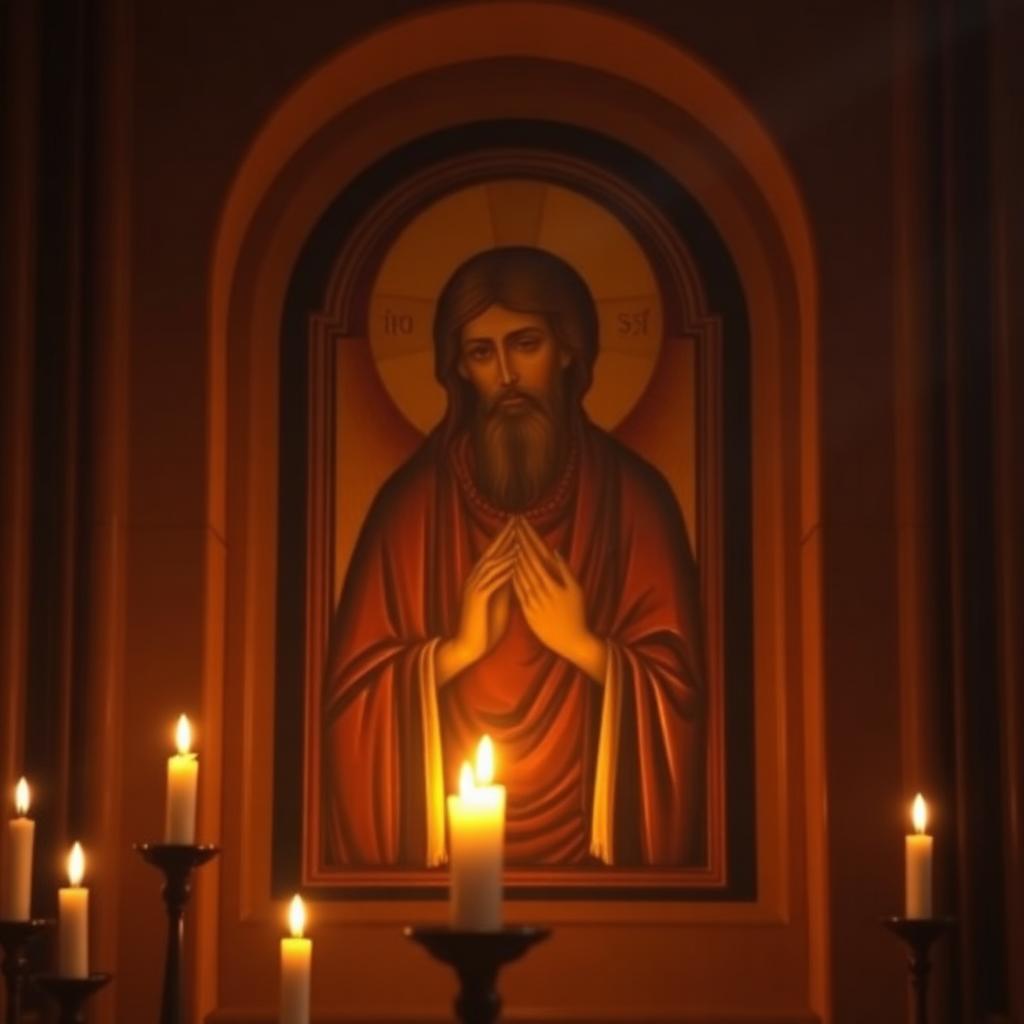
The contemplative lineage of Christianity, Meister Eckhart, Teresa of Ávila, John of the Cross.
- Shared needs: meaning, grief, anxiety
- Similar practices: reading
- Same tradition type

The Japanese Buddhist school of direct awakening through zazen (seated meditation).
- Shared needs: anxiety, meaning, grief
- Similar practices: working, reading
- Same tradition type
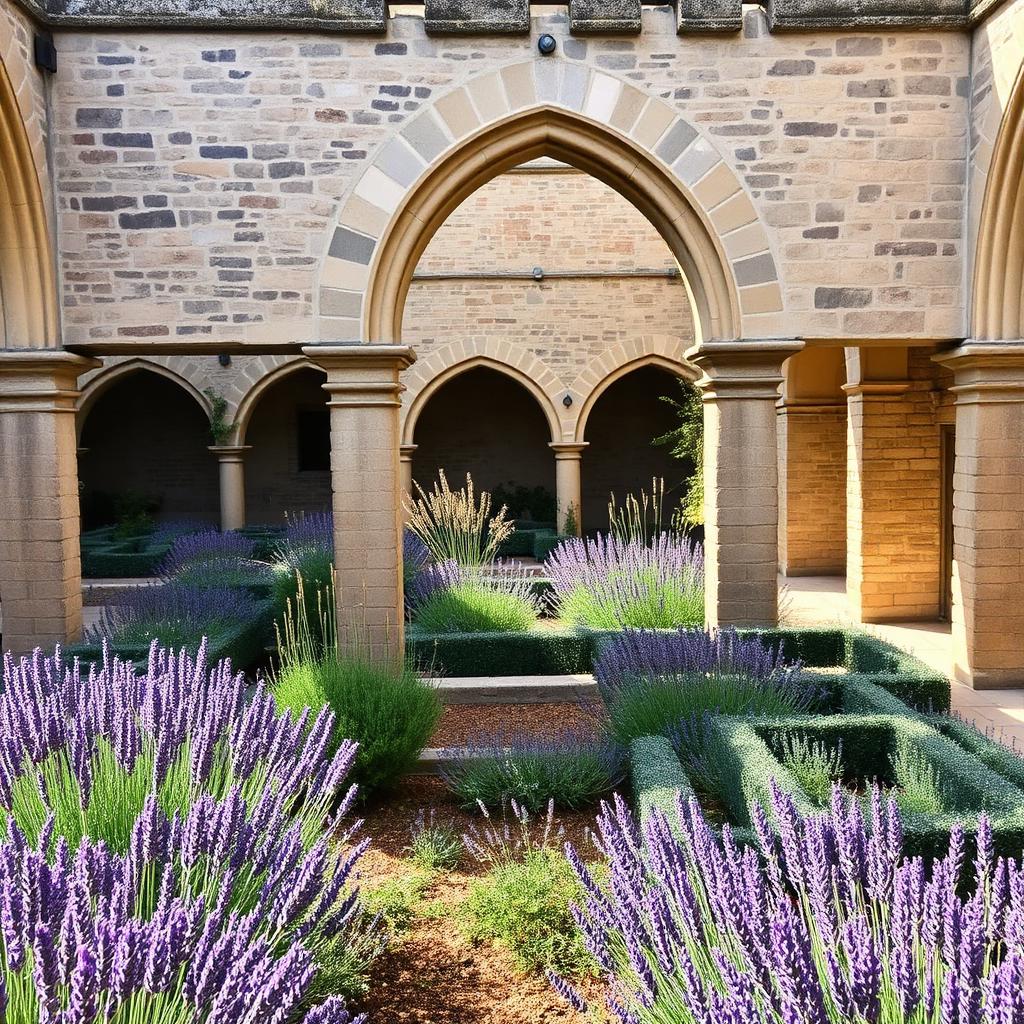
The healing gardens, herbals, and rule of life of Christian monastic communities.
- Shared needs: anxiety, meaning, grief
- Similar practices: reading
- Same tradition type

The contemplative silence tradition of Eastern Orthodox Christianity, the Jesus Prayer.
- Shared needs: anxiety, meaning, depression
- Similar practices: reading
- Same tradition type