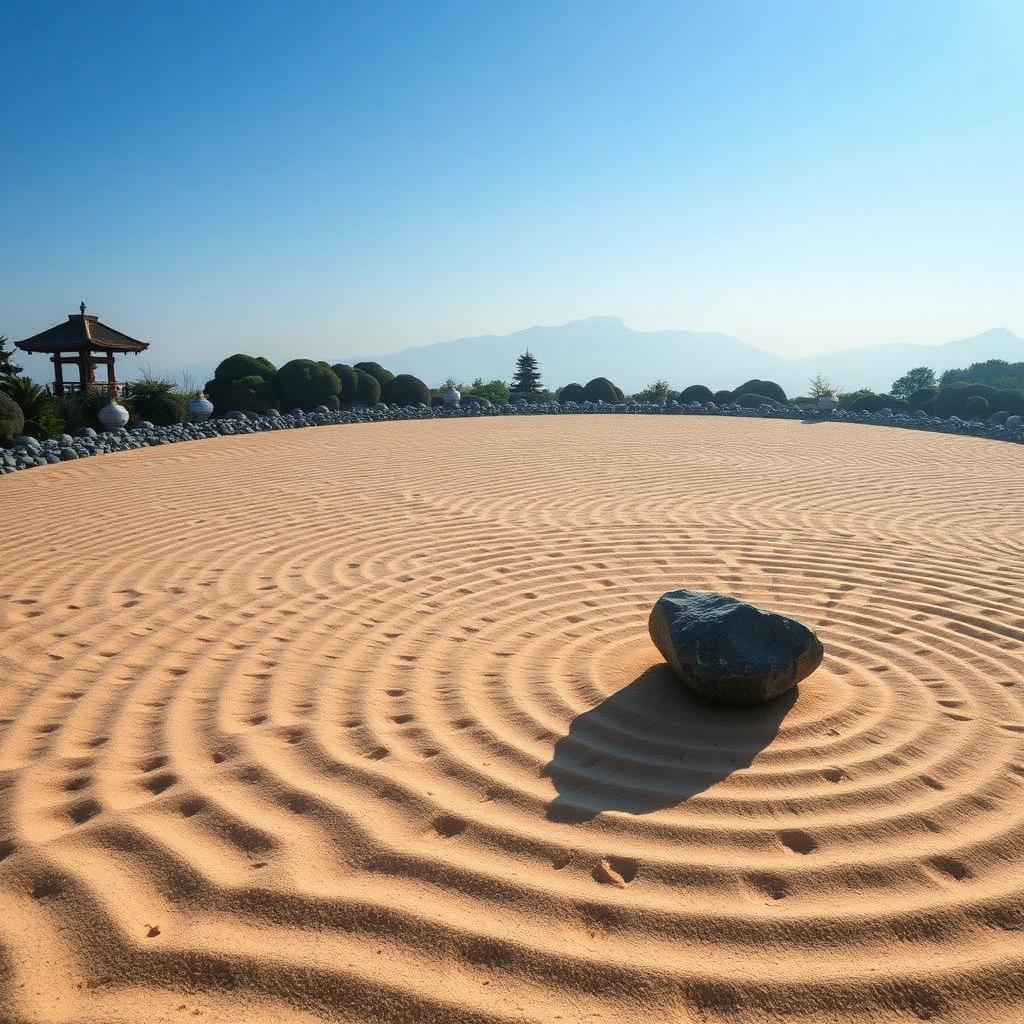
🈳Zen
The Japanese Buddhist school of direct awakening through zazen (seated meditation).
Imagery evoking Zen, The Japanese Buddhist school of direct awakening through zazen (seated meditation).
Symbolic imagery, generated with respect. No sacred ceremony or living person depicted.
Zen (Chan in Chinese, Seon in Korean, Thien in Vietnamese) is the Buddhist school of direct awakening through zazen (seated meditation). Brought from India to China by Bodhidharma (~500 CE), refined in China, and carried to Japan by Eisai and Dogen (12th-13th centuries). Its two great streams, Rinzai (koan work) and Soto (shikantaza, 'just sitting'), both point to awakening as intimately present rather than someday-attained.
Lineage: Bodhidharma; Huineng; Dogen (Soto); Eisai and Hakuin (Rinzai); a living lineage of roshis.
Zendo sittings by donation; sesshin retreats $200, $800.
Estimates only. Many traditions offer sliding-scale, donation, or community access; sacred ceremonies are never for sale.
Distinguishing cultural belief, traditional practice, and evidence-supported effect where applicable.
Emotional
Long sitting lets feelings arise, be seen, and pass without narrative amplification.
Psychological
Sustained zazen strengthens metacognitive awareness and reduces rumination.
Spiritual
Direct pointing to what is already present; awakening as available, not attained.
Community
Sangha and teacher relationship hold the practice steady over decades.
Physical
Long sitting settles breath and heart; posture becomes an embodied discipline.
Nervous system
Extended stillness and diaphragmatic breath shift baseline arousal downward.
Areas of possible support, not guarantees or medical claims.
- People whose thinking is loud and whose grief has nowhere quiet to land
- Seekers of a rigorous, non-decorative contemplative path
- Anyone wanting a teacher and lineage rather than an app
- Daily zazen (10-40 minutes)
- Sesshin (multi-day silent retreat) once or twice a year
- Working with a teacher (roshi) in a lineage
- Reading Dogen's Genjokoan or a koan collection slowly
What to know before exploring
Traditional practice
This is a living tradition carried through lineage and community. Its value is documented through generations of practitioners rather than clinical trials. Absence of Western studies is not absence of wisdom.
- Herbal preparations and dosing. Herbs, tinctures, teas, and topical preparations can be gentle and powerful at the same time. They may interact with prescription medications or affect blood pressure, the liver, kidneys, or allergies. Quality and sourcing matter, so work with a knowledgeable practitioner and share your medication list.
- Long silent or immersive retreat. Multi-day silent retreats, vision quests, and solo wilderness practices can surface intense emotional material with limited access to support. Rare but documented cases include severe anxiety or depersonalization. Prepare with a therapist, trusted contact, and a clear exit plan.
- Cultural appropriation and closed practices. Some elements are closed to outsiders or reserved for initiated practitioners. Participating without invitation, or teaching without lineage, can harm living communities and weaken the practice itself. Approach as a respectful learner, not a consumer.
- Psychosis, bipolar I, or dissociative history (extra pause recommended). If you or a close family member has a history of psychosis, schizophrenia, bipolar I, dissociative disorders, or are in an acute mental health episode, please be extra gentle. Psychedelic, trance, and intense inner-work practices are best avoided unless you are working closely with a psychiatrist who understands this territory.
- Active PTSD or unprocessed severe trauma. Immersive, ceremonial, and altered-state work can surface traumatic memories without warning. If you are living with active PTSD, build a relationship with a trauma-informed licensed clinician first, and choose practitioners trained to hold trauma responses gently.
This information is shared as general education, not medical advice. The safest path is to share your full health story and current medications with both the practitioner and your regular healthcare provider before beginning something new.
What am I looking for that I am already sitting in?
Which of my thoughts do I trust more than the ground beneath me?
What would 'just this' mean for the next hour of my day?
Written in the spirit of this tradition, held as invitations, not instructions. Take what serves your reflection.
What am I trying to solve that only wants to be sat with?
What is left when I stop performing understanding?
Who in my life is a companion in ordinary, unspectacular practice?
Traditions that share needs, practices, or cultural context with this one. Explore with respect for each lineage's origins.
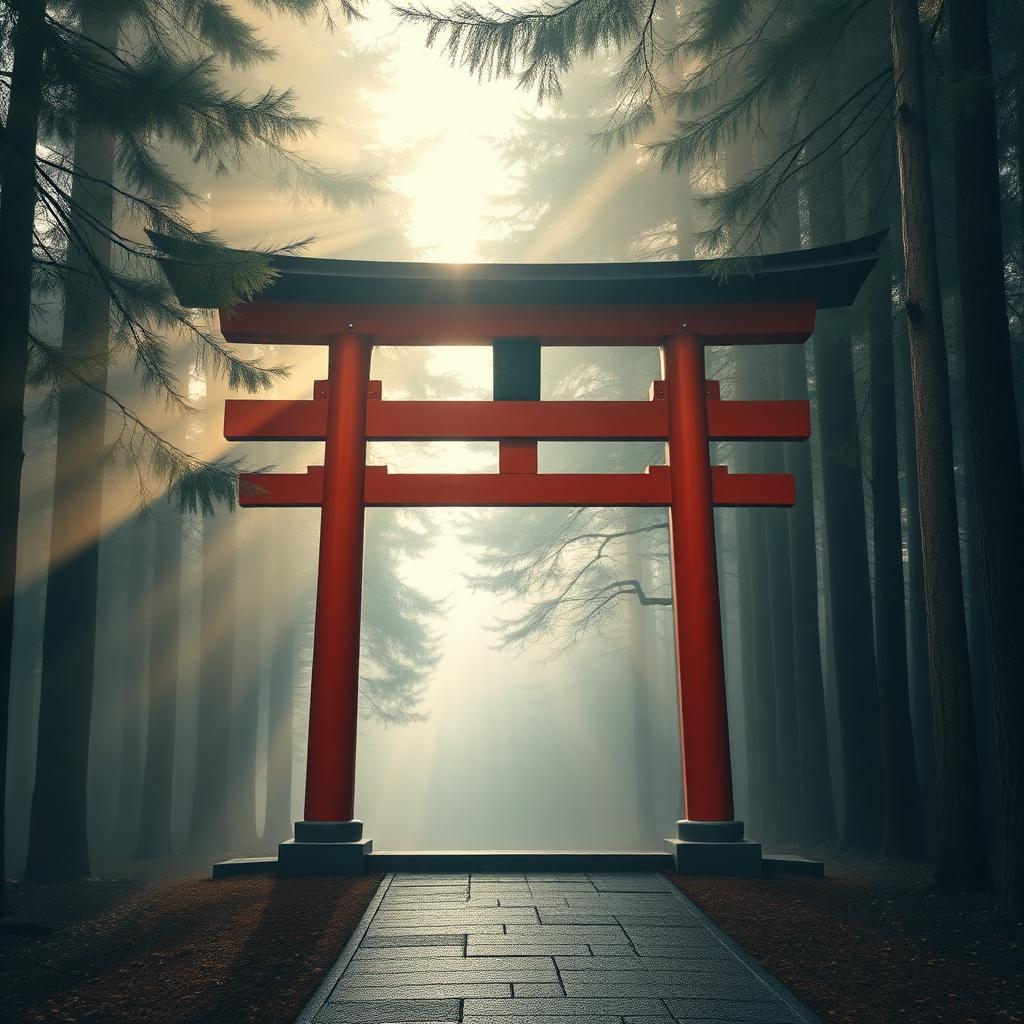
The Japanese practice of cleansing under cold waterfalls or by salt, water, and prayer.
- Curated companion
- Shared needs: grief
- Same region (Asia)
Present-moment, non-judging awareness, Buddhist in root, now a global evidence-based practice.
- Curated companion
- Shared needs: anxiety
- Similar practices: daily, reading
A vast family of contemplative practices held by every major tradition, quieting, opening, seeing.
- Curated companion
- Similar practices: teacher, daily, minutes
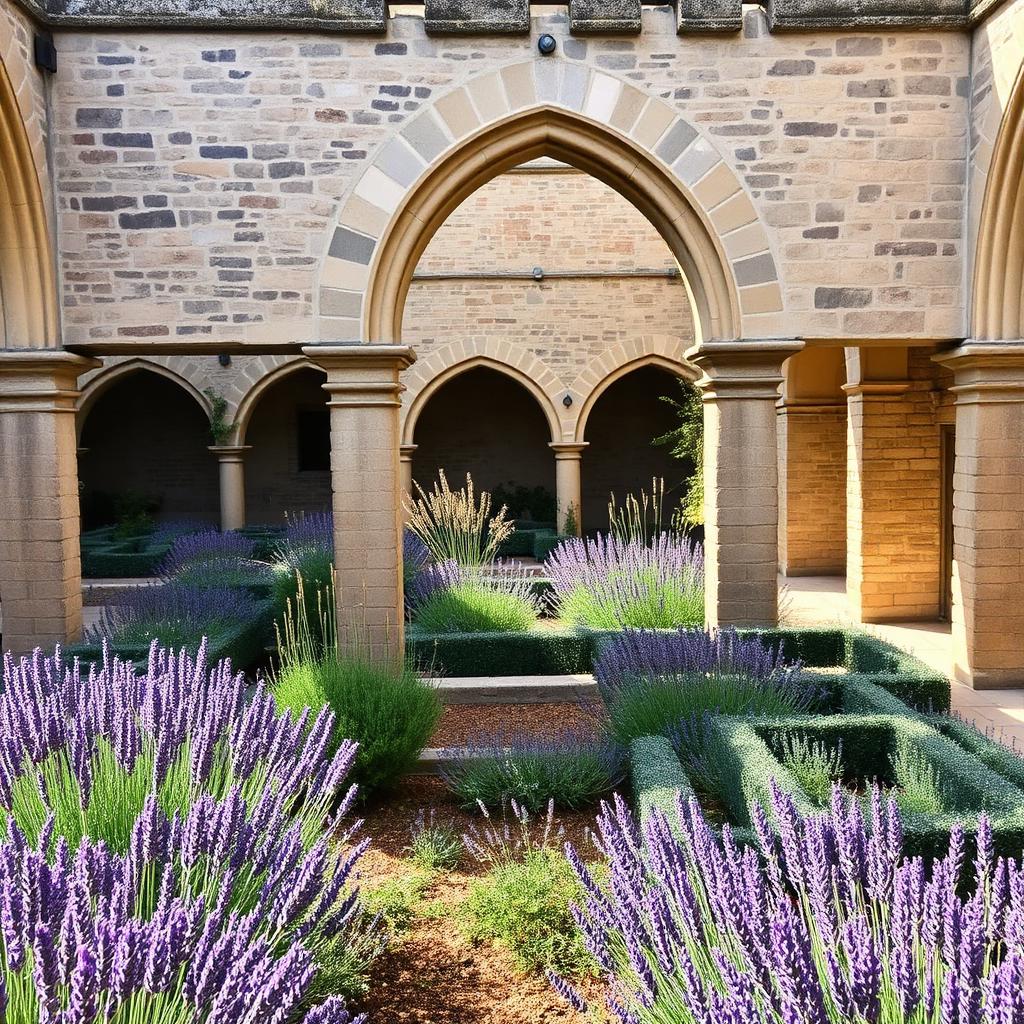
The healing gardens, herbals, and rule of life of Christian monastic communities.
- Shared needs: anxiety, meaning, grief
- Similar practices: daily, reading
- Same tradition type
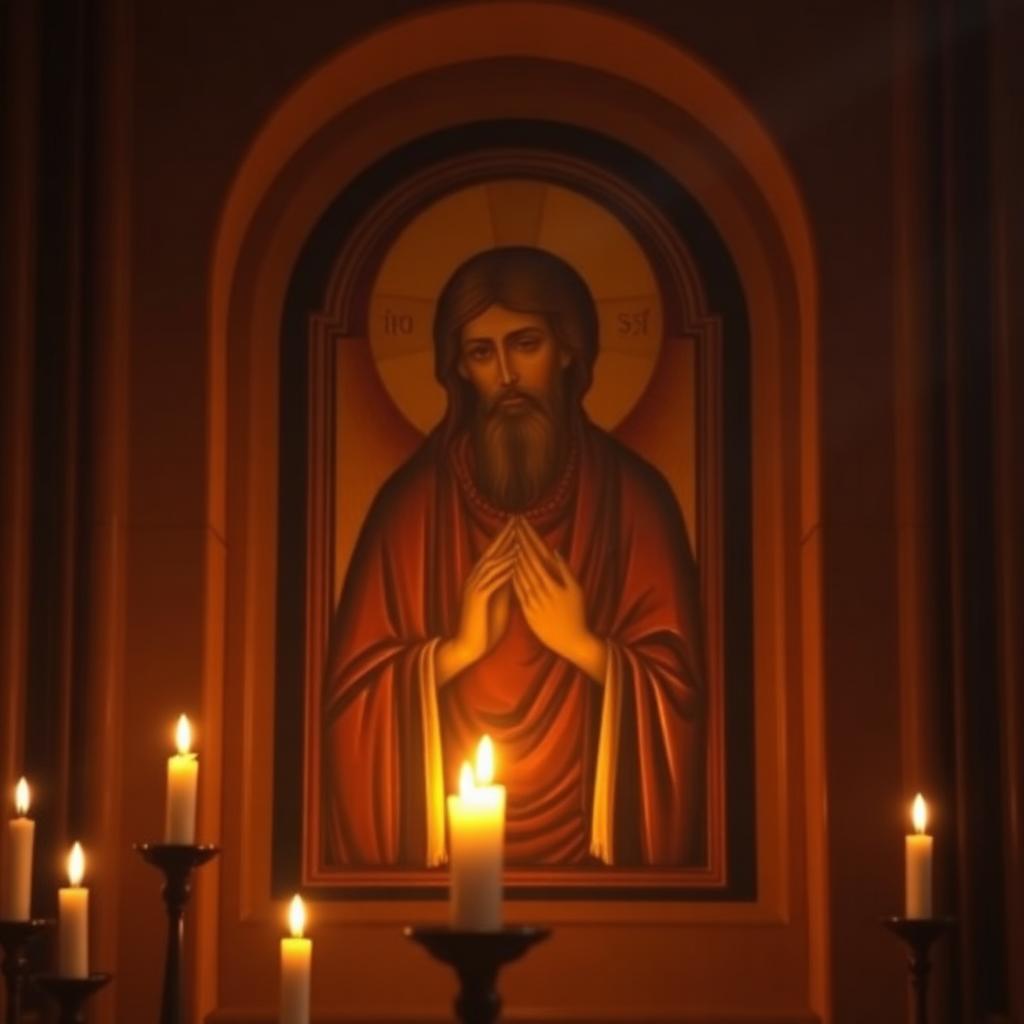
The contemplative lineage of Christianity, Meister Eckhart, Teresa of Ávila, John of the Cross.
- Shared needs: meaning, grief, anxiety
- Similar practices: reading, slowly
- Same tradition type

The rich Islamic tradition of understanding the soul, its states, and its refinement.
- Shared needs: anxiety, meaning, grief
- Similar practices: working, reading
- Same tradition type