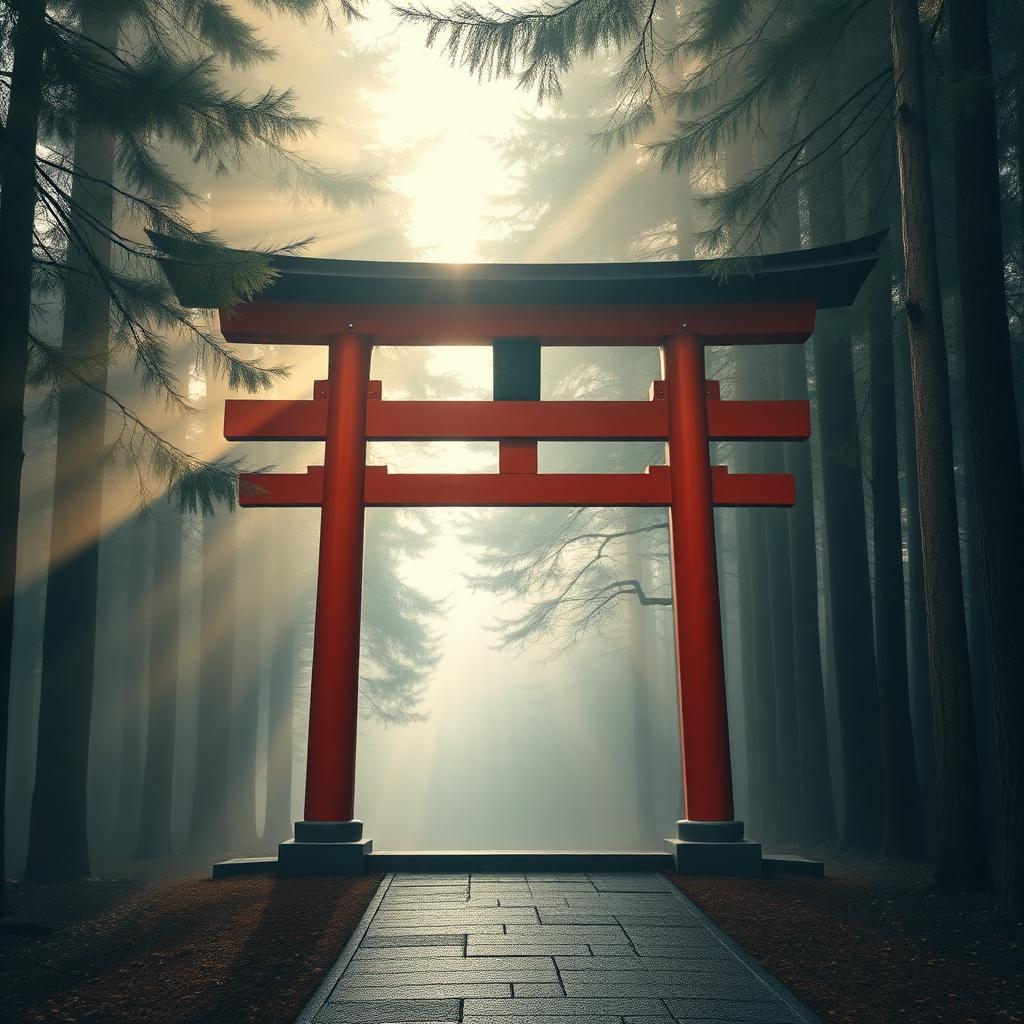
⛩️Shinto Purification (Misogi)
The Japanese practice of cleansing under cold waterfalls or by salt, water, and prayer.
Misogi is Japanese Shinto purification, most classically performed by standing under a cold waterfall while chanting norito prayers. Less severe daily forms include hand and mouth washing at shrine chōzuya, salt purification, and prayer at kamidana (household shrine). Shinto sees purification not as moral cleansing but as removal of tsumi (offense/blockage) that has accumulated.
Lineage: Shinto shrine priesthoods; kannagara (way of the kami) transmission.
Cost depends on practitioner, region, and format.
Estimates only. Many traditions offer sliding-scale, donation, or community access; sacred ceremonies are never for sale.
Distinguishing cultural belief, traditional practice, and evidence-supported effect where applicable.
Emotional
Symbolic washing gives felt closure to a period that has ended.
Psychological
Frames accumulated stress as tsumi (blockage) rather than moral failure.
Spiritual
Locates the person inside a shrine cosmology of kami and place.
Community
Household kamidana and community shrine connect daily life to the sacred.
Physical
Cold water immersion has measurable metabolic and mood effects.
Nervous system
Cold water and breath reset the vagus nerve; salt and threshold ritual mark state change.
Areas of possible support, not guarantees or medical claims.
- People at a threshold (new job, moving, ending a relationship)
- Those drawn to embodied non-moral purification practice
- Anyone building a daily ritual for closure and beginning
- Visiting a Shinto shrine and using the chōzuya properly
- Salt in bath or at threshold
- Cold water splash at start of day
- Guided misogi in Japan (with proper preparation)
What to know before exploring
Traditional practice
This is a living tradition carried through lineage and community. Its value is documented through generations of practitioners rather than clinical trials. Absence of Western studies is not absence of wisdom.
- Cultural appropriation and closed practices. Elements of this tradition may be reserved for initiated practitioners or community members. Approach as a respectful learner, not a consumer, and never present the practice as your own.
This information is shared as general education, not medical advice. The safest path is to share your full health story and current medications with both the practitioner and your regular healthcare provider before beginning something new.
What has accumulated in me that ordinary washing does not touch?
Which threshold in my life needs a real crossing?
Where in my home would a small shrine change how I enter and leave?
Engaging with respect
Cold water immersion requires care; guided practice is safer.
Traditions that share needs, practices, or cultural context with this one. Explore with respect for each lineage's origins.
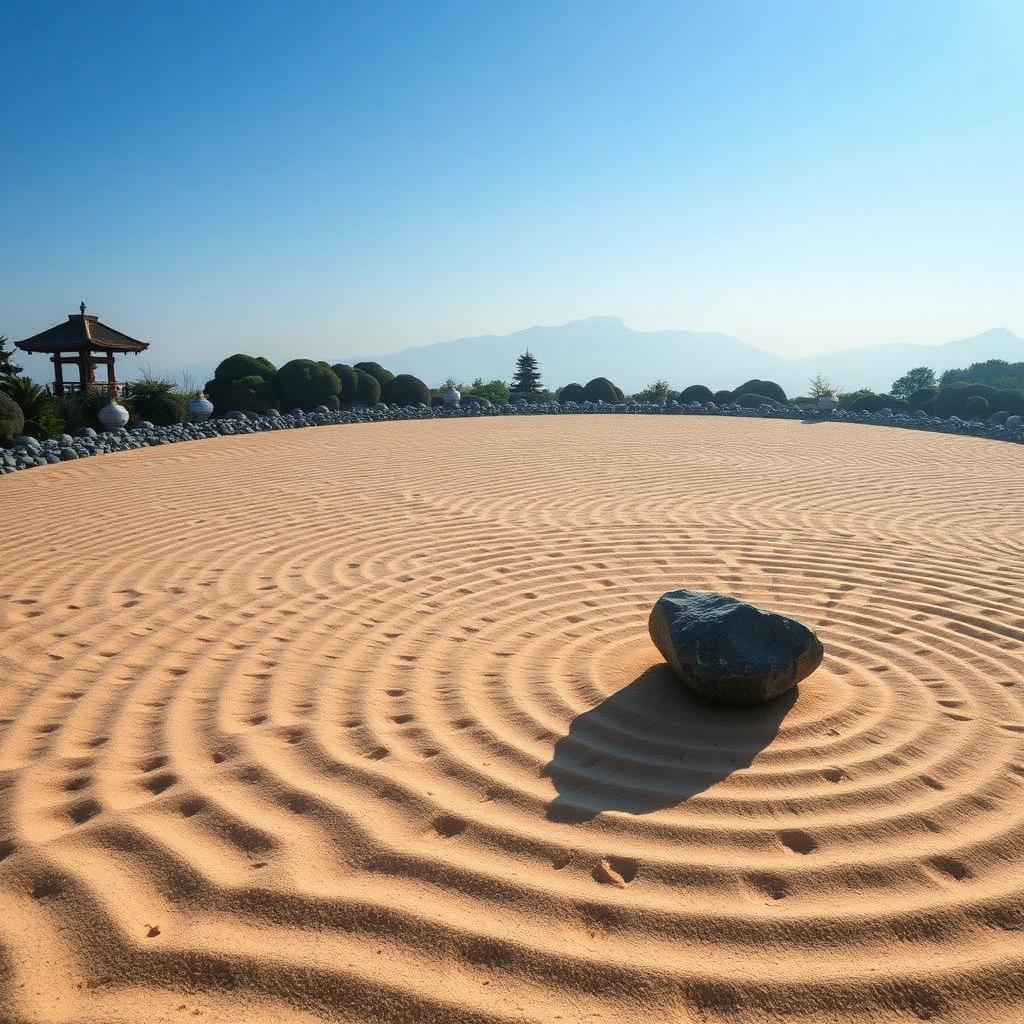
The Japanese Buddhist school of direct awakening through zazen (seated meditation).
- Curated companion
- Shared needs: grief
- Same region (Asia)
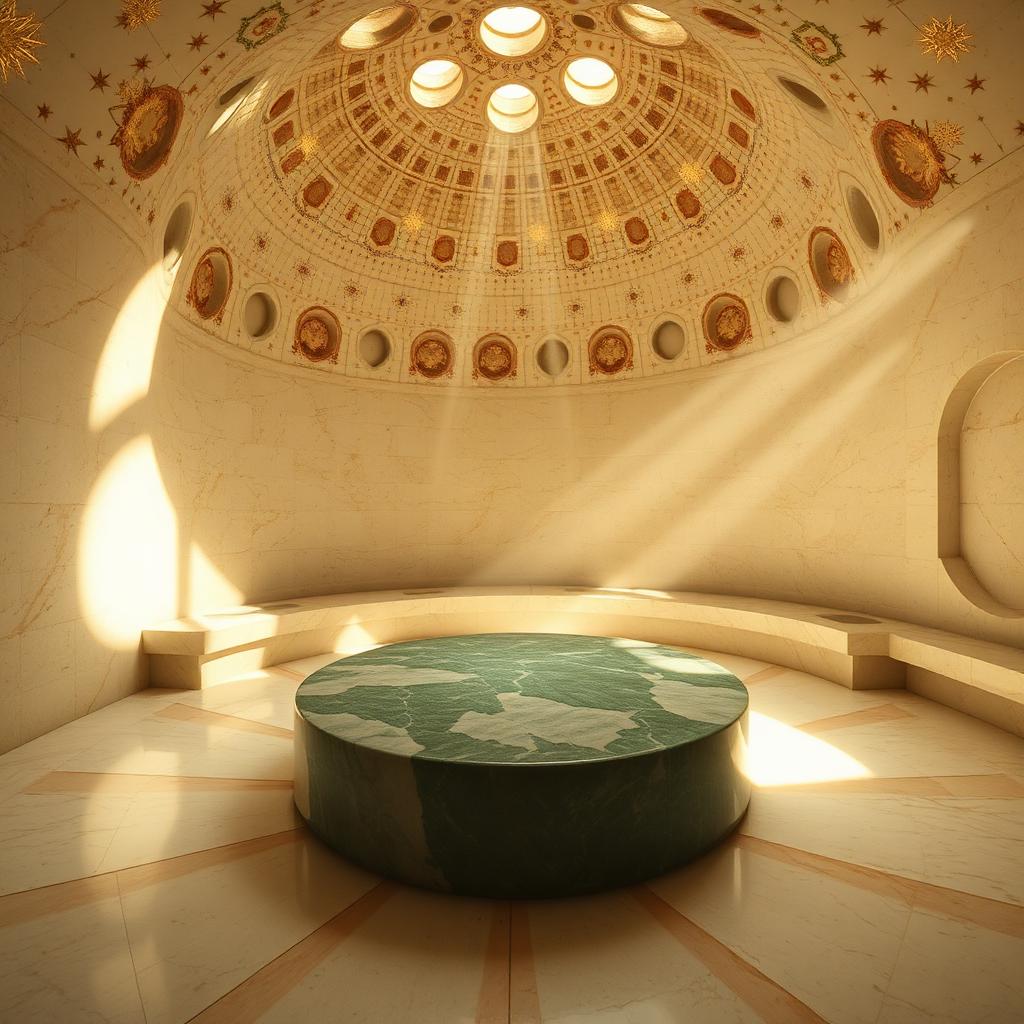
The steam and cleansing bath tradition, a communal ritual of touch, water, and rest.
- Curated companion
- Similar practices: bath
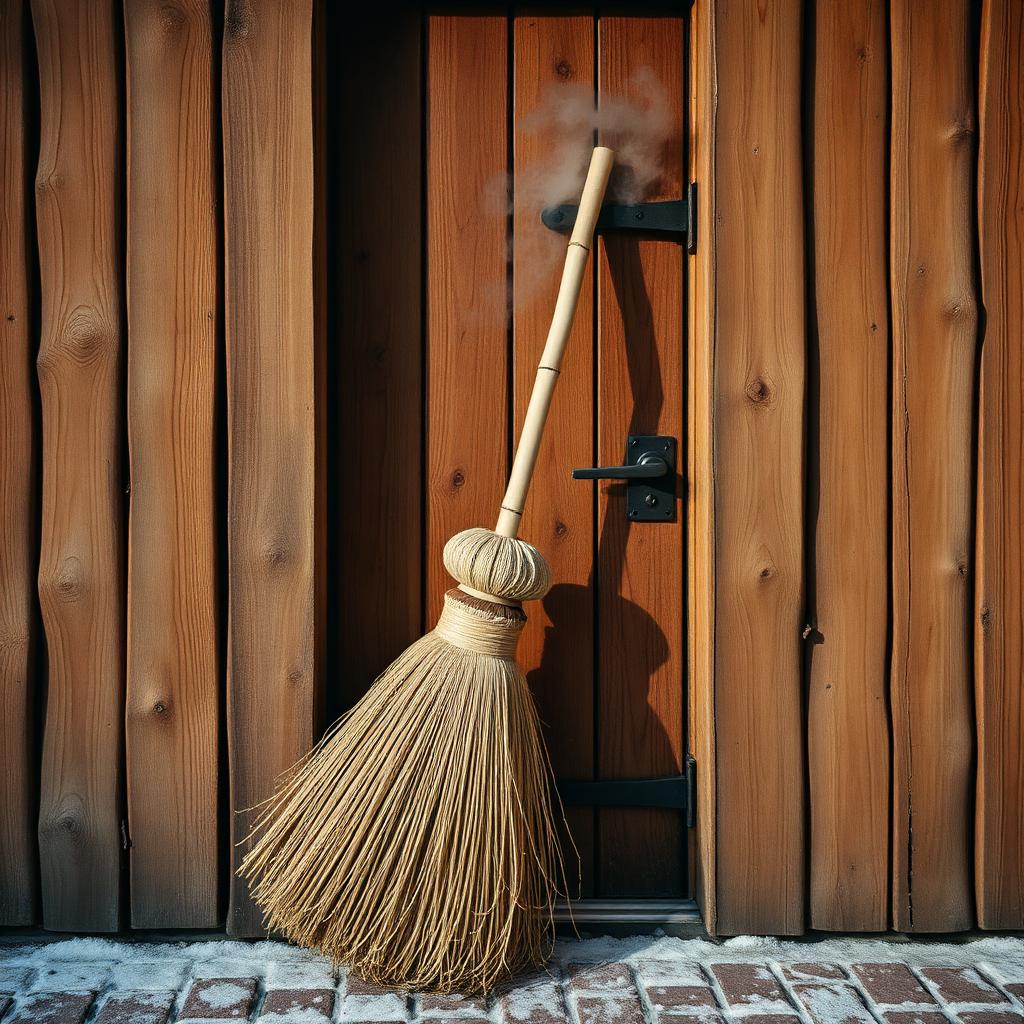
The steam-bath ritual of hot vapor, birch venik, and cold plunge as weekly reset.
- Curated companion
- Similar practices: cold
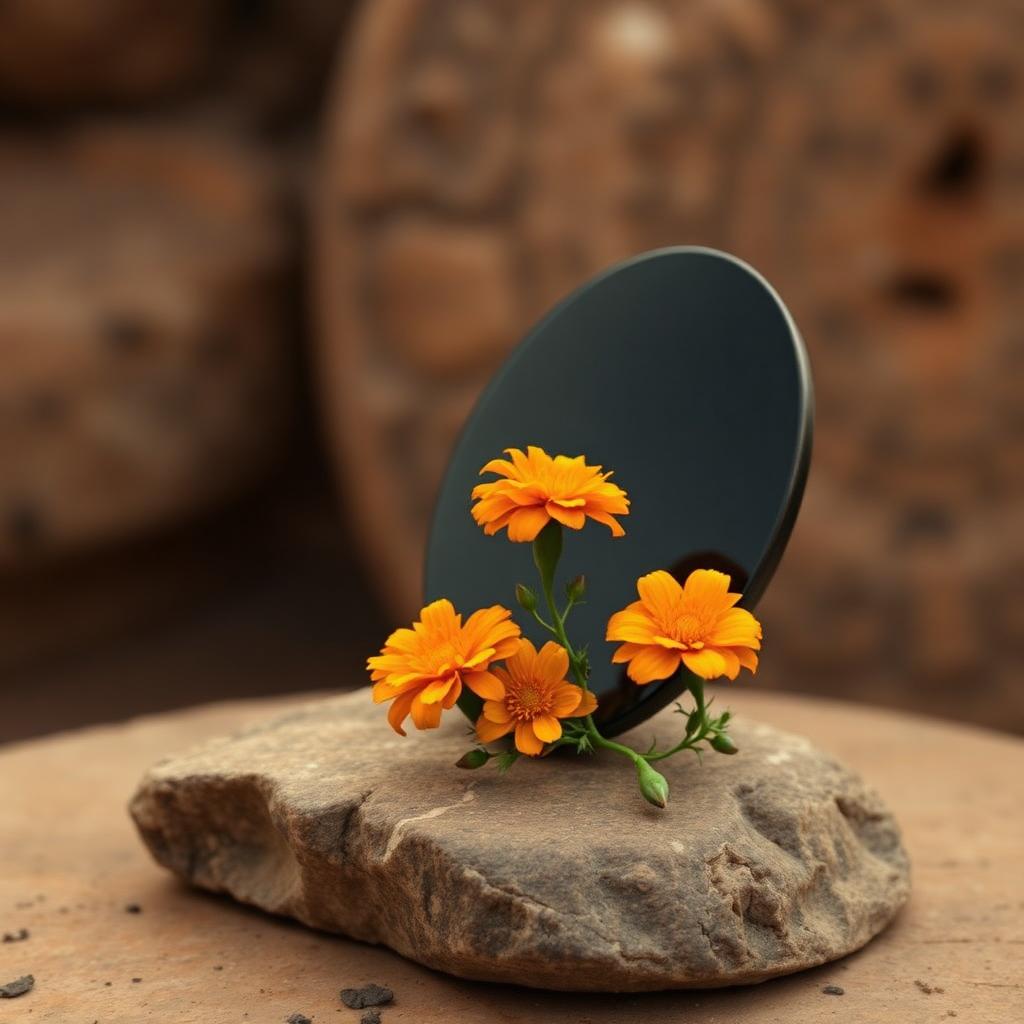
The temazcal, herbal medicine, and cosmology of the Mexica peoples of the Valley of Mexico.
- Shared needs: ritual cleansing, grief
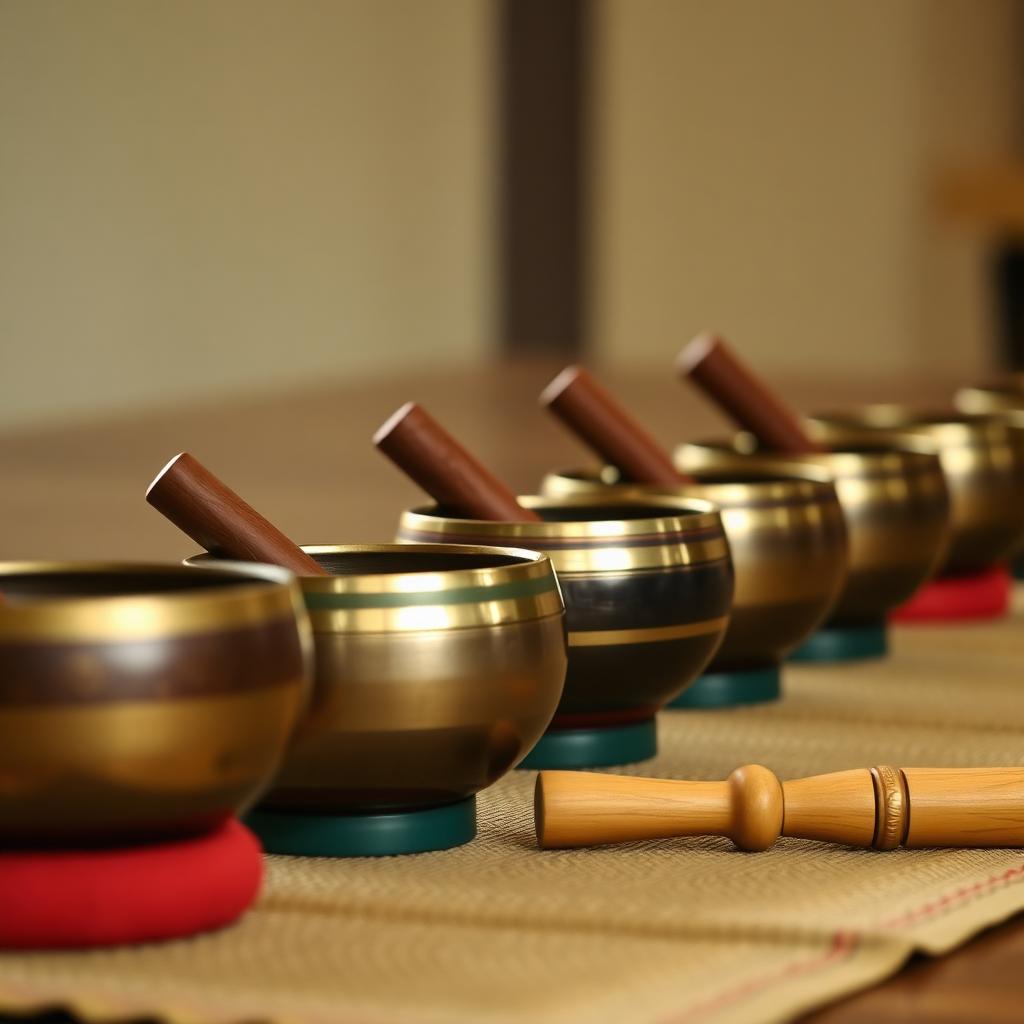
Singing bowls, gongs, and chant traditions used across cultures to shift state through vibration.
- Shared needs: grief
- Similar practices: bath
- Same region (Asia)
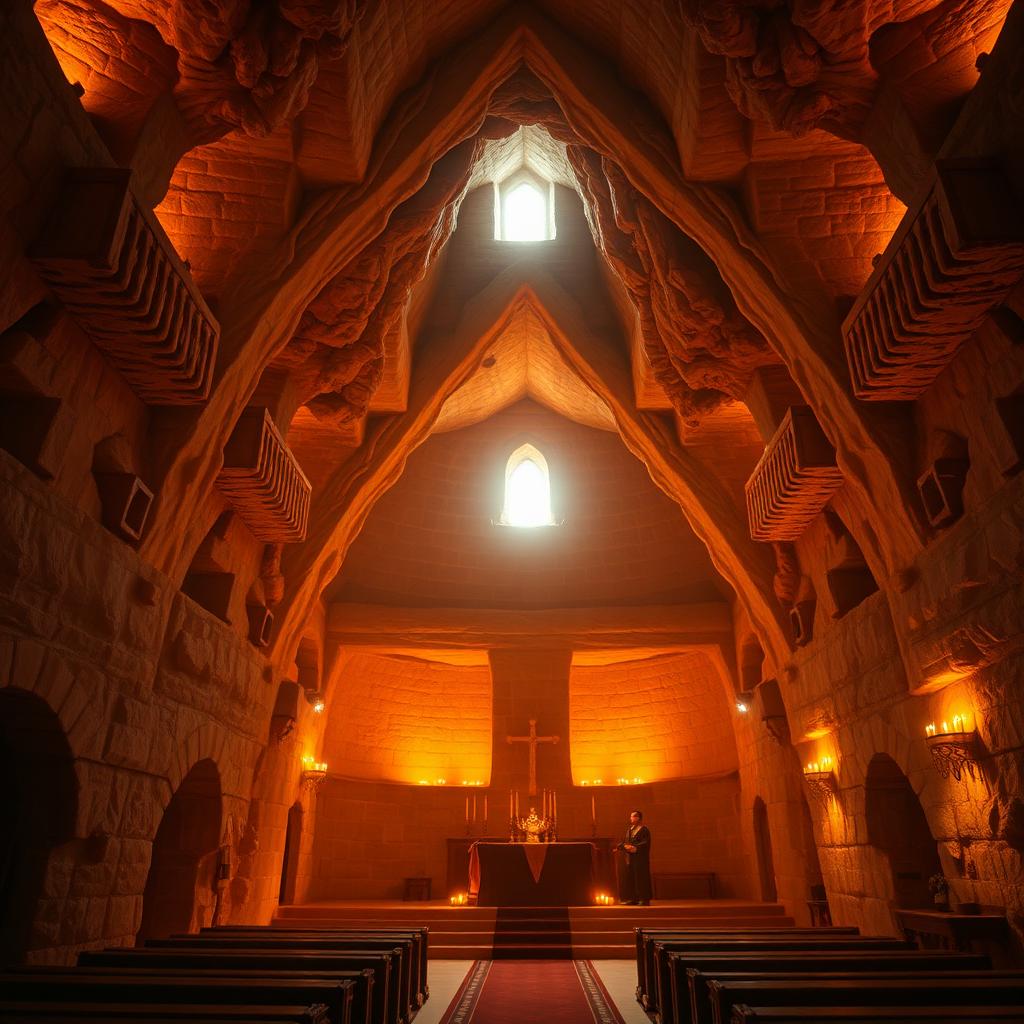
Fasting, holy water (tsebel), and prayer of the Ethiopian Tewahedo Church.
- Shared needs: grief
- Similar practices: water
- Same tradition type