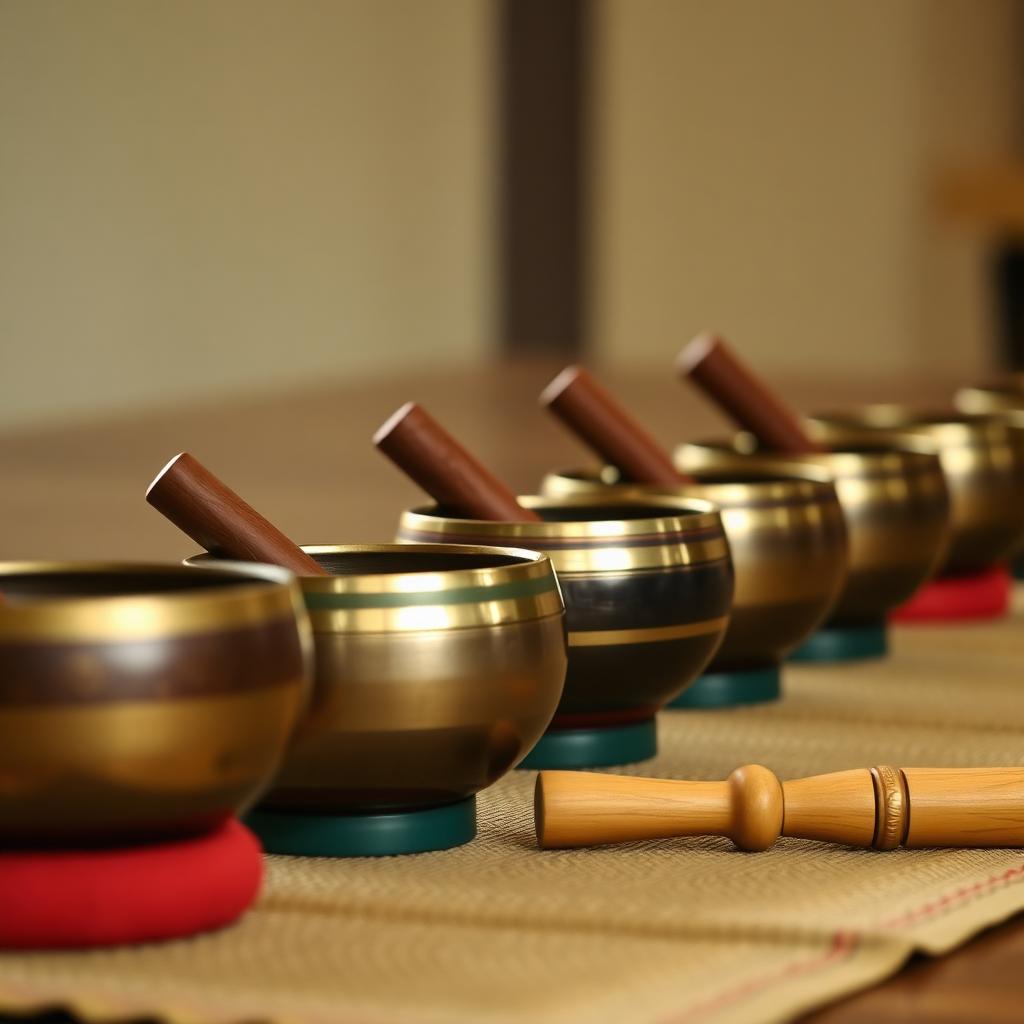
🔔Sound Healing
Singing bowls, gongs, and chant traditions used across cultures to shift state through vibration.
Imagery evoking Sound Healing, Singing bowls, gongs, and chant traditions used across cultures to shift state through vibration.
Symbolic imagery, generated with respect. No sacred ceremony or living person depicted.
Sound healing draws on singing bowl traditions from Tibet and Nepal, gong practices, mantra traditions of India, kirtan chanting, and drum traditions worldwide. A session may layer bowls, gongs, chimes, and voice to shift brainwave state and body arousal. Research on binaural beats, chant, and vibroacoustic therapy is growing; the felt effects are often significant even where evidence is early.
Lineage: Tibetan and Nepali bowl makers; Nada Yoga lineages; modern figures like Jonathan Goldman, Alexandre Tannous.
Group baths $20, $50; private sessions $80, $200.
Estimates only. Many traditions offer sliding-scale, donation, or community access; sacred ceremonies are never for sale.
Distinguishing cultural belief, traditional practice, and evidence-supported effect where applicable.
Emotional
Non-verbal medium reaches feelings that words have not yet named.
Psychological
The mind briefly stops narrating and rests inside vibration.
Spiritual
Long chant traditions (mantra, kirtan, Gyuto overtone) carry devotional depth.
Community
Sound baths and kirtan circles hold the field for many bodies at once.
Physical
Vibroacoustic therapy shows early evidence for pain and Parkinson's-related symptoms.
Nervous system
Sustained sound entrains breath and heart rate; slow low tones shift to parasympathetic.
Areas of possible support, not guarantees or medical claims.
- People who freeze in talk therapy and need a non-verbal doorway
- Anyone in acute grief or overwhelm needing an hour of gentle downshift
- Those drawn to chant, mantra, or devotional voice as spiritual practice
- Attending a sound bath
- Home practice with a single Tibetan bowl or tuning fork
- Chanting for 5-10 minutes daily
- Listening to Gyuto monks or specific mantra recordings
What to know before exploring
Mixed evidence
Some components have research support, while others rest on centuries of lived experience and cultural knowledge that has not been formally studied. Read outcomes as suggestive, not proven, and trust the tradition's own ways of knowing.
- Practitioner quality varies. This tradition is not licensed or regulated in most countries. Skill, ethics, and training vary widely between practitioners. Ask about lineage, training length, informed consent practices, and how safety concerns are handled.
This information is shared as general education, not medical advice. The safest path is to share your full health story and current medications with both the practitioner and your regular healthcare provider before beginning something new.
What in my body wants to be moved by vibration?
Which sound feels like home?
What tone would I make if no one were listening?
Written in the spirit of this tradition, held as invitations, not instructions. Take what serves your reflection.
Which sound softens me, and which sound overwhelms me?
What would silence sound like after a long, resonant tone?
Who in my life feels like a tuning fork for my nervous system?
Engaging with respect
Buy Tibetan bowls from ethical sources; support Tibetan and Nepali makers.
Traditions that share needs, practices, or cultural context with this one. Explore with respect for each lineage's origins.
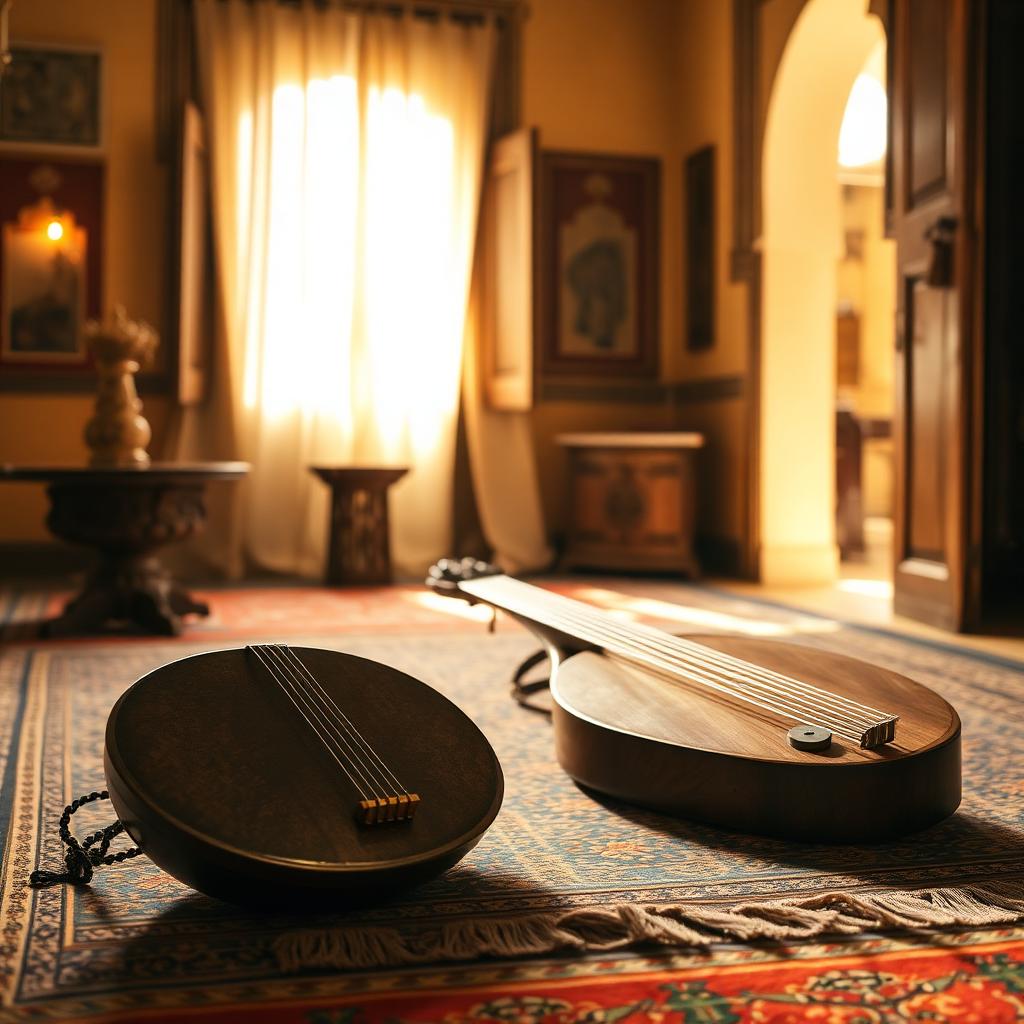
The Sufi-rooted trance music and lila ceremonies of Morocco's Gnawa people.
- Curated companion
- Shared needs: nervous system reset
- Similar practices: attending, listening, recordings
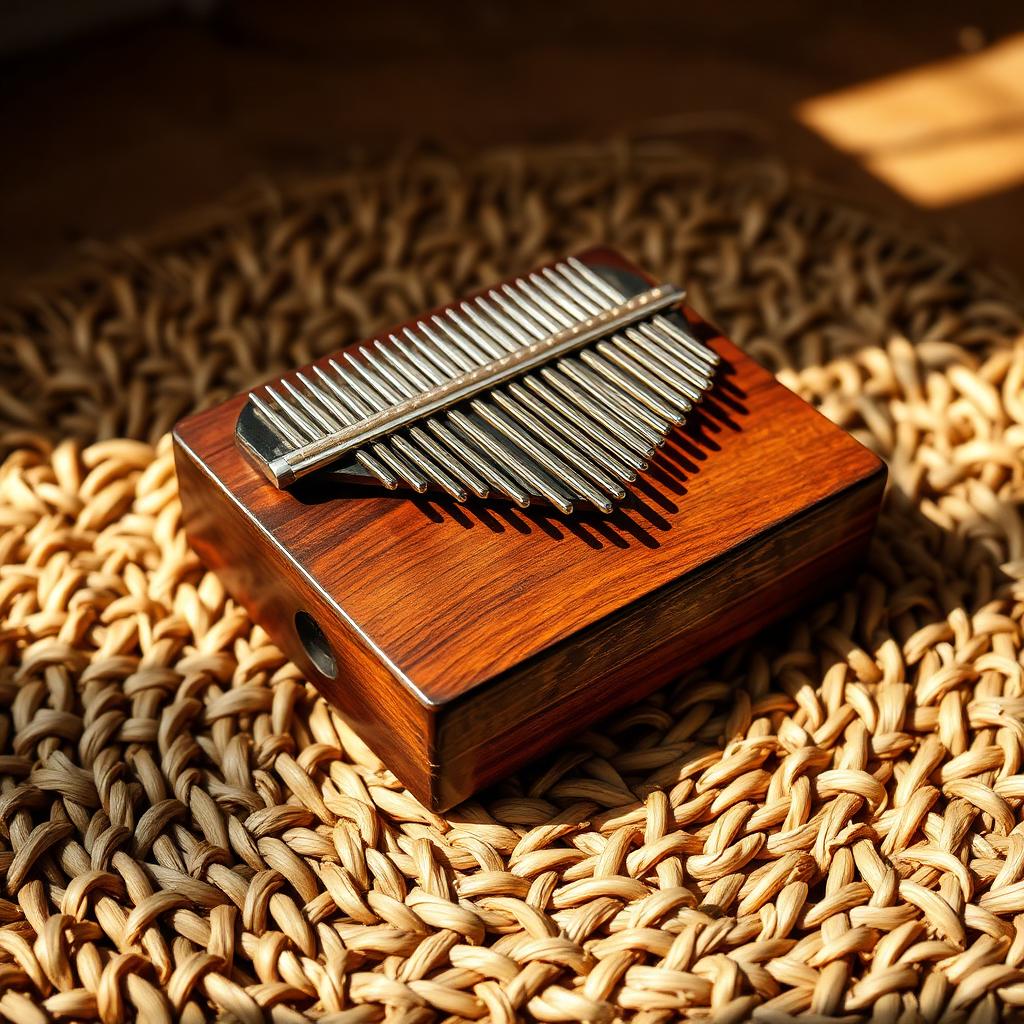
The medicine of Zimbabwe's Shona people, mbira music, ancestor spirits (vadzimu), and herb.
- Curated companion
- Similar practices: attending, listening

Chinese cultivation of qi through slow movement, breath, and intention.
- Shared needs: anxiety, sleep
- Similar practices: daily, specific
- Same region (Asia)
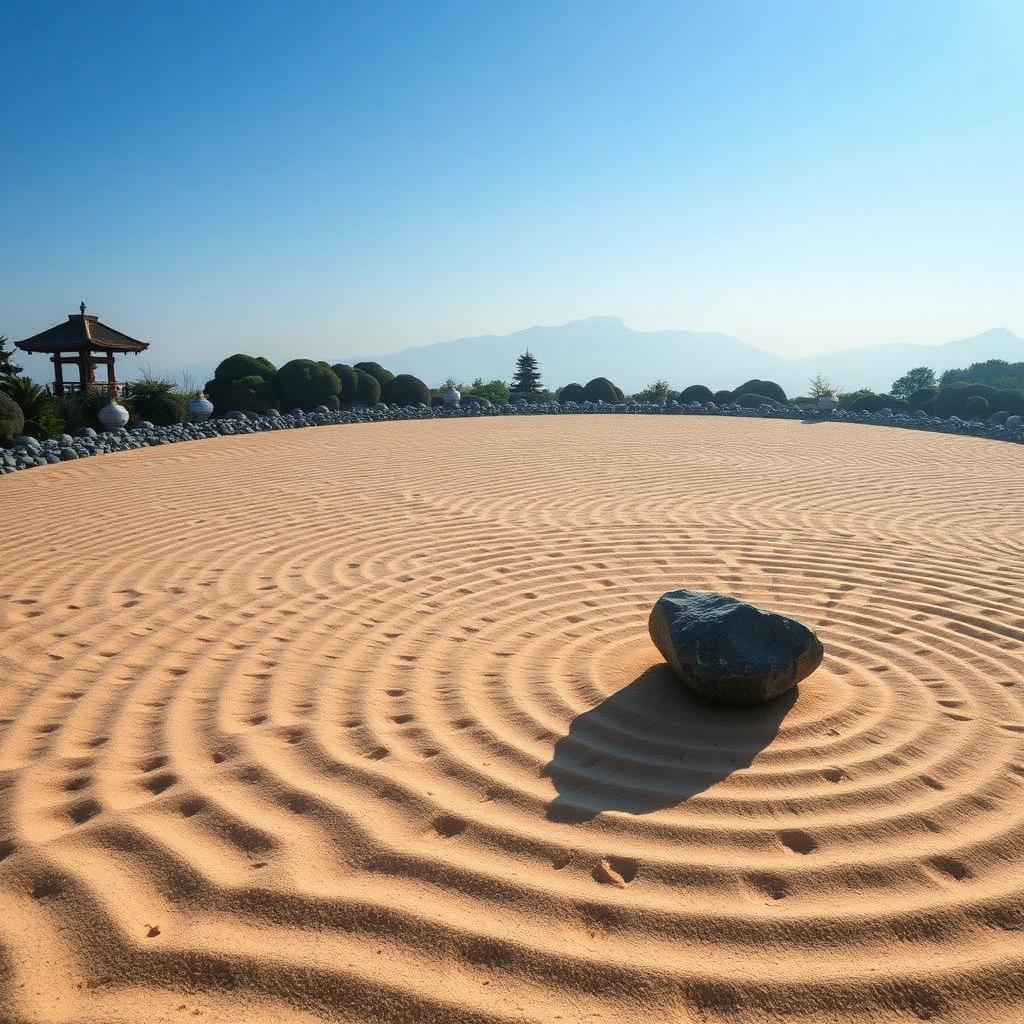
The Japanese Buddhist school of direct awakening through zazen (seated meditation).
- Shared needs: anxiety, grief
- Similar practices: daily, minutes
- Same region (Asia)
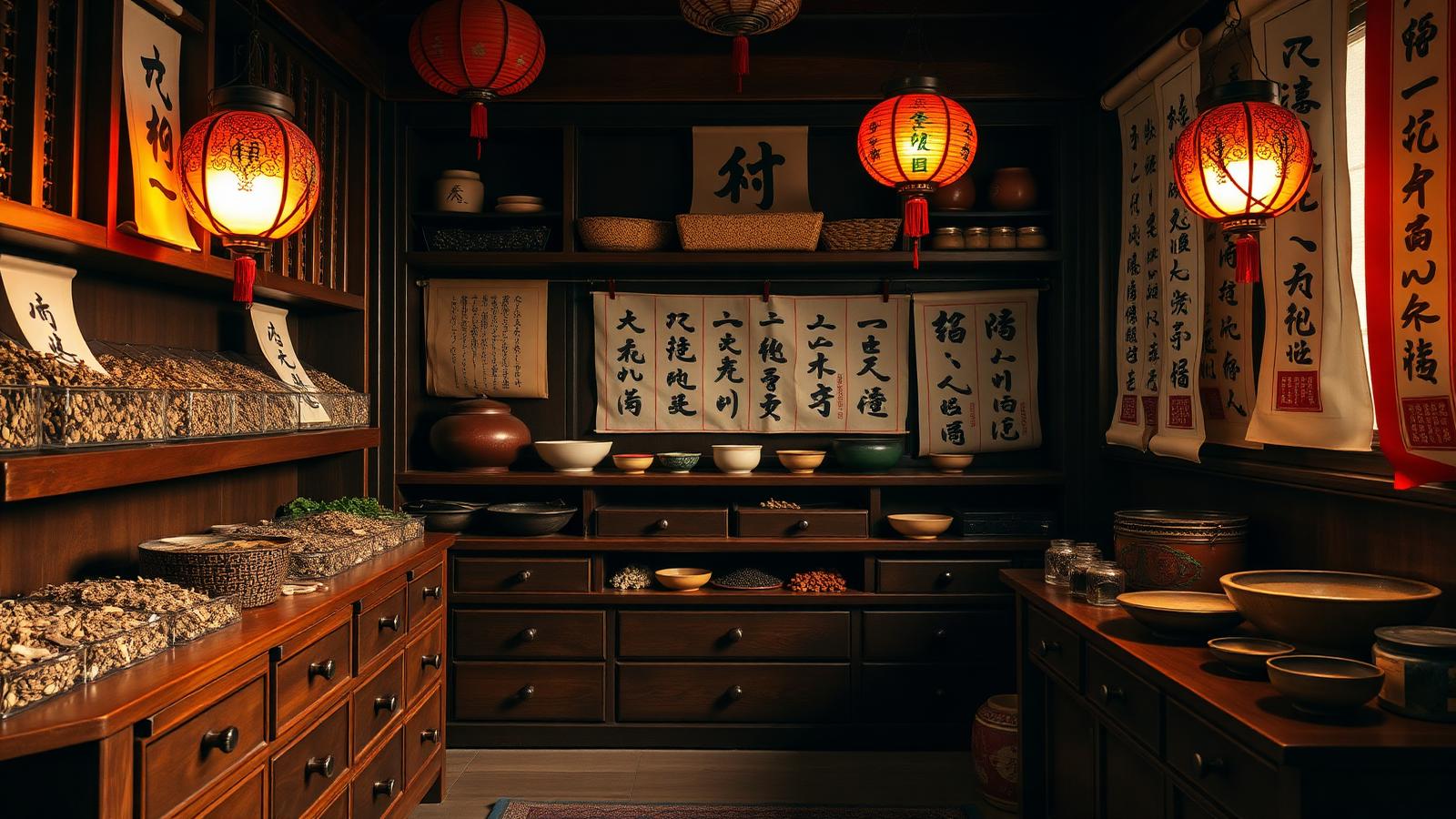
A 2,500-year-old system reading the person as a landscape of qi, organs, seasons, and elements.
- Shared needs: anxiety, sleep
- Same region (Asia)
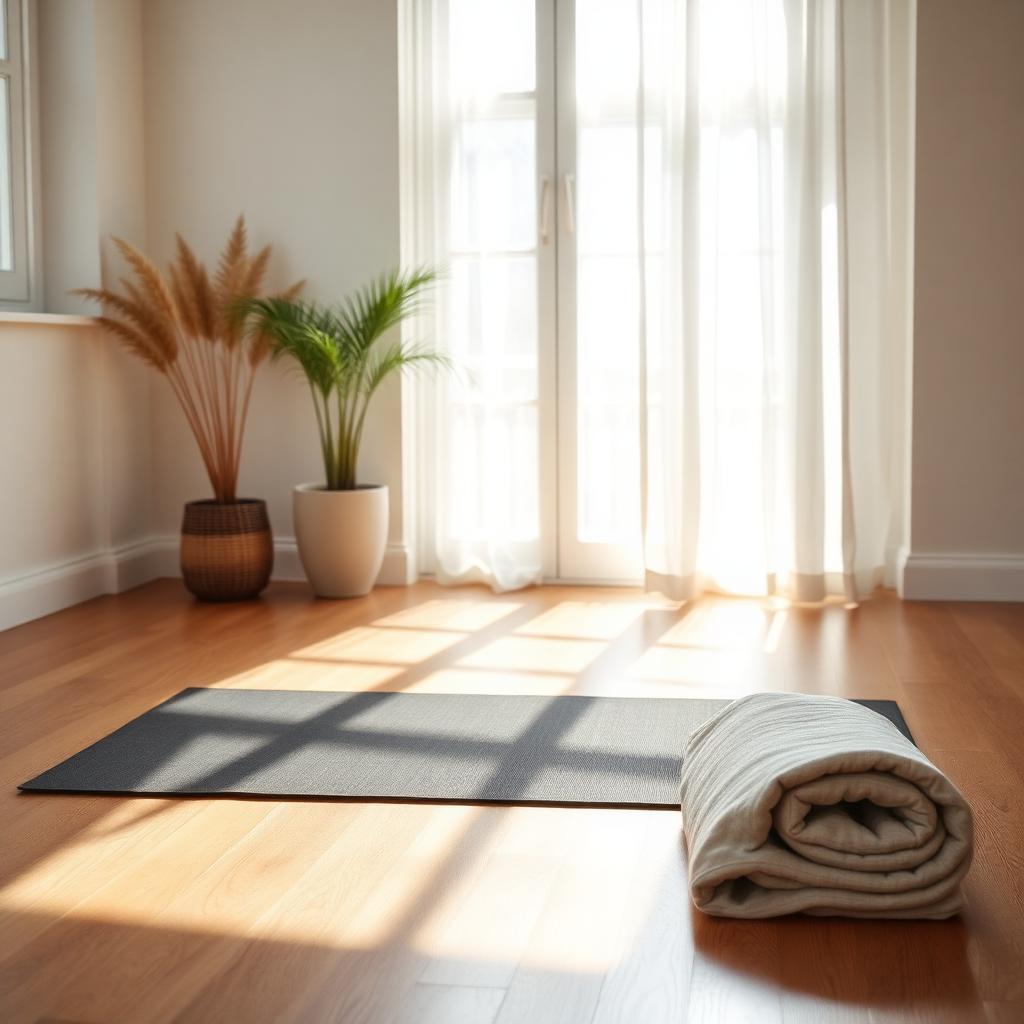
The eight-limbed path from India, posture, breath, ethics, and meditation as one whole.
- Shared needs: anxiety
- Similar practices: daily, practice, minutes
- Same region (Asia)