🌀Qigong
Chinese cultivation of qi through slow movement, breath, and intention.
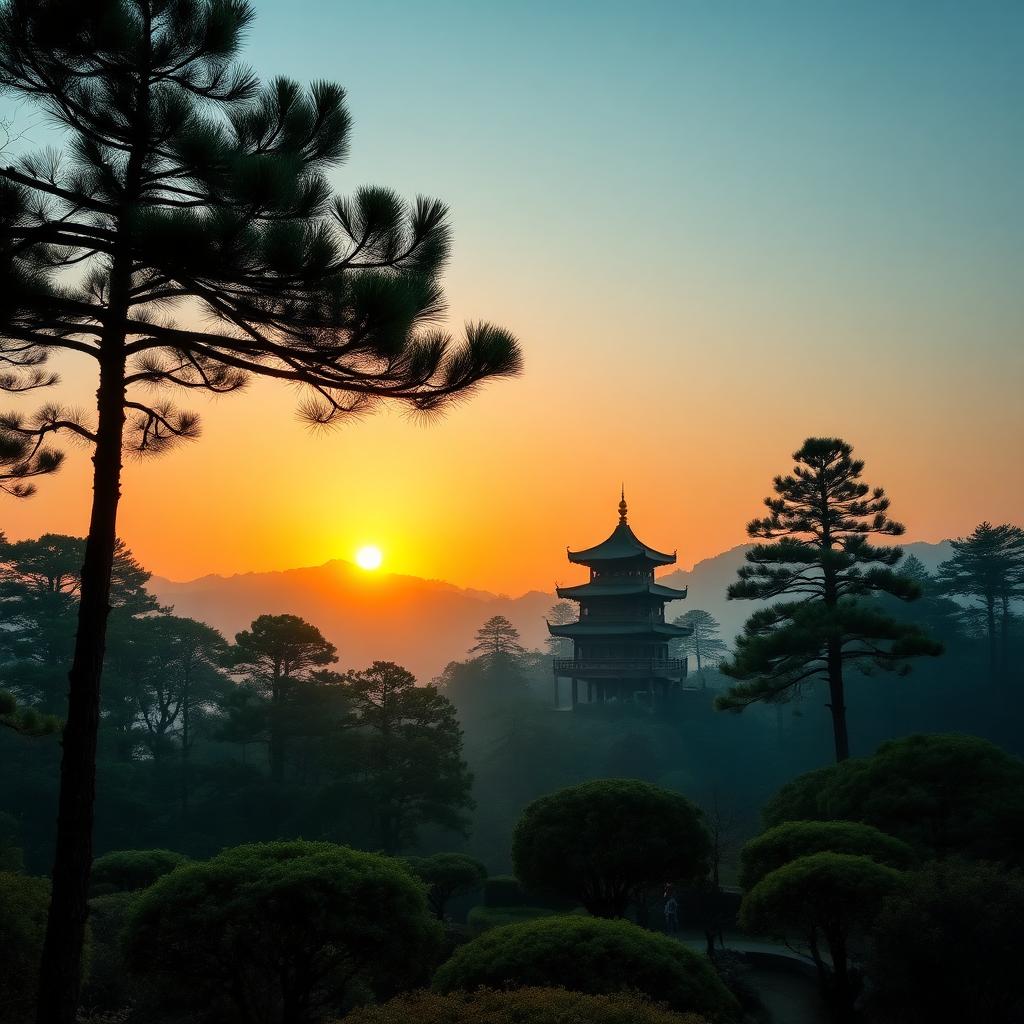
Imagery evoking Qigong, Chinese cultivation of qi through slow movement, breath, and intention.
Symbolic imagery, generated with respect. No sacred ceremony or living person depicted.
Qigong is the Chinese cultivation of qi (vital energy) through slow coordinated movement, breath, and intention. There are thousands of forms, from medical qigong for specific conditions to Taoist internal alchemy. Research supports qigong for balance, fall prevention, chronic pain, hypertension, and anxiety. A daily 15-30 minute practice is a low-cost, low-injury foundation for lifelong health.
Lineage: Daoist and Buddhist lineages; modern systems from Guo Lin, Wang Xiangzhai, and medical qigong doctors.
Community classes free to low-cost; workshops $50, $200.
Estimates only. Many traditions offer sliding-scale, donation, or community access; sacred ceremonies are never for sale.
Distinguishing cultural belief, traditional practice, and evidence-supported effect where applicable.
Emotional
Repetitive gentle movement moves feeling through the body rather than around it.
Psychological
Daily practice builds a felt sense of agency over one's own state.
Spiritual
Roots in Daoist cultivation of essence, energy, and spirit (jing, qi, shen).
Community
Public park practice groups sustain daily discipline across decades.
Physical
Evidence-supported for balance, pain, blood pressure, and cancer-related fatigue.
Nervous system
Slow breath and posture regulate arousal and vagal tone.
Areas of possible support, not guarantees or medical claims.
- Older adults wanting balance work that will not injure
- People with hypertension, fibromyalgia, or chronic fatigue
- Anyone building a first embodied daily practice
- Daily 15-30 minute qigong routine (Eight Brocades, Six Healing Sounds)
- Standing meditation (zhan zhuang)
- Working with a teacher in a specific lineage
- Coordinating with acupuncture for chronic conditions
What to know before exploring
Evidence supported
Elements of this practice have been studied in peer-reviewed research and show measurable benefits for specific concerns. Study quality varies, and the tradition itself is broader than what science has measured. Evidence is one lens; lived lineage and cultural wisdom are equally important.
- Herbal preparations and dosing. Herbs, tinctures, teas, and topical preparations can be gentle and powerful at the same time. They may interact with prescription medications or affect blood pressure, the liver, kidneys, or allergies. Quality and sourcing matter, so work with a knowledgeable practitioner and share your medication list.
- Deep or invasive bodywork. Needles, cupping, moxibustion, deep tissue pressure, spinal manipulation, and abdominal work can leave marks or cause discomfort if done without care. Choose practitioners with clear training and clean, single-use or properly sterilized tools.
- Cultural appropriation and closed practices. Some elements are closed to outsiders or reserved for initiated practitioners. Participating without invitation, or teaching without lineage, can harm living communities and weaken the practice itself. Approach as a respectful learner, not a consumer.
- Pregnancy, breastfeeding, and fertility treatment. Several herbs, essential oils, deep-tissue techniques, extreme temperatures, and intense breath or plant-medicine practices are not recommended during pregnancy, breastfeeding, or IVF cycles. Disclose your status and ask for a practitioner with prenatal training.
- Bleeding disorders and blood thinners. Practices that pierce or bruise the skin can cause prolonged bleeding or large bruises if you have hemophilia, low platelets, or take anticoagulants such as warfarin, apixaban, or high-dose aspirin. Let your practitioner know before you begin.
- Skin infections and immune suppression. Any practice that breaks the skin requires clean, single-use tools. If you are immunocompromised, in cancer treatment, or have active skin infection, it is wise to delay these practices or choose non-invasive alternatives.
This information is shared as general education, not medical advice. The safest path is to share your full health story and current medications with both the practitioner and your regular healthcare provider before beginning something new.
What in my body wants to move slowly today?
Where does breath still catch?
Which of my organs might be the one asking for attention?
Written in the spirit of this tradition, held as invitations, not instructions. Take what serves your reflection.
Where does my qi feel bright today, and where does it feel dim?
What would it look like to move through my day with cultivated ease?
Who is a steady practitioner alongside me, in whatever practice I keep?
Traditions that share needs, practices, or cultural context with this one. Explore with respect for each lineage's origins.
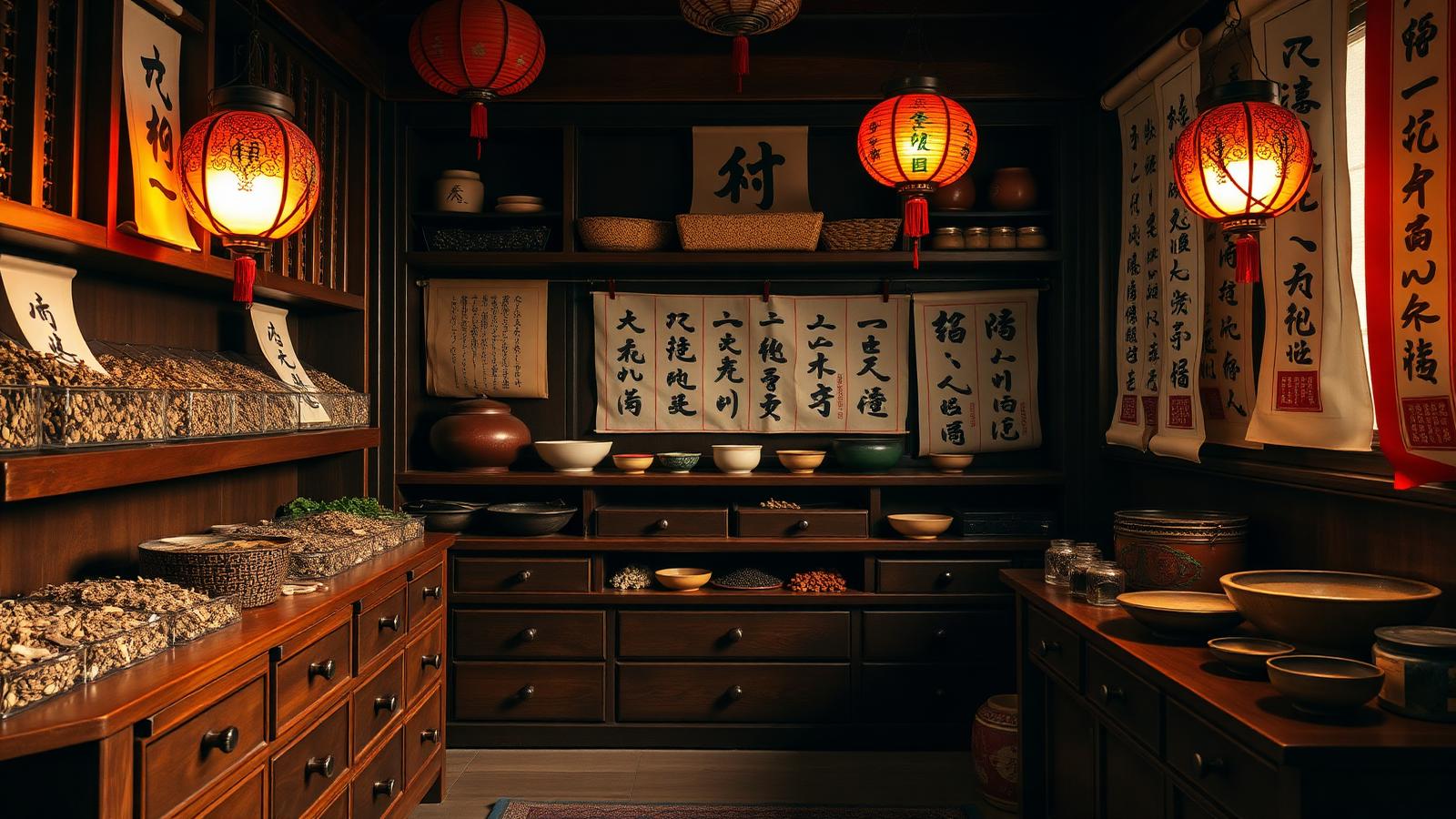
A 2,500-year-old system reading the person as a landscape of qi, organs, seasons, and elements.
- Curated companion
- Shared needs: chronic pain, anxiety, sleep
- Similar practices: acupuncture, qigong
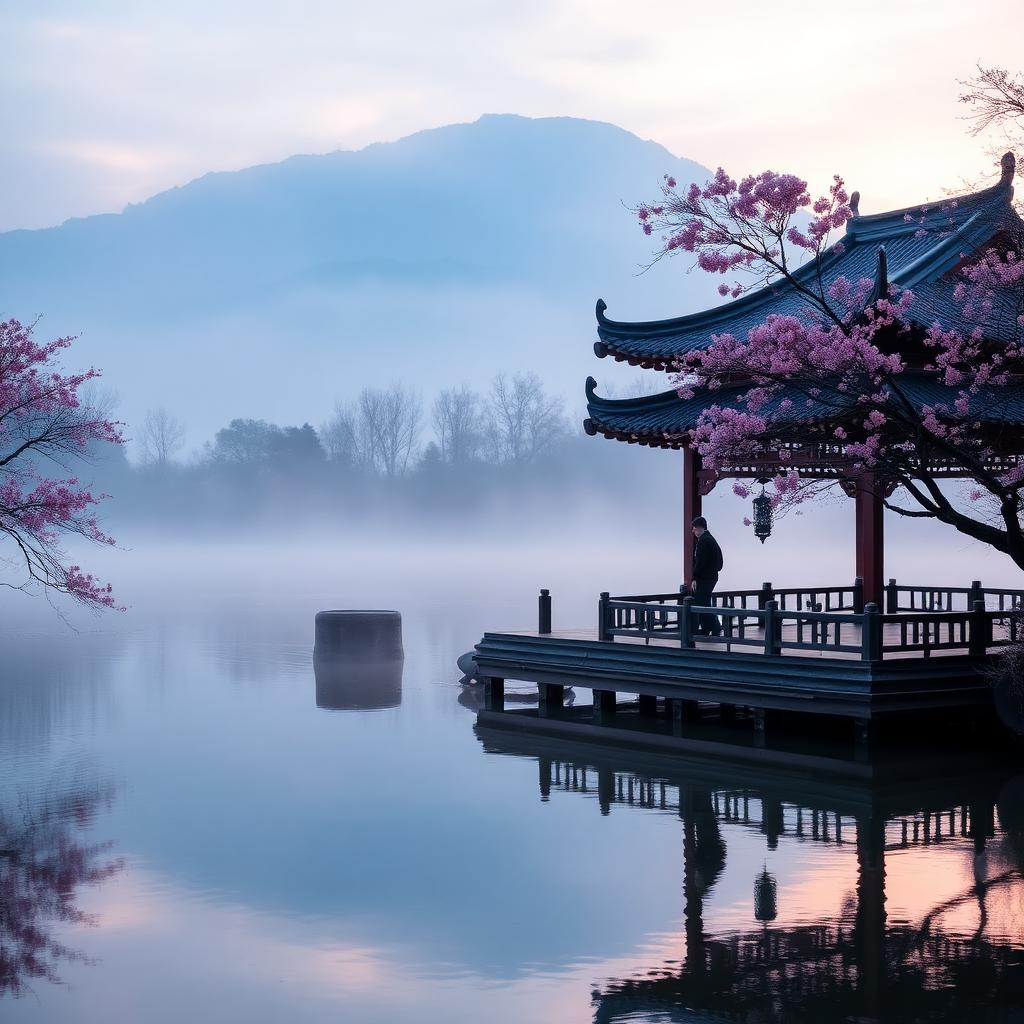
A Chinese moving meditation and internal martial art, studied for balance and stress.
- Curated companion
- Shared needs: balance, chronic pain
- Similar practices: daily, teacher, standing, meditation
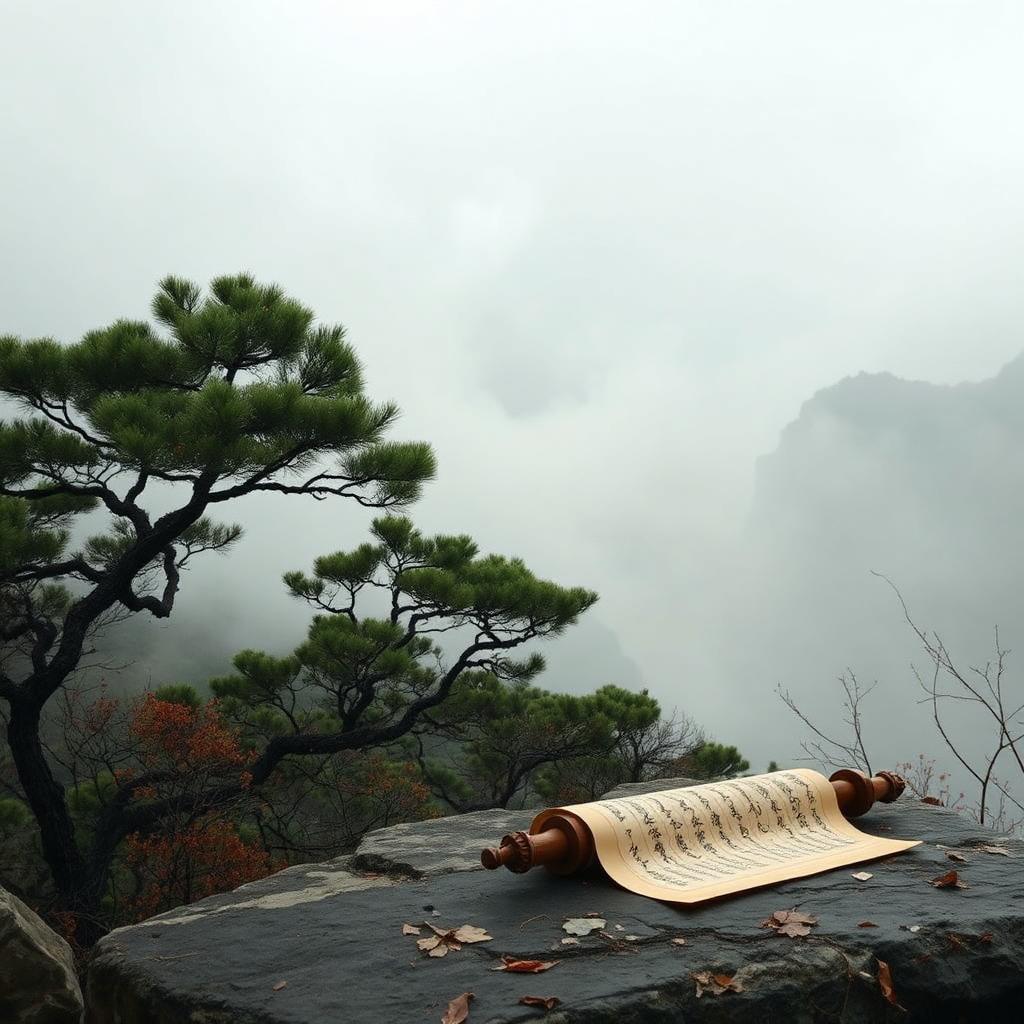
The Chinese practice of refining body-mind-spirit through breath, stillness, and imagination.
- Curated companion
- Similar practices: standing, meditation, zhan, zhuang
- Same region (Asia)
The eight-limbed path from India, posture, breath, ethics, and meditation as one whole.
- Shared needs: anxiety, chronic pain
- Similar practices: daily, meditation, working, teacher
- Same region (Asia)
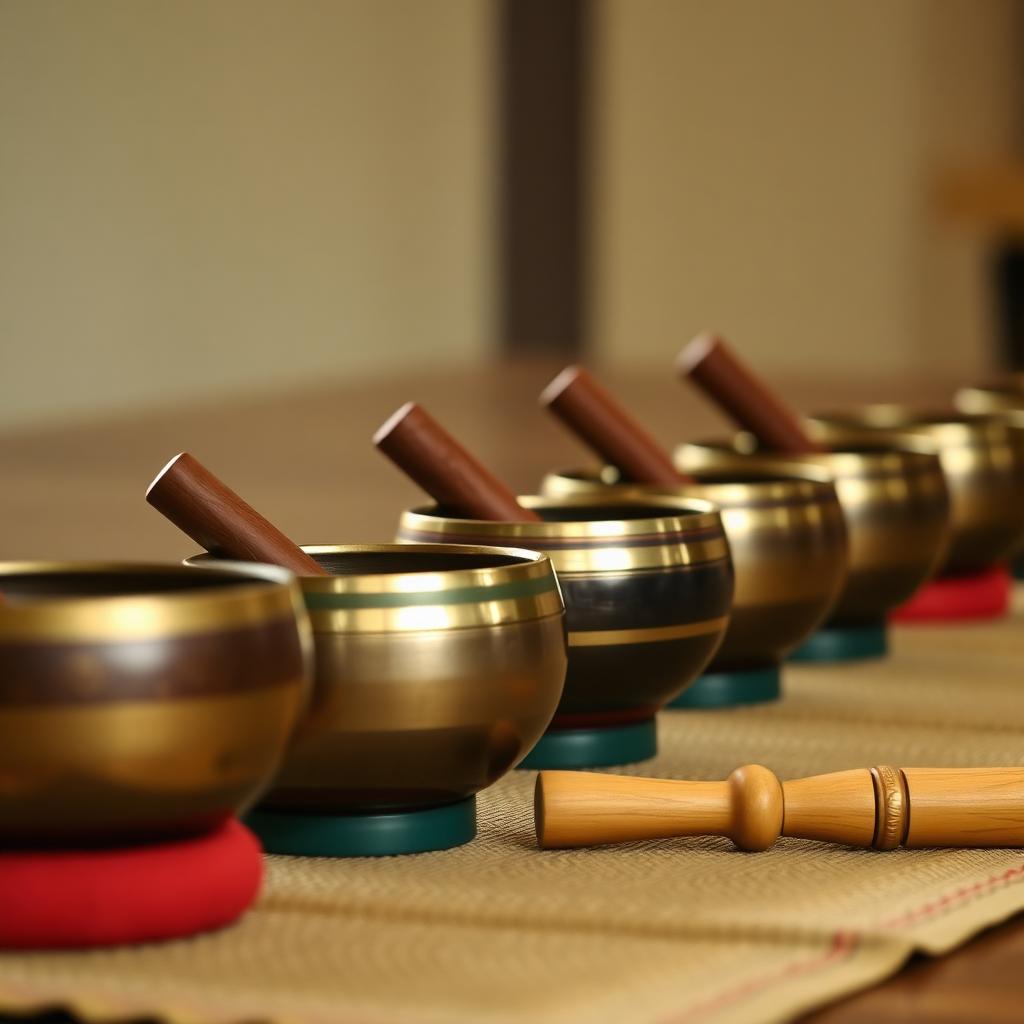
Singing bowls, gongs, and chant traditions used across cultures to shift state through vibration.
- Shared needs: anxiety, sleep
- Similar practices: daily, specific
- Same region (Asia)
The Japanese Buddhist school of direct awakening through zazen (seated meditation).
- Shared needs: anxiety
- Similar practices: daily, working, teacher, lineage
- Same region (Asia)