☯️Traditional Chinese Medicine
A 2,500-year-old system reading the person as a landscape of qi, organs, seasons, and elements.
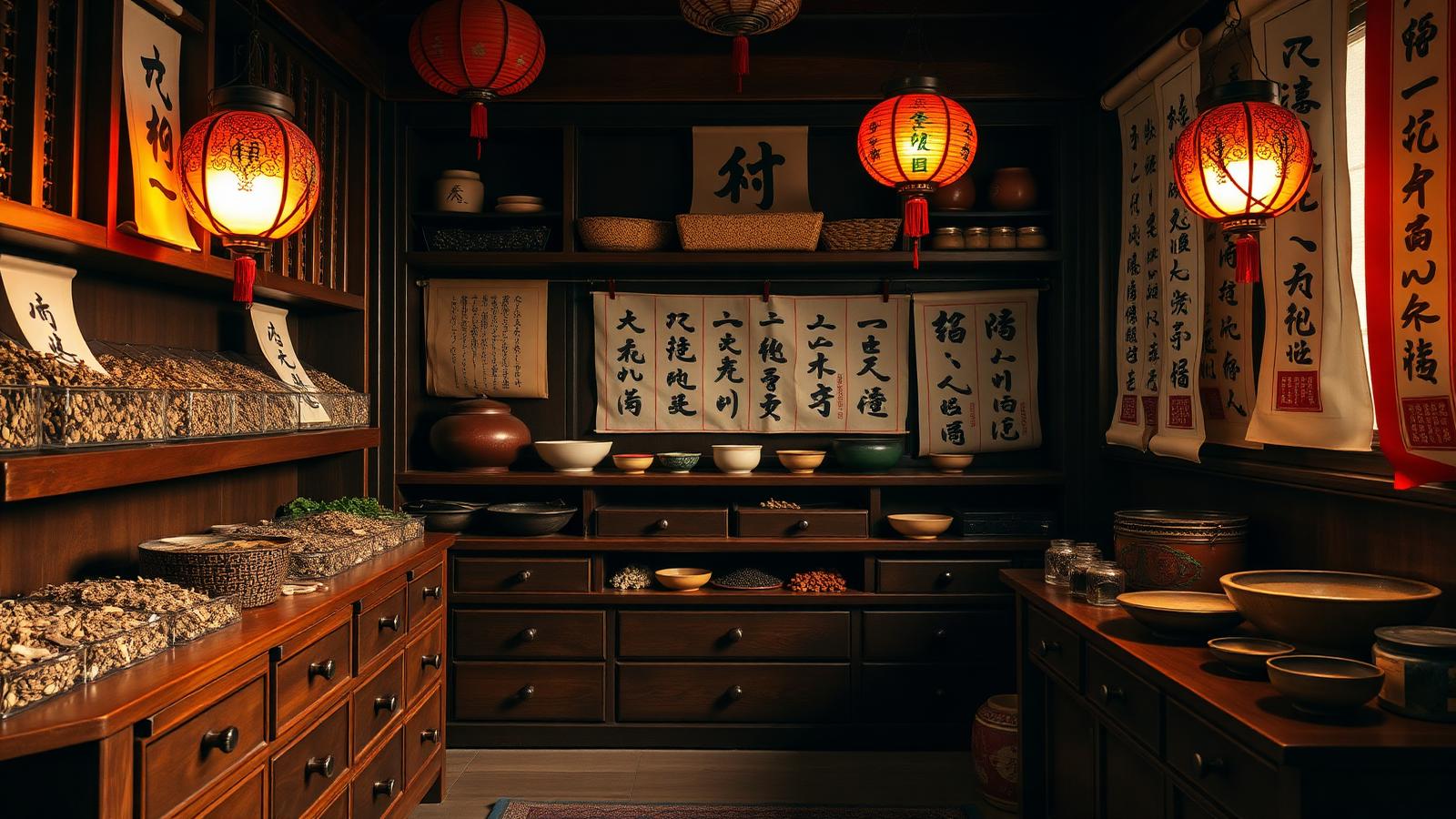
A traditional apothecary, the drawers, scales, and calligraphy of a lineage more than two thousand years old.
Object imagery representing a classical TCM setting.
Traditional Chinese Medicine (TCM) is a comprehensive medical system with a continuous history of more than 2,500 years, grounded in classical texts such as the Huangdi Neijing. It reads the body as a landscape where qi (vital energy), blood, and fluids move through meridians, and where health is the balance of yin and yang across five elements (wood, fire, earth, metal, water). Treatment weaves acupuncture, herbal formulas, dietary therapy, tuina bodywork, and internal arts such as qigong and tai chi. TCM is one of the world's most researched traditional systems, with growing evidence for acupuncture in chronic pain, anxiety, and select conditions.
Lineage: Attributed to Huangdi (Yellow Emperor) in myth; developed across dynasties by countless physicians and lineages.
Acupuncture / herbs $60, $200/session.
Estimates only. Many traditions offer sliding-scale, donation, or community access; sacred ceremonies are never for sale.
Distinguishing cultural belief, traditional practice, and evidence-supported effect where applicable.
Emotional
Each organ system is paired with an emotion, grief and the lungs, anger and the liver, fear and the kidneys, giving a felt language for emotional imbalance.
Psychological
The framework of yin/yang and the five elements offers a nuanced pattern-reading that resists 'one diagnosis for all'.
Spiritual
Rooted in Daoist and Confucian understandings of harmony with the natural order.
Community
In China, TCM clinics are woven into everyday life, care is unremarkable and ongoing, not saved for crisis.
Physical
Acupuncture, herbs, and bodywork act directly on the body.
Nervous system
Acupuncture and qigong are increasingly studied for their effects on the autonomic nervous system.
Areas of possible support, not guarantees or medical claims.
- People with chronic conditions unresolved by biomedicine alone
- Those in burnout who need help reading their own energy
- Anyone seeking a preventive, seasonal way of caring for the body
- Acupuncture and moxibustion
- Herbal formulas prescribed to the individual
- Tuina bodywork
- Qigong and tai chi
- Dietary therapy by pattern and season
What to know before exploring
Mixed evidence
Some components have research support, while others rest on centuries of lived experience and cultural knowledge that has not been formally studied. Read outcomes as suggestive, not proven, and trust the tradition's own ways of knowing.
- Herbal preparations and dosing. Herbs, tinctures, teas, and topical preparations can be gentle and powerful at the same time. They may interact with prescription medications or affect blood pressure, the liver, kidneys, or allergies. Quality and sourcing matter, so work with a knowledgeable practitioner and share your medication list.
- Fasting or restrictive diet. Fasts, cleanses, and prescribed diets can be meaningful, but they can also cause dizziness, low blood sugar, or electrolyte imbalance. They are best approached with care if you are pregnant, have diabetes, an eating-disorder history, or take medications that require food.
- Deep or invasive bodywork. Needles, cupping, moxibustion, deep tissue pressure, spinal manipulation, and abdominal work can leave marks or cause discomfort if done without care. Choose practitioners with clear training and clean, single-use or properly sterilized tools.
- Financial and spiritual exploitation risk. Sacred traditions can attract people who charge steep fees or claim exclusive spiritual authority. Trustworthy teachers welcome questions, encourage outside support, and never pressure you to pay for more than you can afford.
- Pregnancy, breastfeeding, and fertility treatment. Several herbs, essential oils, deep-tissue techniques, extreme temperatures, and intense breath or plant-medicine practices are not recommended during pregnancy, breastfeeding, or IVF cycles. Disclose your status and ask for a practitioner with prenatal training.
- Bleeding disorders and blood thinners. Practices that pierce or bruise the skin can cause prolonged bleeding or large bruises if you have hemophilia, low platelets, or take anticoagulants such as warfarin, apixaban, or high-dose aspirin. Let your practitioner know before you begin.
- Skin infections and immune suppression. Any practice that breaks the skin requires clean, single-use tools. If you are immunocompromised, in cancer treatment, or have active skin infection, it is wise to delay these practices or choose non-invasive alternatives.
- Prescription medication interactions. Bring a full medication list to your practitioner and pharmacist. Some common combinations need extra care, such as SSRIs and MAOIs with ayahuasca or St. John's wort, blood thinners with garlic or ginkgo, and immunosuppressants with many herbs. Your care team can help you navigate this.
This information is shared as general education, not medical advice. The safest path is to share your full health story and current medications with both the practitioner and your regular healthcare provider before beginning something new.
Which season am I most out of tune with, spring's rising, summer's radiance, autumn's letting go, or winter's stillness?
What organ-emotion pairing rings true right now, the lungs of grief, the liver of anger, the kidneys of fear?
Where in my life is my qi stuck, and where is it depleted?
Written in the spirit of this tradition, held as invitations, not instructions. Take what serves your reflection.
Which emotion, in the five-element view, keeps returning to me lately?
Where am I out of season with my own life?
Whose steady presence helps me return to my own center?
Engaging with respect
TCM is a full medical system that takes years to learn. Look for licensed acupuncturists and herbalists (L.Ac. or equivalent in your country) rather than weekend-trained practitioners.
Traditions that share needs, practices, or cultural context with this one. Explore with respect for each lineage's origins.
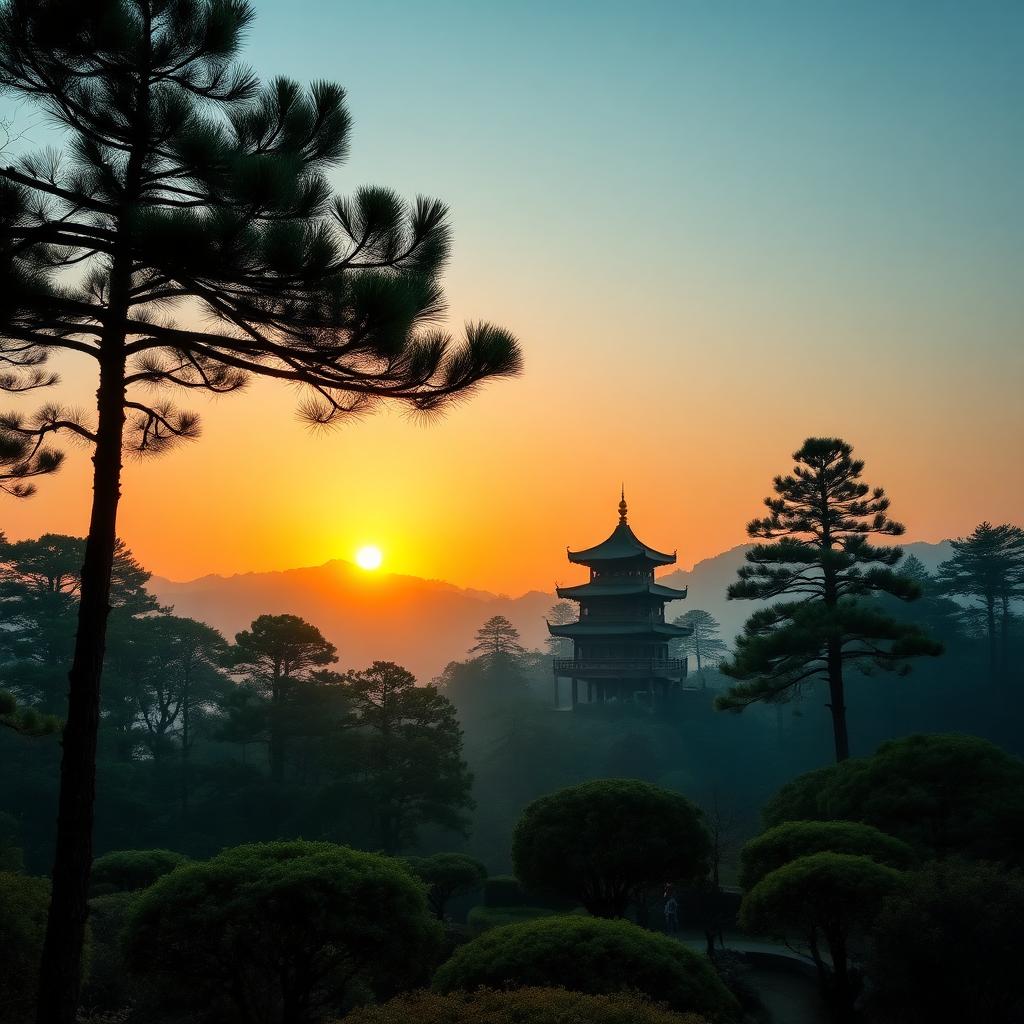
Chinese cultivation of qi through slow movement, breath, and intention.
- Curated companion
- Shared needs: chronic pain, anxiety, sleep
- Similar practices: qigong, acupuncture
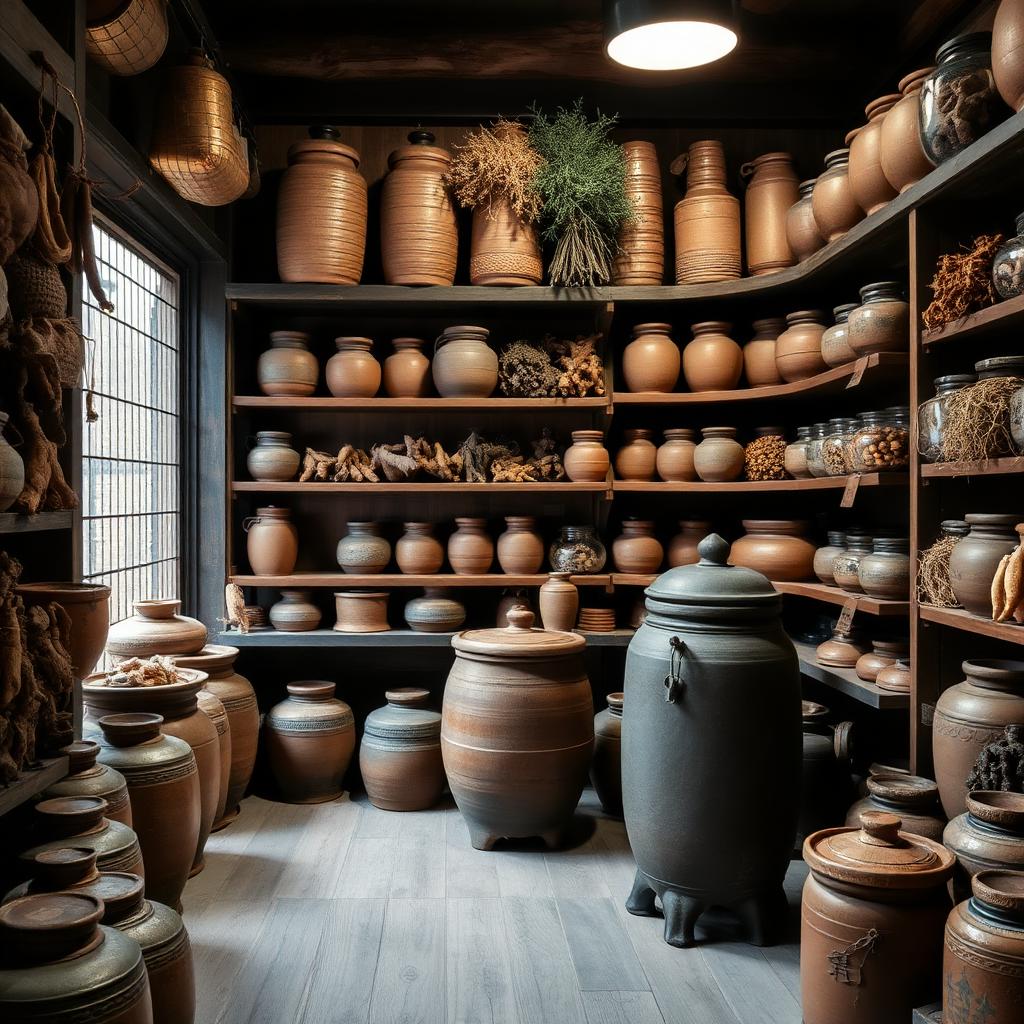
Korea's traditional medical system, a distinct sibling of TCM with its own theory and pharmacy.
- Curated companion
- Shared needs: digestion
- Similar practices: herbal, formulas, acupuncture
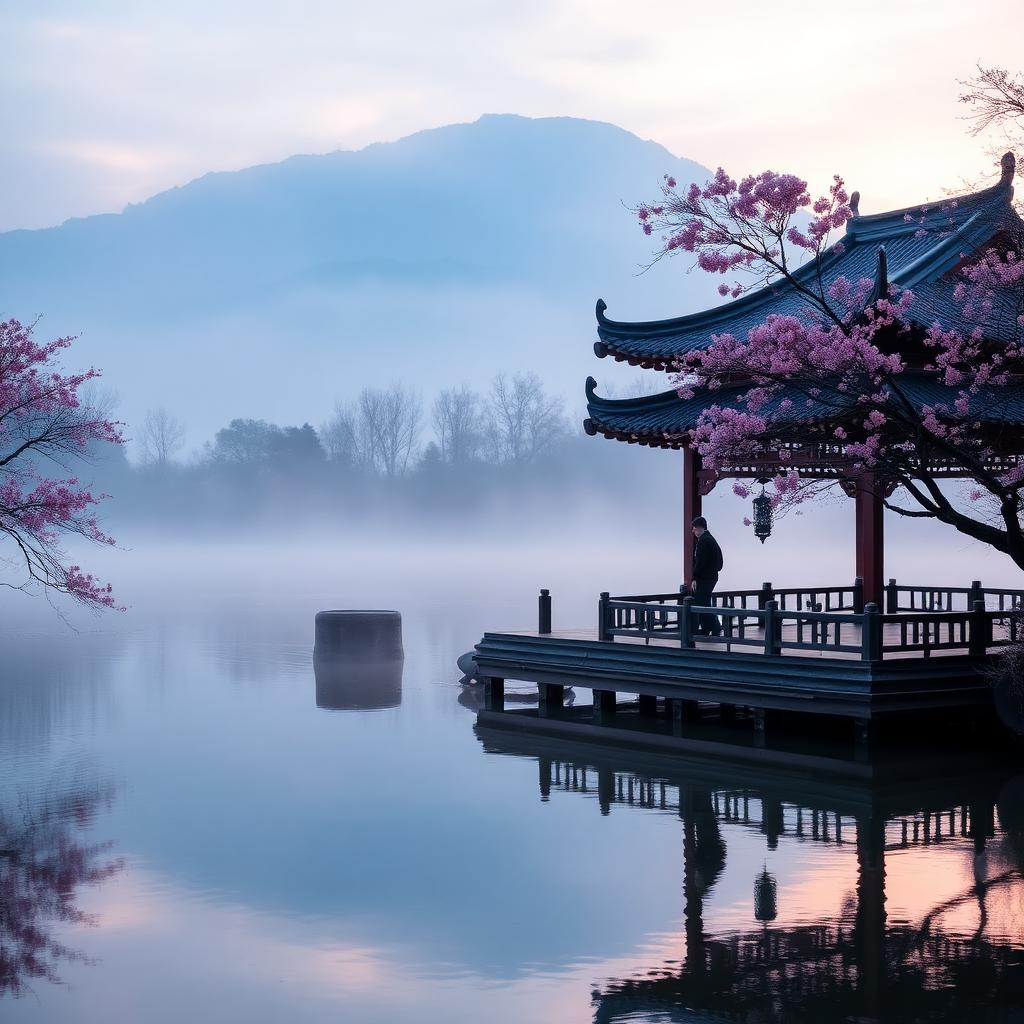
A Chinese moving meditation and internal martial art, studied for balance and stress.
- Curated companion
- Shared needs: chronic pain
- Same region (Asia)
Japanese lineages including Reiki, Johrei, and Seiki working with ki (life energy).
- Curated companion
- Same region (Asia)

The 'Science of Healing', Tibet's medical system woven with Buddhist psychology.
- Shared needs: digestion, sleep
- Similar practices: prescribed, herbal, formulas, dietary
- Same region (Asia)
The 5,000-year-old 'science of life' from India, dosha, rhythm, and elemental balance.
- Shared needs: digestion, sleep
- Similar practices: season
- Same region (Asia)