🌸Japanese Energy Practices
Japanese lineages including Reiki, Johrei, and Seiki working with ki (life energy).
Imagery evoking Japanese Energy Practices, Japanese lineages including Reiki, Johrei, and Seiki working with ki (life energy).
Symbolic imagery, generated with respect. No sacred ceremony or living person depicted.
Alongside Reiki, Japan holds other energy lineages: Johrei (Mokichi Okada, 1935), Seiki jutsu (Kaiseki Nishino), Shintaido, and the broader ki-oriented arts like Aikido. All share the sense that ki (life energy) can be cultivated, directed, and transmitted, and that gentle deep practice is more transformative than force.
Lineage: Mokichi Okada (Johrei), Kaiseki Nishino (Seiki), Hiroyuki Aoki (Shintaido), Morihei Ueshiba (Aikido).
$60, $150/session; classes vary.
Estimates only. Many traditions offer sliding-scale, donation, or community access; sacred ceremonies are never for sale.
Distinguishing cultural belief, traditional practice, and evidence-supported effect where applicable.
Emotional
Sustained gentle practice softens the habitual clench of a lifetime.
Psychological
Ki language reframes 'weak' or 'tired' as a state that can be tended, not a verdict.
Spiritual
Japanese Shinto and Buddhist substrate is felt in every session.
Community
Small dojo communities hold decades of practice together.
Physical
Improved posture, breath, and coordination over years.
Nervous system
Gentle sustained practice regulates arousal and vagal tone.
Areas of possible support, not guarantees or medical claims.
- People drawn to a lifelong path rather than a workshop weekend
- Those working with chronic tension or trauma that fast bodywork amplifies
- Leaders wanting embodied presence, not more mental strategy
- Regular practice in a chosen lineage
- Attending workshops in Japan or with authorized teachers
- Daily quiet ki cultivation
- Reading the founder texts of a chosen lineage
What to know before exploring
Mixed evidence
Some components have research support, while others rest on centuries of lived experience and cultural knowledge that has not been formally studied. Read outcomes as suggestive, not proven, and trust the tradition's own ways of knowing.
- Herbal preparations and dosing. Herbs, tinctures, teas, and topical preparations can be gentle and powerful at the same time. They may interact with prescription medications or affect blood pressure, the liver, kidneys, or allergies. Quality and sourcing matter, so work with a knowledgeable practitioner and share your medication list.
- Cultural appropriation and closed practices. Some elements are closed to outsiders or reserved for initiated practitioners. Participating without invitation, or teaching without lineage, can harm living communities and weaken the practice itself. Approach as a respectful learner, not a consumer.
This information is shared as general education, not medical advice. The safest path is to share your full health story and current medications with both the practitioner and your regular healthcare provider before beginning something new.
Where in my body does energy pool, and where is it thin?
What if force is always slower than presence?
Which of my daily acts could be practice, not just task?
Written in the spirit of this tradition, held as invitations, not instructions. Take what serves your reflection.
Where in my body does my ki feel stuck, hurried, or unsettled?
What would it mean to become receptive rather than forceful today?
Who among my teachers taught me care through silent presence?
Traditions that share needs, practices, or cultural context with this one. Explore with respect for each lineage's origins.
A Japanese practice of hands-on and hands-off energy work developed by Mikao Usui.
- Curated companion
- Shared needs: stress
- Similar practices: daily
Chinese cultivation of qi through slow movement, breath, and intention.
- Curated companion
- Similar practices: daily, lineage
- Same region (Asia)
Japanese finger-pressure bodywork along the meridians of Traditional Chinese Medicine.
- Shared needs: stress
- Similar practices: regular, attending, practice
- Same region (Asia)
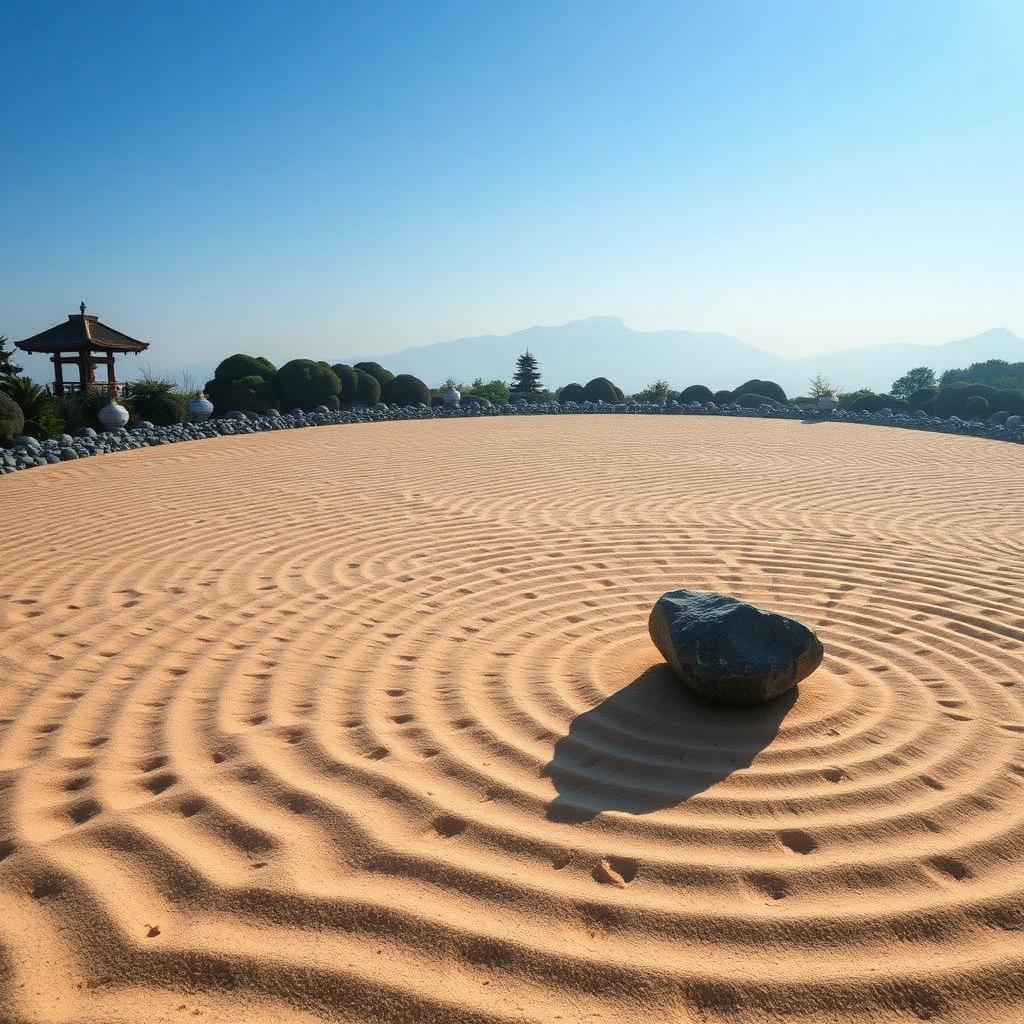
The Japanese Buddhist school of direct awakening through zazen (seated meditation).
- Shared needs: meaning
- Similar practices: daily, lineage, reading
- Same region (Asia)
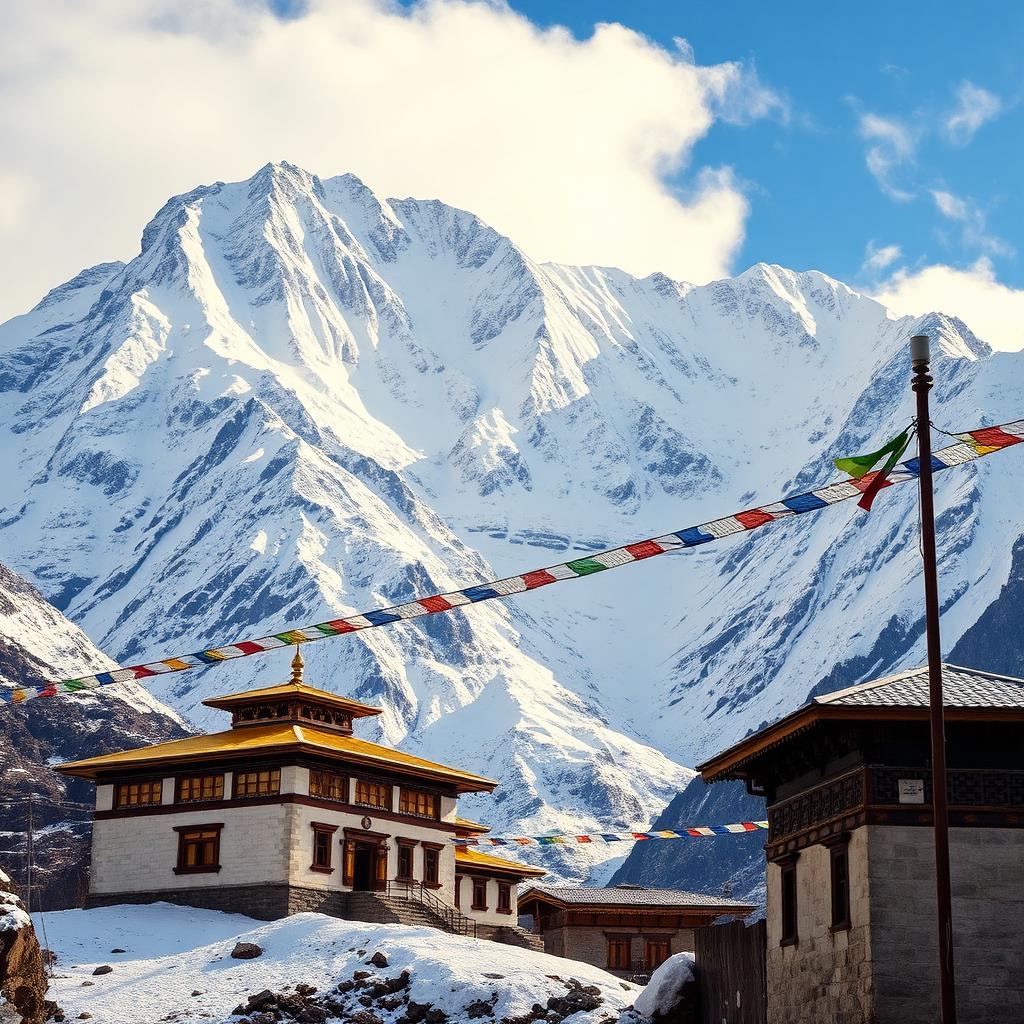
The 'Science of Healing', Tibet's medical system woven with Buddhist psychology.
- Shared needs: chronic conditions, meaning
- Same region (Asia)
Present-moment, non-judging awareness, Buddhist in root, now a global evidence-based practice.
- Shared needs: stress
- Similar practices: attending, daily, practice, reading