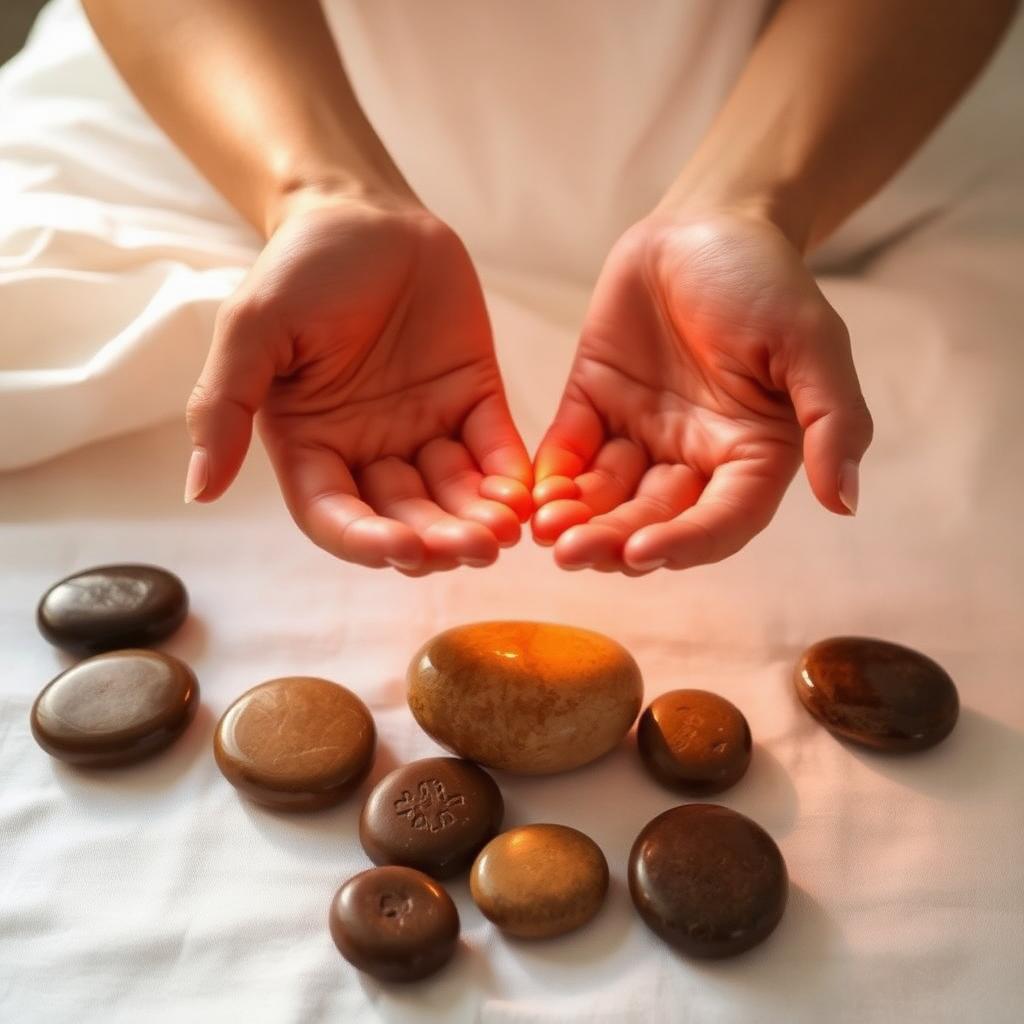
🙌Reiki
A Japanese practice of hands-on and hands-off energy work developed by Mikao Usui.
Imagery evoking Reiki, A Japanese practice of hands-on and hands-off energy work developed by Mikao Usui.
Symbolic imagery, generated with respect. No sacred ceremony or living person depicted.
Reiki is a Japanese practice developed by Mikao Usui in the early 20th century. A practitioner places hands lightly on or above the body to channel what the tradition calls universal life energy (rei-ki). Research is mixed: benefits often match those of any deep-relaxation practice, but many patients report meaningful comfort. It is offered in hospitals worldwide as a complementary practice.
Lineage: Mikao Usui; carried by Hayashi, Takata, and thousands of attuned Reiki masters worldwide.
Sessions $60, $150; community clinics by donation.
Estimates only. Many traditions offer sliding-scale, donation, or community access; sacred ceremonies are never for sale.
Distinguishing cultural belief, traditional practice, and evidence-supported effect where applicable.
Emotional
The felt sense of being unhurriedly cared for often loosens grief that talk has not reached.
Psychological
A structured hour of stillness gives the mind permission to stop performing.
Spiritual
Framed within Usui's Buddhist-influenced teaching of gratitude, non-anger, and honest work.
Community
Reiki shares and exchanges create small circles of mutual care.
Physical
Reported reduction in pain scores and nausea in oncology and palliative settings.
Nervous system
Deep parasympathetic downshift; slowed breath and heart during a session.
Areas of possible support, not guarantees or medical claims.
- People in palliative or oncology care wanting gentle adjunct comfort
- Anyone chronically bracing whose talk therapy has plateaued
- Caregivers who need a portable self-practice
- Receiving Reiki from a trained practitioner
- Attunement (levels I, II, III) and daily self-practice
- Reiki as adjunct to medical care, not a replacement
- The five Reiki precepts as daily meditation
What to know before exploring
Mixed evidence
Some components have research support, while others rest on centuries of lived experience and cultural knowledge that has not been formally studied. Read outcomes as suggestive, not proven, and trust the tradition's own ways of knowing.
- Practitioner quality varies. This tradition is not licensed or regulated in most countries. Skill, ethics, and training vary widely between practitioners. Ask about lineage, training length, informed consent practices, and how safety concerns are handled.
This information is shared as general education, not medical advice. The safest path is to share your full health story and current medications with both the practitioner and your regular healthcare provider before beginning something new.
What in my body most wants to be held?
How do I feel touch and presence together?
Where have I been treating rest as something I have to earn?
Written in the spirit of this tradition, held as invitations, not instructions. Take what serves your reflection.
Where in my body am I asking, without words, to be met?
What does it mean to be a channel, not the source, of care?
Whose hands, literal or figurative, have helped me feel held?
Engaging with respect
Reiki is Japanese in origin; honor its lineage and the precepts, not just the technique.
Traditions that share needs, practices, or cultural context with this one. Explore with respect for each lineage's origins.
Japanese finger-pressure bodywork along the meridians of Traditional Chinese Medicine.
- Curated companion
- Shared needs: stress
- Similar practices: trained, practitioner
Japanese lineages including Reiki, Johrei, and Seiki working with ki (life energy).
- Curated companion
- Shared needs: stress
- Similar practices: daily
Chinese cultivation of qi through slow movement, breath, and intention.
- Curated companion
- Shared needs: anxiety
- Similar practices: daily, meditation
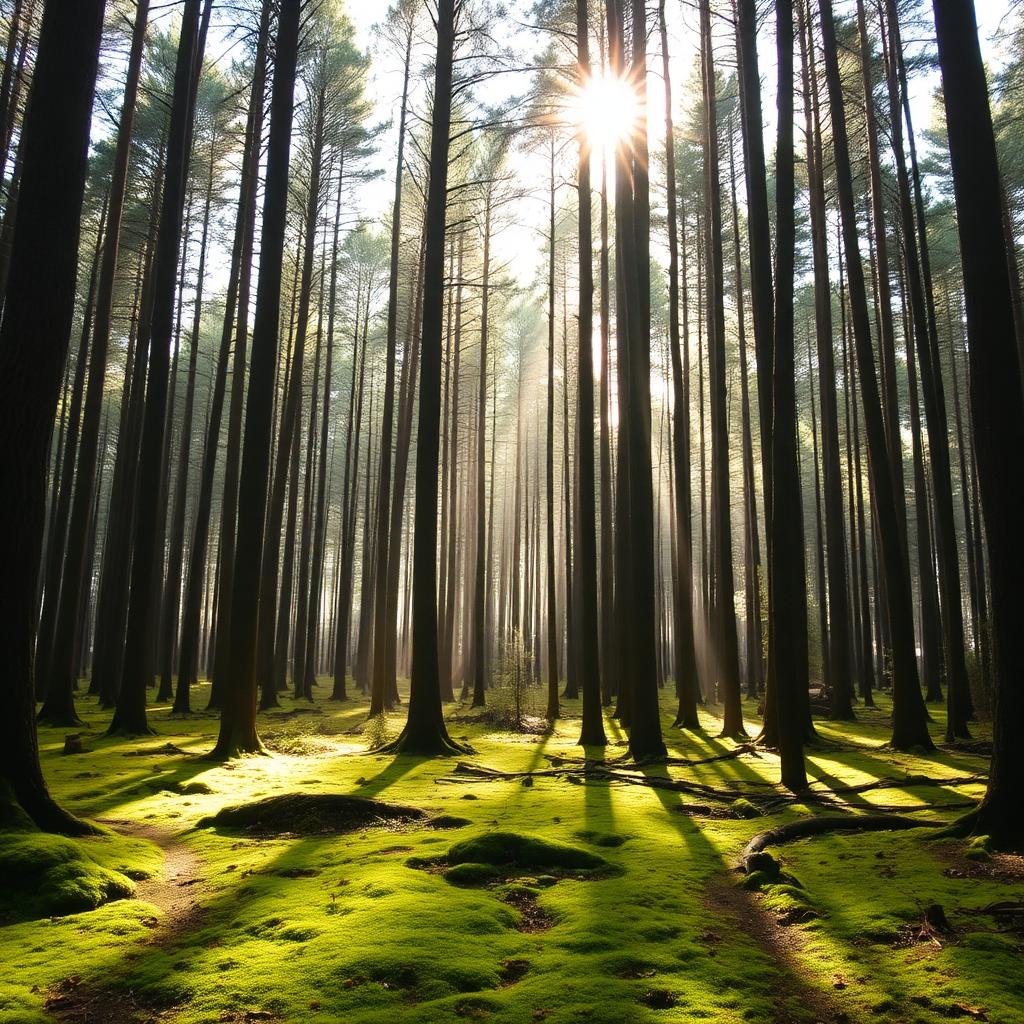
Slow, sensory presence in a forest, Japanese in name, and now studied for stress and immunity effects.
- Shared needs: stress, grief
- Same region (Asia)
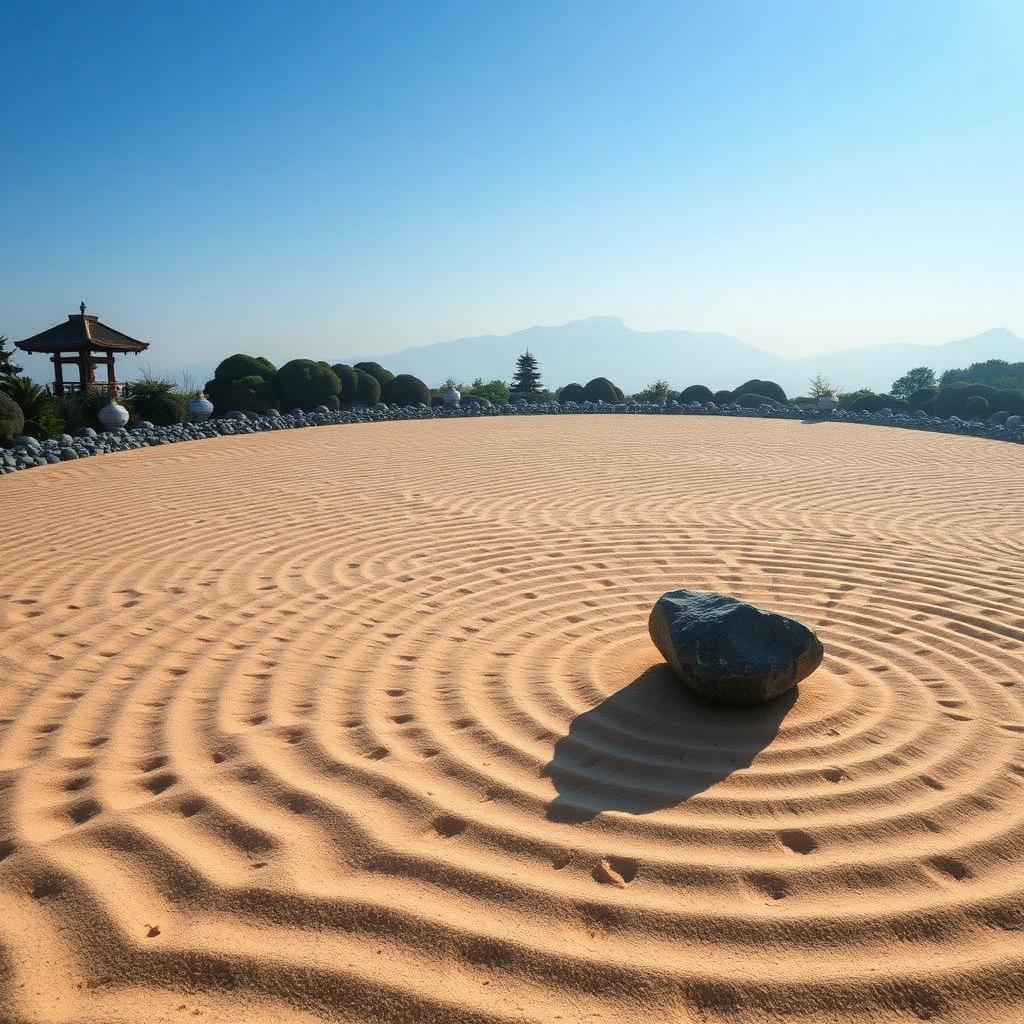
The Japanese Buddhist school of direct awakening through zazen (seated meditation).
- Shared needs: anxiety, grief
- Similar practices: daily
- Same region (Asia)
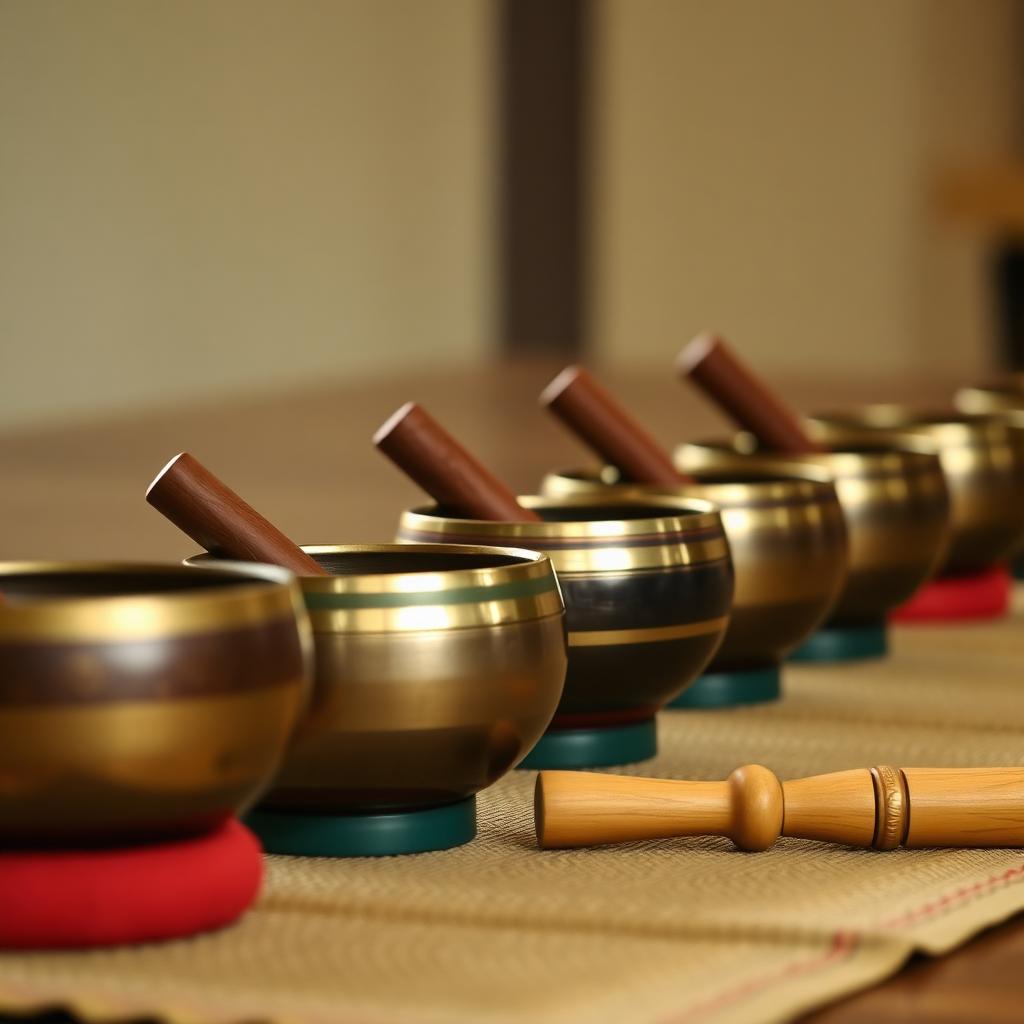
Singing bowls, gongs, and chant traditions used across cultures to shift state through vibration.
- Shared needs: anxiety, grief
- Similar practices: daily
- Same region (Asia)