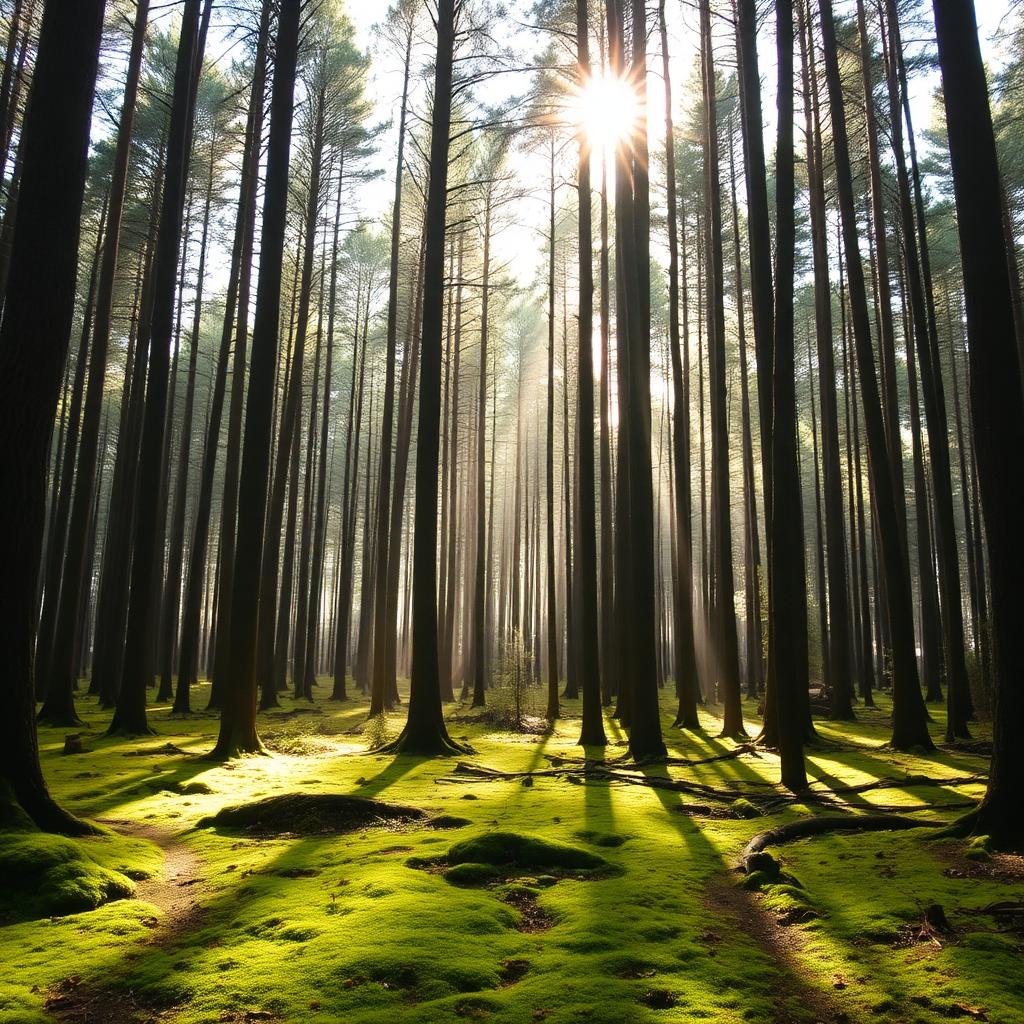
🌲Forest Bathing (Shinrin-yoku)
Slow, sensory presence in a forest, Japanese in name, and now studied for stress and immunity effects.
Imagery evoking Forest Bathing (Shinrin-yoku), Slow, sensory presence in a forest, Japanese in name, and now studied for stress and immunity effects.
Symbolic imagery, generated with respect. No sacred ceremony or living person depicted.
Shinrin-yoku ('forest bathing') was coined by the Japanese Ministry of Agriculture, Forestry and Fisheries in 1982 as a public health measure. It is the practice of slow, sensory presence in a forest, without the goal of exercise or destination. Research from Japan, Korea, and Europe shows benefits for immune function (increased natural killer cell activity), stress hormones, blood pressure, and mood. Certified forest therapy guides now offer sessions worldwide.
Certified walks $40, $120.
Estimates only. Many traditions offer sliding-scale, donation, or community access; sacred ceremonies are never for sale.
Distinguishing cultural belief, traditional practice, and evidence-supported effect where applicable.
Psychological
Consistent effects on mood and stress.
Physical
Evidence for immune, cardiovascular, and endocrine benefits.
Nervous system
Downshifts the sympathetic system.
- Two-hour slow walk in a forest, at least monthly
- Sitting still for 20 minutes with eyes closed under trees
- Working with a certified forest therapy guide
- Bringing children to trees before screens
What to know before exploring
Evidence supported
Elements of this practice have been studied in peer-reviewed research and show measurable benefits for specific concerns. Study quality varies, and the tradition itself is broader than what science has measured. Evidence is one lens; lived lineage and cultural wisdom are equally important.
- Cultural appropriation and closed practices. Some elements are closed to outsiders or reserved for initiated practitioners. Participating without invitation, or teaching without lineage, can harm living communities and weaken the practice itself. Approach as a respectful learner, not a consumer.
This information is shared as general education, not medical advice. The safest path is to share your full health story and current medications with both the practitioner and your regular healthcare provider before beginning something new.
When did I last spend two unhurried hours in a forest?
Which tree do I want to know for the rest of my life?
Written in the spirit of this tradition, held as invitations, not instructions. Take what serves your reflection.
How does my mood change after twenty minutes among trees?
What am I noticing when I let the forest notice me first?
Which people in my life would breathe easier under a canopy with me?
Traditions that share needs, practices, or cultural context with this one. Explore with respect for each lineage's origins.
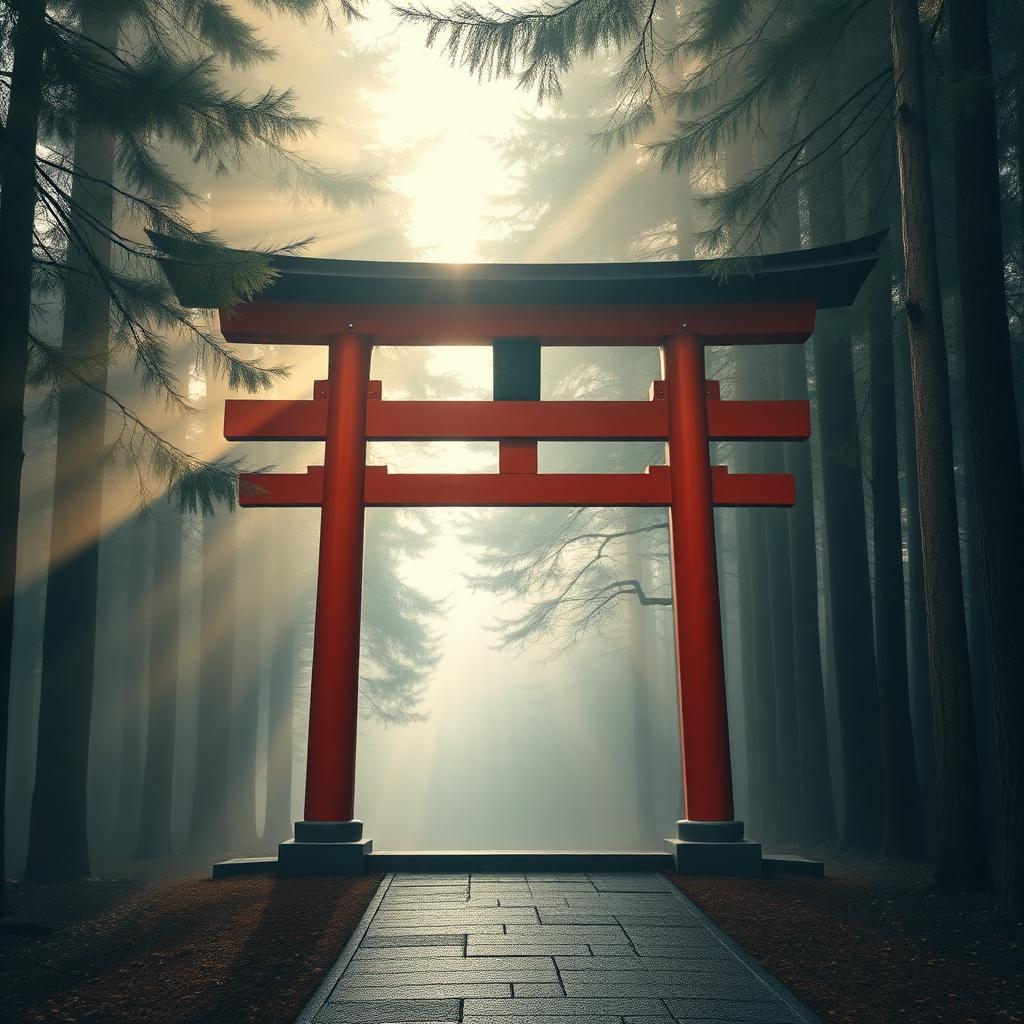
The Japanese practice of cleansing under cold waterfalls or by salt, water, and prayer.
- Curated companion
- Shared needs: grief
- Same region (Asia)
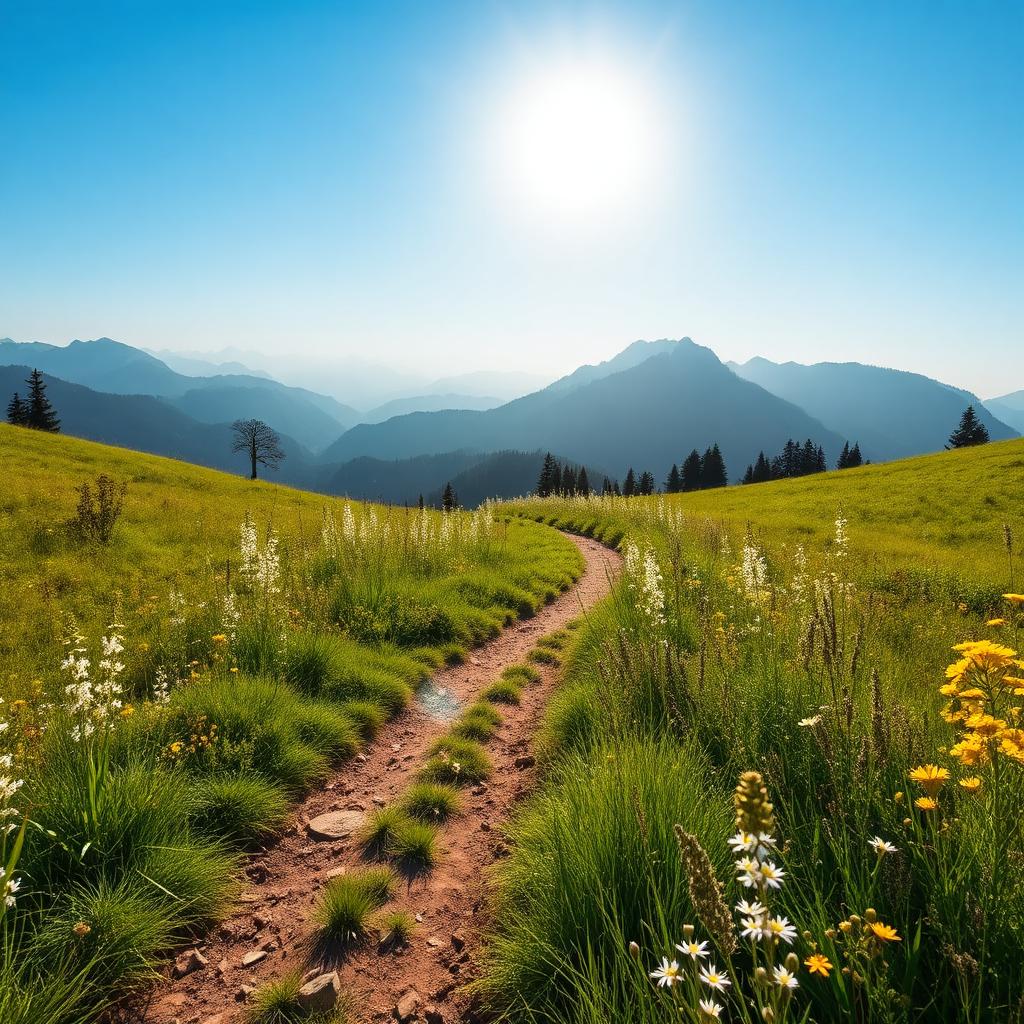
Therapeutic use of the more-than-human world, forest, water, garden, animal.
- Curated companion
- Shared needs: grief
- Same tradition type
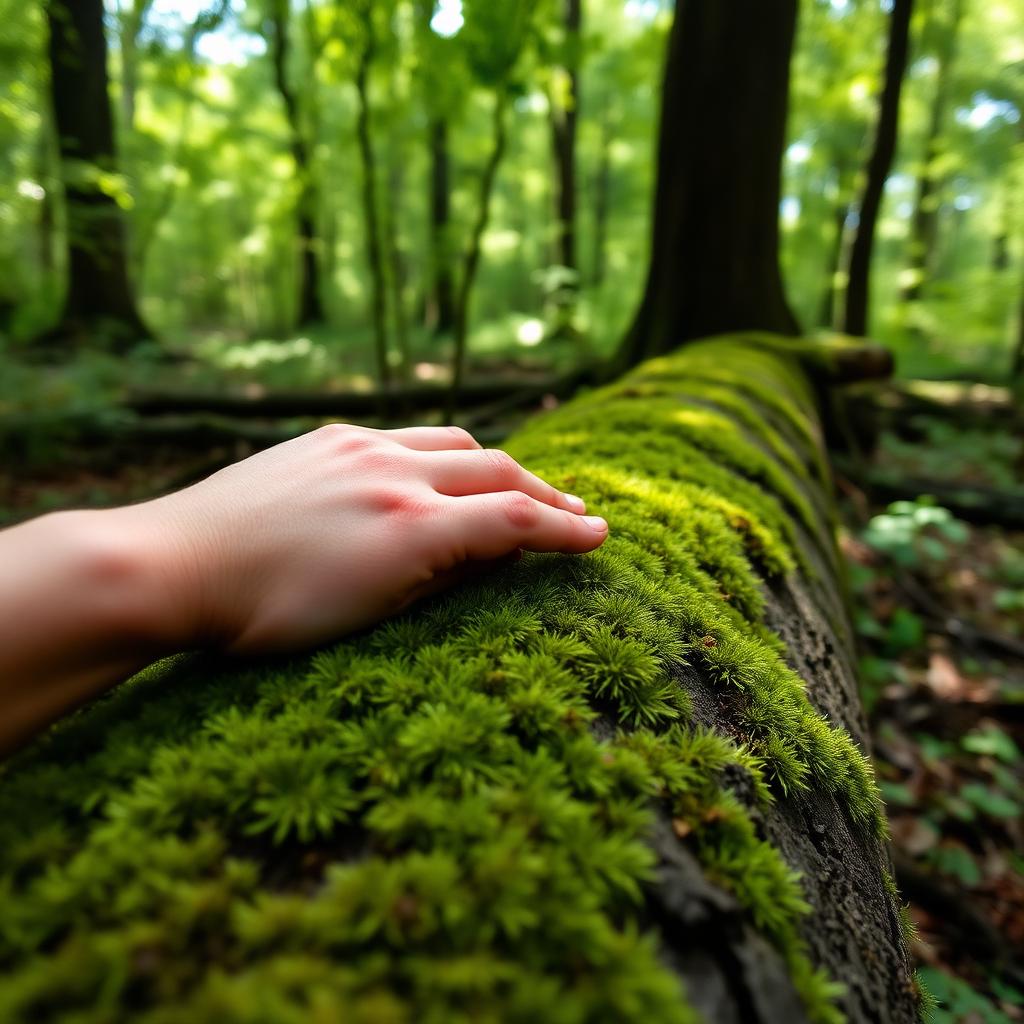
Therapy that treats the person and the earth as inseparable, healing through nature relationship.
- Curated companion
- Similar practices: forest, therapy
- Same tradition type
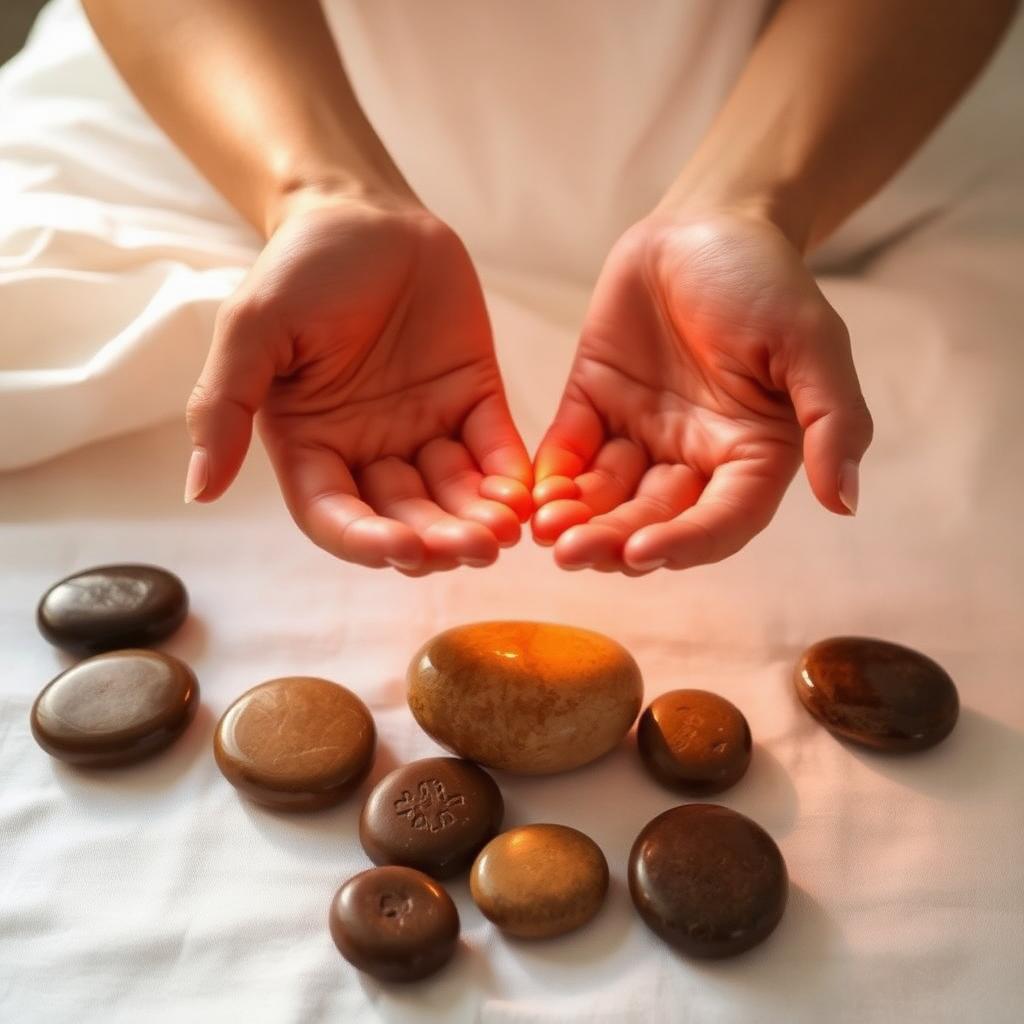
A Japanese practice of hands-on and hands-off energy work developed by Mikao Usui.
- Shared needs: stress, grief
- Same region (Asia)
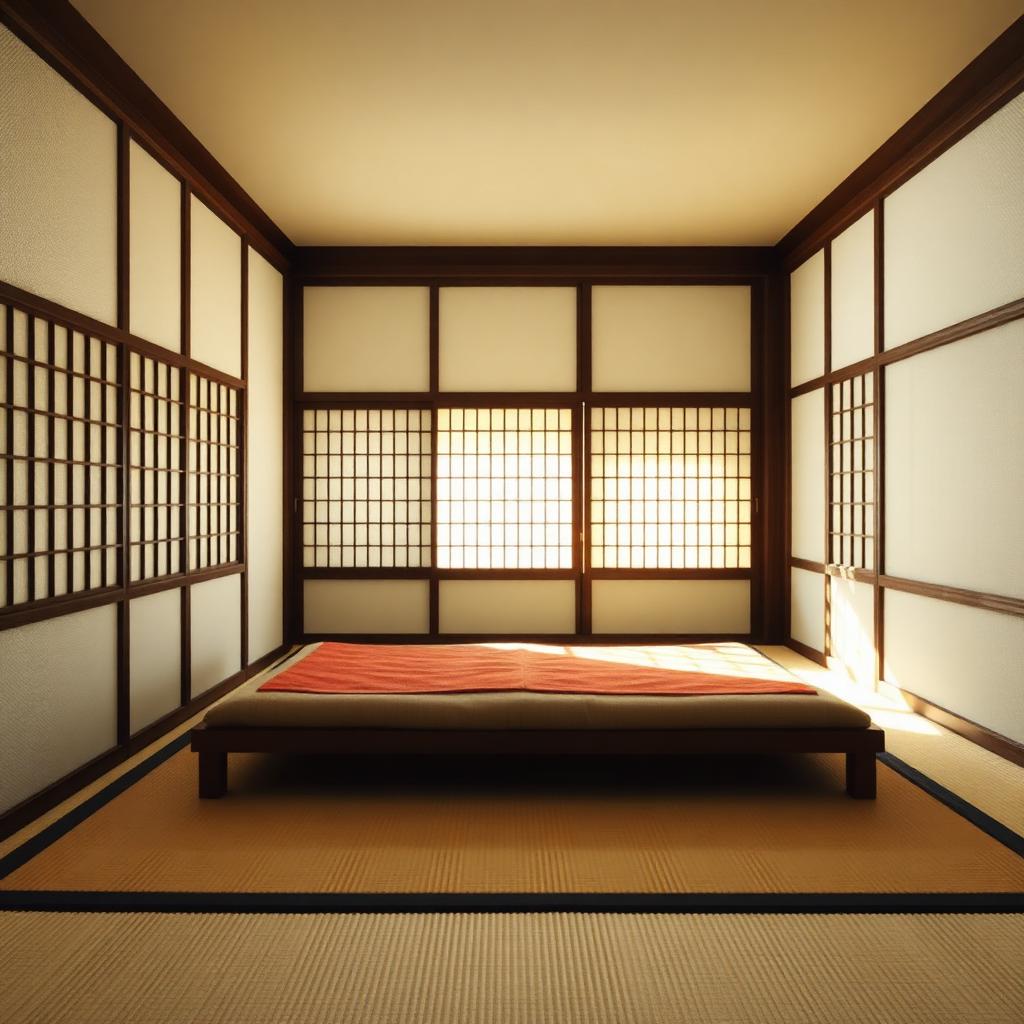
Japanese finger-pressure bodywork along the meridians of Traditional Chinese Medicine.
- Shared needs: stress, sleep
- Same region (Asia)
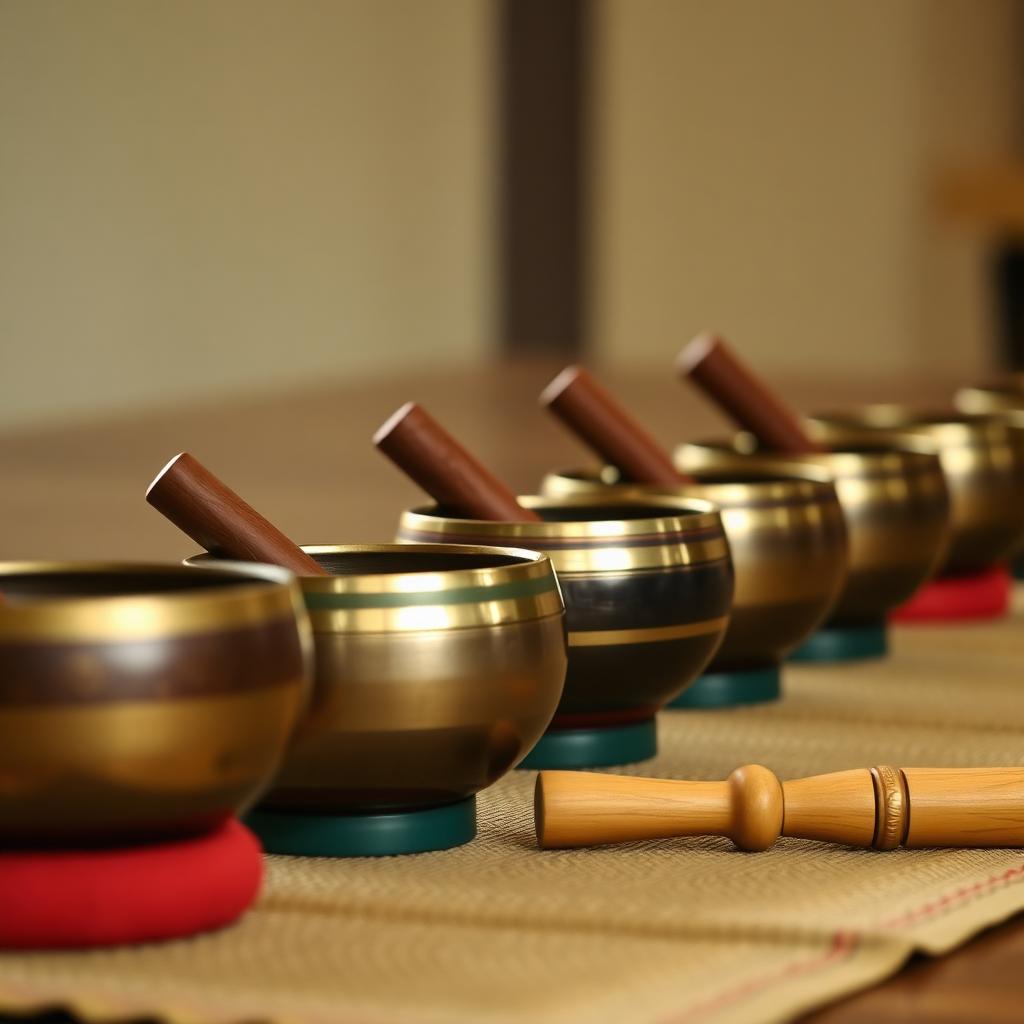
Singing bowls, gongs, and chant traditions used across cultures to shift state through vibration.
- Shared needs: sleep, grief
- Similar practices: minutes
- Same region (Asia)