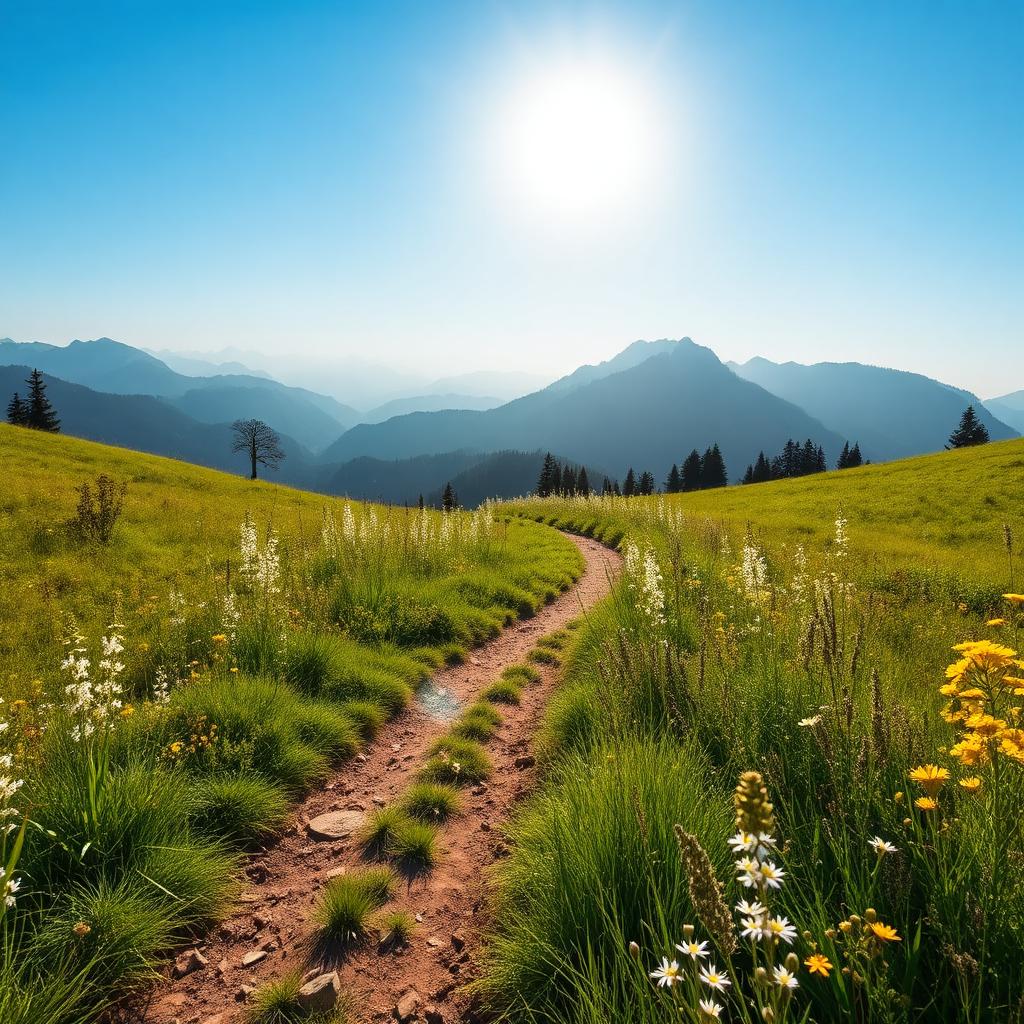
🌳Nature Therapy
Therapeutic use of the more-than-human world, forest, water, garden, animal.
Imagery evoking Nature Therapy, Therapeutic use of the more-than-human world, forest, water, garden, animal.
Symbolic imagery, generated with respect. No sacred ceremony or living person depicted.
Nature Therapy encompasses forest bathing, wilderness therapy, therapeutic gardening, adventure therapy, and animal-assisted therapy. The mechanism is not one thing but many: sunlight, phytoncides (aerosols released by trees), microbial exposure, physical activity, reduced sensory overload, and re-connection to something larger than the self. Two hours a week outdoors is associated with meaningful health gains.
Self-guided free; certified sessions $80, $200.
Estimates only. Many traditions offer sliding-scale, donation, or community access; sacred ceremonies are never for sale.
Distinguishing cultural belief, traditional practice, and evidence-supported effect where applicable.
Psychological
Strong dose-response evidence for time outdoors.
Spiritual
The more-than-human world as teacher.
Physical
Sunlight, movement, and microbial exposure.
- Two hours per week in a natural setting
- Weekly walks in the same park to know it through seasons
- Gardening as regular practice
- Animal companionship (with the responsibility that entails)
What to know before exploring
Evidence supported
Elements of this practice have been studied in peer-reviewed research and show measurable benefits for specific concerns. Study quality varies, and the tradition itself is broader than what science has measured. Evidence is one lens; lived lineage and cultural wisdom are equally important.
- Trance, possession, and altered states. Drumming, dance, and possession-based ceremonies can open non-ordinary states that feel profound but may be destabilizing for people with a personal or family history of psychosis, bipolar, dissociation, or acute trauma. Go slowly and honestly, with trustworthy support.
- Psychosis, bipolar I, or dissociative history (extra pause recommended). If you or a close family member has a history of psychosis, schizophrenia, bipolar I, dissociative disorders, or are in an acute mental health episode, please be extra gentle. Psychedelic, trance, and intense inner-work practices are best avoided unless you are working closely with a psychiatrist who understands this territory.
This information is shared as general education, not medical advice. The safest path is to share your full health story and current medications with both the practitioner and your regular healthcare provider before beginning something new.
Where is the nearest genuinely wild place, and when did I last visit?
Which animal do I meet weekly, and what does it teach me?
Written in the spirit of this tradition, held as invitations, not instructions. Take what serves your reflection.
When I am outside, which feelings finally have room to breathe?
What does the more-than-human world reflect back to me about who I am?
Which place has been a companion to me through different chapters of my life?
Traditions that share needs, practices, or cultural context with this one. Explore with respect for each lineage's origins.
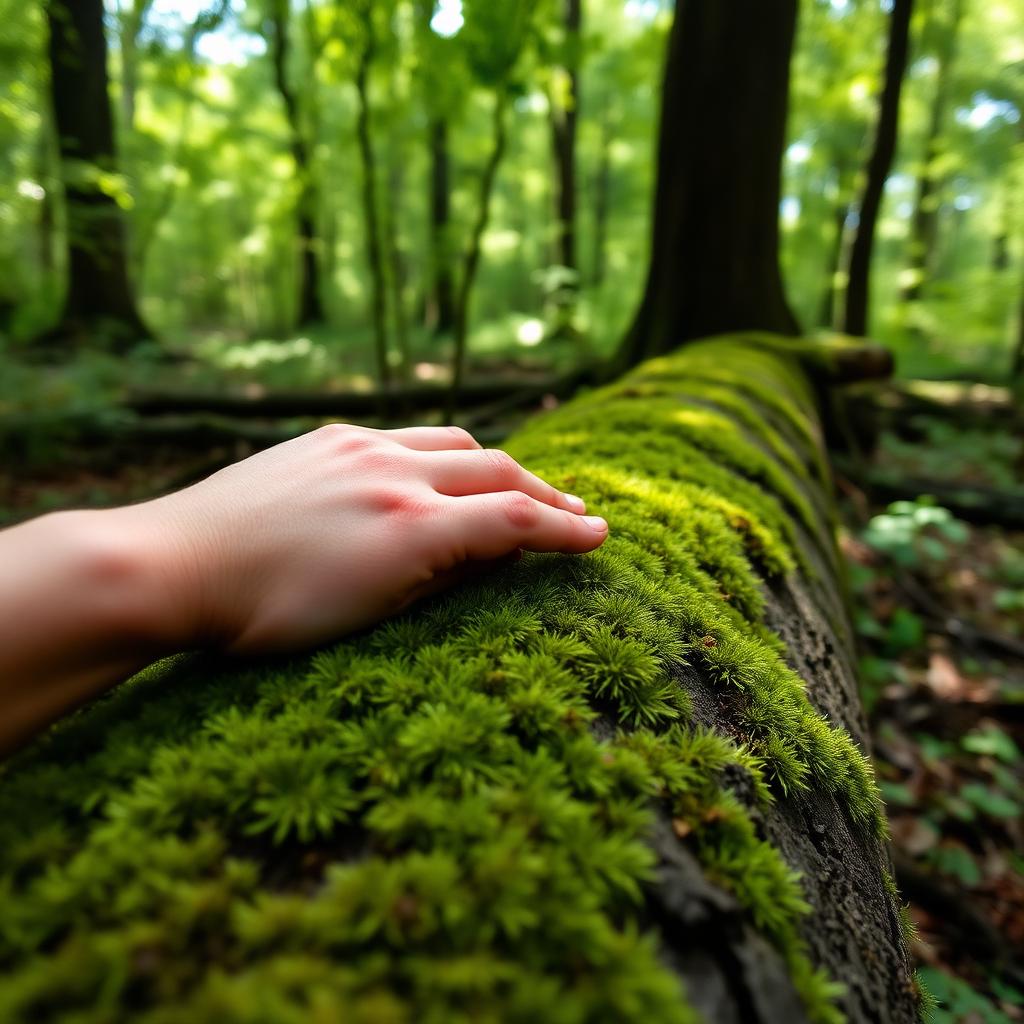
Therapy that treats the person and the earth as inseparable, healing through nature relationship.
- Curated companion
- Shared needs: depression, anxiety
- Similar practices: hours, week, park, same
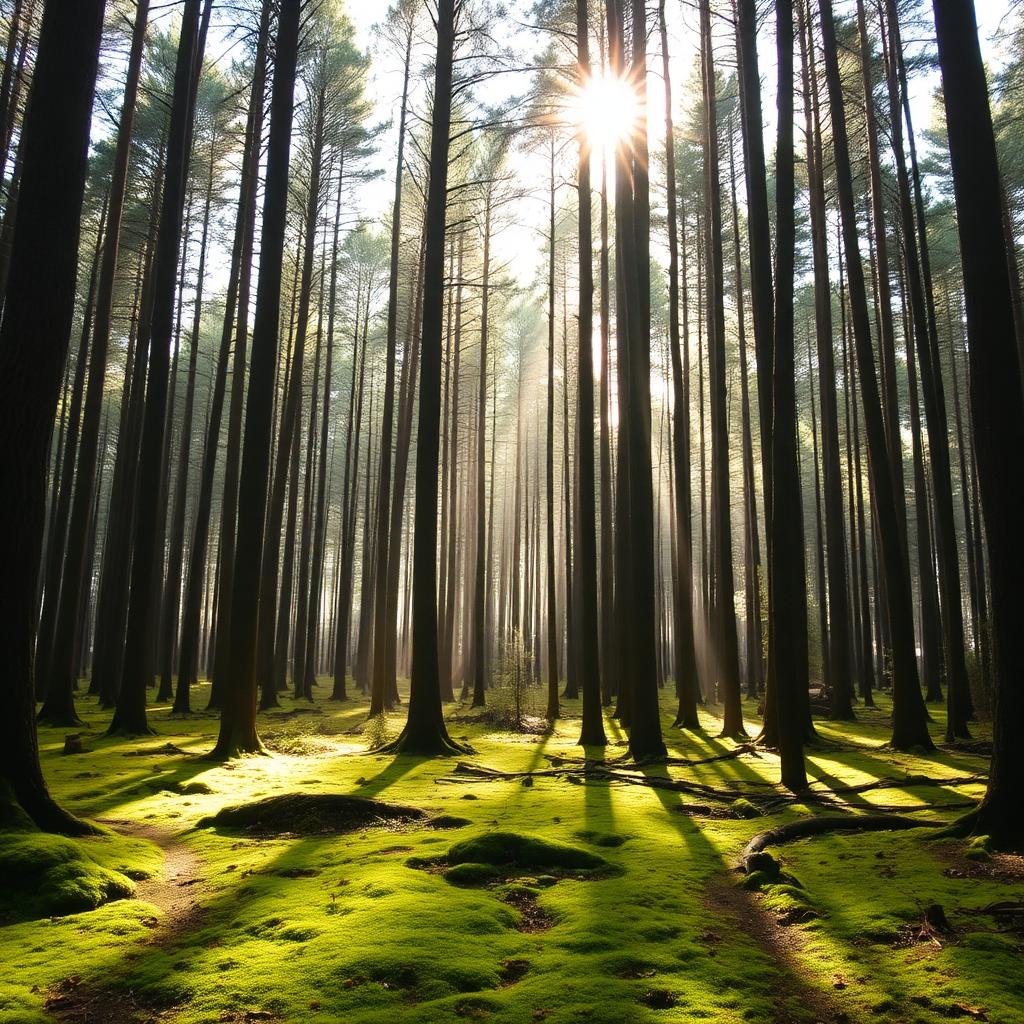
Slow, sensory presence in a forest, Japanese in name, and now studied for stress and immunity effects.
- Curated companion
- Shared needs: grief
- Same tradition type
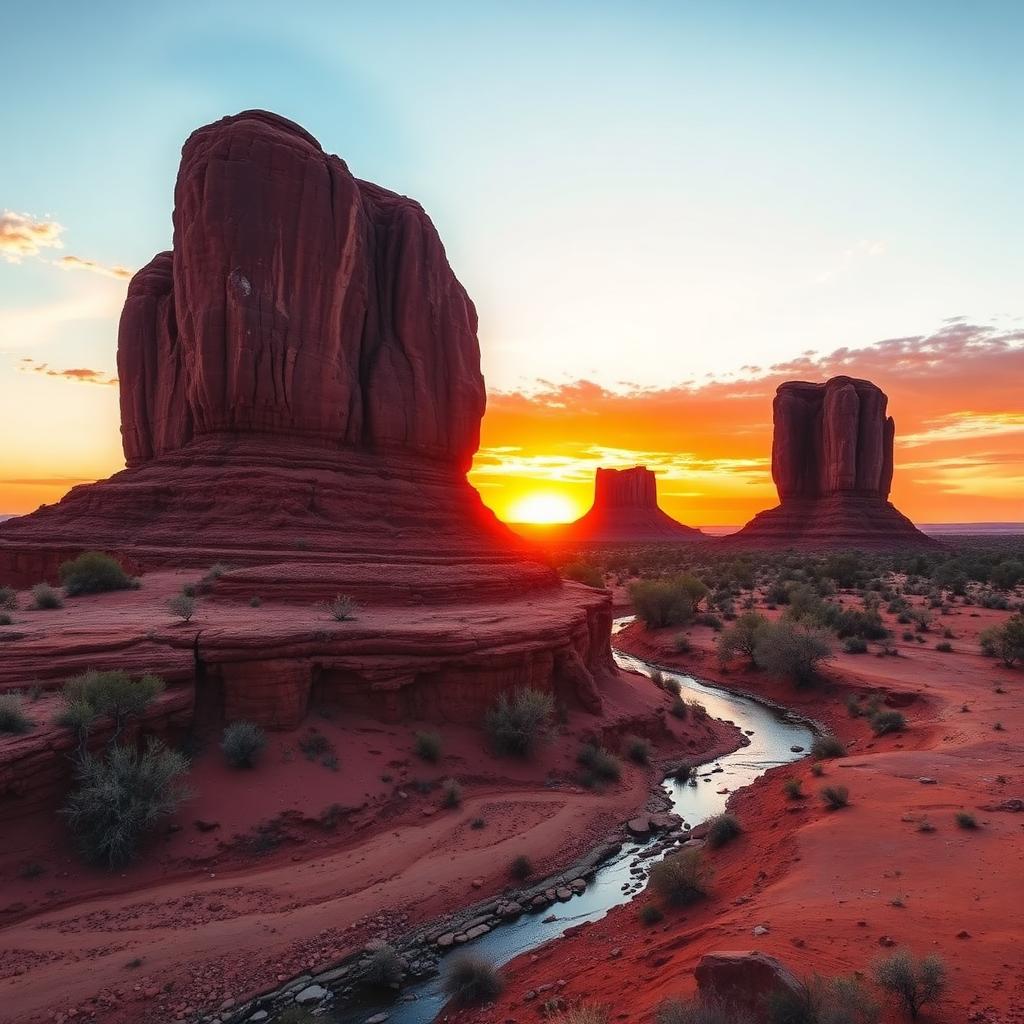
The living cosmology of Aboriginal Australia, Country, ancestors, and songlines held for 60,000+ years.
- Curated companion
- Shared needs: grief

The contemplative lineage of Christianity, Meister Eckhart, Teresa of Ávila, John of the Cross.
- Shared needs: grief, anxiety, depression

The rich Islamic tradition of understanding the soul, its states, and its refinement.
- Shared needs: anxiety, depression, grief
Present-moment, non-judging awareness, Buddhist in root, now a global evidence-based practice.
- Shared needs: anxiety, depression
- Similar practices: practice
- Same region (Global)