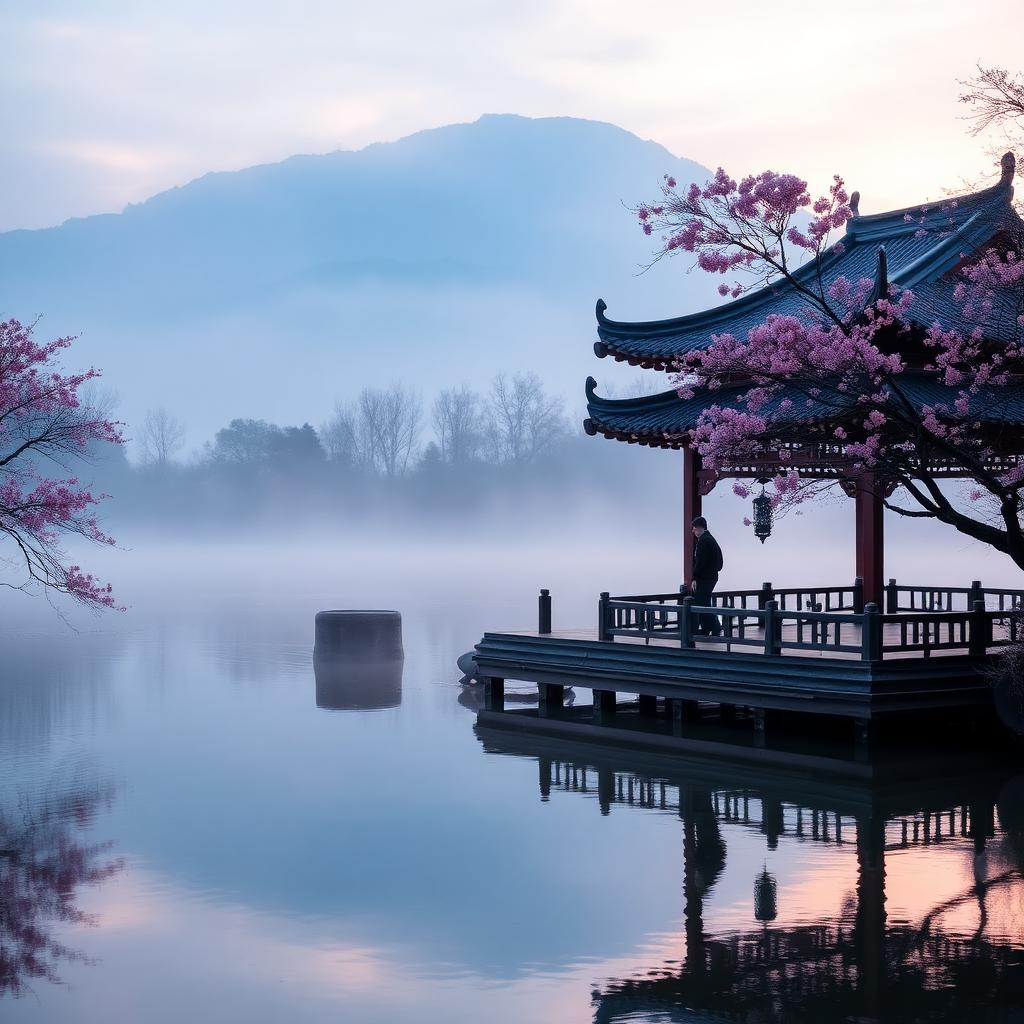
☯️Tai Chi
A Chinese moving meditation and internal martial art, studied for balance and stress.
Imagery evoking Tai Chi, A Chinese moving meditation and internal martial art, studied for balance and stress.
Symbolic imagery, generated with respect. No sacred ceremony or living person depicted.
Tai Chi (Taijiquan) is a Chinese internal martial art performed as a slow, continuous sequence of postures. All five major family styles (Chen, Yang, Wu, Wu (Hao), Sun) share the same principles: rooting, relaxed structure, coordinated breath, and continuous movement. Research shows meaningful benefits for balance, fall prevention in elders, fibromyalgia, cognitive function, and mood.
Lineage: Chen Wangting; Yang Luchan; the five family lineages and their contemporary inheritors.
Park classes often free; studio series $60, $150.
Estimates only. Many traditions offer sliding-scale, donation, or community access; sacred ceremonies are never for sale.
Distinguishing cultural belief, traditional practice, and evidence-supported effect where applicable.
Emotional
The form's continuity carries a mood through change rather than jamming on one feeling.
Psychological
Studies show benefit for depression, anxiety, and cognitive aging.
Spiritual
Taoist principles of yielding and rooting embodied in movement.
Community
Morning park practice is a decades-long social ritual worldwide.
Physical
Strong evidence for balance, fall prevention, fibromyalgia, and low back pain.
Nervous system
Slow weight-shifting and coordinated breath train interoception and vagal tone.
Areas of possible support, not guarantees or medical claims.
- Older adults concerned about falling
- People with fibromyalgia, arthritis, or Parkinson's
- Anyone seeking a moving meditation more than a workout
- Daily short form (Yang 24 posture or Sun 73)
- Weekly class with a teacher
- Push hands practice for structure
- Standing meditation before the form
What to know before exploring
Evidence supported
Elements of this practice have been studied in peer-reviewed research and show measurable benefits for specific concerns. Study quality varies, and the tradition itself is broader than what science has measured. Evidence is one lens; lived lineage and cultural wisdom are equally important.
- Herbal preparations and dosing. Herbs, tinctures, teas, and topical preparations can be gentle and powerful at the same time. They may interact with prescription medications or affect blood pressure, the liver, kidneys, or allergies. Quality and sourcing matter, so work with a knowledgeable practitioner and share your medication list.
This information is shared as general education, not medical advice. The safest path is to share your full health story and current medications with both the practitioner and your regular healthcare provider before beginning something new.
What would ten minutes of tai chi a day change in me over a year?
Where in my body am I still bracing?
Whom in my life do I meet with force that could be met with yielding?
Written in the spirit of this tradition, held as invitations, not instructions. Take what serves your reflection.
What tension am I carrying that could soften with slow, patient movement?
Where in my life could I yield instead of push, and still move forward?
Who is my partner in slow practice, in whatever form it takes?
Traditions that share needs, practices, or cultural context with this one. Explore with respect for each lineage's origins.
Chinese cultivation of qi through slow movement, breath, and intention.
- Curated companion
- Shared needs: balance, chronic pain
- Similar practices: daily, standing, meditation, teacher
A 2,500-year-old system reading the person as a landscape of qi, organs, seasons, and elements.
- Curated companion
- Shared needs: chronic pain
- Same region (Asia)
The Chinese practice of refining body-mind-spirit through breath, stillness, and imagination.
- Curated companion
- Similar practices: standing, meditation, teacher
- Same region (Asia)
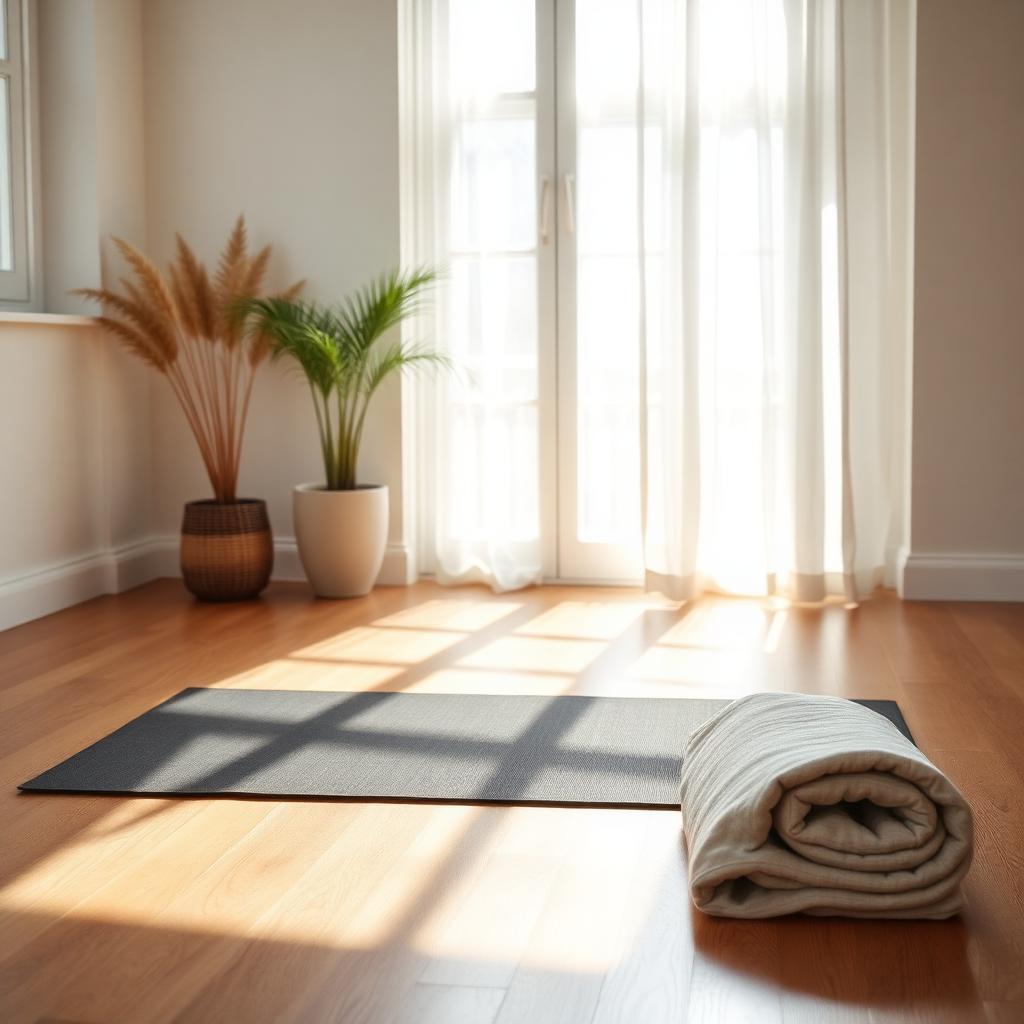
The eight-limbed path from India, posture, breath, ethics, and meditation as one whole.
- Shared needs: chronic pain
- Similar practices: daily, short, practice, meditation
- Same region (Asia)
Present-moment, non-judging awareness, Buddhist in root, now a global evidence-based practice.
- Shared needs: chronic pain, stress
- Similar practices: daily, practice, before
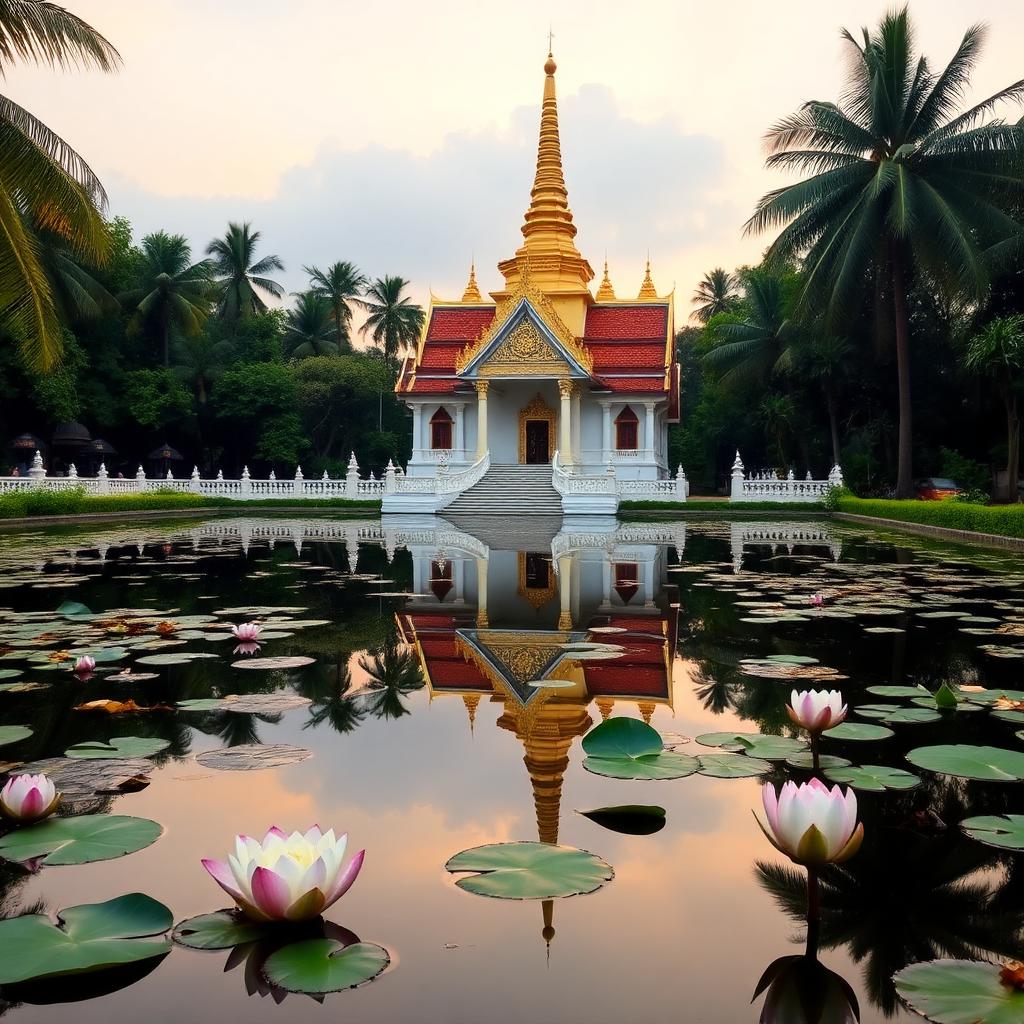
Thai massage (Nuad Boran) and Buddhist folk medicine of Southeast Asia.
- Shared needs: chronic pain, stress
- Similar practices: meditation
- Same region (Asia)