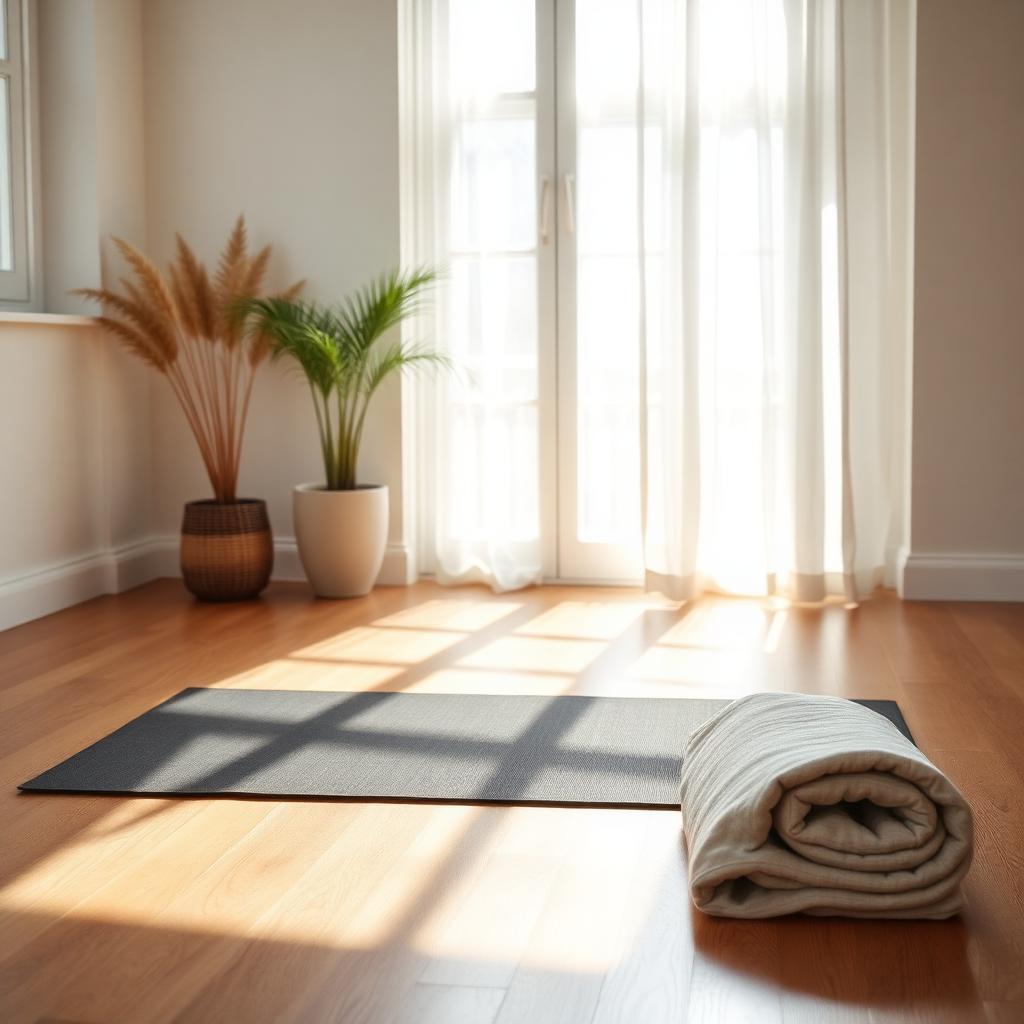
🧘Yoga
The eight-limbed path from India, posture, breath, ethics, and meditation as one whole.
Imagery evoking Yoga, The eight-limbed path from India, posture, breath, ethics, and meditation as one whole.
Symbolic imagery, generated with respect. No sacred ceremony or living person depicted.
Yoga in its full form is the eight-limbed path (ashtanga) described in Patanjali's Yoga Sutras (~200 BCE): yamas (ethics toward others), niyamas (ethics toward self), asana (posture), pranayama (breath), pratyahara (withdrawal of senses), dharana (concentration), dhyana (meditation), and samadhi (union). Modern posture-yoga is one small slice of this. Research supports yoga for depression, anxiety, PTSD, chronic pain, and cardiovascular health.
Lineage: Patanjali; the Nath, Hatha, and Tantra lineages; modern teachers Krishnamacharya, Iyengar, Pattabhi Jois, Desikachar.
Studio classes $15, $30; many donation-based community options.
Estimates only. Many traditions offer sliding-scale, donation, or community access; sacred ceremonies are never for sale.
Distinguishing cultural belief, traditional practice, and evidence-supported effect where applicable.
Emotional
Breath and posture give feelings a physical container instead of a purely mental loop.
Psychological
Trauma-sensitive yoga is evidence-supported for PTSD, restoring a felt sense of choice in the body.
Spiritual
The full path is a way of liberation (moksha), not fitness; ethics precede posture.
Community
Sangha (community) of practice is one of the traditional supports of the path.
Physical
Well-documented benefits for pain, flexibility, cardiovascular health, and low back function.
Nervous system
Ujjayi breath, long exhales, and inversions tone the vagus nerve and shift parasympathetic state.
Areas of possible support, not guarantees or medical claims.
- People with anxiety, depression, or PTSD looking for an embodied practice
- Anyone with chronic pain or stiffness wanting movement that pairs with breath
- Seekers drawn to a philosophy of ethics, breath, and meditation, not fitness alone
- Daily short asana practice (10-20 minutes)
- Pranayama (Nadi Shodhana, Ujjayi)
- Studying one yama or niyama a week
- Meditation practice
- Working with a teacher rooted in the philosophy
What to know before exploring
Evidence supported
Elements of this practice have been studied in peer-reviewed research and show measurable benefits for specific concerns. Study quality varies, and the tradition itself is broader than what science has measured. Evidence is one lens; lived lineage and cultural wisdom are equally important.
- Herbal preparations and dosing. Herbs, tinctures, teas, and topical preparations can be gentle and powerful at the same time. They may interact with prescription medications or affect blood pressure, the liver, kidneys, or allergies. Quality and sourcing matter, so work with a knowledgeable practitioner and share your medication list.
- Intense breathwork. Sustained fast or forceful breathing (holotropic, rebirthing, kriya, kundalini pranayama) can bring strong physical sensations and surfacing emotions. It can occasionally cause fainting, tingling, or panic, and it can bring up trauma memories. A well-trained facilitator and honest self-assessment make this work much safer.
- Heart, blood pressure, and stroke history. Intense heat, cold, breath, or exertion can strain the cardiovascular system. If you have a heart condition, uncontrolled blood pressure, arrhythmia, a pacemaker, prior stroke, or take cardiac medication, check in with your physician before participating.
- Pregnancy, breastfeeding, and fertility treatment. Several herbs, essential oils, deep-tissue techniques, extreme temperatures, and intense breath or plant-medicine practices are not recommended during pregnancy, breastfeeding, or IVF cycles. Disclose your status and ask for a practitioner with prenatal training.
This information is shared as general education, not medical advice. The safest path is to share your full health story and current medications with both the practitioner and your regular healthcare provider before beginning something new.
Which limb of yoga am I neglecting?
What is my practice truly for?
Where in my body does the breath still refuse to travel?
Written in the spirit of this tradition, held as invitations, not instructions. Take what serves your reflection.
Which of the yamas or niyamas, truth, non-harm, contentment, is calling me this week?
Where am I already practicing union, and where am I still fragmented?
Which teachers, on and off the mat, keep me honest?
Engaging with respect
Honor the Indian roots; find teachers grounded in the philosophy, not only fitness. Avoid decontextualized use of Sanskrit terms and sacred imagery.
Traditions that share needs, practices, or cultural context with this one. Explore with respect for each lineage's origins.
Present-moment, non-judging awareness, Buddhist in root, now a global evidence-based practice.
- Curated companion
- Shared needs: anxiety, depression, chronic pain
- Similar practices: daily, practice
A vast family of contemplative practices held by every major tradition, quieting, opening, seeing.
- Curated companion
- Similar practices: practice, teacher, daily, minutes
- Same tradition type
The 5,000-year-old 'science of life' from India, dosha, rhythm, and elemental balance.
- Curated companion
- Similar practices: daily
- Same region (Asia)
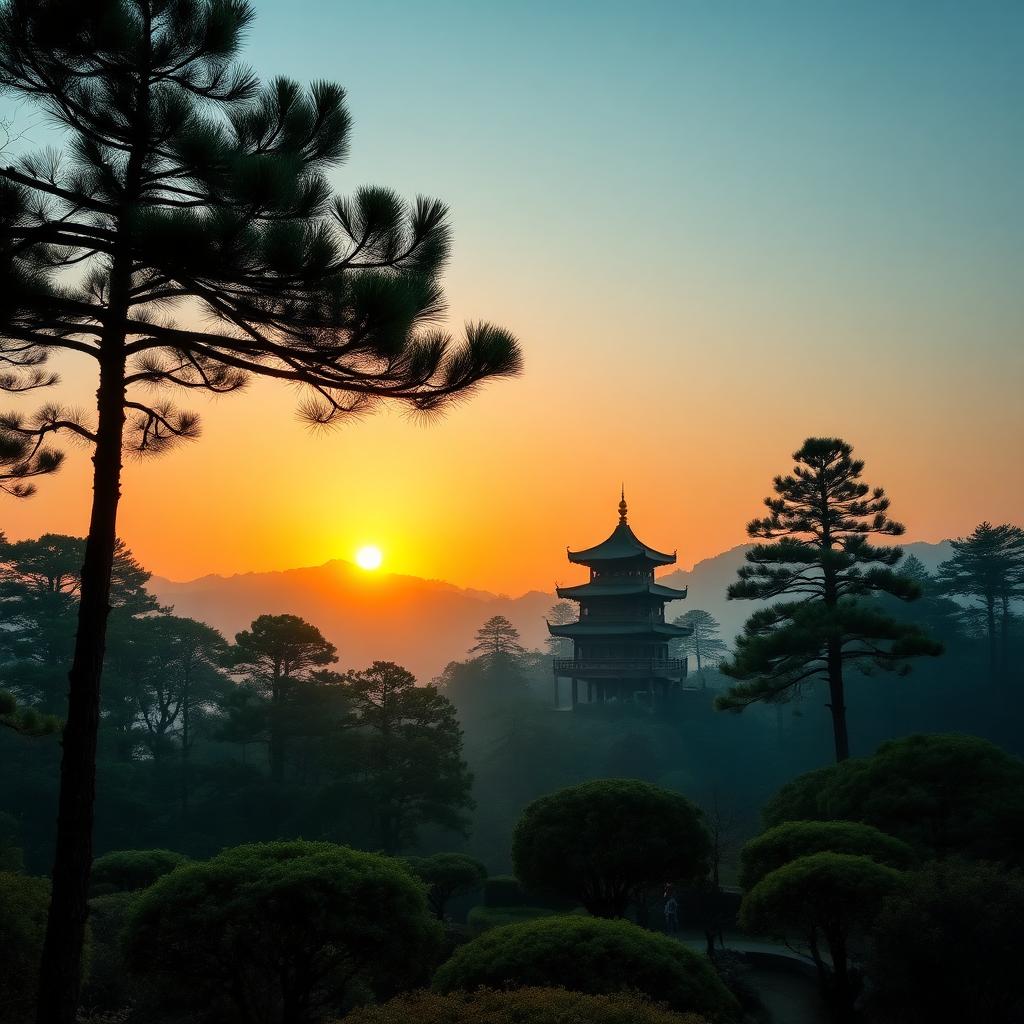
Chinese cultivation of qi through slow movement, breath, and intention.
- Shared needs: chronic pain, anxiety
- Similar practices: daily, meditation, working, teacher
- Same region (Asia)
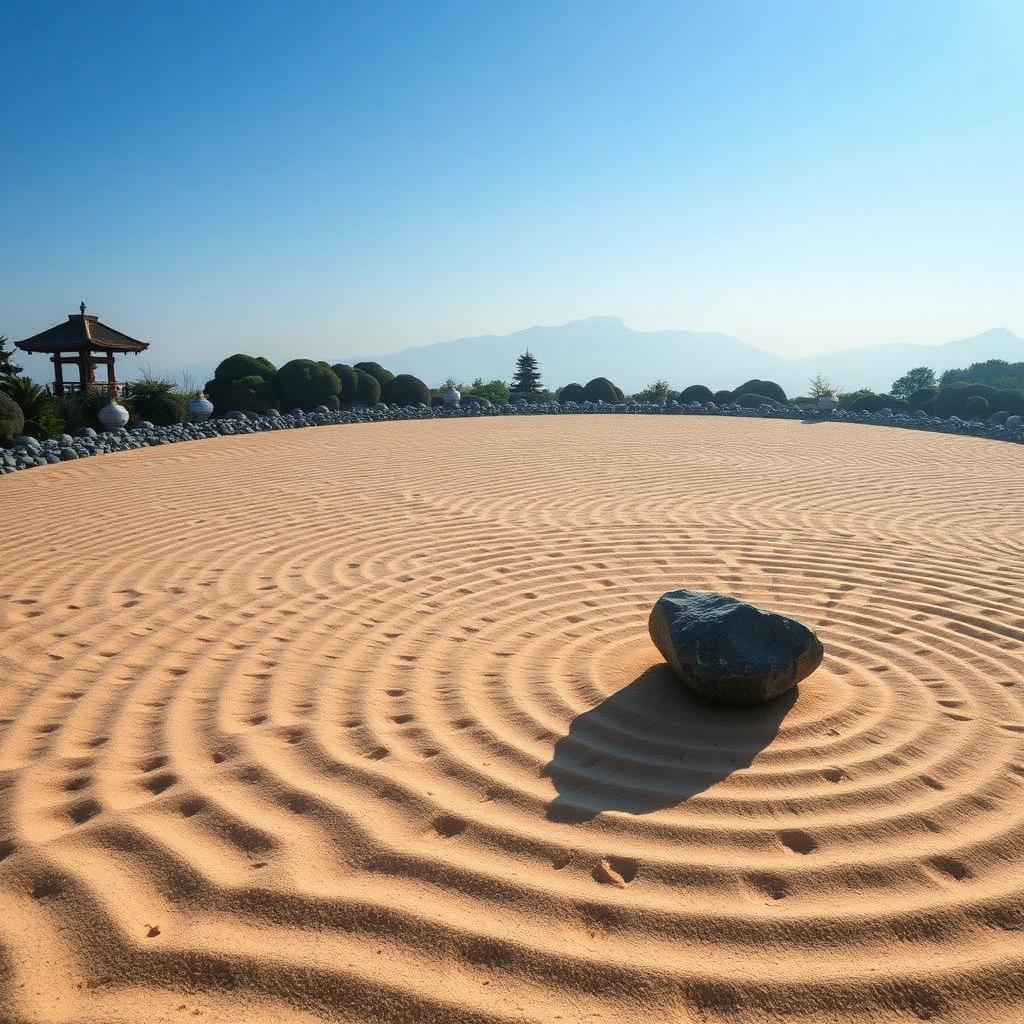
The Japanese Buddhist school of direct awakening through zazen (seated meditation).
- Shared needs: anxiety, meaning
- Similar practices: daily, minutes, working, teacher
- Same region (Asia)

The mystical stream of Java, meditation, fasting (puasa), and inner refinement.
- Shared needs: meaning, anxiety
- Similar practices: meditation, working, teacher, studying
- Same region (Asia)