
☸️Javanese Kejawen
The mystical stream of Java, meditation, fasting (puasa), and inner refinement.
Kejawen is the mystical stream of Javanese spirituality, weaving Hindu-Buddhist inheritance, Sufi Islam, and Indigenous Javanese cosmology. It emphasizes inner refinement through meditation (semedi), fasting (puasa, sometimes elaborate like puasa mutih or puasa ngebleng), and the cultivation of rasa (deep feeling-knowing). Many Javanese Muslims practice Kejawen alongside orthodox Islam.
Lineage: The wali sanga (nine saints); Sultan Agung of Mataram; contemporary guru-murid lineages.
Cost depends on practitioner, region, and format.
Estimates only. Many traditions offer sliding-scale, donation, or community access; sacred ceremonies are never for sale.
Distinguishing cultural belief, traditional practice, and evidence-supported effect where applicable.
Emotional
Sustained fasting reveals which feelings were driven by appetite alone.
Psychological
Rasa training sharpens intuition and slows reactive judgment.
Spiritual
Blends multiple lineages (Hindu, Buddhist, Sufi, Indigenous) into a coherent inner path.
Community
Traditional teachers hold living guru-murid (teacher-student) relationships.
Physical
Fasting practices reset digestion and sleep; specific fasts have physical demands.
Nervous system
Deep semedi lowers baseline arousal; wayang (shadow puppetry) all-night vigil shifts state.
Areas of possible support, not guarantees or medical claims.
- People of Javanese descent seeking ancestral inner practice
- Seekers drawn to fusion of Islamic and Indigenous spirituality
- Those willing to work with a teacher over years, not weekends
- Semedi (meditation)
- Traditional fasting under guidance
- Working with a Javanese teacher
- Studying wayang (shadow puppetry) as spiritual teaching
What to know before exploring
Traditional practice
This is a living tradition carried through lineage and community. Its value is documented through generations of practitioners rather than clinical trials. Absence of Western studies is not absence of wisdom.
- Herbal preparations and dosing. Herbs, tinctures, teas, and topical preparations can be gentle and powerful at the same time. They may interact with prescription medications or affect blood pressure, the liver, kidneys, or allergies. Quality and sourcing matter, so work with a knowledgeable practitioner and share your medication list.
- Fasting or restrictive diet. Fasts, cleanses, and prescribed diets can be meaningful, but they can also cause dizziness, low blood sugar, or electrolyte imbalance. They are best approached with care if you are pregnant, have diabetes, an eating-disorder history, or take medications that require food.
- Trance, possession, and altered states. Drumming, dance, and possession-based ceremonies can open non-ordinary states that feel profound but may be destabilizing for people with a personal or family history of psychosis, bipolar, dissociation, or acute trauma. Go slowly and honestly, with trustworthy support.
- Cultural appropriation and closed practices. Some elements are closed to outsiders or reserved for initiated practitioners. Participating without invitation, or teaching without lineage, can harm living communities and weaken the practice itself. Approach as a respectful learner, not a consumer.
- Pregnancy, breastfeeding, and fertility treatment. Several herbs, essential oils, deep-tissue techniques, extreme temperatures, and intense breath or plant-medicine practices are not recommended during pregnancy, breastfeeding, or IVF cycles. Disclose your status and ask for a practitioner with prenatal training.
- Active PTSD or unprocessed severe trauma. Immersive, ceremonial, and altered-state work can surface traumatic memories without warning. If you are living with active PTSD, build a relationship with a trauma-informed licensed clinician first, and choose practitioners trained to hold trauma responses gently.
- Prescription medication interactions. Bring a full medication list to your practitioner and pharmacist. Some common combinations need extra care, such as SSRIs and MAOIs with ayahuasca or St. John's wort, blood thinners with garlic or ginkgo, and immunosuppressants with many herbs. Your care team can help you navigate this.
This information is shared as general education, not medical advice. The safest path is to share your full health story and current medications with both the practitioner and your regular healthcare provider before beginning something new.
What in me sharpens when I fast?
Which of my knowings comes from rasa rather than thought?
Who in my lineage might have known these practices without naming them?
Engaging with respect
Fasting practices should be undertaken with a teacher; some are physically demanding.
Traditions that share needs, practices, or cultural context with this one. Explore with respect for each lineage's origins.

The rich Islamic tradition of understanding the soul, its states, and its refinement.
- Curated companion
- Shared needs: anxiety, meaning
- Similar practices: working
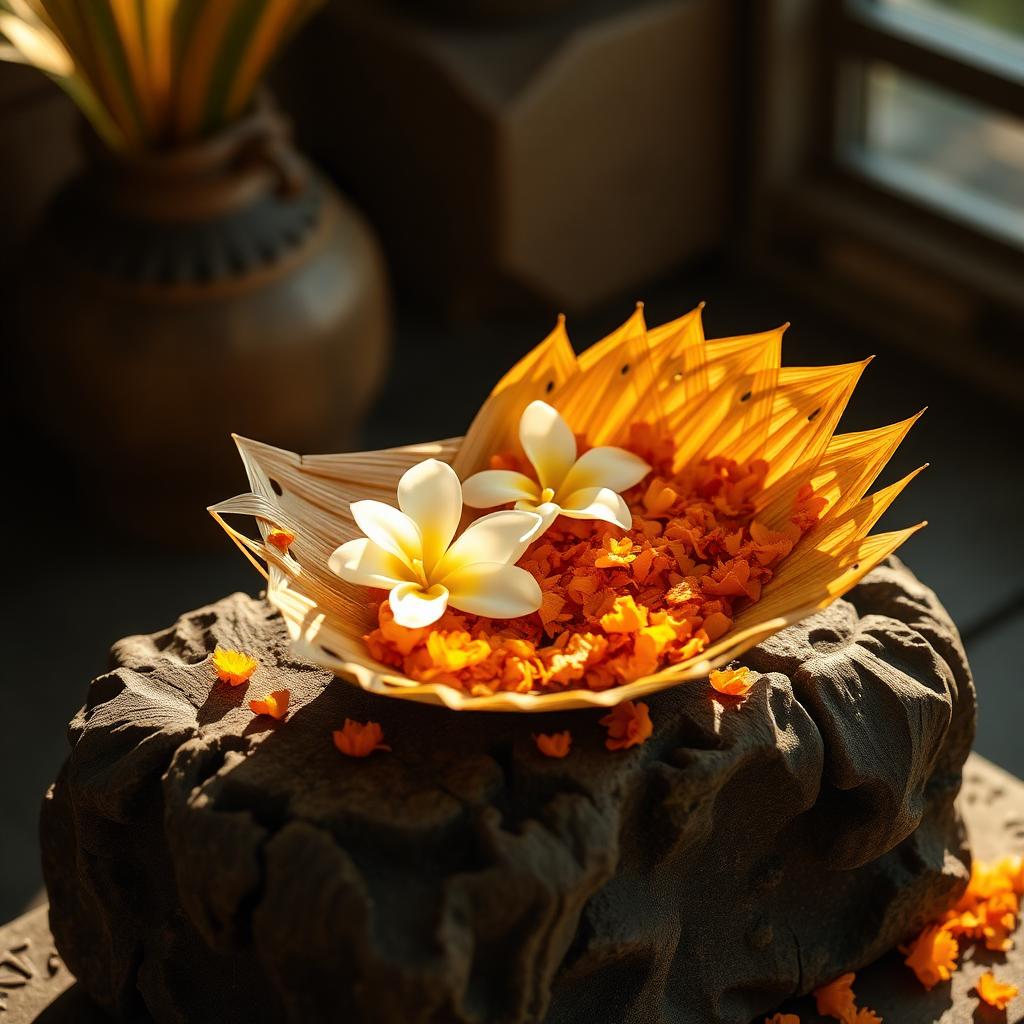
The Hindu-Balinese healer working with mantra, herbs, and offerings to the seen and unseen.
- Curated companion
- Shared needs: anxiety
- Similar practices: working

The eight-limbed path from India, posture, breath, ethics, and meditation as one whole.
- Shared needs: anxiety, meaning
- Similar practices: studying, meditation, working, teacher
- Same region (Asia)
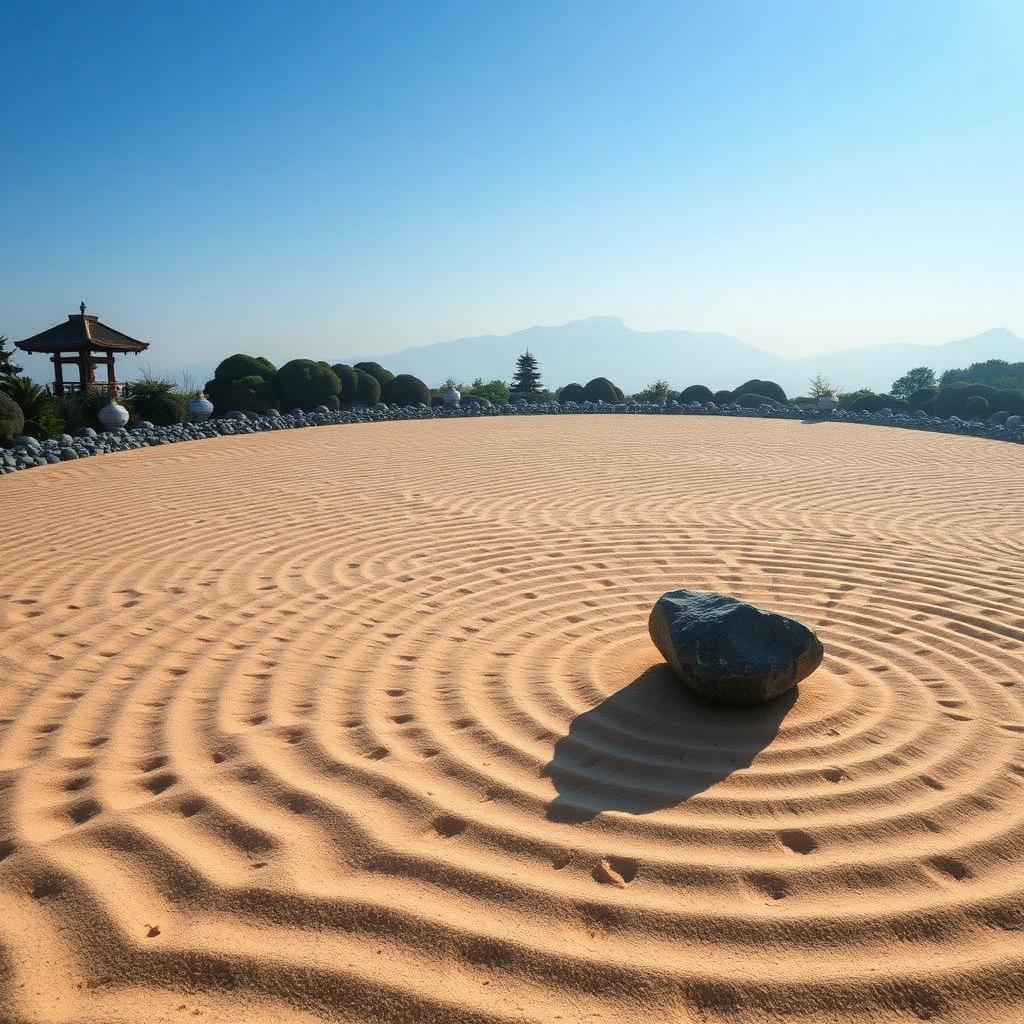
The Japanese Buddhist school of direct awakening through zazen (seated meditation).
- Shared needs: anxiety, meaning
- Similar practices: working, teacher
- Same region (Asia)

Fasting, holy water (tsebel), and prayer of the Ethiopian Tewahedo Church.
- Shared needs: anxiety, meaning
- Similar practices: fasting, spiritual
- Same tradition type
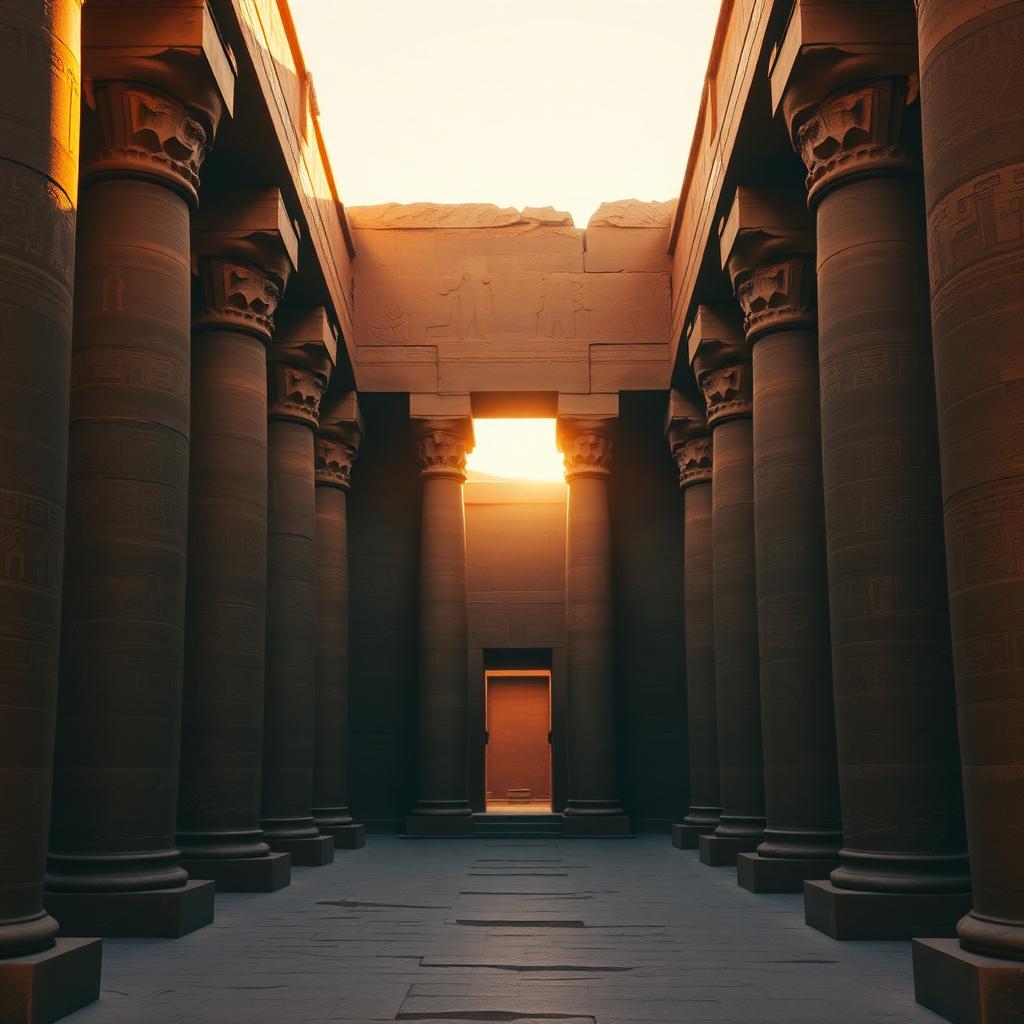
Ancient Egyptian medicine and spiritual science of Ma'at and the nine bodies.
- Shared needs: meaning, anxiety
- Similar practices: working, meditation