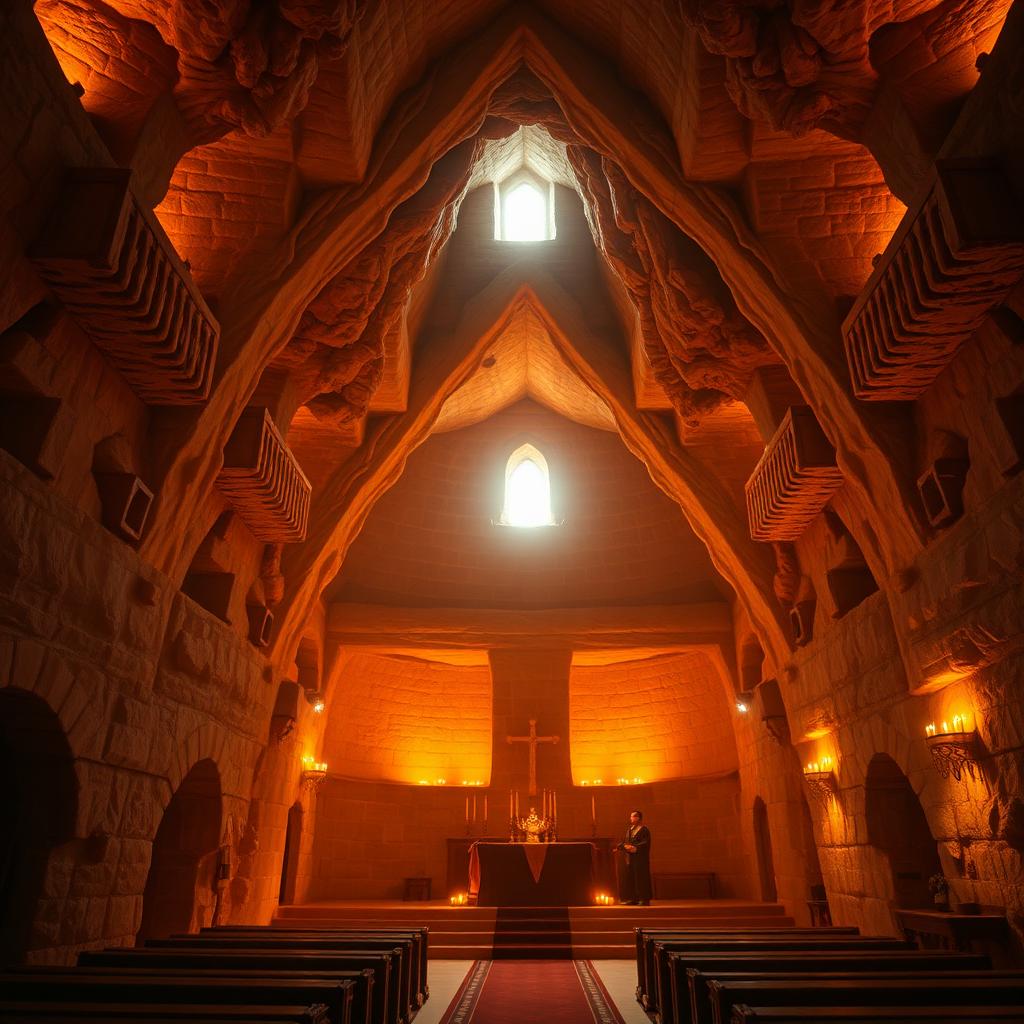
✝️Ethiopian Orthodox Healing
Fasting, holy water (tsebel), and prayer of the Ethiopian Tewahedo Church.
The Ethiopian Orthodox Tewahedo Church, one of the oldest Christian traditions, holds a rich healing practice: long fasts (up to 250 days a year for the devout), holy water (tsebel) from monasteries and springs, prayer with the Psalms of David, and monastic counsel. Illness is met with sacrament, community, and self-emptying. Millions of Ethiopians visit tsebel sites annually for physical, psychological, and spiritual healing.
Lineage: The Ethiopian Tewahedo tradition; monks and priests of the Church.
Cost depends on practitioner, region, and format.
Estimates only. Many traditions offer sliding-scale, donation, or community access; sacred ceremonies are never for sale.
Distinguishing cultural belief, traditional practice, and evidence-supported effect where applicable.
Psychological
The prayer rhythm of the Hours structures the day around presence.
Spiritual
Sacrament and Psalm carry the person into a life larger than the ego.
Community
Pilgrimage sites hold suffering people together, not alone.
Physical
Fasting periods rest the digestive system and are being studied for metabolic effects.
Areas of possible support, not guarantees or medical claims.
- Ethiopian Orthodox Christians
- People drawn to ancient sacramental Christianity
- Attending Qeddase (liturgy)
- Fasting according to the Church calendar
- Pilgrimage to tsebel (holy water) sites
- Praying the Psalms (Dawit)
- Confession with a spiritual father
What to know before exploring
Traditional practice
This is a living tradition carried through lineage and community. Its value is documented through generations of practitioners rather than clinical trials. Absence of Western studies is not absence of wisdom.
- Fasting or restrictive diet. Fasts, cleanses, and prescribed diets can be meaningful, but they can also cause dizziness, low blood sugar, or electrolyte imbalance. They are best approached with care if you are pregnant, have diabetes, an eating-disorder history, or take medications that require food.
- Trance, possession, and altered states. Drumming, dance, and possession-based ceremonies can open non-ordinary states that feel profound but may be destabilizing for people with a personal or family history of psychosis, bipolar, dissociation, or acute trauma. Go slowly and honestly, with trustworthy support.
- Cultural appropriation and closed practices. Elements of this tradition may be reserved for initiated practitioners or community members. Approach as a respectful learner, not a consumer, and never present the practice as your own.
- Pregnancy, breastfeeding, and fertility treatment. Several herbs, essential oils, deep-tissue techniques, extreme temperatures, and intense breath or plant-medicine practices are not recommended during pregnancy, breastfeeding, or IVF cycles. Disclose your status and ask for a practitioner with prenatal training.
This information is shared as general education, not medical advice. The safest path is to share your full health story and current medications with both the practitioner and your regular healthcare provider before beginning something new.
What in my life would soften if I gave it up for a season?
What would I ask of holy water if I stood at a spring today?
Traditions that share needs, practices, or cultural context with this one. Explore with respect for each lineage's origins.
The early Christian ascetics of the Egyptian desert, silence, prayer, and inner work.
- Curated companion
- Shared needs: anxiety, meaning, repentance
- Same region (Africa)
The contemplative lineage of Christianity, Meister Eckhart, Teresa of Ávila, John of the Cross.
- Curated companion
- Shared needs: meaning, grief, anxiety
- Same tradition type

The wisdom of the Desert Fathers and Mothers of Egypt, Palestine, and Syria, silence as medicine.
- Curated companion
- Shared needs: meaning
- Same tradition type
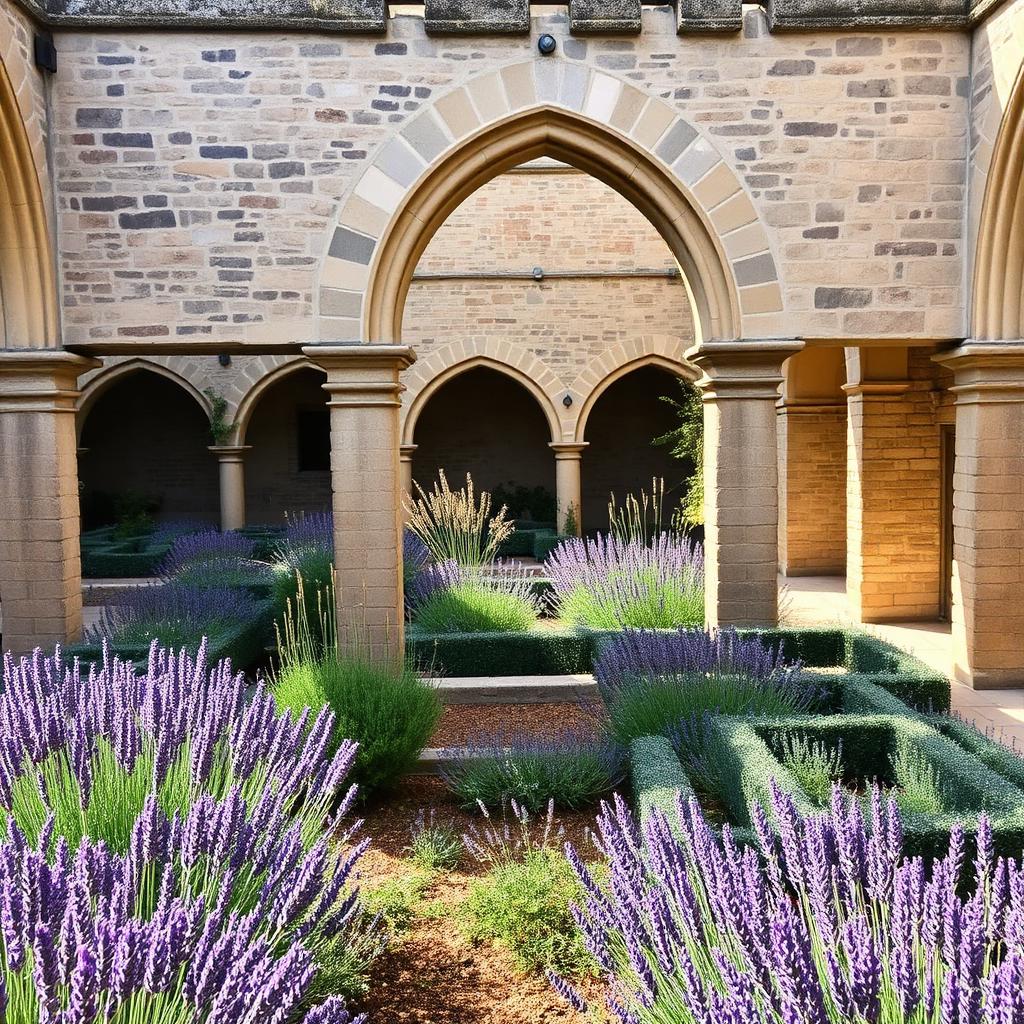
The healing gardens, herbals, and rule of life of Christian monastic communities.
- Shared needs: anxiety, meaning, grief
- Similar practices: praying
- Same tradition type
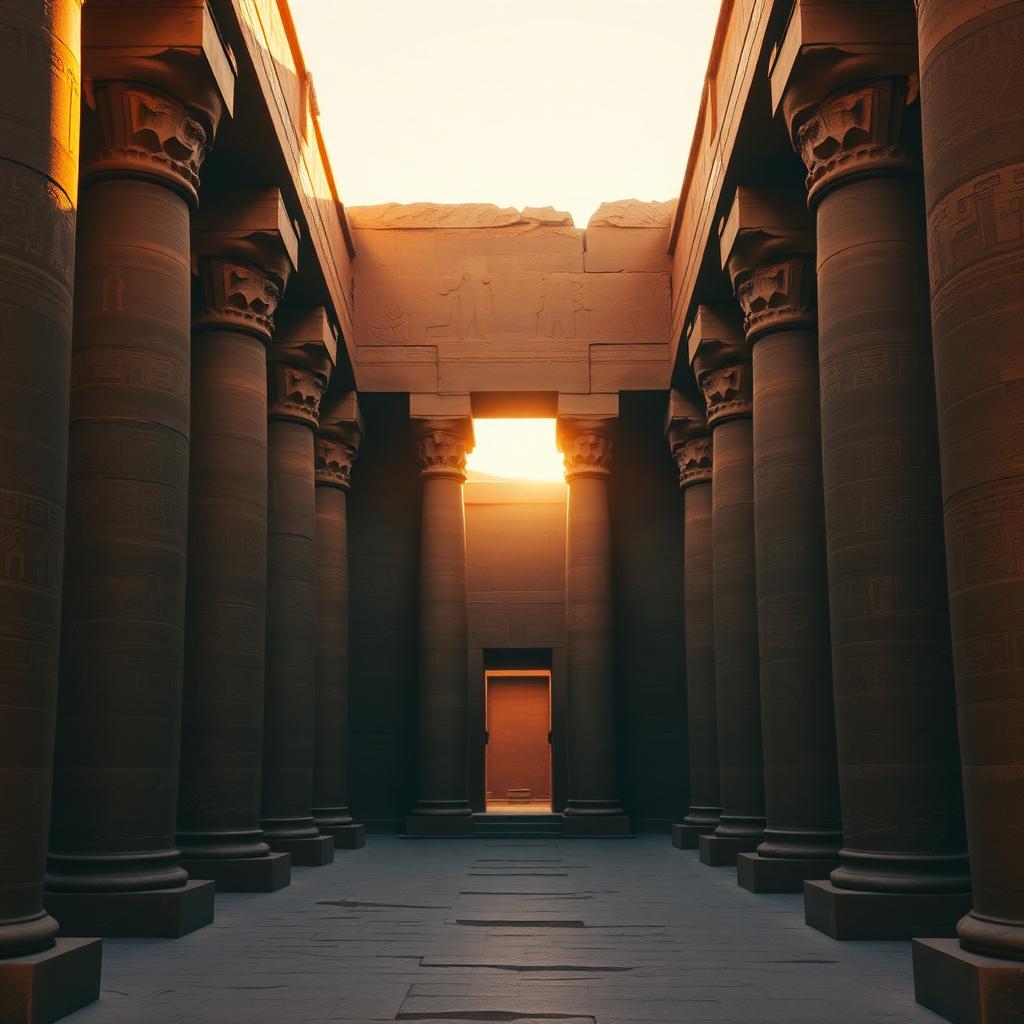
Ancient Egyptian medicine and spiritual science of Ma'at and the nine bodies.
- Shared needs: meaning, grief, anxiety
- Same region (Africa)
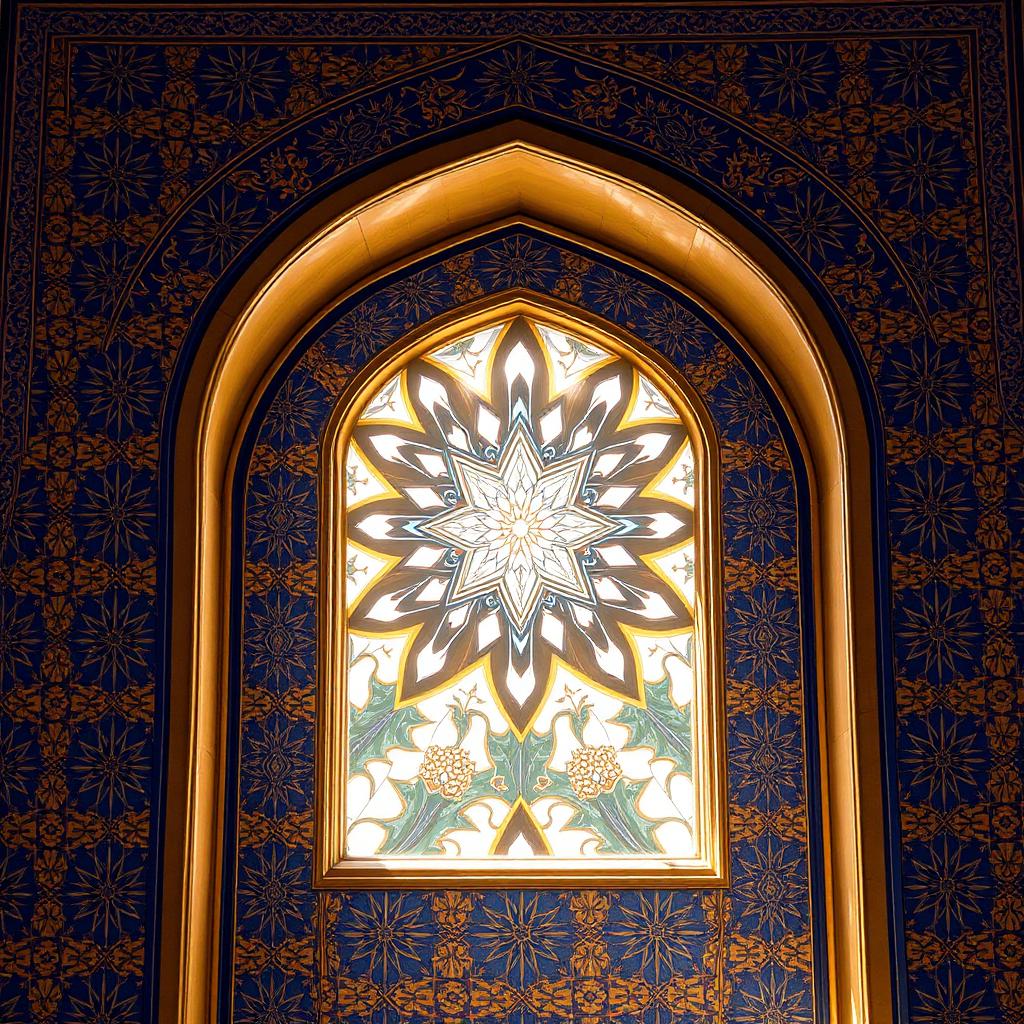
The rich Islamic tradition of understanding the soul, its states, and its refinement.
- Shared needs: anxiety, meaning, grief
- Same tradition type