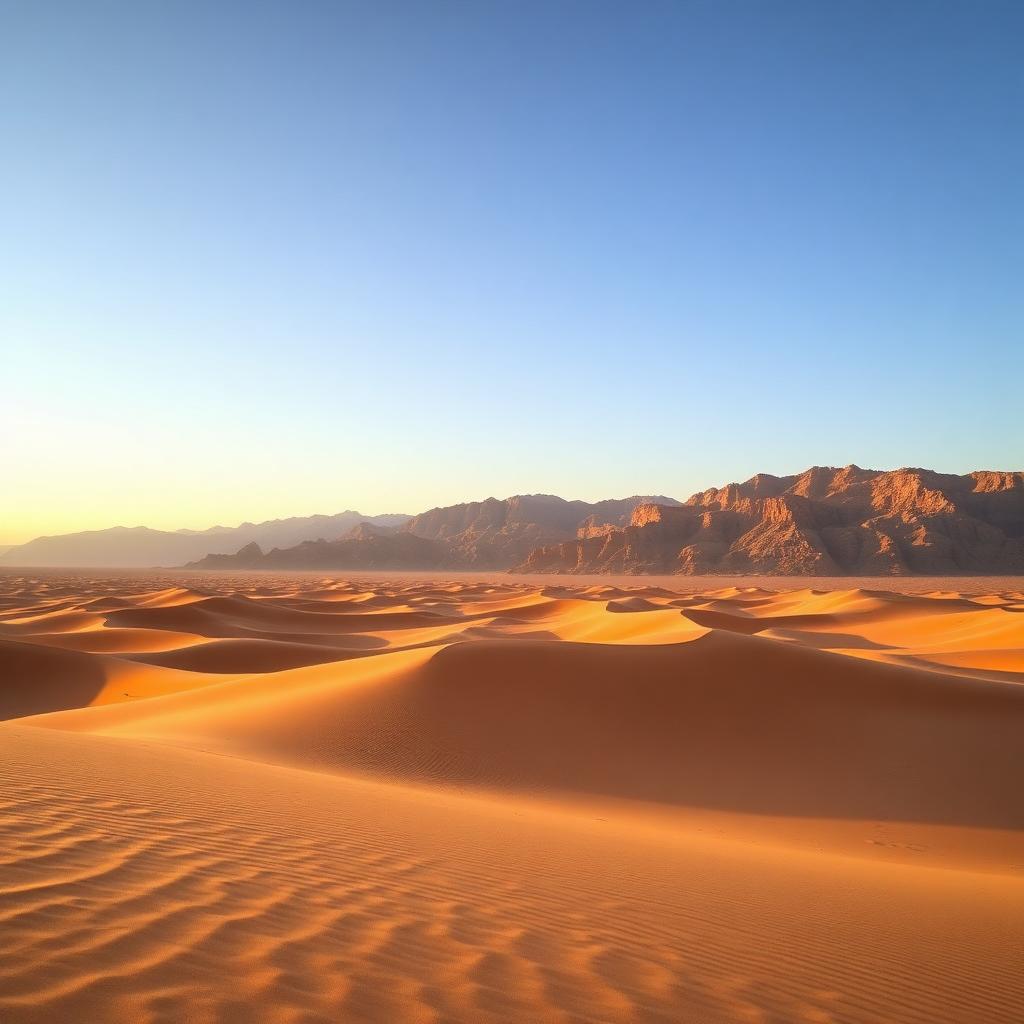
🏜️Desert Spirituality
The wisdom of the Desert Fathers and Mothers of Egypt, Palestine, and Syria, silence as medicine.
Imagery evoking Desert Spirituality, The wisdom of the Desert Fathers and Mothers of Egypt, Palestine, and Syria, silence as medicine.
Symbolic imagery, generated with respect. No sacred ceremony or living person depicted.
Desert spirituality is the wisdom born in the deserts of Egypt, Palestine, Sinai, Syria, and Arabia, held by Christian Desert Fathers and Mothers, Jewish prophets, Sufi ascetics, and pre-Islamic Arabian mystics. It teaches that the extremity of the desert (silence, thirst, stars, exposure) strips the ego and opens what noise has hidden. Wilderness itself becomes teacher.
Lineage: Elijah, John the Baptist, Anthony of Egypt, the Sufi ascetics.
Silent retreats by donation.
Estimates only. Many traditions offer sliding-scale, donation, or community access; sacred ceremonies are never for sale.
Distinguishing cultural belief, traditional practice, and evidence-supported effect where applicable.
Emotional
Grief and gratitude both intensify in a spare landscape.
Psychological
Solitude teaches which of one's thoughts are ours and which are borrowed.
Spiritual
The desert strips distraction and reveals essence.
Areas of possible support, not guarantees or medical claims.
- Those needing to step out of noise
- People in vocational discernment
- A solo desert or wilderness retreat of 3-40 days
- Reading the desert fathers and Sufi ascetics side by side
- A daily hour of silence at dawn
What to know before exploring
Traditional practice
This is a living tradition carried through lineage and community. Its value is documented through generations of practitioners rather than clinical trials. Absence of Western studies is not absence of wisdom.
- Herbal preparations and dosing. Herbs, tinctures, teas, and topical preparations can be gentle and powerful at the same time. They may interact with prescription medications or affect blood pressure, the liver, kidneys, or allergies. Quality and sourcing matter, so work with a knowledgeable practitioner and share your medication list.
- Trance, possession, and altered states. Drumming, dance, and possession-based ceremonies can open non-ordinary states that feel profound but may be destabilizing for people with a personal or family history of psychosis, bipolar, dissociation, or acute trauma. Go slowly and honestly, with trustworthy support.
- Financial and spiritual exploitation risk. Sacred traditions can attract people who charge steep fees or claim exclusive spiritual authority. Trustworthy teachers welcome questions, encourage outside support, and never pressure you to pay for more than you can afford.
- Cultural appropriation and closed practices. Elements of this tradition may be reserved for initiated practitioners or community members. Approach as a respectful learner, not a consumer, and never present the practice as your own.
This information is shared as general education, not medical advice. The safest path is to share your full health story and current medications with both the practitioner and your regular healthcare provider before beginning something new.
What in me would show up in real silence?
Which wilderness is calling me?
Written in the spirit of this tradition, held as invitations, not instructions. Take what serves your reflection.
What in my life is being stripped down right now, and can I let it?
What does silence say to me when I stop filling it?
Who are my desert companions, the people who share my hidden hours?
Traditions that share needs, practices, or cultural context with this one. Explore with respect for each lineage's origins.
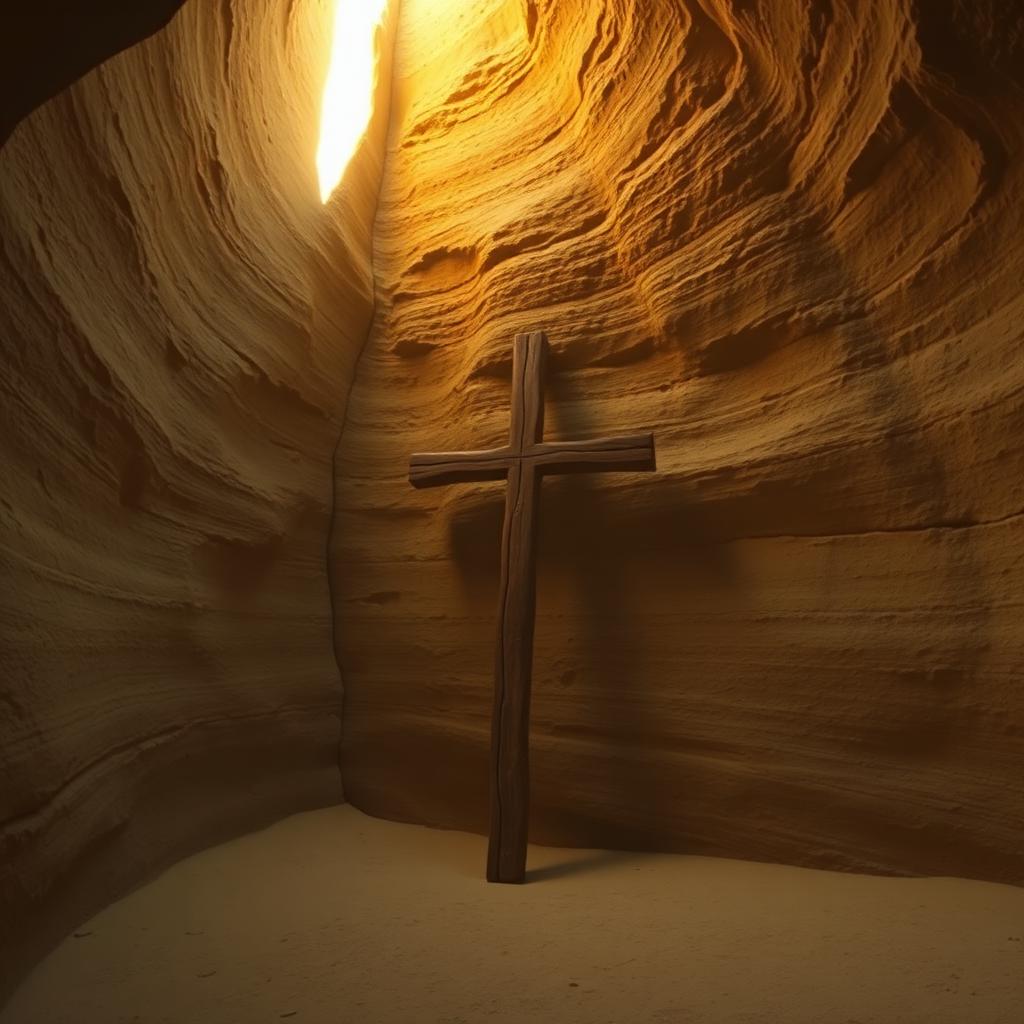
The early Christian ascetics of the Egyptian desert, silence, prayer, and inner work.
- Curated companion
- Shared needs: silence, meaning
- Similar practices: reading, desert, hour, silence
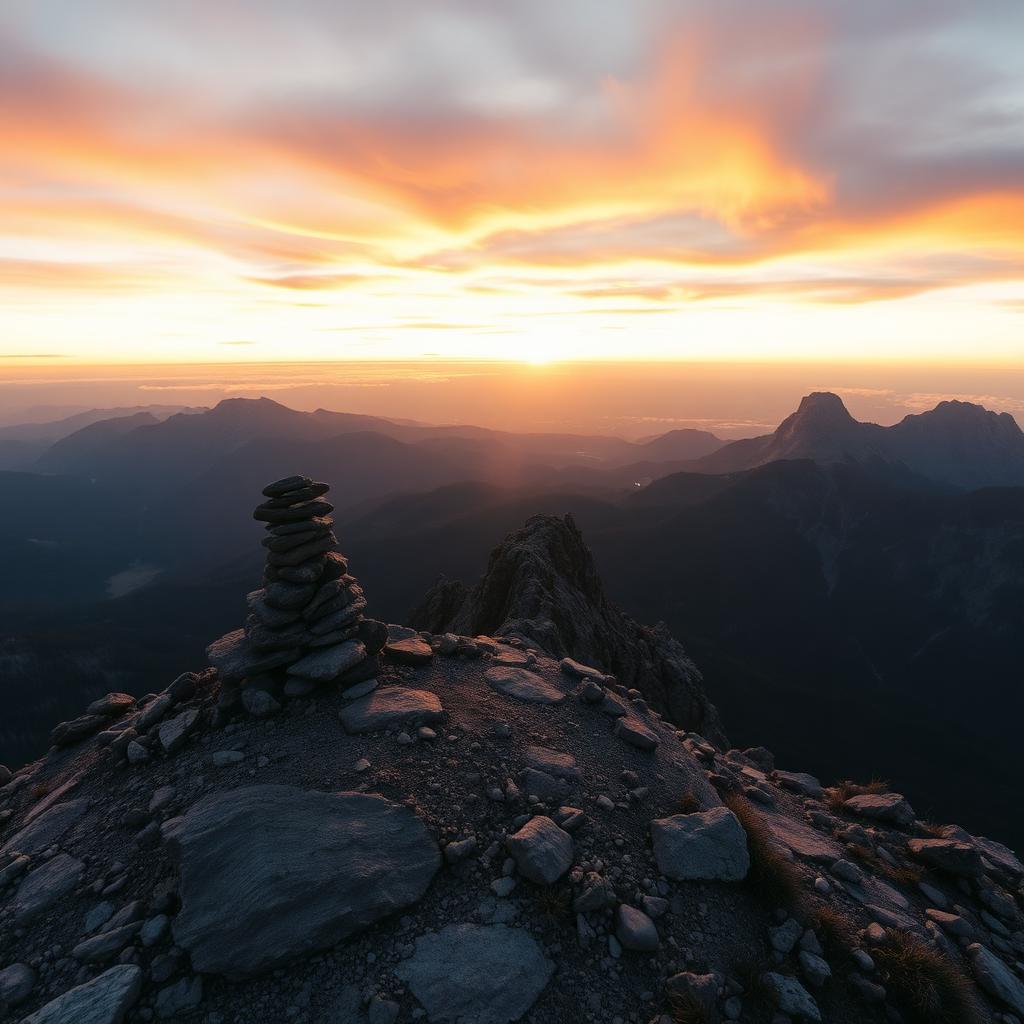
A rite of passage of prayer, fasting, and solitude on the land to receive direction.
- Curated companion
- Shared needs: rite of passage
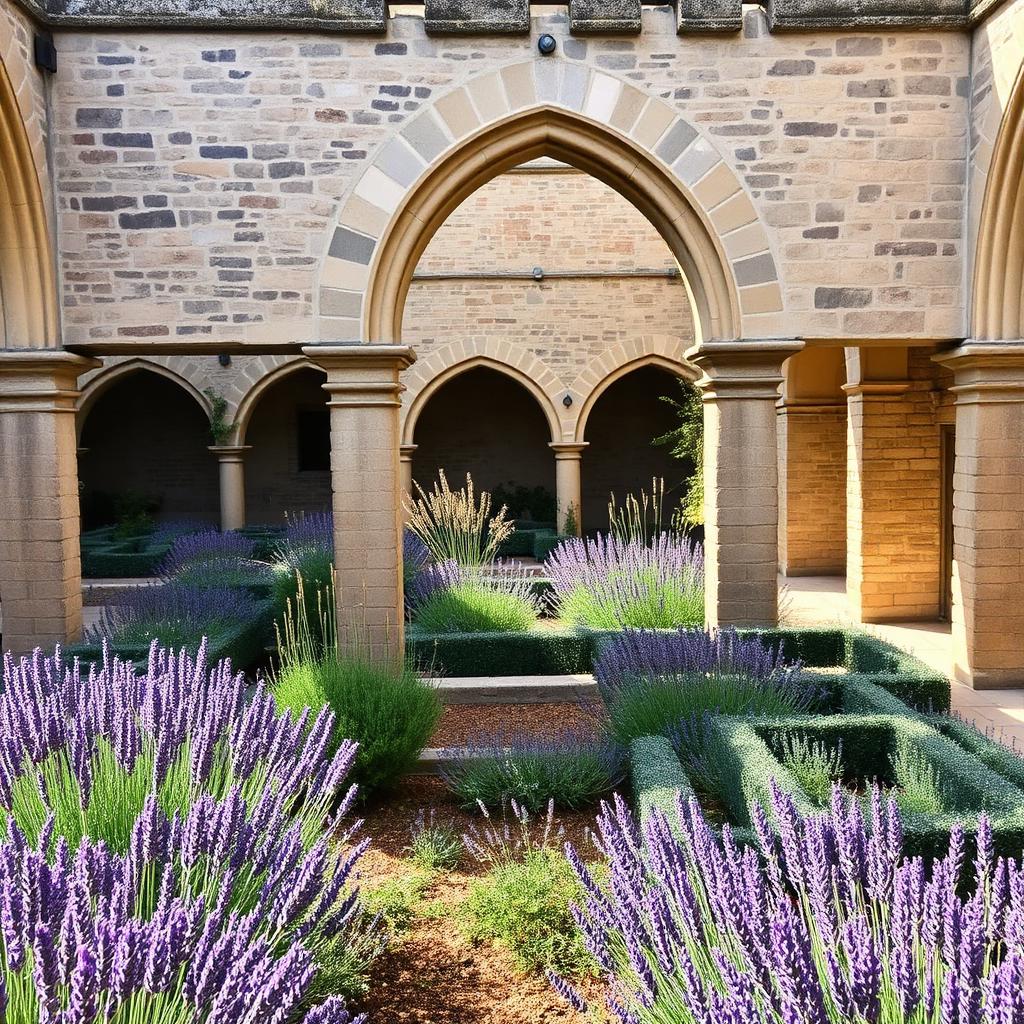
The healing gardens, herbals, and rule of life of Christian monastic communities.
- Shared needs: meaning
- Similar practices: daily, reading, silence, hour
- Same tradition type
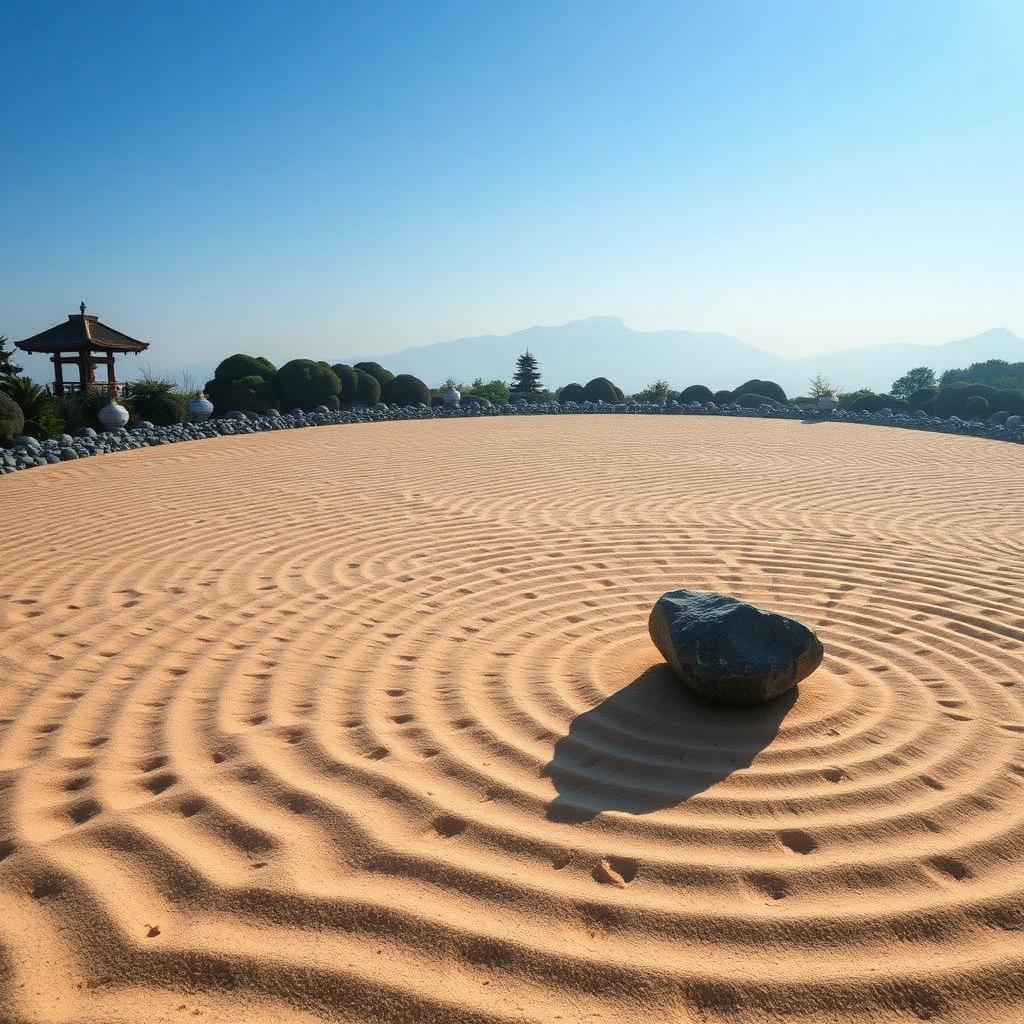
The Japanese Buddhist school of direct awakening through zazen (seated meditation).
- Shared needs: meaning
- Similar practices: daily, retreat, reading
- Same tradition type

The mystical stream of Java, meditation, fasting (puasa), and inner refinement.
- Shared needs: meaning, discernment
- Same tradition type
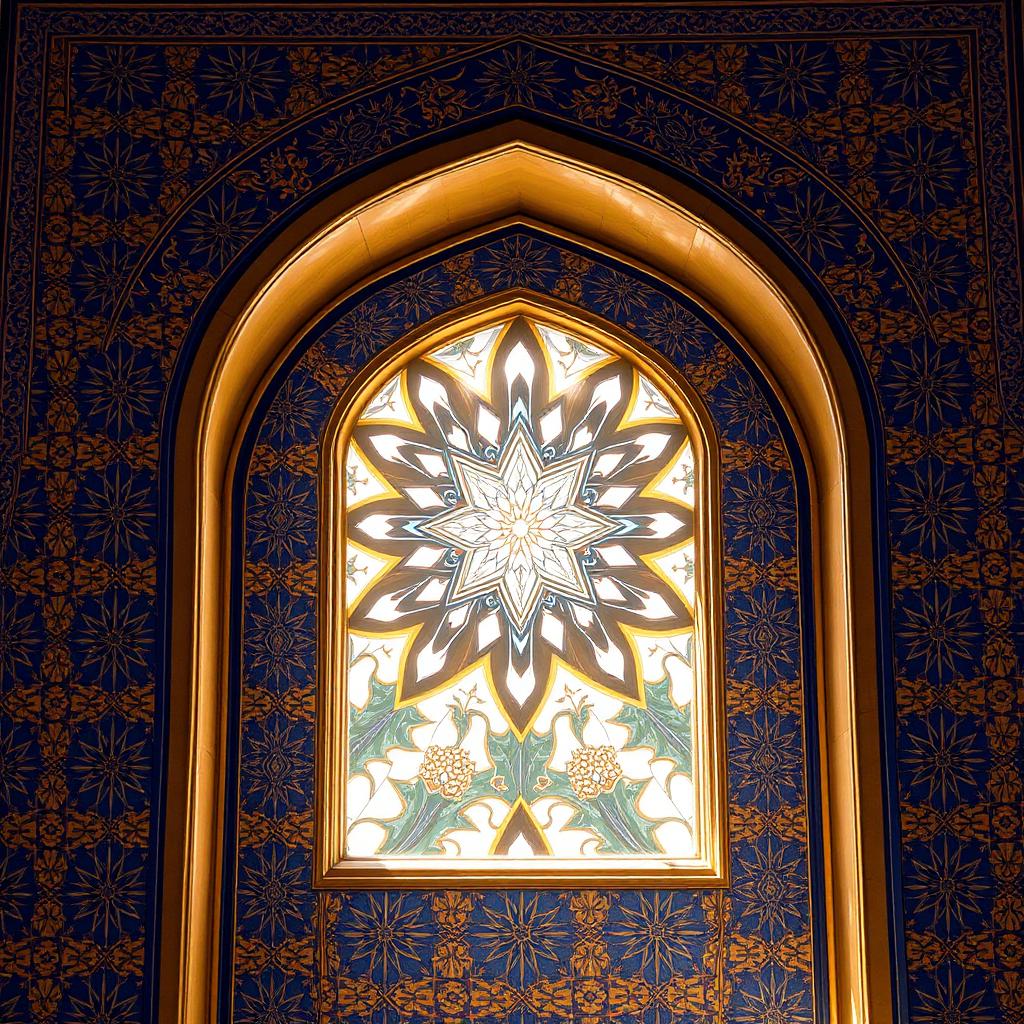
The rich Islamic tradition of understanding the soul, its states, and its refinement.
- Shared needs: meaning
- Similar practices: reading
- Same region (Middle East)