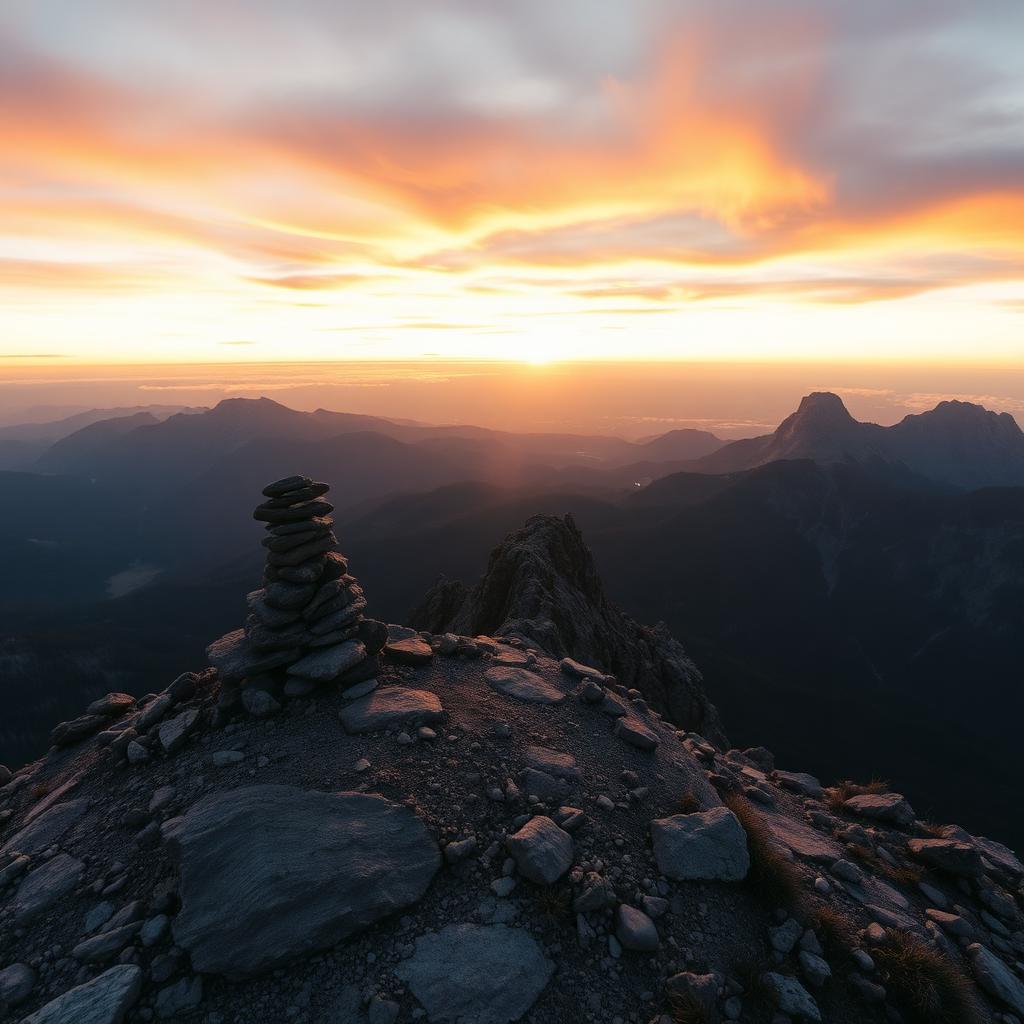
⛰️Vision Quest (Haŋbléčheyapi)
A rite of passage of prayer, fasting, and solitude on the land to receive direction.
Imagery evoking Vision Quest (Haŋbléčheyapi), A rite of passage of prayer, fasting, and solitude on the land to receive direction.
Symbolic imagery, generated with respect. No sacred ceremony or living person depicted.
The vision quest (Haŋbléčheyapi, 'crying for a vision' in Lakota) is a rite of passage of prayer, fasting, and solitude on the land for up to four days and nights. It is undertaken with careful preparation and support from a spiritual keeper. Participants seek clarity about their purpose, their name, or a direction for their people. It is not a hike or a wellness retreat.
Lineage: Practiced across many nations; the Lakota form is best documented in English.
Guided programs $500, $2,500; traditional access by invitation.
Estimates only. Many traditions offer sliding-scale, donation, or community access; sacred ceremonies are never for sale.
Distinguishing cultural belief, traditional practice, and evidence-supported effect where applicable.
Psychological
The container gives shape to a threshold.
Spiritual
Solitude and hunger open perception.
Community
The person returns to a community that receives what came.
Areas of possible support, not guarantees or medical claims.
- People at a real threshold, with proper support
- Long preparation with a keeper
- Fasting from food (and often water) on the land
- Prayer through the nights
- A council to receive the vision on return
What to know before exploring
Traditional practice
This is a living tradition carried through lineage and community. Its value is documented through generations of practitioners rather than clinical trials. Absence of Western studies is not absence of wisdom.
- Fasting or restrictive diet. Fasts, cleanses, and prescribed diets can be meaningful, but they can also cause dizziness, low blood sugar, or electrolyte imbalance. They are best approached with care if you are pregnant, have diabetes, an eating-disorder history, or take medications that require food.
- Trance, possession, and altered states. Drumming, dance, and possession-based ceremonies can open non-ordinary states that feel profound but may be destabilizing for people with a personal or family history of psychosis, bipolar, dissociation, or acute trauma. Go slowly and honestly, with trustworthy support.
- Long silent or immersive retreat. Multi-day silent retreats, vision quests, and solo wilderness practices can surface intense emotional material with limited access to support. Rare but documented cases include severe anxiety or depersonalization. Prepare with a therapist, trusted contact, and a clear exit plan.
- Cultural appropriation and closed practices. Elements of this tradition may be reserved for initiated practitioners or community members. Approach as a respectful learner, not a consumer, and never present the practice as your own.
- Pregnancy, breastfeeding, and fertility treatment. Several herbs, essential oils, deep-tissue techniques, extreme temperatures, and intense breath or plant-medicine practices are not recommended during pregnancy, breastfeeding, or IVF cycles. Disclose your status and ask for a practitioner with prenatal training.
- Psychosis, bipolar I, or dissociative history (extra pause recommended). If you or a close family member has a history of psychosis, schizophrenia, bipolar I, dissociative disorders, or are in an acute mental health episode, please be extra gentle. Psychedelic, trance, and intense inner-work practices are best avoided unless you are working closely with a psychiatrist who understands this territory.
- Active PTSD or unprocessed severe trauma. Immersive, ceremonial, and altered-state work can surface traumatic memories without warning. If you are living with active PTSD, build a relationship with a trauma-informed licensed clinician first, and choose practitioners trained to hold trauma responses gently.
This information is shared as general education, not medical advice. The safest path is to share your full health story and current medications with both the practitioner and your regular healthcare provider before beginning something new.
What question would I be willing to sit with for four days alone?
Who in my life is qualified to receive a vision if I brought one home?
Written in the spirit of this tradition, held as invitations, not instructions. Take what serves your reflection.
What question am I really carrying, underneath all the smaller ones?
If I stayed still on the land long enough, what might I be told?
Who would welcome me back and help me interpret what I found?
Engaging with respect
Only undertake with an experienced, tradition-authorized guide. Solo copycat 'vision quests' can cause real harm.
Traditions that share needs, practices, or cultural context with this one. Explore with respect for each lineage's origins.
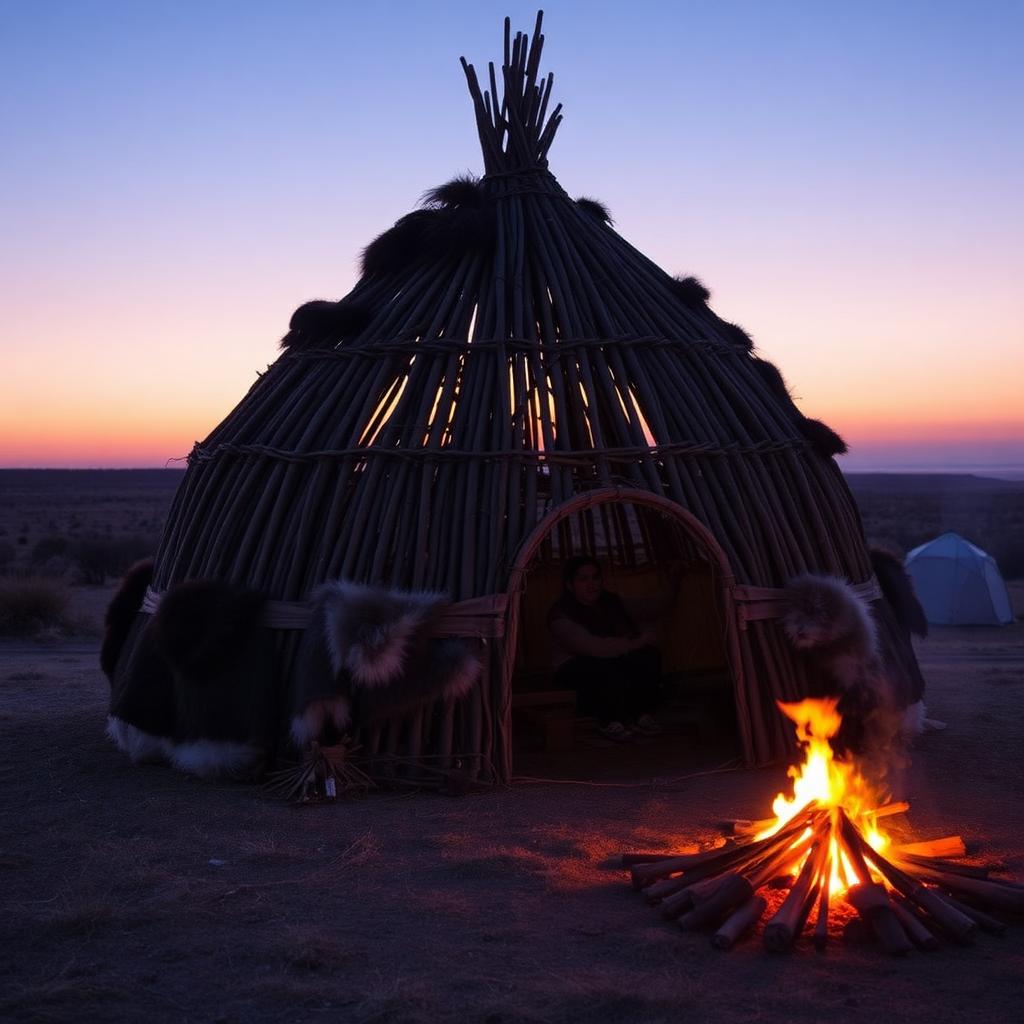
A purification ceremony held across many Indigenous North American nations.
- Curated companion
- Shared needs: grief
- Similar practices: preparation, fasting, prayer, food
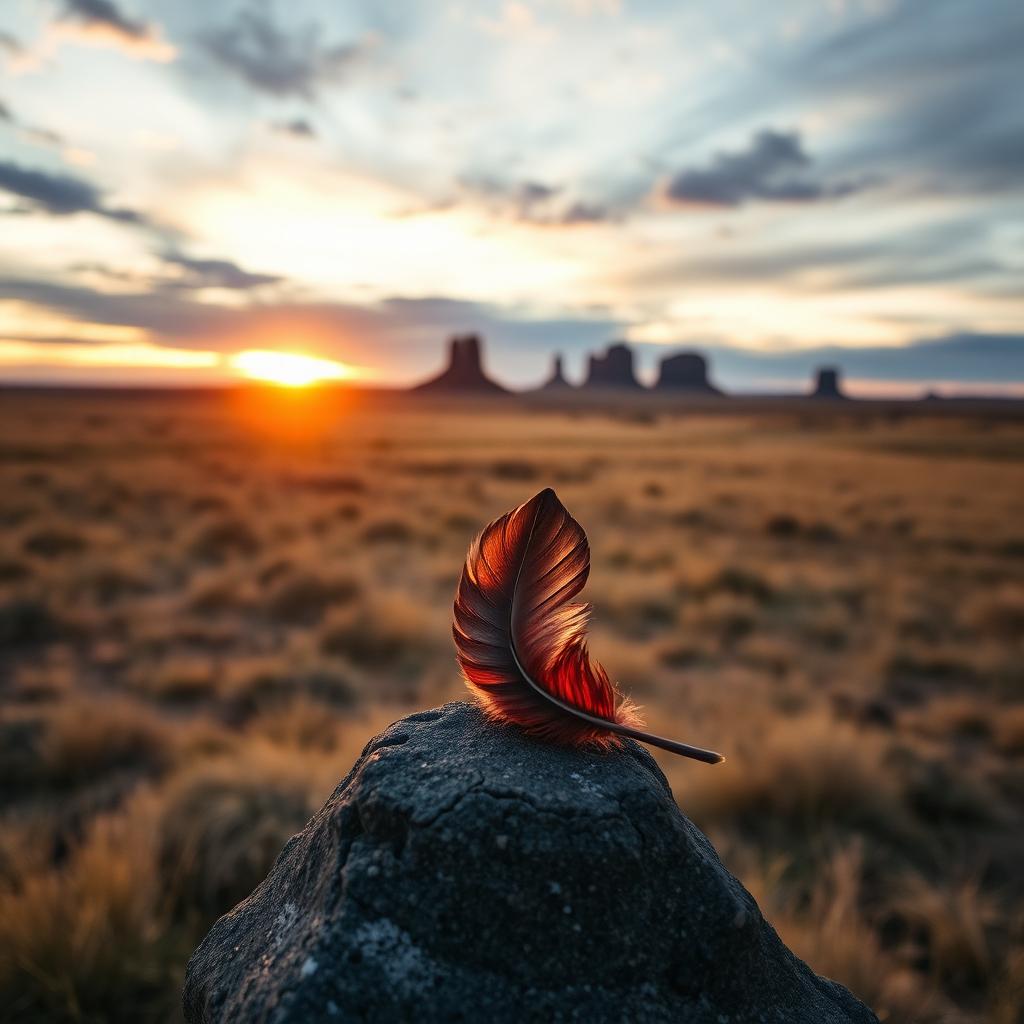
A vast family of Indigenous North American healing traditions, each nation with its own sacred practice.
- Curated companion
- Shared needs: grief
- Similar practices: prayer
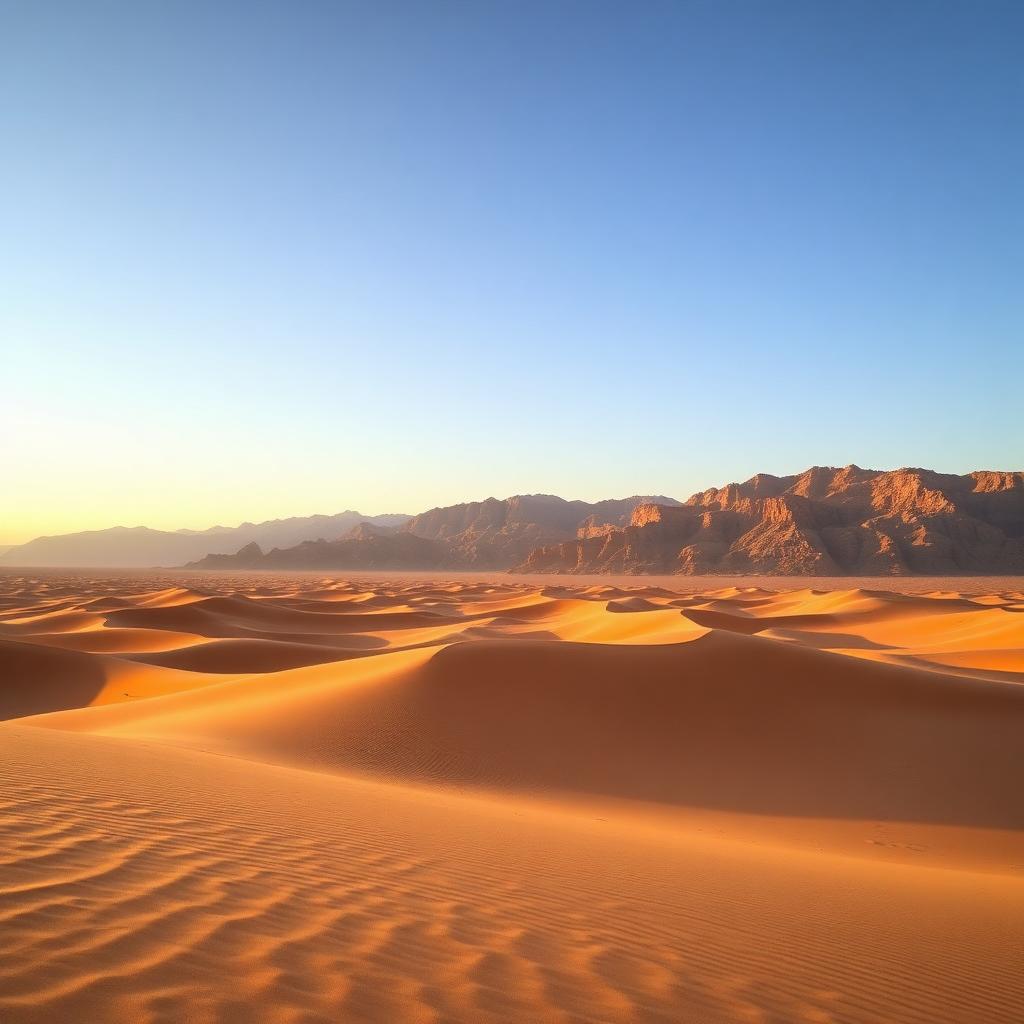
The wisdom of the Desert Fathers and Mothers of Egypt, Palestine, and Syria, silence as medicine.
- Curated companion
- Shared needs: rite of passage
The healing wisdom of the Lakota Nation, sweat lodge, pipe, and the sacred circle of Mitákuye Oyás’iŋ, 'all my relations'.
- Shared needs: grief, purpose
- Similar practices: vision
- Same region (North America)
Traditional medicine of the Cherokee Nation, plants, prayer, and the Beloved Path.
- Shared needs: grief
- Similar practices: water, prayer
- Same region (North America)
The Afro-Caribbean tradition of Haiti, lwa, community, and drum as a way of living.
- Shared needs: life direction, grief
- Same region (North America)