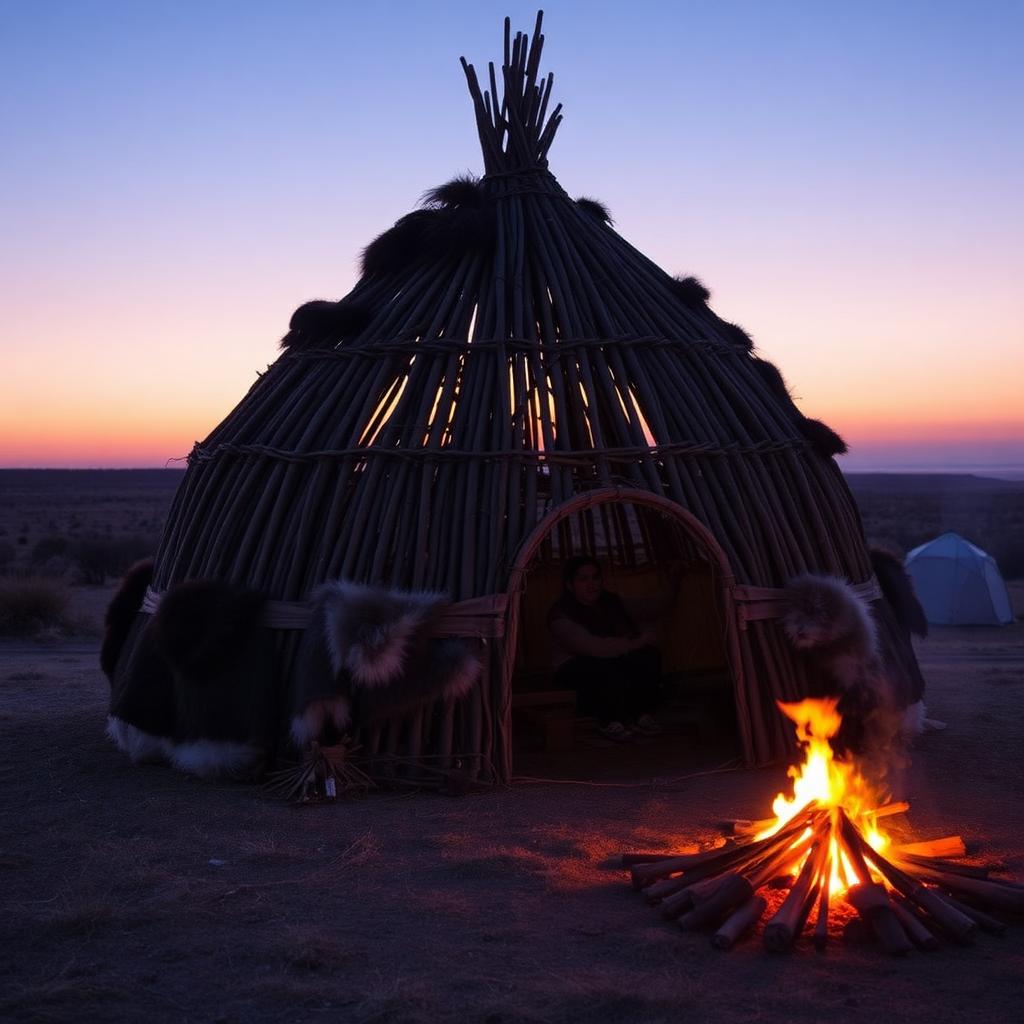
🔥Sweat Lodge (Inípi)
A purification ceremony held across many Indigenous North American nations.
Imagery evoking Sweat Lodge (Inípi), A purification ceremony held across many Indigenous North American nations.
Symbolic imagery, generated with respect. No sacred ceremony or living person depicted.
The sweat lodge (Inípi in Lakota, and known by many names across nations) is a purification ceremony held in a small dome of bent willow covered with hide or blanket. Hot stones are brought in and water is poured over them; participants pray, sing, and sweat through four rounds. It is a serious ceremony that must be led by an authorized keeper of the tradition. Improperly run sweat lodges have caused deaths; this is not a wellness retreat activity.
Lineage: Held by many Indigenous nations of North America.
Traditional lodges by donation; retreat versions $150, $500.
Estimates only. Many traditions offer sliding-scale, donation, or community access; sacred ceremonies are never for sale.
Distinguishing cultural belief, traditional practice, and evidence-supported effect where applicable.
Emotional
Grief and gratitude often move together in the rounds.
Spiritual
Prayer inside the lodge is understood to be heard by the ancestors and Creator.
Community
Everyone prays for everyone; no one prays only for themselves.
Nervous system
Extreme heat, darkness, and shared song deeply reset the system.
Areas of possible support, not guarantees or medical claims.
- Those invited by a tradition-keeper
- People carrying heavy grief
- Preparation and fasting before ceremony
- Four rounds of song and prayer with the stones
- Silence and food after
What to know before exploring
Traditional practice
This is a living tradition carried through lineage and community. Its value is documented through generations of practitioners rather than clinical trials. Absence of Western studies is not absence of wisdom.
- Fasting or restrictive diet. Fasts, cleanses, and prescribed diets can be meaningful, but they can also cause dizziness, low blood sugar, or electrolyte imbalance. They are best approached with care if you are pregnant, have diabetes, an eating-disorder history, or take medications that require food.
- Intense heat, cold, or altitude. Sweat lodges, saunas, banyas, hammams, cold plunges, and high-altitude ceremonies can be clarifying, but they also place real strain on the heart, blood pressure, and thermoregulation. Honor your limits and take breaks; these are not practices to push through.
- Financial and spiritual exploitation risk. Sacred traditions can attract people who charge steep fees or claim exclusive spiritual authority. Trustworthy teachers welcome questions, encourage outside support, and never pressure you to pay for more than you can afford.
- Cultural appropriation and closed practices. Some elements are closed to outsiders or reserved for initiated practitioners. Participating without invitation, or teaching without lineage, can harm living communities and weaken the practice itself. Approach as a respectful learner, not a consumer.
- Heart, blood pressure, and stroke history. Intense heat, cold, breath, or exertion can strain the cardiovascular system. If you have a heart condition, uncontrolled blood pressure, arrhythmia, a pacemaker, prior stroke, or take cardiac medication, check in with your physician before participating.
- Pregnancy, breastfeeding, and fertility treatment. Several herbs, essential oils, deep-tissue techniques, extreme temperatures, and intense breath or plant-medicine practices are not recommended during pregnancy, breastfeeding, or IVF cycles. Disclose your status and ask for a practitioner with prenatal training.
- Active PTSD or unprocessed severe trauma. Immersive, ceremonial, and altered-state work can surface traumatic memories without warning. If you are living with active PTSD, build a relationship with a trauma-informed licensed clinician first, and choose practitioners trained to hold trauma responses gently.
This information is shared as general education, not medical advice. The safest path is to share your full health story and current medications with both the practitioner and your regular healthcare provider before beginning something new.
Whose prayers would I carry into a lodge on behalf of my people?
What am I ready to release that a hot rock and honest sweat could take?
Written in the spirit of this tradition, held as invitations, not instructions. Take what serves your reflection.
What prayer would rise in me if I were sitting in the dark, praying with others?
Which parts of me are asking to be prayed with, rather than analyzed?
Who is my circle of prayer, and how do I show up for theirs?
Engaging with respect
Only participate in lodges led by authorized Indigenous water pourers. Do not join self-taught or 'commercialized' sweats; they have caused serious harm.
Traditions that share needs, practices, or cultural context with this one. Explore with respect for each lineage's origins.
A vast family of Indigenous North American healing traditions, each nation with its own sacred practice.
- Curated companion
- Shared needs: grief, community
- Similar practices: prayer
A rite of passage of prayer, fasting, and solitude on the land to receive direction.
- Curated companion
- Shared needs: grief
- Similar practices: preparation, fasting, food, prayer
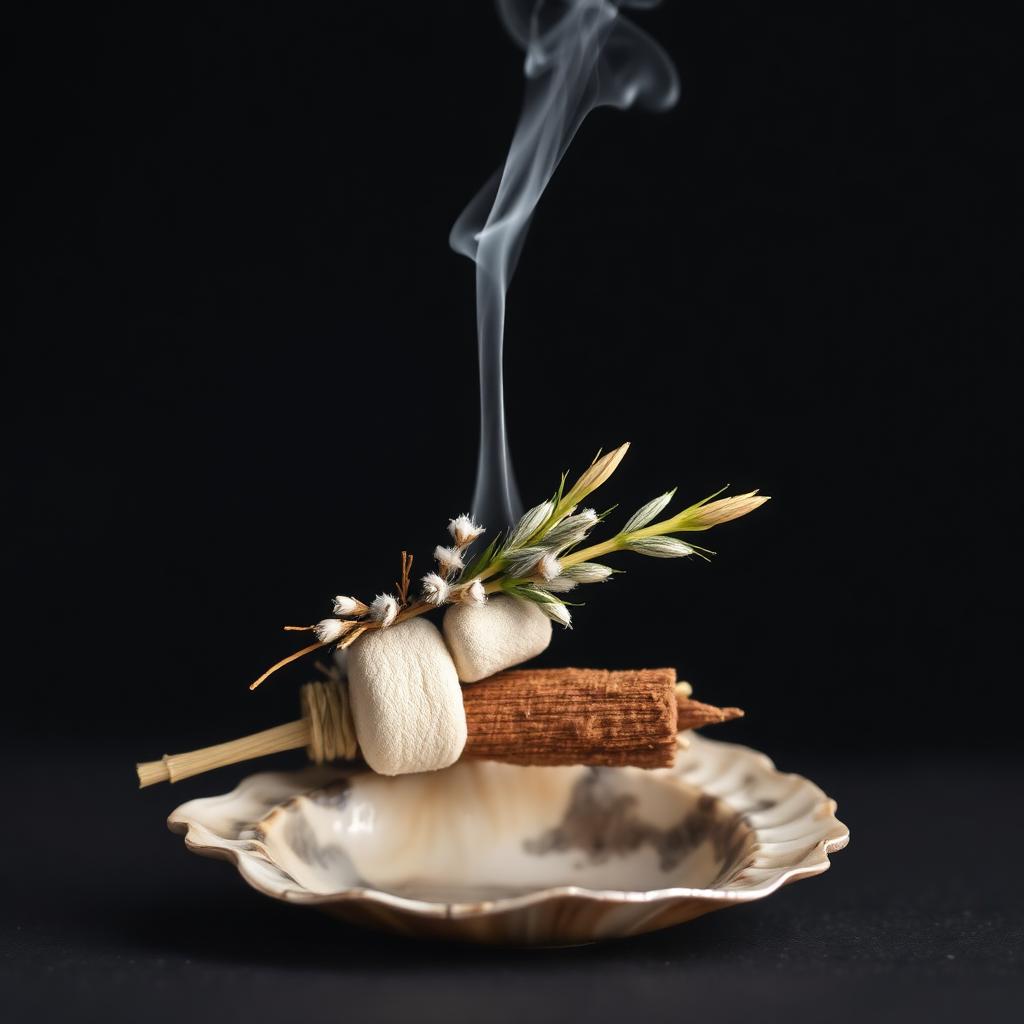
The clearing of a space or person with smoke of sacred plants such as sage, cedar, or sweetgrass.
- Curated companion
- Shared needs: grief
- Same region (North America)
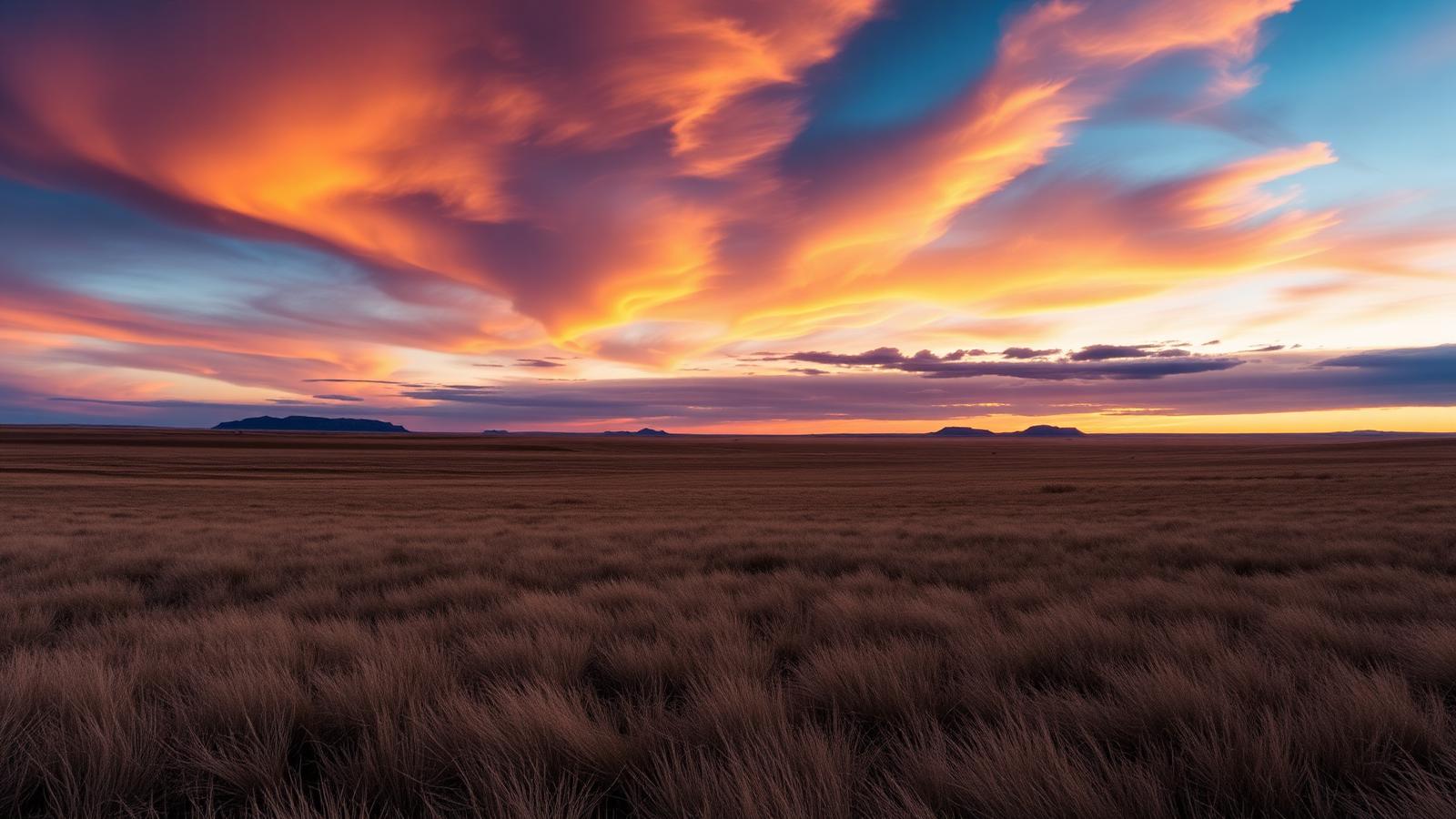
The healing wisdom of the Lakota Nation, sweat lodge, pipe, and the sacred circle of Mitákuye Oyás’iŋ, 'all my relations'.
- Shared needs: grief, community
- Similar practices: ceremony
- Same region (North America)
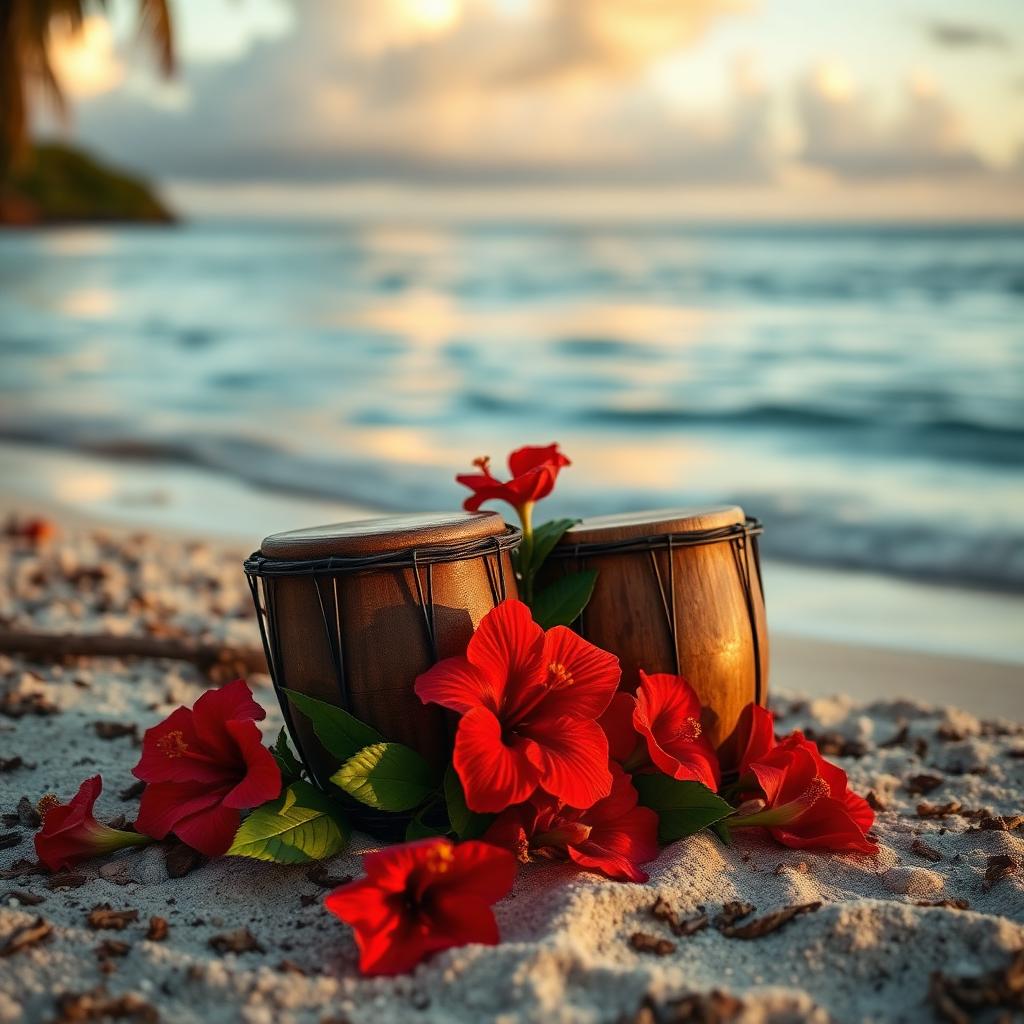
The Central American Garifuna healing rite calling ancestors home through drum and dance.
- Shared needs: grief
- Similar practices: ceremony, food
- Same region (North America)
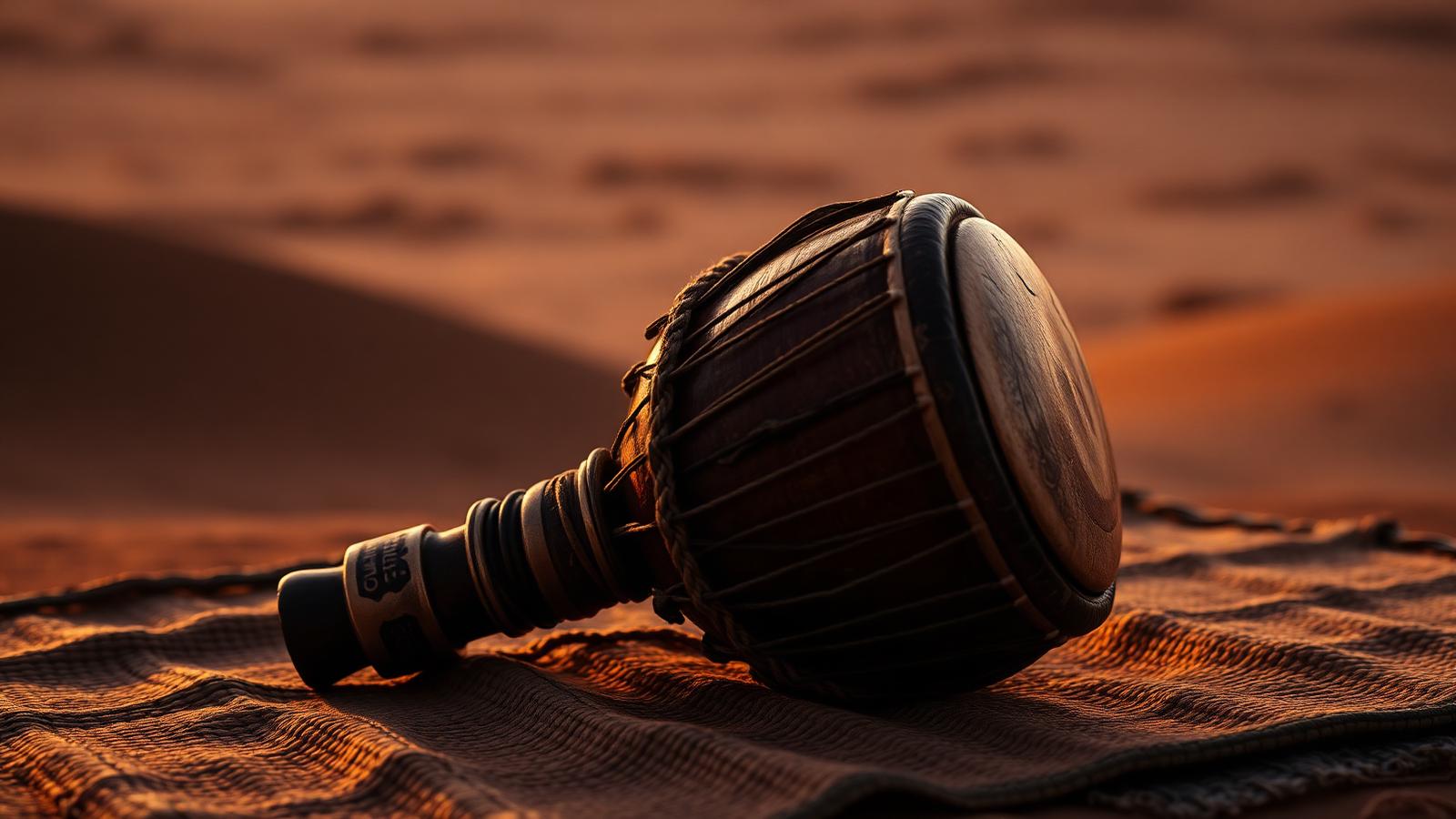
A West African tradition weaving ancestral wisdom, herbal medicine, and communal ritual into everyday life.
- Shared needs: grief, community
- Same tradition type