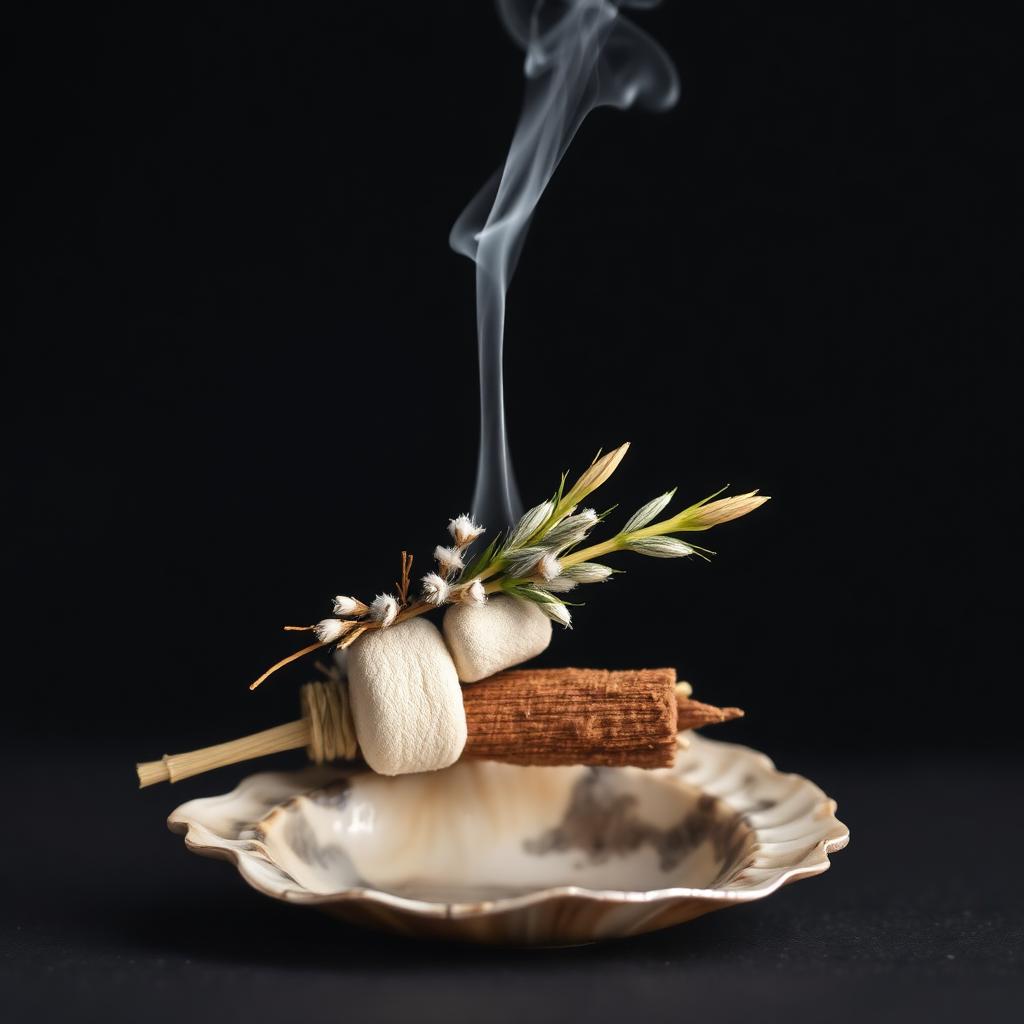
🌫️Smudging
The clearing of a space or person with smoke of sacred plants such as sage, cedar, or sweetgrass.
Imagery evoking Smudging, The clearing of a space or person with smoke of sacred plants such as sage, cedar, or sweetgrass.
Symbolic imagery, generated with respect. No sacred ceremony or living person depicted.
Smudging is the ceremonial burning of sacred plants (white sage, sweetgrass, cedar, tobacco in some traditions) to clear energy from a space, object, or person. It is a specific religious practice of many Indigenous nations, not a universal wellness trick. White sage in particular has been badly overharvested for the commercial market; using it as decor without lineage causes real ecological and cultural harm.
Lineage: Practiced across many Indigenous nations of the Americas.
Herbs $10, $30; sacred forms taught in community.
Estimates only. Many traditions offer sliding-scale, donation, or community access; sacred ceremonies are never for sale.
Distinguishing cultural belief, traditional practice, and evidence-supported effect where applicable.
Emotional
The gesture of clearing carries symbolic weight.
Spiritual
Marks a threshold between ordinary and prayerful time.
Nervous system
The scent, breath, and slowing itself downshift the system.
Areas of possible support, not guarantees or medical claims.
- Members of the nations that carry the ceremony
- Others using their own tradition's aromatic prayer
- If Indigenous: use the plant your nation uses, in the way you were taught.
- If not Indigenous: consider frankincense, palo santo (only ethically sourced), rosemary, mugwort, or your own culture's incense instead of white sage.
- Move the smoke with intention; open a window; close with gratitude.
What to know before exploring
Traditional practice
This is a living tradition carried through lineage and community. Its value is documented through generations of practitioners rather than clinical trials. Absence of Western studies is not absence of wisdom.
- Herbal preparations and dosing. Herbs, tinctures, teas, and topical preparations can be gentle and powerful at the same time. They may interact with prescription medications or affect blood pressure, the liver, kidneys, or allergies. Quality and sourcing matter, so work with a knowledgeable practitioner and share your medication list.
- Financial and spiritual exploitation risk. Sacred traditions can attract people who charge steep fees or claim exclusive spiritual authority. Trustworthy teachers welcome questions, encourage outside support, and never pressure you to pay for more than you can afford.
- Cultural appropriation and closed practices. Some elements are closed to outsiders or reserved for initiated practitioners. Participating without invitation, or teaching without lineage, can harm living communities and weaken the practice itself. Approach as a respectful learner, not a consumer.
This information is shared as general education, not medical advice. The safest path is to share your full health story and current medications with both the practitioner and your regular healthcare provider before beginning something new.
What in my life am I trying to clear, and by whose tradition?
Whose ceremony am I borrowing, and have I asked?
Written in the spirit of this tradition, held as invitations, not instructions. Take what serves your reflection.
What atmosphere am I ready to clear from the room of my life?
What intention would I set as I move through this next hour with care?
Which practice from my own lineage of clearing and blessing can I return to?
Engaging with respect
Buy white sage only from Indigenous-owned suppliers, or use non-appropriated alternatives. Learn the difference between religious ceremony and personal ritual.
Traditions that share needs, practices, or cultural context with this one. Explore with respect for each lineage's origins.
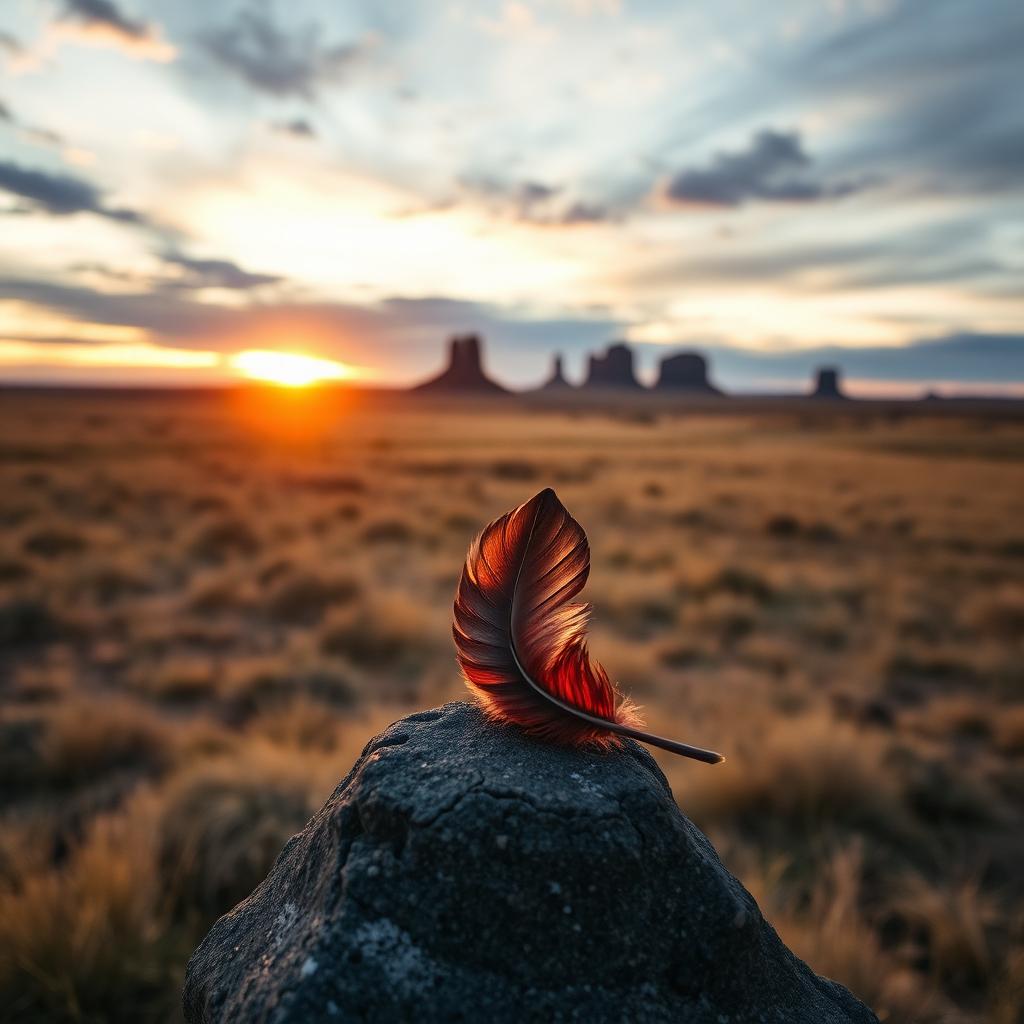
A vast family of Indigenous North American healing traditions, each nation with its own sacred practice.
- Curated companion
- Shared needs: grief
- Similar practices: plant, nation
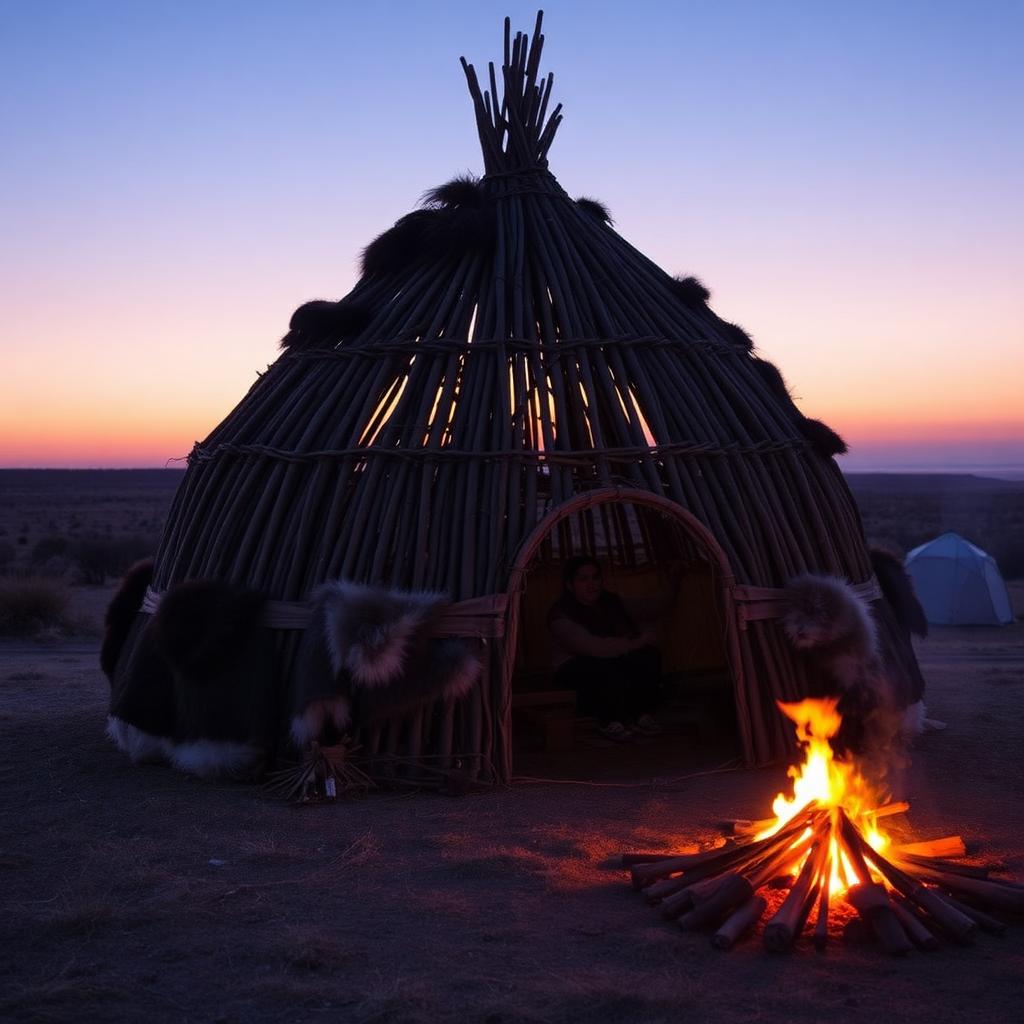
A purification ceremony held across many Indigenous North American nations.
- Curated companion
- Shared needs: grief
- Same region (North America)
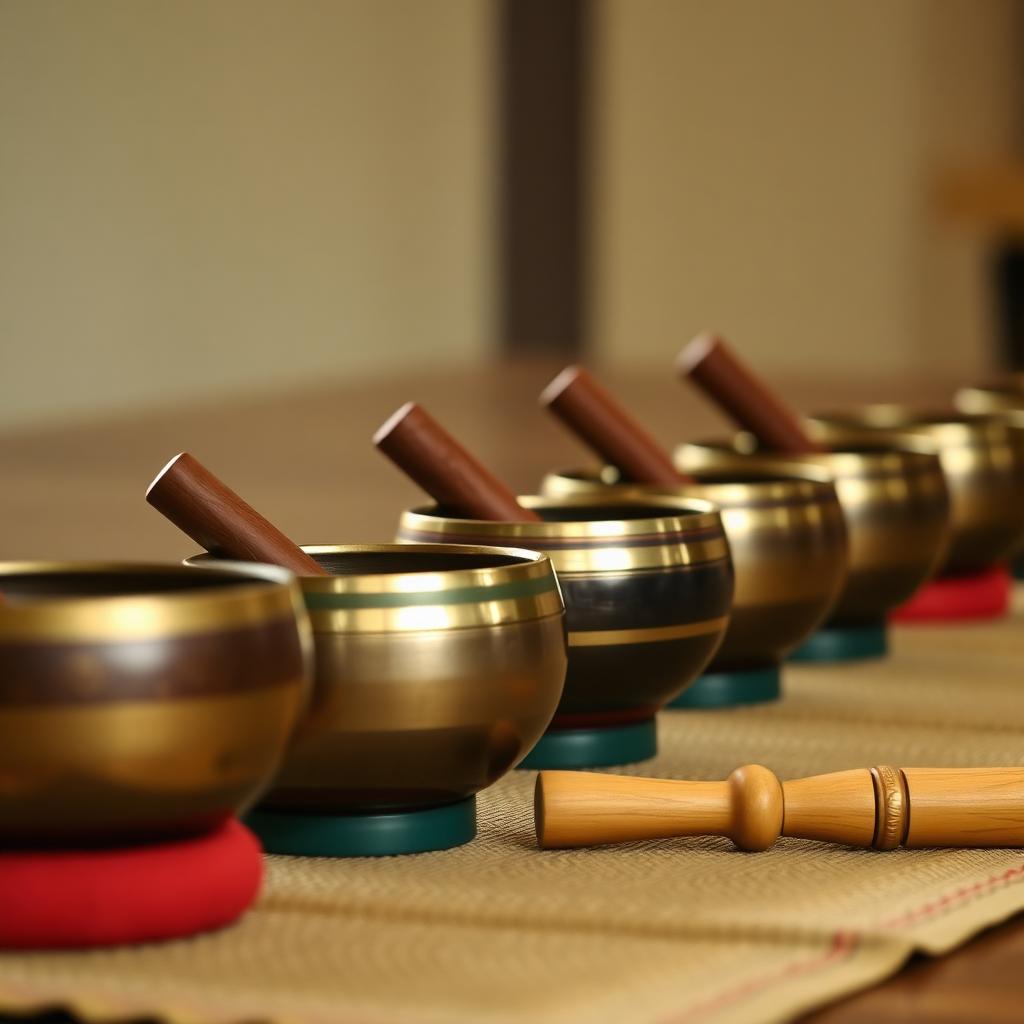
Singing bowls, gongs, and chant traditions used across cultures to shift state through vibration.
- Curated companion
- Shared needs: grief
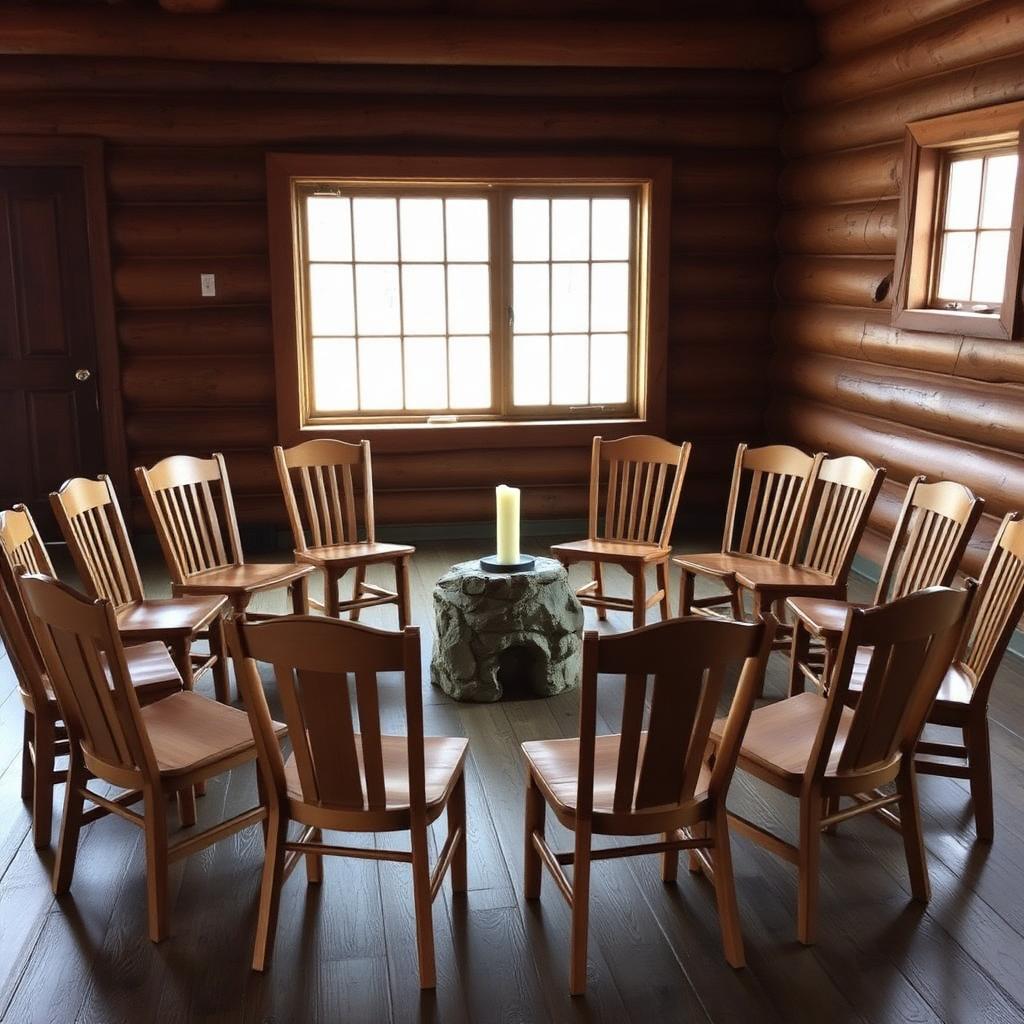
A Council practice in which each person speaks and is heard in turn, holding the whole group.
- Shared needs: grief
- Similar practices: close, gratitude
- Same region (North America)

Traditional medicine of the Cherokee Nation, plants, prayer, and the Beloved Path.
- Shared needs: grief
- Similar practices: plant
- Same region (North America)
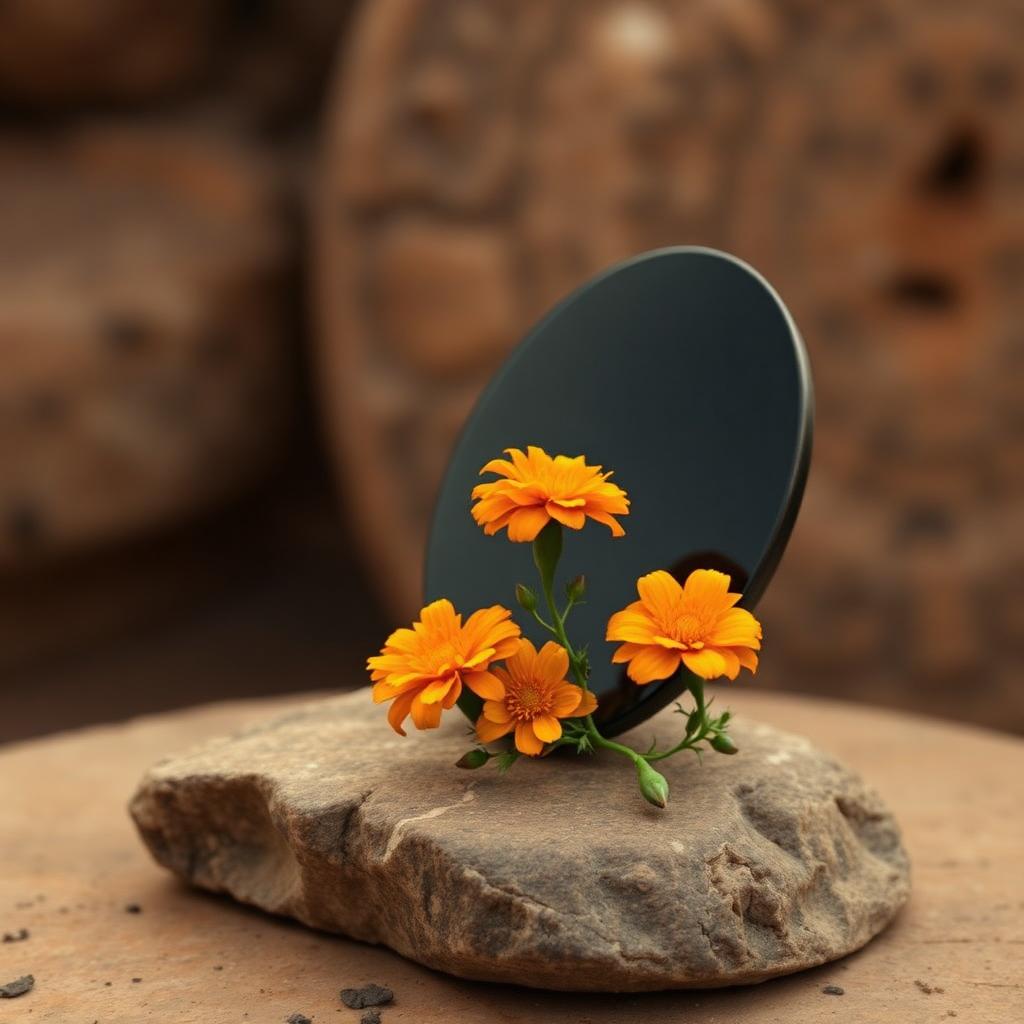
The temazcal, herbal medicine, and cosmology of the Mexica peoples of the Valley of Mexico.
- Shared needs: grief
- Similar practices: incense, plant
- Same region (North America)