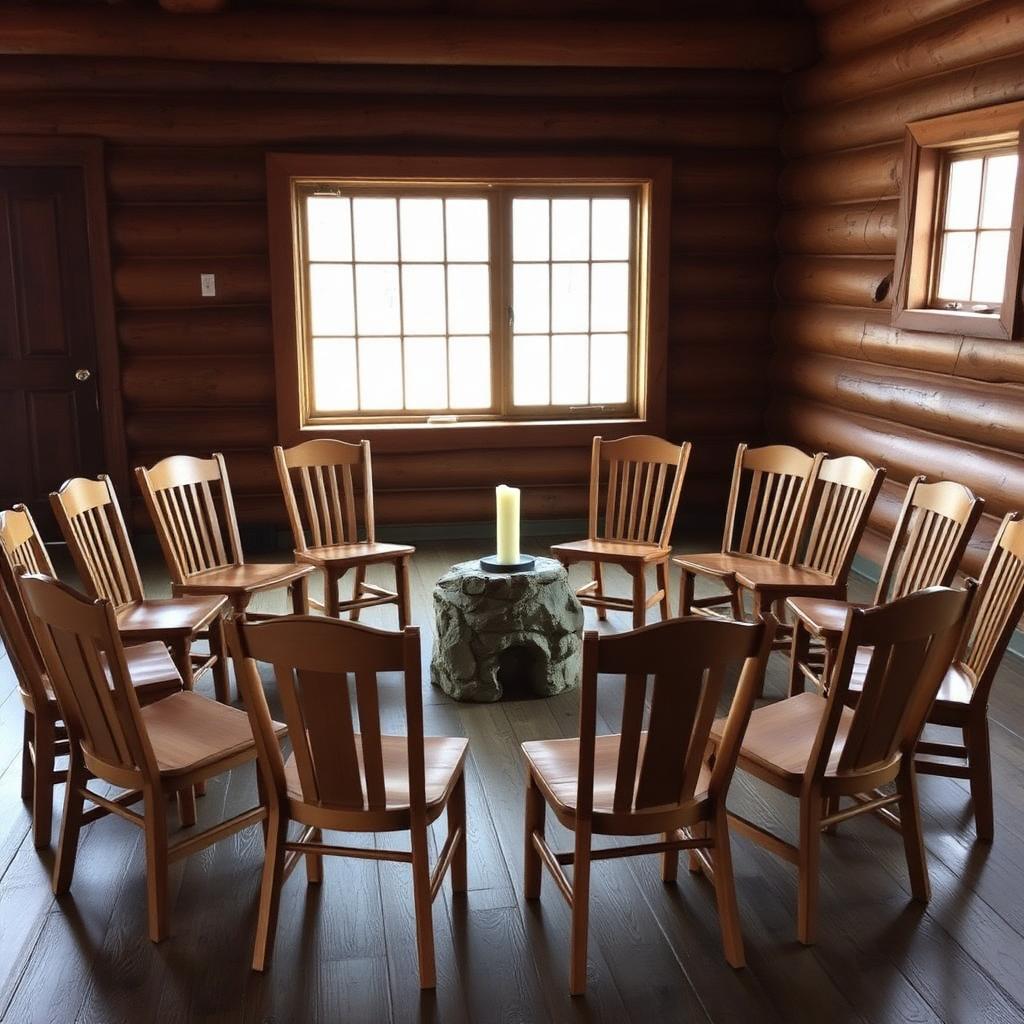
⭕Talking Circles
A Council practice in which each person speaks and is heard in turn, holding the whole group.
Imagery evoking Talking Circles, A Council practice in which each person speaks and is heard in turn, holding the whole group.
Symbolic imagery, generated with respect. No sacred ceremony or living person depicted.
The talking circle is a council practice held across many Indigenous North American nations. A talking piece (often a feather or stone) passes around the circle. Only the person holding it speaks; everyone else listens without interrupting or planning a response. There is no crosstalk. The circle is trusted to know what is needed. Modern restorative justice, group therapy, and workplace council practices draw directly from this form.
Lineage: Practiced across many nations; adapted in secular settings by Peggy Callahan, Christina Baldwin, and many Indigenous educators.
Community-hosted; typically free or donation.
Estimates only. Many traditions offer sliding-scale, donation, or community access; sacred ceremonies are never for sale.
Distinguishing cultural belief, traditional practice, and evidence-supported effect where applicable.
Emotional
Slows the pace so real feeling can arrive.
Psychological
Being listened to without interruption is medicine in itself.
Community
Reveals the whole group's wisdom rather than the loudest voice's.
Areas of possible support, not guarantees or medical claims.
- Any group that has forgotten how to listen
- Families in tension
- Teams stuck in reactivity
- Choose a talking piece
- One person speaks at a time, no interruption
- Speak from the heart, listen from the heart
- Close with a short round of gratitude
What to know before exploring
Traditional practice
This is a living tradition carried through lineage and community. Its value is documented through generations of practitioners rather than clinical trials. Absence of Western studies is not absence of wisdom.
- Cultural appropriation and closed practices. Some elements are closed to outsiders or reserved for initiated practitioners. Participating without invitation, or teaching without lineage, can harm living communities and weaken the practice itself. Approach as a respectful learner, not a consumer.
This information is shared as general education, not medical advice. The safest path is to share your full health story and current medications with both the practitioner and your regular healthcare provider before beginning something new.
In what conversation have I not truly been heard in years?
What would our family council look like if we tried this once a month?
Written in the spirit of this tradition, held as invitations, not instructions. Take what serves your reflection.
What would I say if I knew I would be heard without interruption?
What happens in me when someone else's truth is honored as sacred?
Which circle in my life offers me a place to speak, and to be spoken to?
Engaging with respect
Credit the Indigenous roots. Do not brand it as your own invention.
Traditions that share needs, practices, or cultural context with this one. Explore with respect for each lineage's origins.
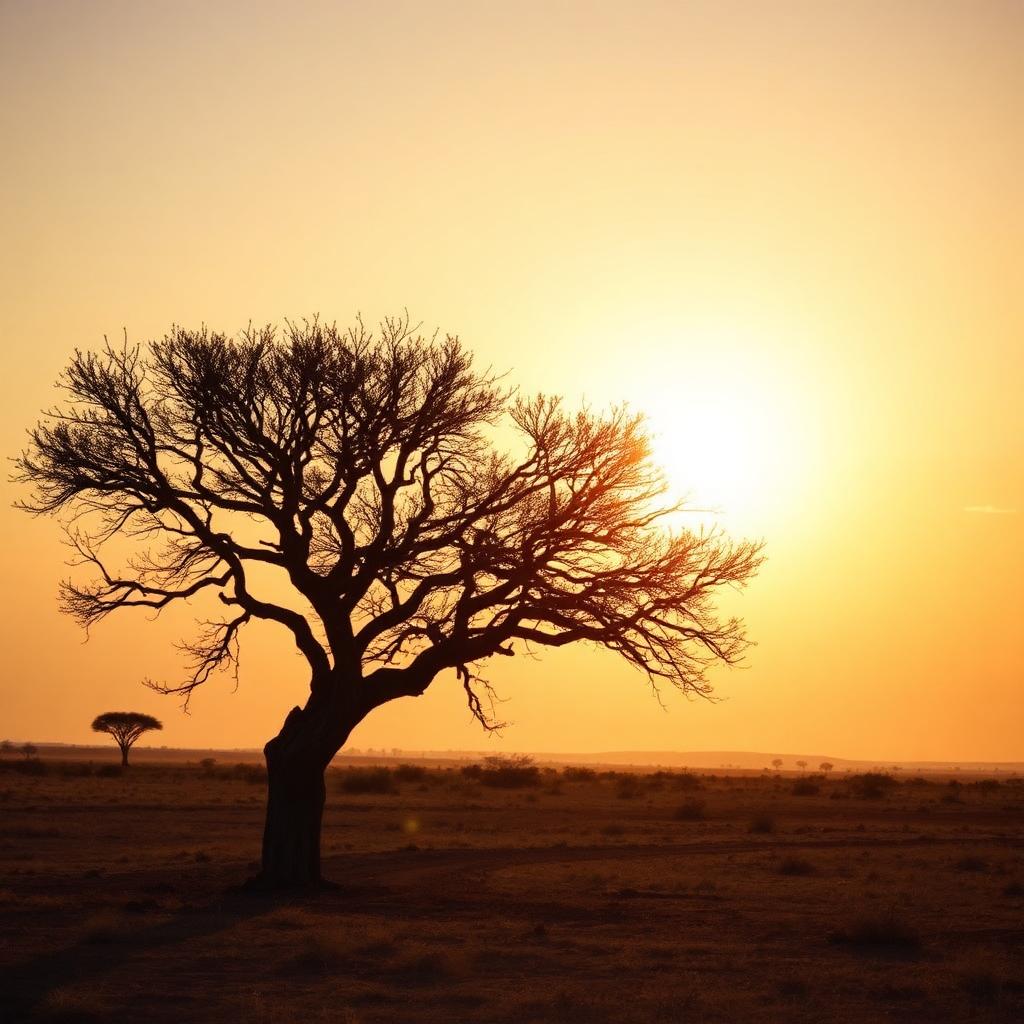
'I am because we are', a Southern African philosophy of communal personhood as healing.
- Curated companion
- Shared needs: belonging, community trust
- Same tradition type

A vast family of Indigenous North American healing traditions, each nation with its own sacred practice.
- Curated companion
- Shared needs: grief
- Same region (North America)

A sacred symbol and teaching tool held across many nations, mapping the four directions and life stages.
- Curated companion
- Same region (North America)
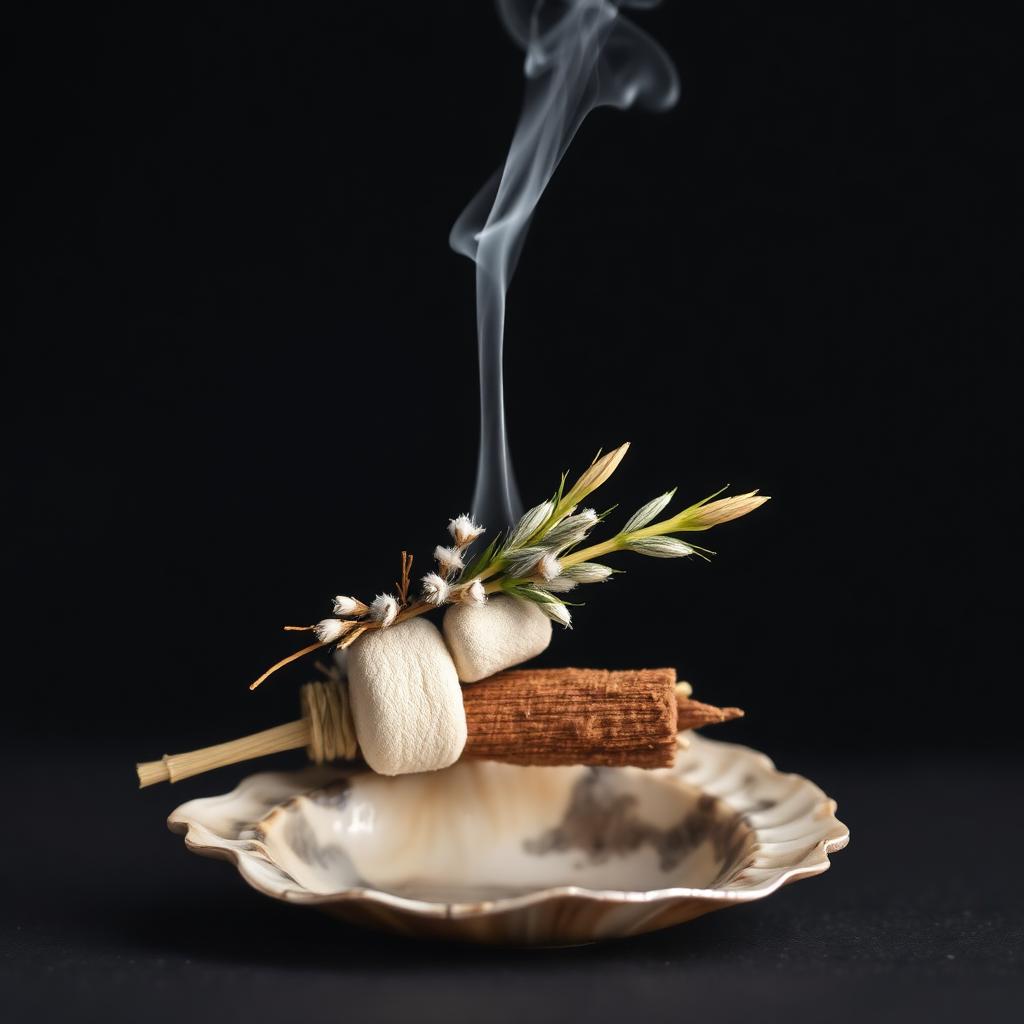
The clearing of a space or person with smoke of sacred plants such as sage, cedar, or sweetgrass.
- Shared needs: grief
- Similar practices: close, gratitude
- Same region (North America)
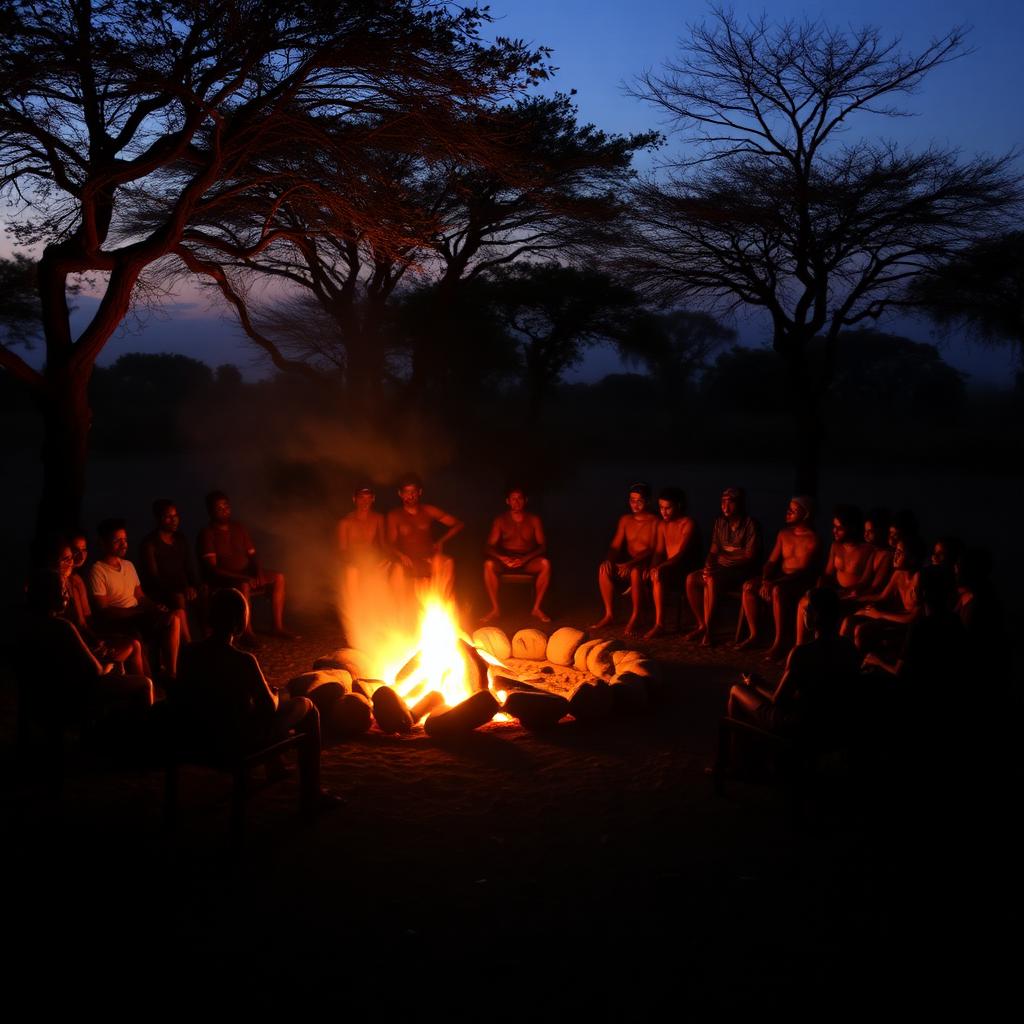
Communal ceremonies that hold grief, reconciliation, and life passages across many African peoples.
- Shared needs: grief, community trust
- Same tradition type

Traditional medicine of the Cherokee Nation, plants, prayer, and the Beloved Path.
- Shared needs: grief
- Similar practices: person
- Same region (North America)