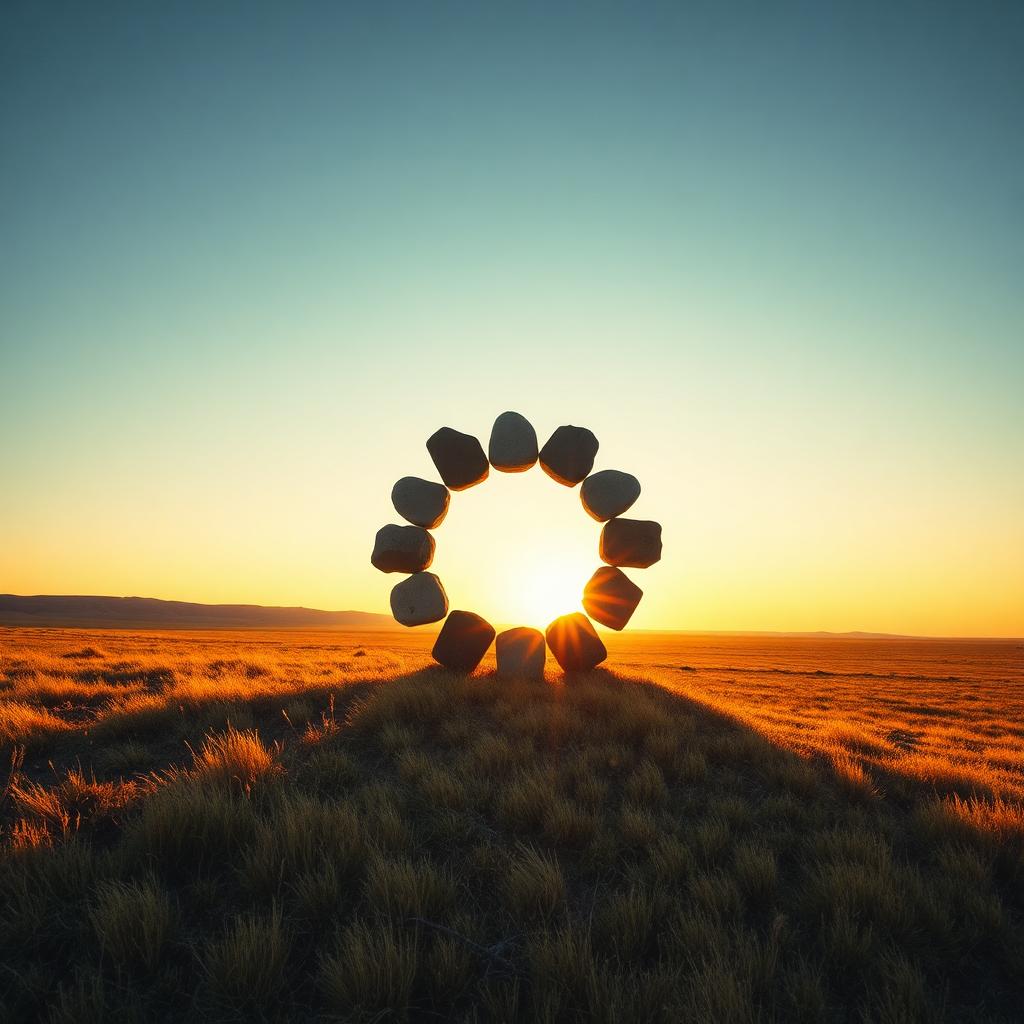
☸️Medicine Wheel
A sacred symbol and teaching tool held across many nations, mapping the four directions and life stages.
Imagery evoking Medicine Wheel, A sacred symbol and teaching tool held across many nations, mapping the four directions and life stages.
Symbolic imagery, generated with respect. No sacred ceremony or living person depicted.
The medicine wheel is a sacred symbol and teaching tool held by many Indigenous nations of Turtle Island (North America). Its details vary by nation, but it commonly maps the four directions (east, south, west, north), four peoples, four seasons, and four aspects of self (mental, emotional, physical, spiritual). It is used for teaching, prayer, self-inquiry, and community organizing.
Lineage: Cheyenne, Cree, Anishinaabe, Lakota, and many other nations hold their own version.
Community-led; teaching circles by donation.
Estimates only. Many traditions offer sliding-scale, donation, or community access; sacred ceremonies are never for sale.
Distinguishing cultural belief, traditional practice, and evidence-supported effect where applicable.
Psychological
The wheel is a lens for noticing what is overdeveloped and what is neglected.
Spiritual
Locates the person inside a wider order.
Community
Shared language for group reflection.
Areas of possible support, not guarantees or medical claims.
- Those seeking a framework for whole-person growth
- Groups wanting shared reflective language
- Regular check-in across the four aspects of self
- Seasonal ceremony aligned to a direction
- Community teaching in wheel form
What to know before exploring
Traditional practice
This is a living tradition carried through lineage and community. Its value is documented through generations of practitioners rather than clinical trials. Absence of Western studies is not absence of wisdom.
- Herbal preparations and dosing. Herbs, tinctures, teas, and topical preparations can be gentle and powerful at the same time. They may interact with prescription medications or affect blood pressure, the liver, kidneys, or allergies. Quality and sourcing matter, so work with a knowledgeable practitioner and share your medication list.
- Trance, possession, and altered states. Drumming, dance, and possession-based ceremonies can open non-ordinary states that feel profound but may be destabilizing for people with a personal or family history of psychosis, bipolar, dissociation, or acute trauma. Go slowly and honestly, with trustworthy support.
- Financial and spiritual exploitation risk. Sacred traditions can attract people who charge steep fees or claim exclusive spiritual authority. Trustworthy teachers welcome questions, encourage outside support, and never pressure you to pay for more than you can afford.
- Cultural appropriation and closed practices. Some elements are closed to outsiders or reserved for initiated practitioners. Participating without invitation, or teaching without lineage, can harm living communities and weaken the practice itself. Approach as a respectful learner, not a consumer.
- Active PTSD or unprocessed severe trauma. Immersive, ceremonial, and altered-state work can surface traumatic memories without warning. If you are living with active PTSD, build a relationship with a trauma-informed licensed clinician first, and choose practitioners trained to hold trauma responses gently.
This information is shared as general education, not medical advice. The safest path is to share your full health story and current medications with both the practitioner and your regular healthcare provider before beginning something new.
Which of the four aspects of me is most starved this season?
Which direction am I facing without knowing it?
Written in the spirit of this tradition, held as invitations, not instructions. Take what serves your reflection.
Which direction, east, south, west, or north, matches this season of my life?
What lesson is each direction of the wheel offering me right now?
Who walks with me around the wheel, and who has already gone ahead?
Engaging with respect
Learn from an Indigenous teacher of the specific version you are using; credit the source.
Traditions that share needs, practices, or cultural context with this one. Explore with respect for each lineage's origins.
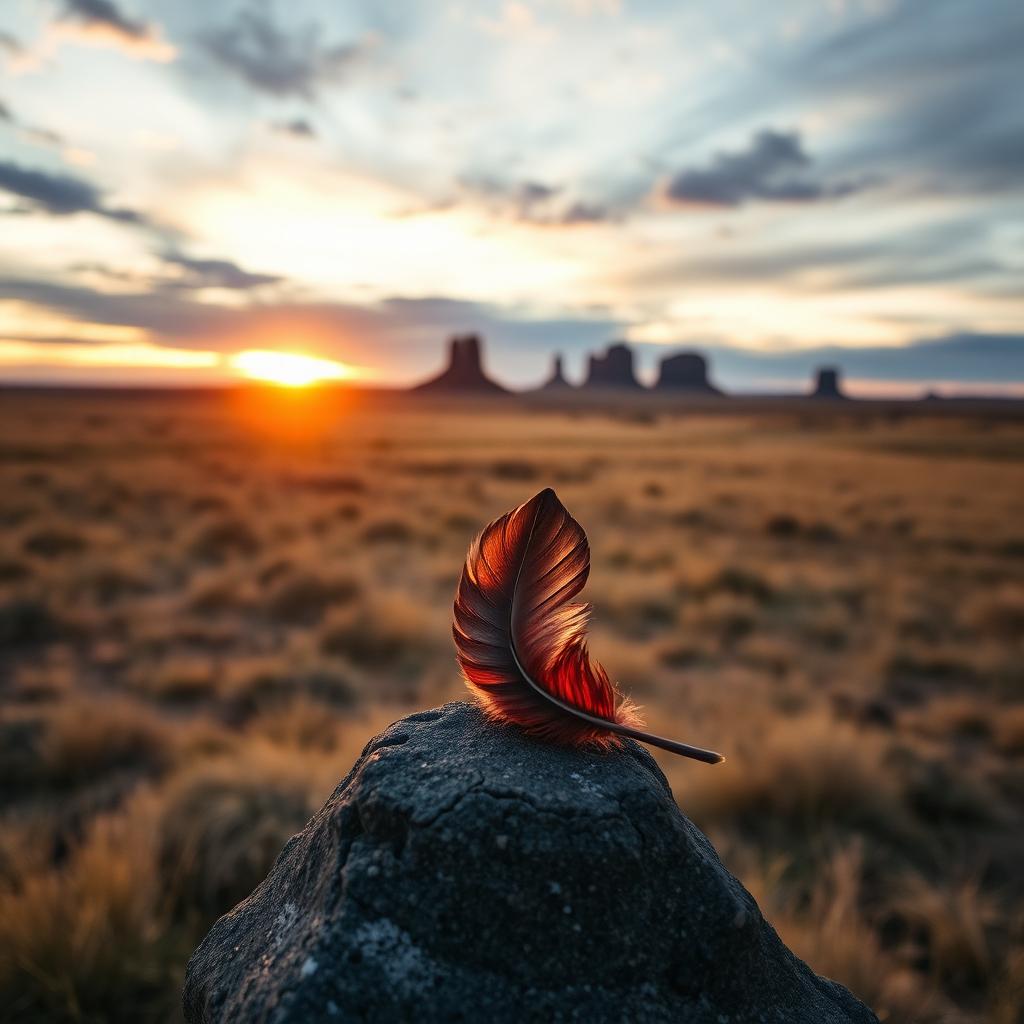
A vast family of Indigenous North American healing traditions, each nation with its own sacred practice.
- Curated companion
- Shared needs: meaning
- Same region (North America)
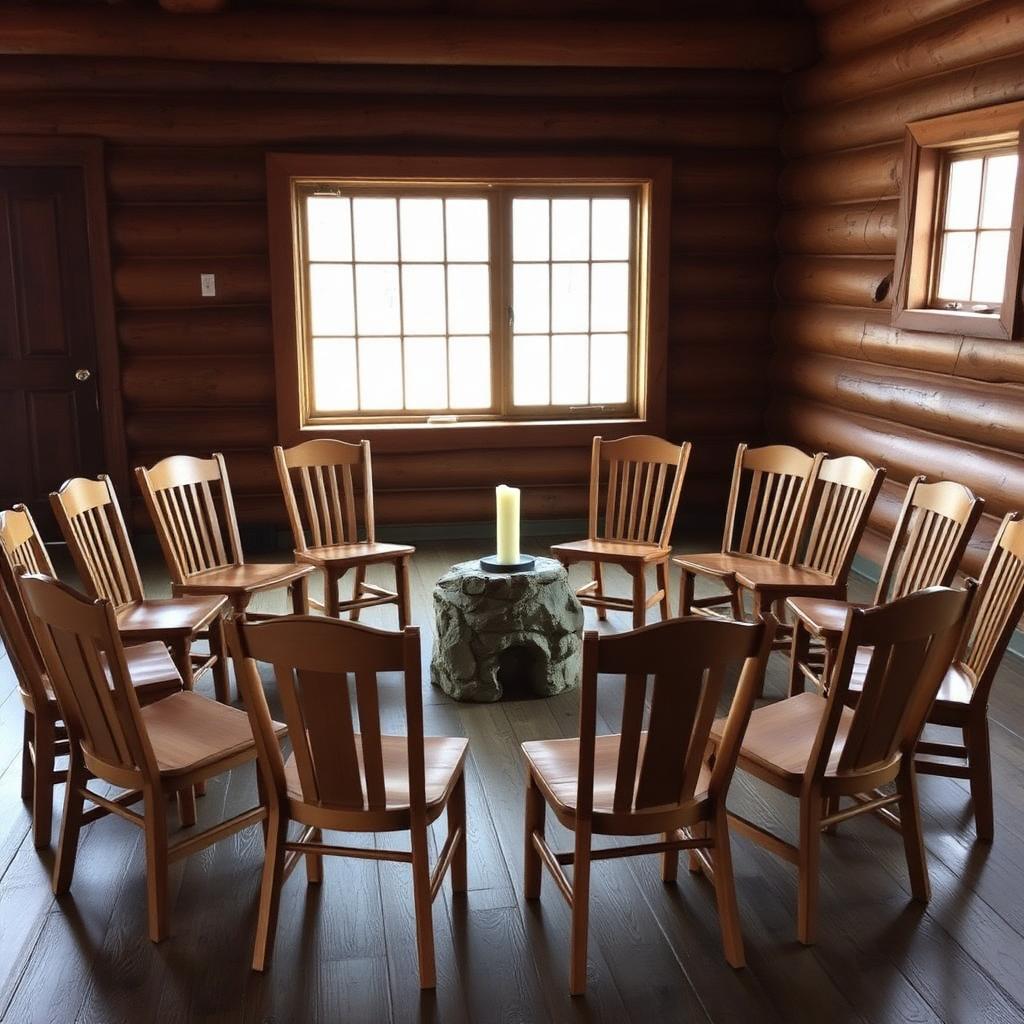
A Council practice in which each person speaks and is heard in turn, holding the whole group.
- Curated companion
- Same region (North America)
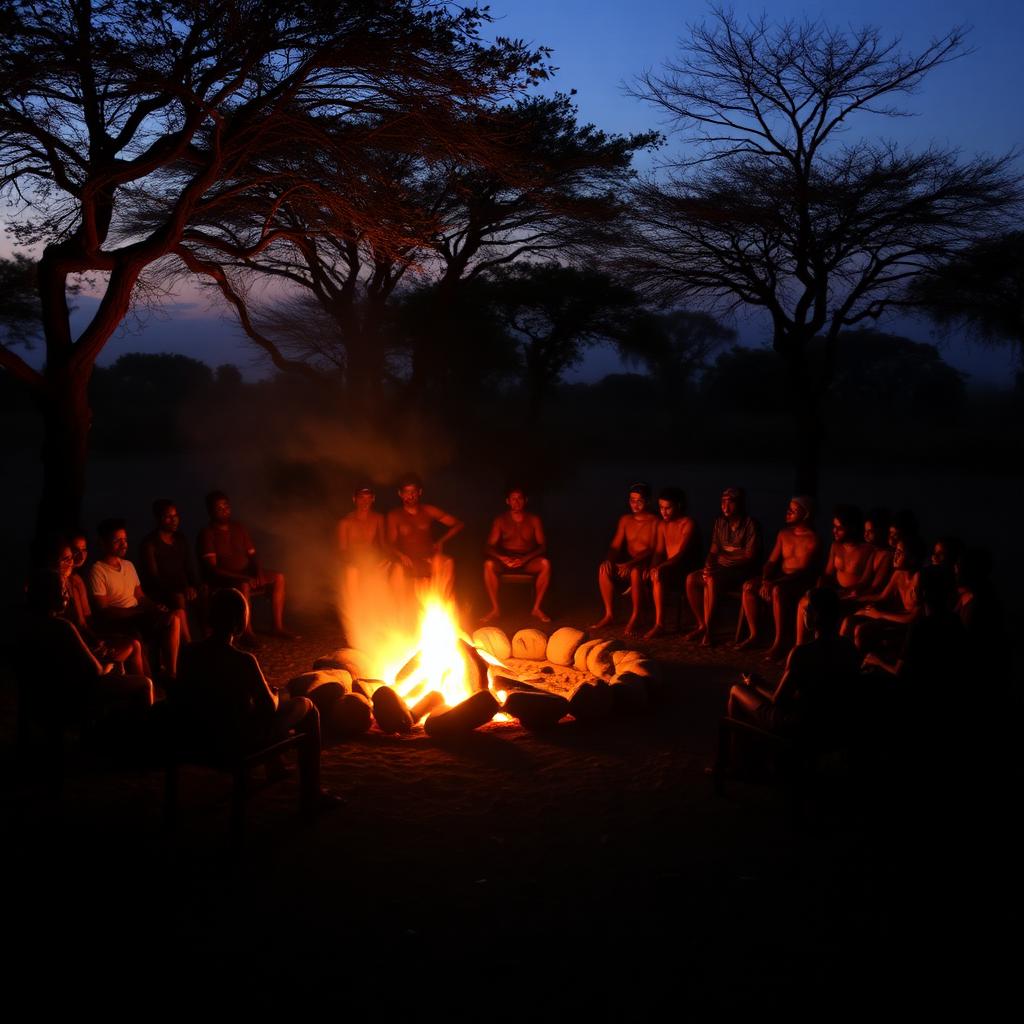
Communal ceremonies that hold grief, reconciliation, and life passages across many African peoples.
- Shared needs: life passage, meaning
- Same tradition type
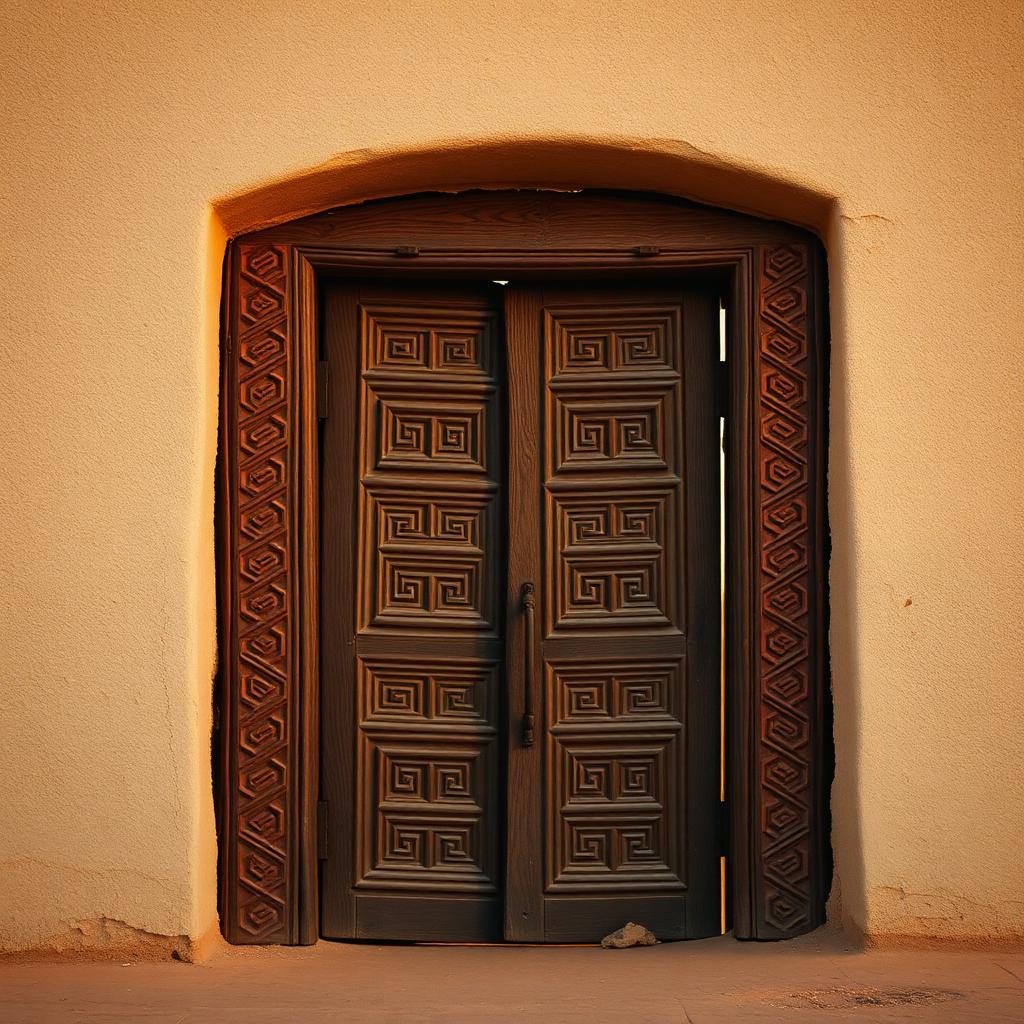
The intricate star-lore, mask ceremony, and healing philosophy of the Dogon of Mali.
- Shared needs: meaning, life passage
- Same tradition type
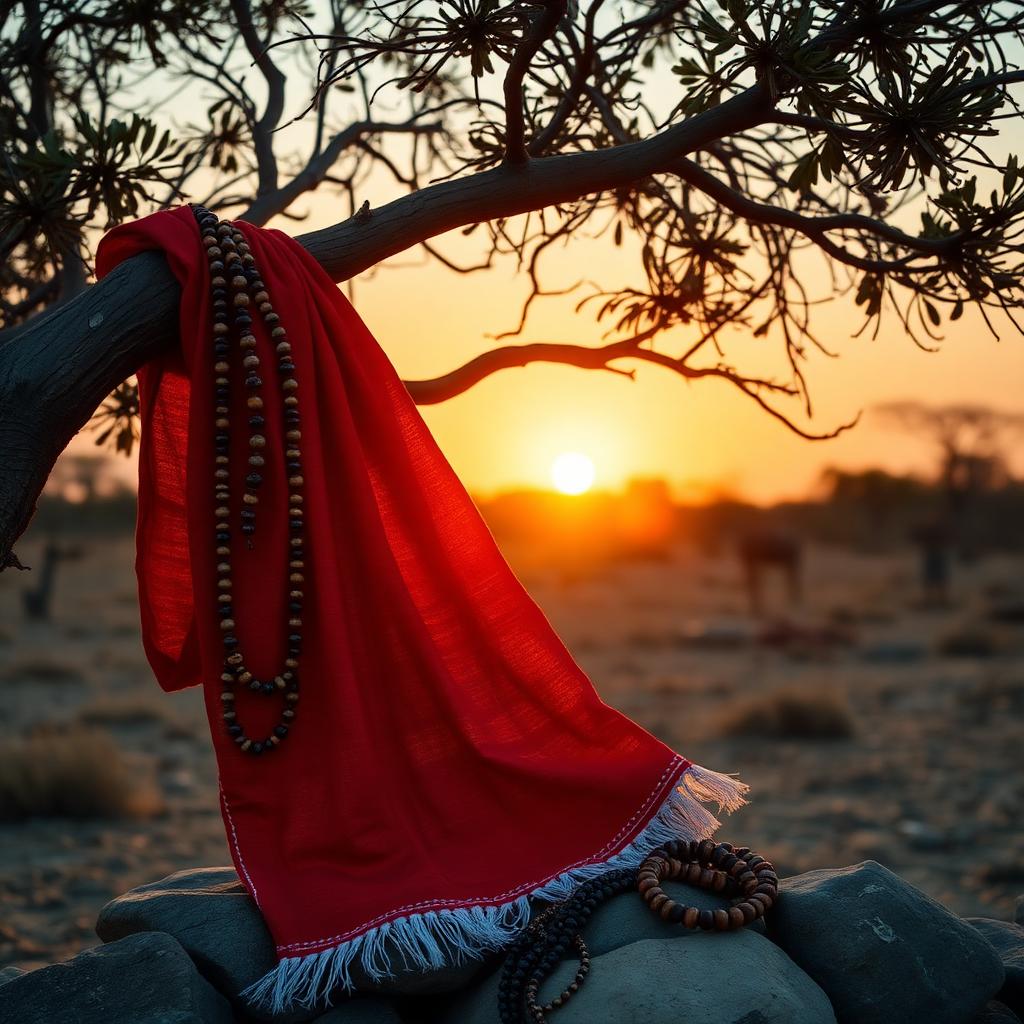
The pastoralist wisdom of the Maasai of Kenya and Tanzania, age-sets, cattle, and land.
- Shared needs: life passage, meaning
- Same tradition type

Traditional medicine of the Cherokee Nation, plants, prayer, and the Beloved Path.
- Shared needs: life passage
- Same region (North America)