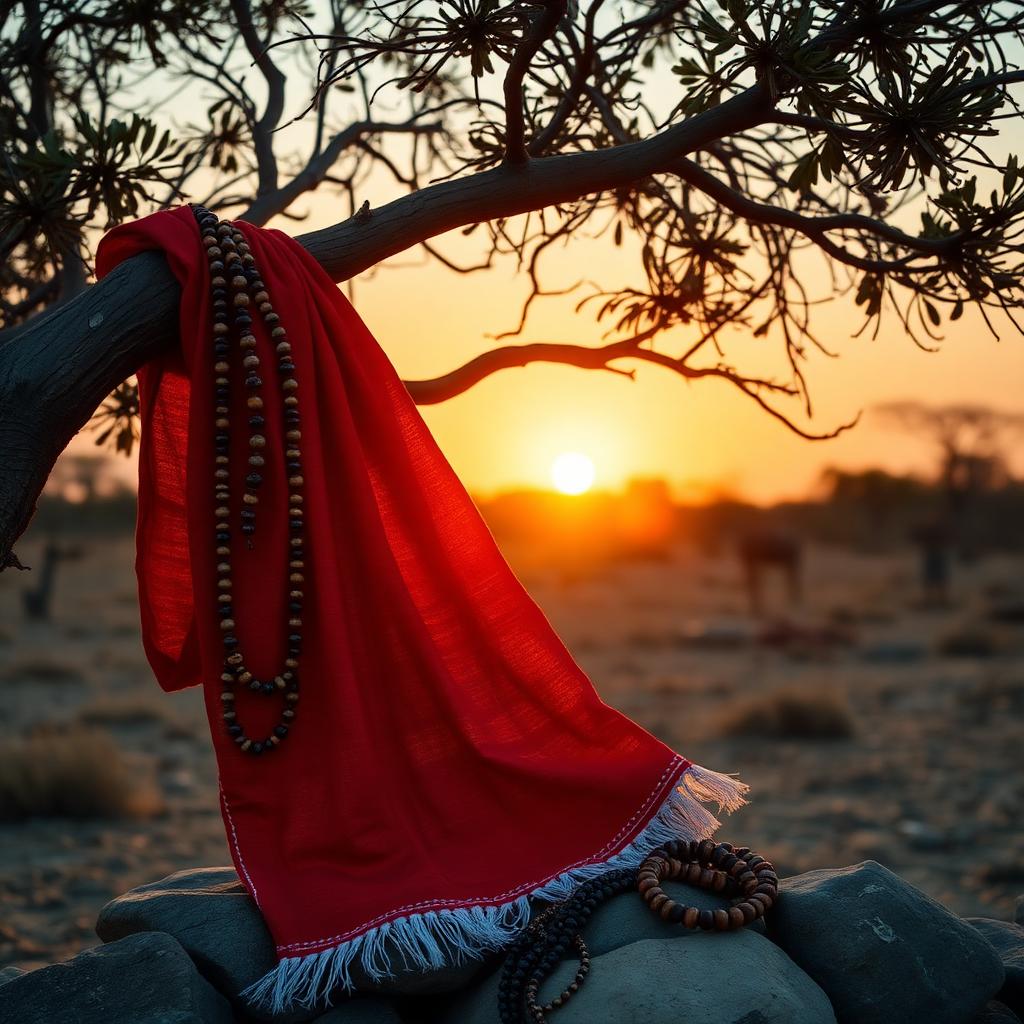
🛡️Maasai Traditions
The pastoralist wisdom of the Maasai of Kenya and Tanzania, age-sets, cattle, and land.
The Maasai of Kenya and Tanzania are a pastoralist people organized around age-sets, cattle, and the sacred land of the Rift Valley. Healing weaves herbal medicine (bark, root, and leaf), a diet of milk, meat, and blood, and long communal singing. Enkai (God) is present in mountain, rain, and cattle. The moran (young warriors) undergo a long initiation into responsibility.
Lineage: Maasai age-set system and laibon (spiritual leaders).
Cost depends on practitioner, region, and format.
Estimates only. Many traditions offer sliding-scale, donation, or community access; sacred ceremonies are never for sale.
Distinguishing cultural belief, traditional practice, and evidence-supported effect where applicable.
Emotional
Song is used to move grief, joy, and welcome.
Spiritual
Enkai is present daily in the land and animals.
Community
Age-set solidarity carries a person through life stages.
Physical
Bark and root remedies for digestion, wound, and fever.
Areas of possible support, not guarantees or medical claims.
- People drawn to age-cohort community
- Those with questions about coming of age
- Age-set gatherings
- Communal singing and jumping (adumu)
- Herbal preparations from acacia and other trees
- Cattle care as spiritual practice
What to know before exploring
Traditional practice
This is a living tradition carried through lineage and community. Its value is documented through generations of practitioners rather than clinical trials. Absence of Western studies is not absence of wisdom.
- Herbal preparations and dosing. Herbs, tinctures, teas, and topical preparations can be gentle and powerful at the same time. They may interact with prescription medications or affect blood pressure, the liver, kidneys, or allergies. Quality and sourcing matter, so work with a knowledgeable practitioner and share your medication list.
- Trance, possession, and altered states. Drumming, dance, and possession-based ceremonies can open non-ordinary states that feel profound but may be destabilizing for people with a personal or family history of psychosis, bipolar, dissociation, or acute trauma. Go slowly and honestly, with trustworthy support.
- Financial and spiritual exploitation risk. Sacred traditions can attract people who charge steep fees or claim exclusive spiritual authority. Trustworthy teachers welcome questions, encourage outside support, and never pressure you to pay for more than you can afford.
- Cultural appropriation and closed practices. Some elements are closed to outsiders or reserved for initiated practitioners. Participating without invitation, or teaching without lineage, can harm living communities and weaken the practice itself. Approach as a respectful learner, not a consumer.
- Pregnancy, breastfeeding, and fertility treatment. Several herbs, essential oils, deep-tissue techniques, extreme temperatures, and intense breath or plant-medicine practices are not recommended during pregnancy, breastfeeding, or IVF cycles. Disclose your status and ask for a practitioner with prenatal training.
- Prescription medication interactions. Bring a full medication list to your practitioner and pharmacist. Some common combinations need extra care, such as SSRIs and MAOIs with ayahuasca or St. John's wort, blood thinners with garlic or ginkgo, and immunosuppressants with many herbs. Your care team can help you navigate this.
This information is shared as general education, not medical advice. The safest path is to share your full health story and current medications with both the practitioner and your regular healthcare provider before beginning something new.
Who are the peers I would trust for the rest of my life?
What have I skipped that a proper passage would have taught me?
Engaging with respect
Support Maasai land rights and buy beadwork directly from cooperatives rather than middlemen.
Traditions that share needs, practices, or cultural context with this one. Explore with respect for each lineage's origins.
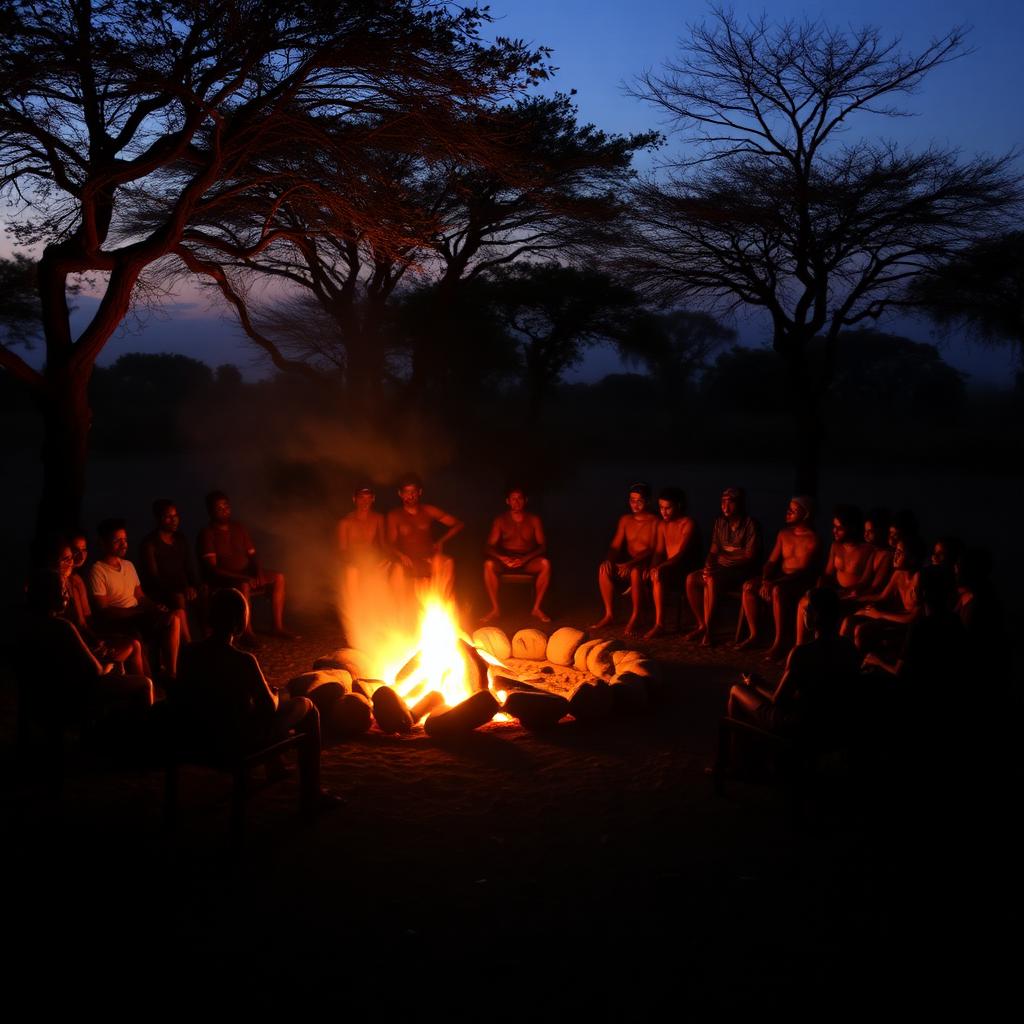
Communal ceremonies that hold grief, reconciliation, and life passages across many African peoples.
- Curated companion
- Shared needs: life passage, meaning
- Same region (Africa)
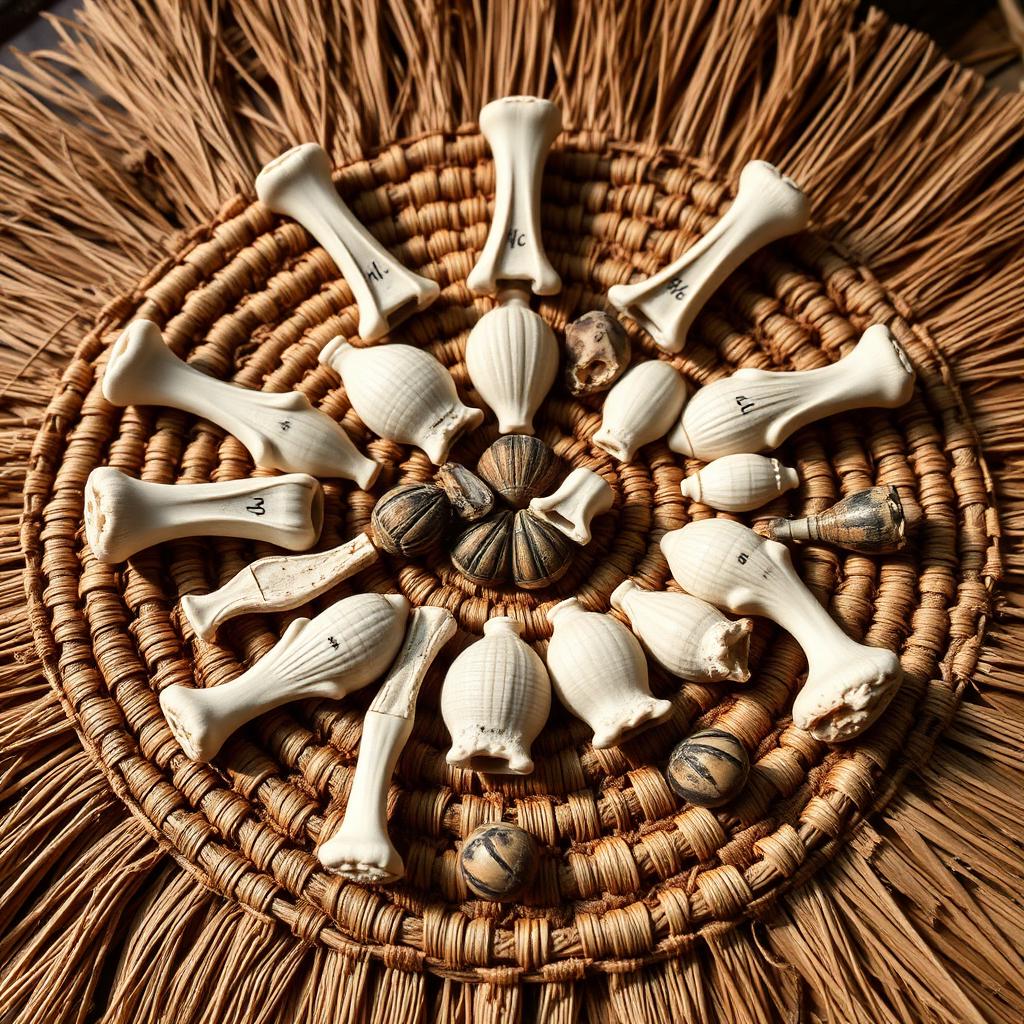
Southern African traditional healers who work with ancestors, bones, and herbal medicine.
- Curated companion
- Similar practices: herbal
- Same region (Africa)
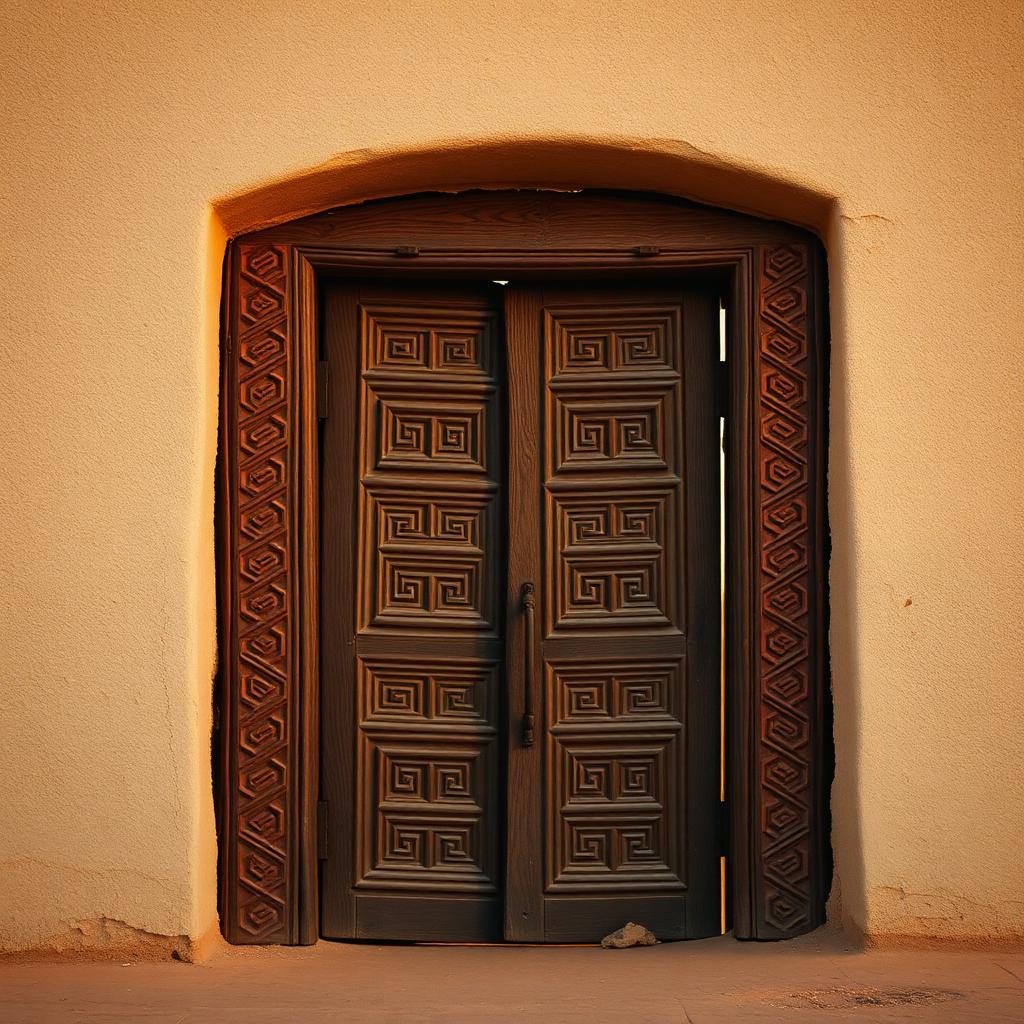
The intricate star-lore, mask ceremony, and healing philosophy of the Dogon of Mali.
- Shared needs: meaning, life passage
- Same region (Africa)
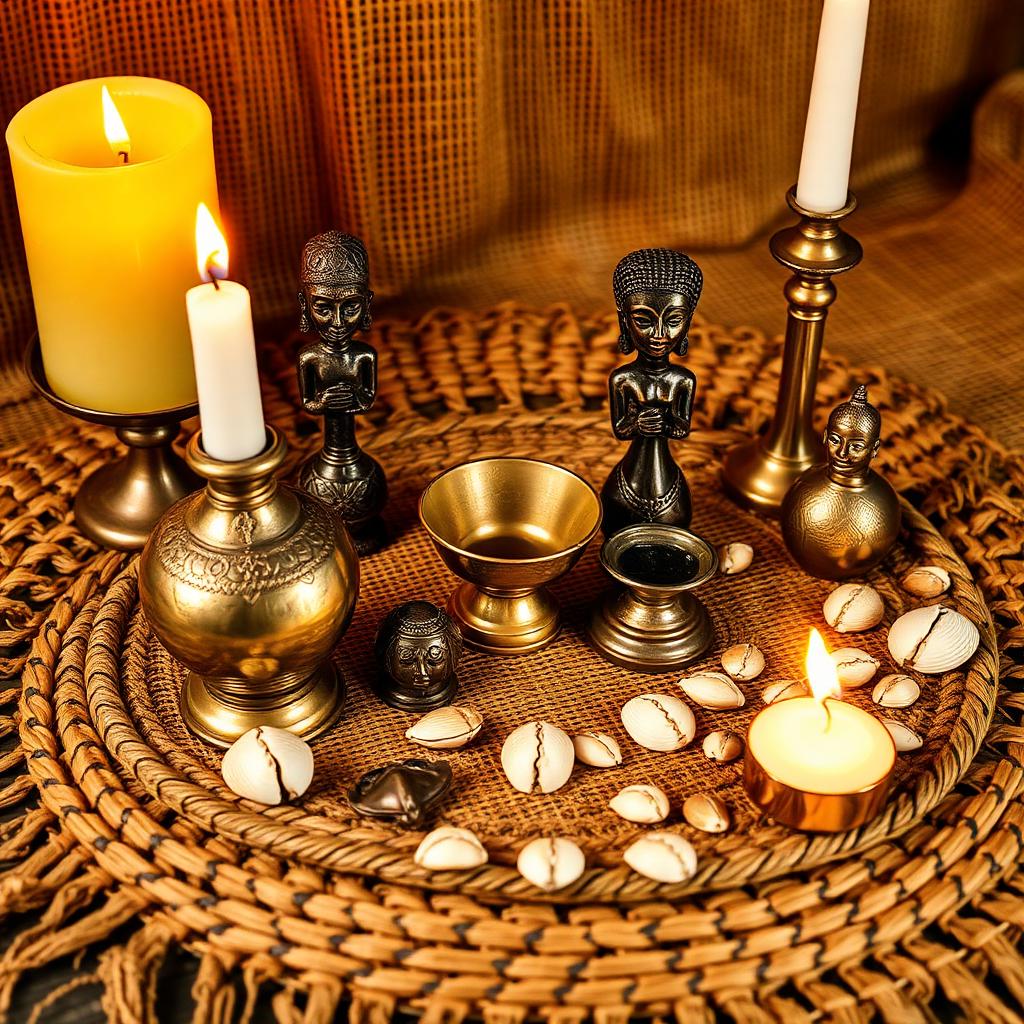
The Vodun heritage of the Kingdom of Benin, ancestors, spirits, and divination.
- Shared needs: community belonging
- Similar practices: herbal, preparations
- Same region (Africa)
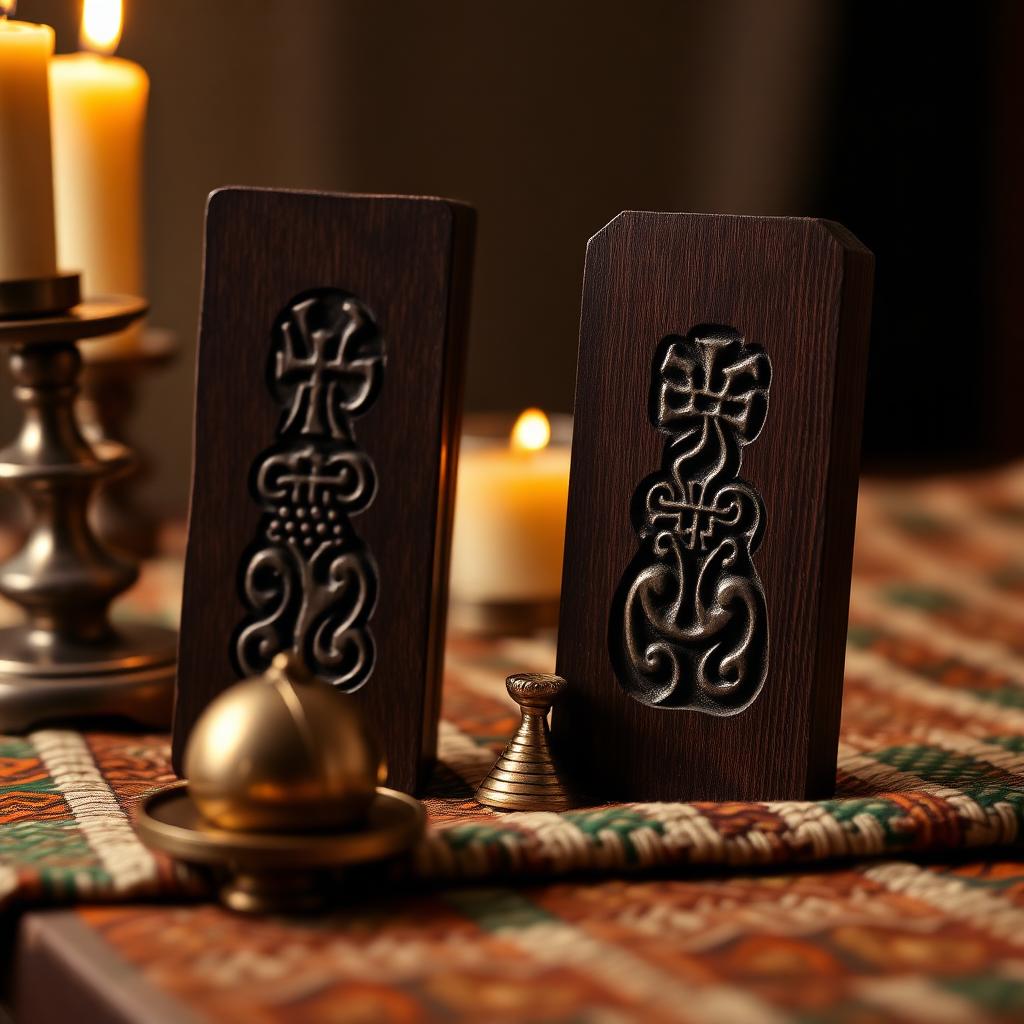
Ghanaian Akan traditions of ancestor veneration, drum, and okomfo (priest-healer) medicine.
- Shared needs: life passage
- Similar practices: herbal, preparations
- Same region (Africa)
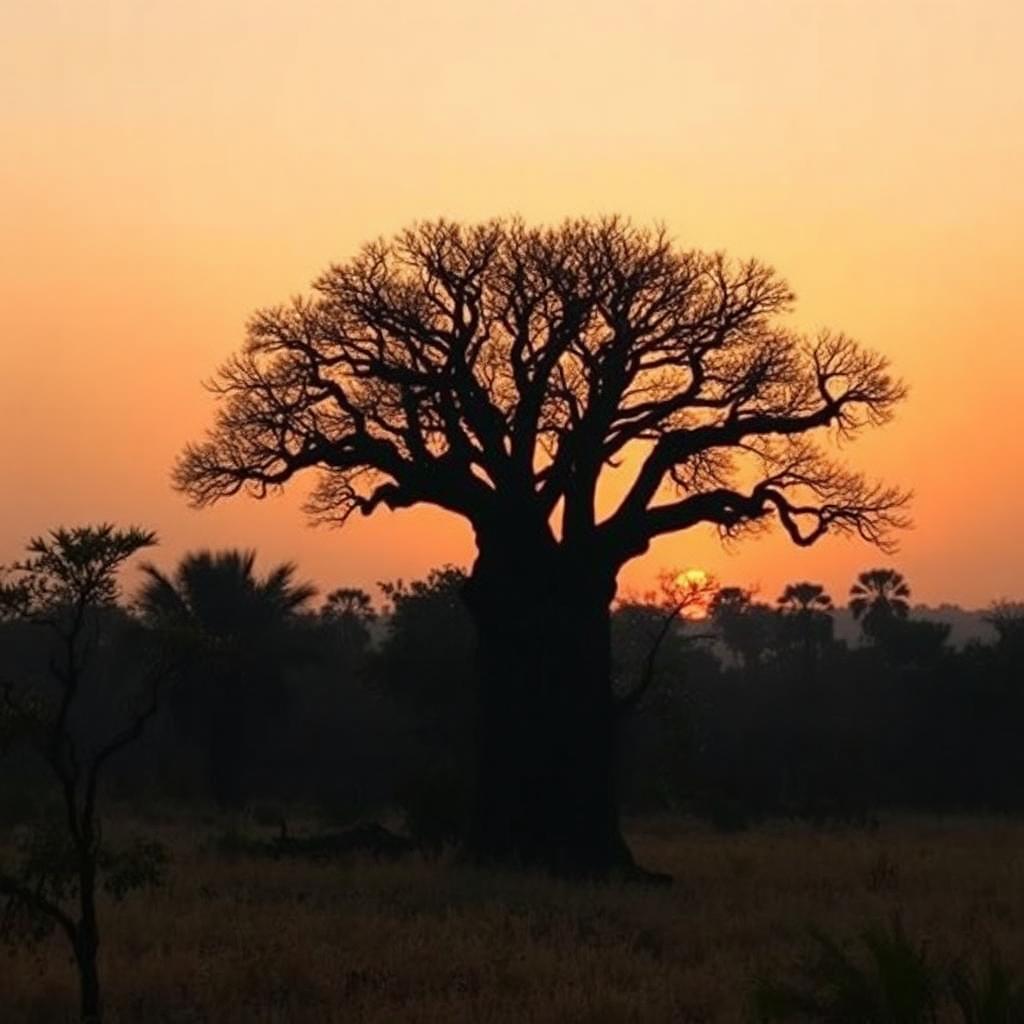
The Serer people of Senegal, cosmology of Roog and the sacred pangool ancestors.
- Shared needs: meaning
- Similar practices: care, trees
- Same region (Africa)