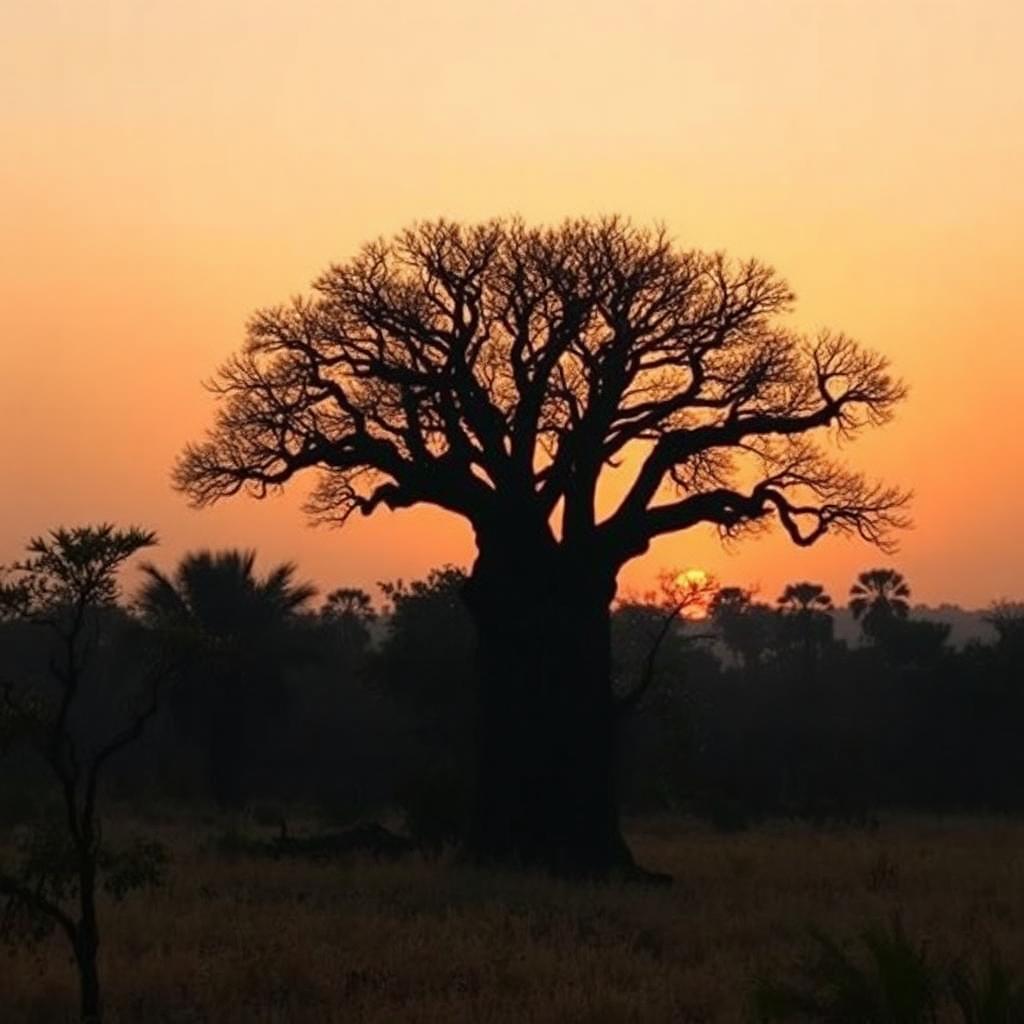
🌾Serer Traditions
The Serer people of Senegal, cosmology of Roog and the sacred pangool ancestors.
The Serer people of Senegal, The Gambia, and Mauritania hold one of the oldest continuous religious traditions in West Africa. Roog (the supreme creator) is honored alongside the pangool (ancestral spirits and land-guardians). The Serer resisted Islamization longer than most surrounding peoples, and their cosmology remains intact even where they now practice Islam or Christianity.
Lineage: Serer priesthood (Saltigue) and family lineages.
Cost depends on practitioner, region, and format.
Estimates only. Many traditions offer sliding-scale, donation, or community access; sacred ceremonies are never for sale.
Distinguishing cultural belief, traditional practice, and evidence-supported effect where applicable.
Psychological
The Saltigue's annual prophecies orient community life.
Spiritual
Restores relationship to Roog and the pangool.
Community
The lineage is a healing container.
Areas of possible support, not guarantees or medical claims.
- People of Serer descent
- Those studying non-Abrahamic African monotheism
- Annual Xoy divination ceremony
- Ancestor offerings
- Care for sacred trees and groves
What to know before exploring
Traditional practice
This is a living tradition carried through lineage and community. Its value is documented through generations of practitioners rather than clinical trials. Absence of Western studies is not absence of wisdom.
- Trance, possession, and altered states. Drumming, dance, and possession-based ceremonies can open non-ordinary states that feel profound but may be destabilizing for people with a personal or family history of psychosis, bipolar, dissociation, or acute trauma. Go slowly and honestly, with trustworthy support.
- Financial and spiritual exploitation risk. Sacred traditions can attract people who charge steep fees or claim exclusive spiritual authority. Trustworthy teachers welcome questions, encourage outside support, and never pressure you to pay for more than you can afford.
- Cultural appropriation and closed practices. Elements of this tradition may be reserved for initiated practitioners or community members. Approach as a respectful learner, not a consumer, and never present the practice as your own.
- Active PTSD or unprocessed severe trauma. Immersive, ceremonial, and altered-state work can surface traumatic memories without warning. If you are living with active PTSD, build a relationship with a trauma-informed licensed clinician first, and choose practitioners trained to hold trauma responses gently.
This information is shared as general education, not medical advice. The safest path is to share your full health story and current medications with both the practitioner and your regular healthcare provider before beginning something new.
What land holds the stories of my family?
How would my year feel with an annual ceremony to orient it?
Traditions that share needs, practices, or cultural context with this one. Explore with respect for each lineage's origins.
The divination system of the Yoruba, a sacred body of 256 poetic texts guiding life and healing.
- Curated companion
- Shared needs: life direction, meaning
- Similar practices: offerings
A West African tradition weaving ancestral wisdom, herbal medicine, and communal ritual into everyday life.
- Curated companion
- Shared needs: ancestral connection
- Similar practices: divination, offerings
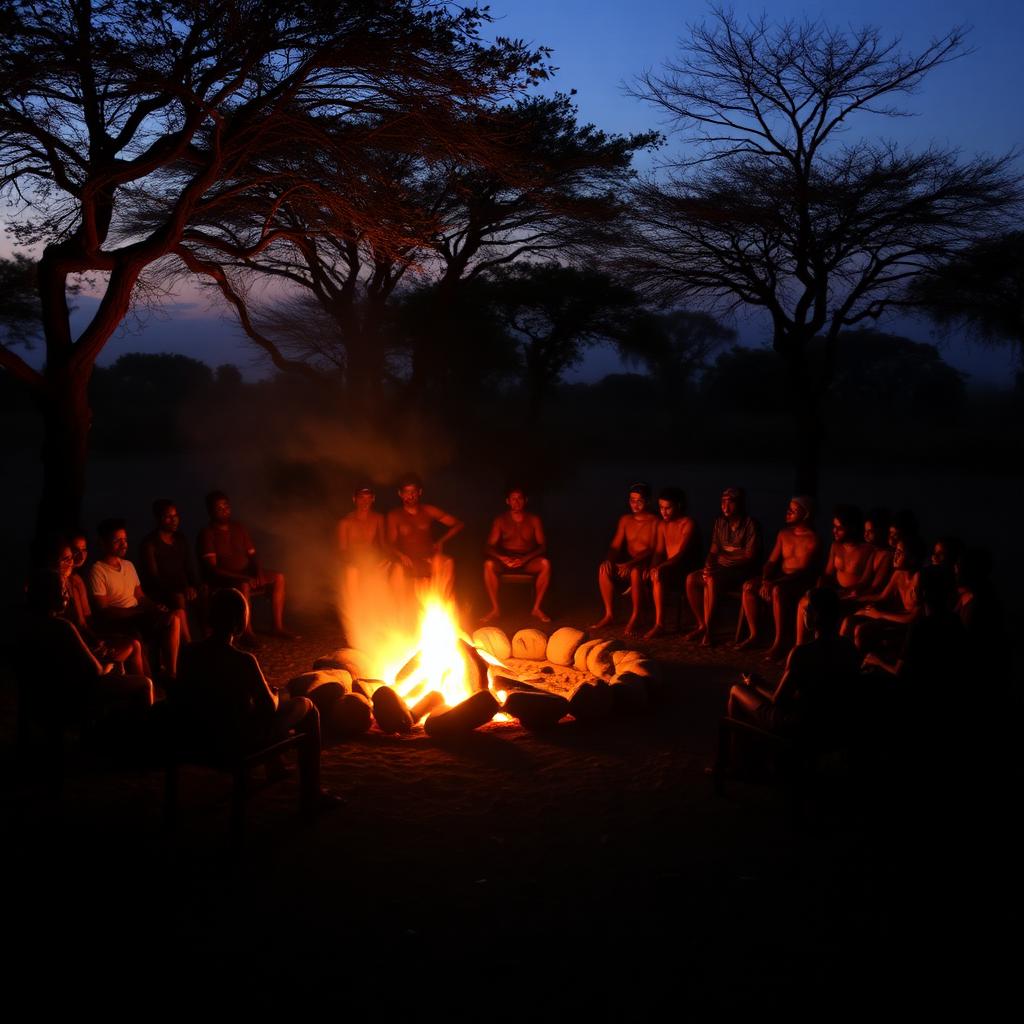
Communal ceremonies that hold grief, reconciliation, and life passages across many African peoples.
- Curated companion
- Shared needs: meaning
- Same region (Africa)
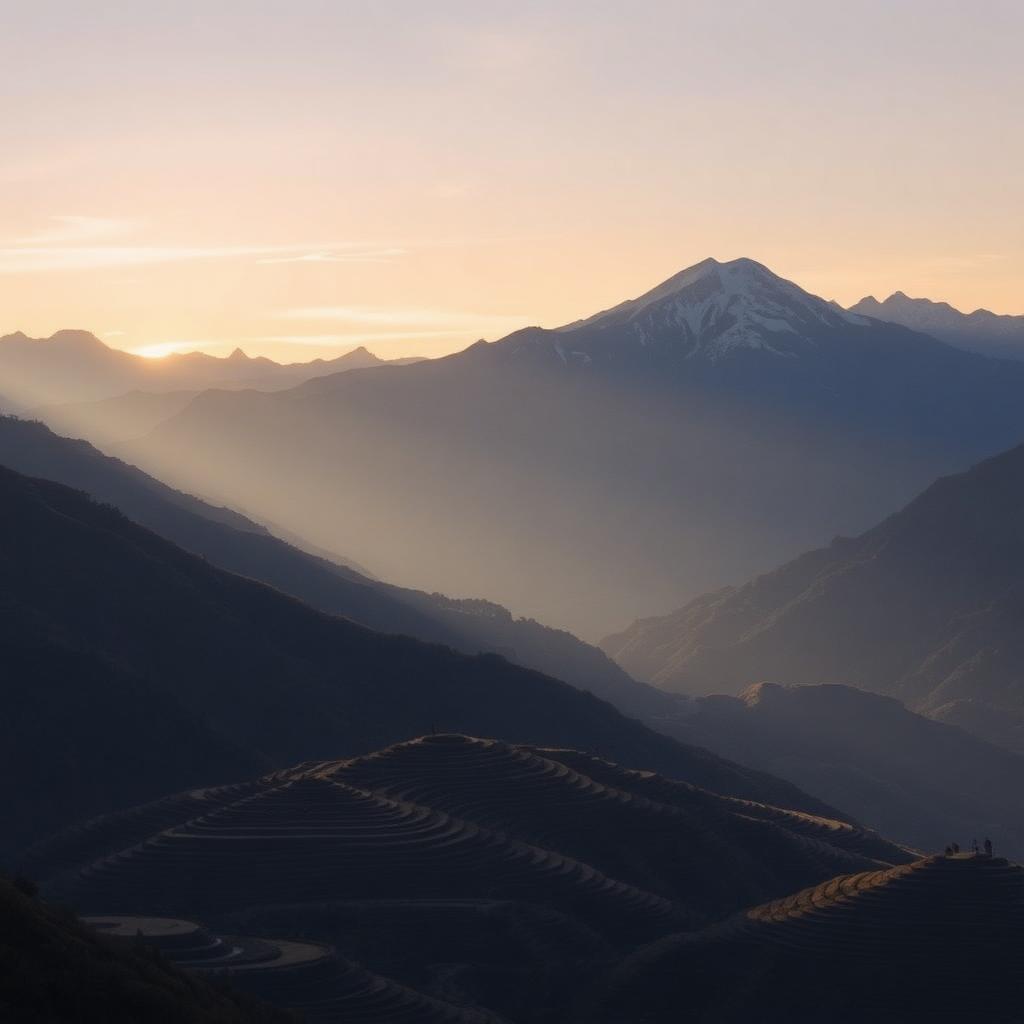
The living cosmology and healing of the Andes, Pachamama, apus, and the reciprocity of ayni.
- Shared needs: meaning, land relationship
- Similar practices: offerings, divination
- Same tradition type
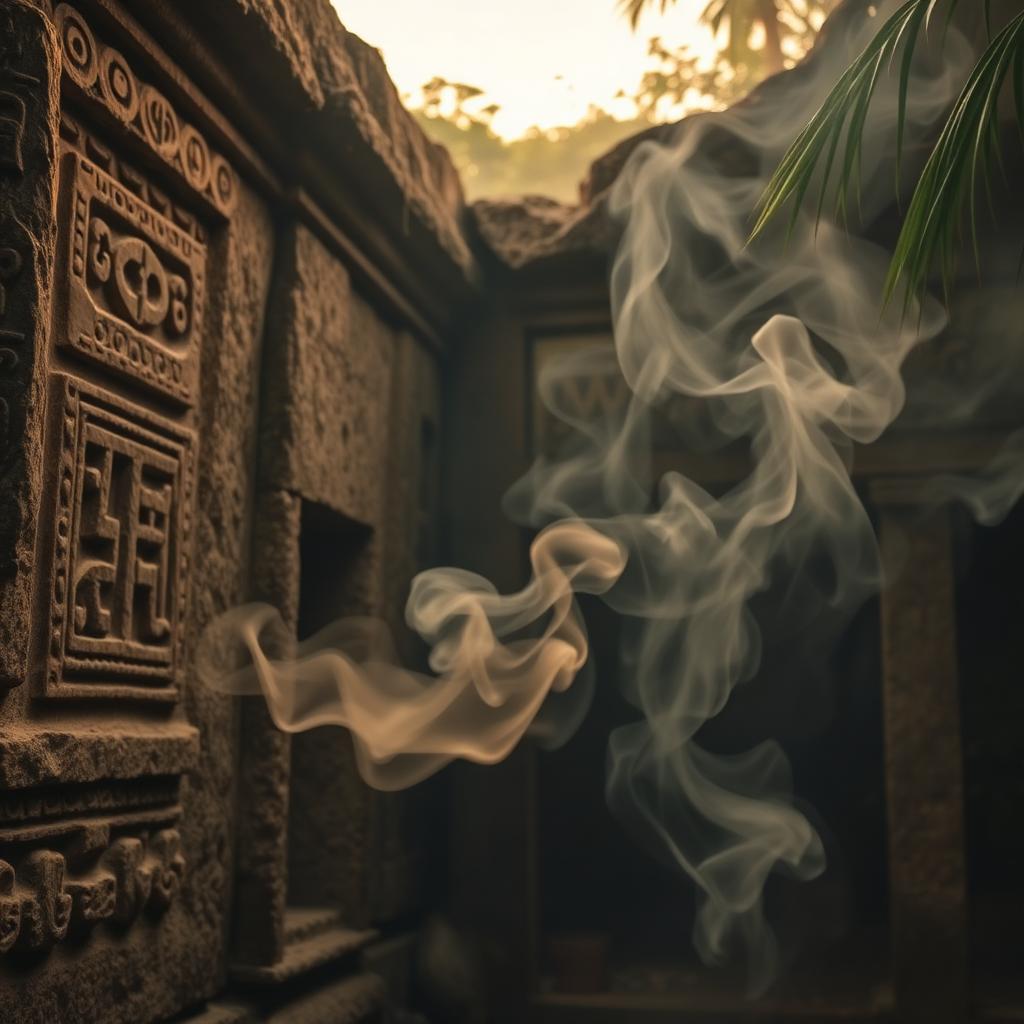
The living medicine of the Maya peoples, midwives, bone-setters, and the sacred calendar.
- Shared needs: life direction, ancestral connection
- Similar practices: care, sacred
- Same tradition type
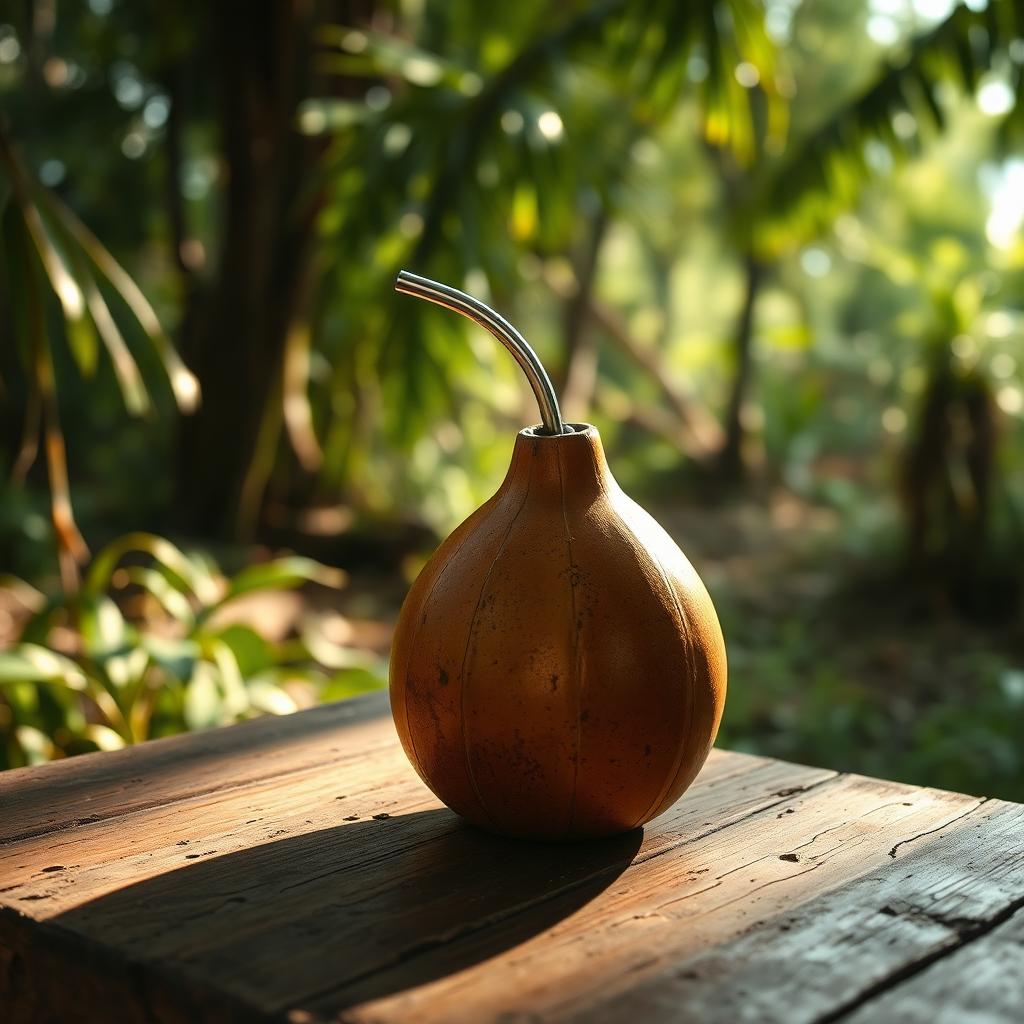
The Guaraní people of Paraguay and Brazil, karai (elder), song, and the good land (yvy marã ey).
- Shared needs: meaning, land relationship
- Similar practices: ceremony, sacred
- Same tradition type