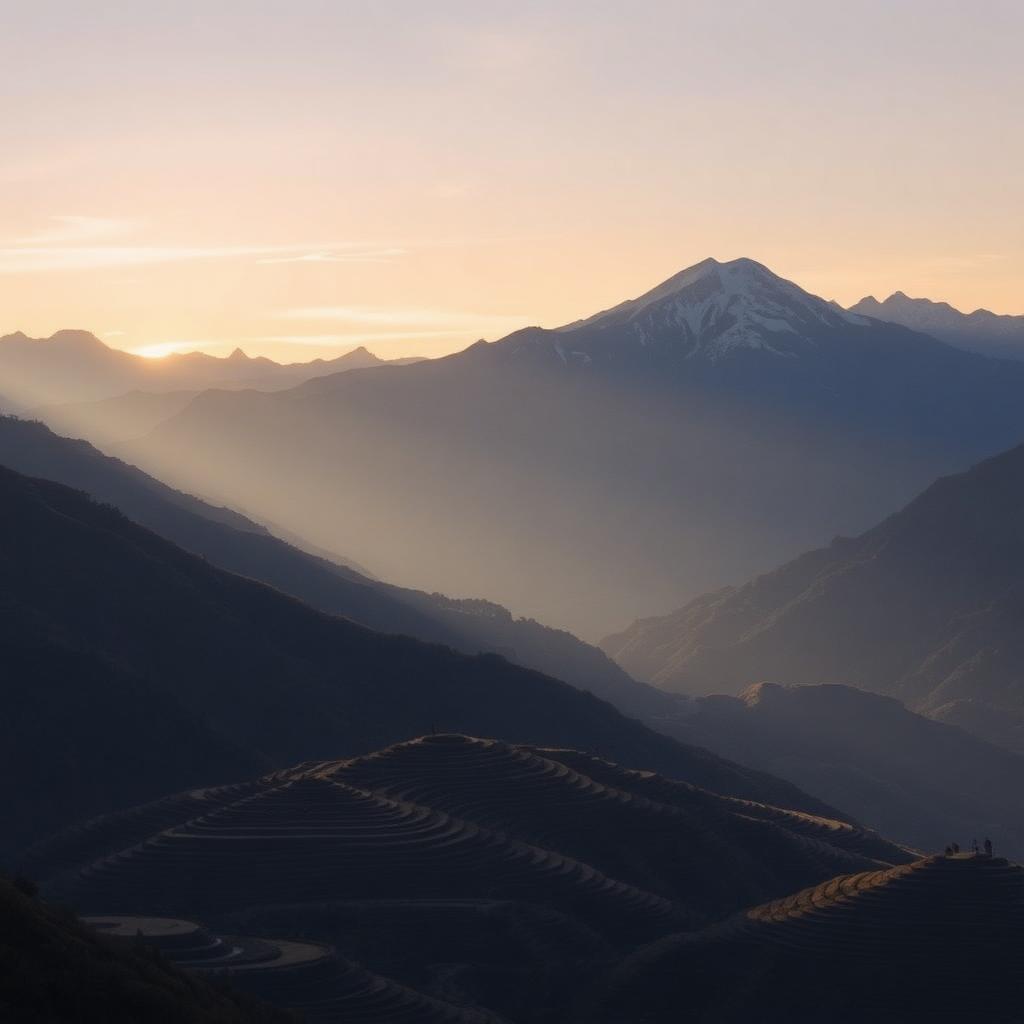
⛰️Andean Healing
The living cosmology and healing of the Andes, Pachamama, apus, and the reciprocity of ayni.
Imagery evoking Andean Healing, The living cosmology and healing of the Andes, Pachamama, apus, and the reciprocity of ayni.
Symbolic imagery, generated with respect. No sacred ceremony or living person depicted.
Andean healing is the living cosmology of Quechua and Aymara peoples of the high mountains of Peru, Bolivia, and Ecuador. It centers on right relationship (ayni) with Pachamama (mother earth) and the apus (mountain spirits). Paqos (Andean priest-healers) work with despachos (offerings), coca leaf divination, and energetic clearings called hucha mikhuy ('eating of heavy energy'). The tradition survived colonization by weaving through Andean Catholicism.
Lineage: Quechua and Aymara paqo lineages; contemporary teachers of the Q'ero people.
Ceremonies $80, $300; retreats $1,000, $3,000.
Estimates only. Many traditions offer sliding-scale, donation, or community access; sacred ceremonies are never for sale.
Distinguishing cultural belief, traditional practice, and evidence-supported effect where applicable.
Emotional
Despacho offerings give a form for gratitude, request, and grief.
Spiritual
Restores ayni, the practice of reciprocity, as an ethical center.
Community
Ceremony is shared and holds many prayers together.
Nervous system
Working in altitude, wind, and stone regulates the body.
Areas of possible support, not guarantees or medical claims.
- People wanting to restore reciprocity with land
- Those drawn to mountain and stone as teachers
- Despacho offerings to Pachamama and the apus
- Coca leaf divination (kintu reading)
- Hucha mikhuy energetic clearing
- Pagos (offerings) at natural power sites
What to know before exploring
Traditional practice
This is a living tradition carried through lineage and community. Its value is documented through generations of practitioners rather than clinical trials. Absence of Western studies is not absence of wisdom.
- Intense heat, cold, or altitude. Sweat lodges, saunas, banyas, hammams, cold plunges, and high-altitude ceremonies can be clarifying, but they also place real strain on the heart, blood pressure, and thermoregulation. Honor your limits and take breaks; these are not practices to push through.
- Trance, possession, and altered states. Drumming, dance, and possession-based ceremonies can open non-ordinary states that feel profound but may be destabilizing for people with a personal or family history of psychosis, bipolar, dissociation, or acute trauma. Go slowly and honestly, with trustworthy support.
- Financial and spiritual exploitation risk. Sacred traditions can attract people who charge steep fees or claim exclusive spiritual authority. Trustworthy teachers welcome questions, encourage outside support, and never pressure you to pay for more than you can afford.
- Cultural appropriation and closed practices. Elements of this tradition may be reserved for initiated practitioners or community members. Approach as a respectful learner, not a consumer, and never present the practice as your own.
This information is shared as general education, not medical advice. The safest path is to share your full health story and current medications with both the practitioner and your regular healthcare provider before beginning something new.
Where in my life is ayni (right reciprocity) broken?
Which mountain, real or metaphorical, am I in relationship with?
Written in the spirit of this tradition, held as invitations, not instructions. Take what serves your reflection.
What weight am I carrying that I have never formally set down?
How does the mountain, the sky, or the earth look back at me?
What offering could I make in gratitude for the people who hold my life together?
Engaging with respect
Support Q'ero and Andean-led organizations; buy textiles from cooperatives, not resellers.
Traditions that share needs, practices, or cultural context with this one. Explore with respect for each lineage's origins.
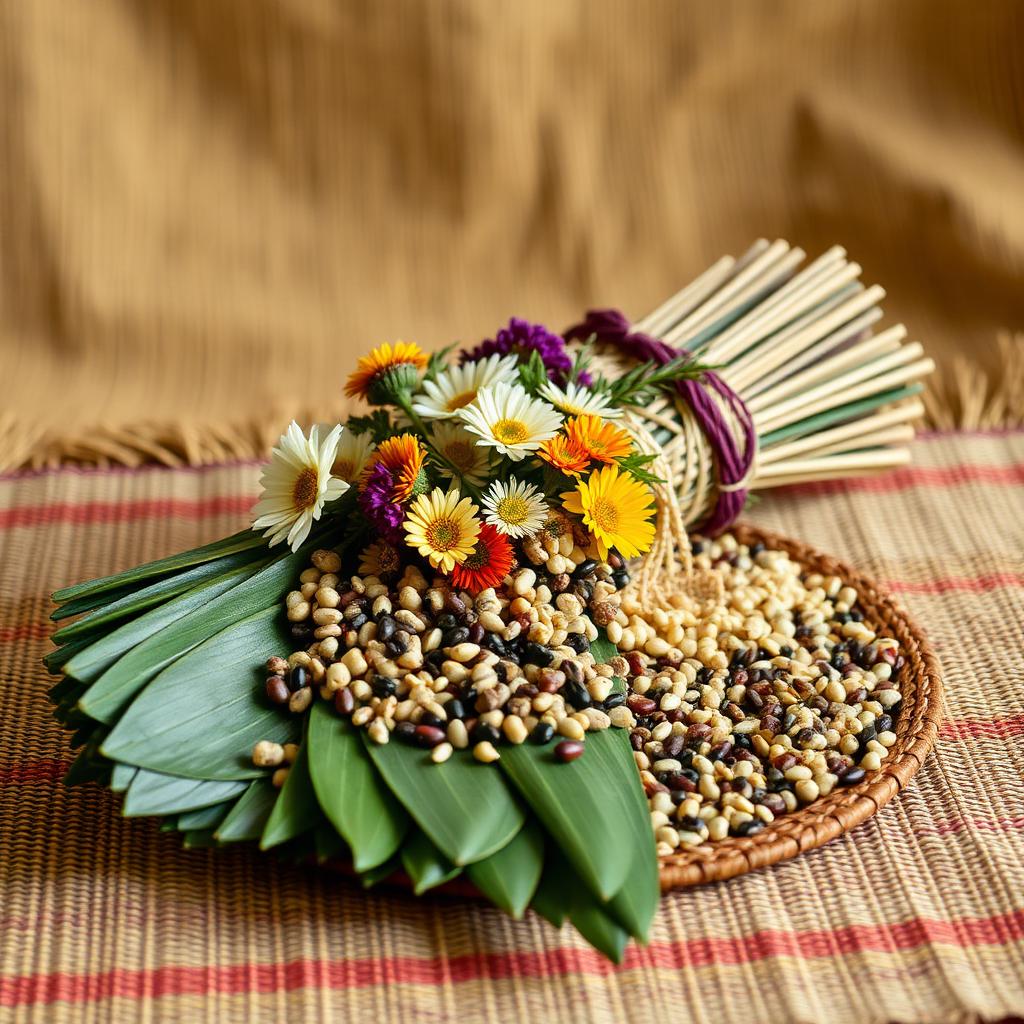
Andean offerings, beautifully arranged prayers of gratitude and reciprocity with the living Earth.
- Curated companion
- Shared needs: grief
- Similar practices: despacho
The intricate visionary art, song (icaros), and plant medicine of the Shipibo-Conibo of the Amazon.
- Curated companion
- Shared needs: grief
- Same region (South America)
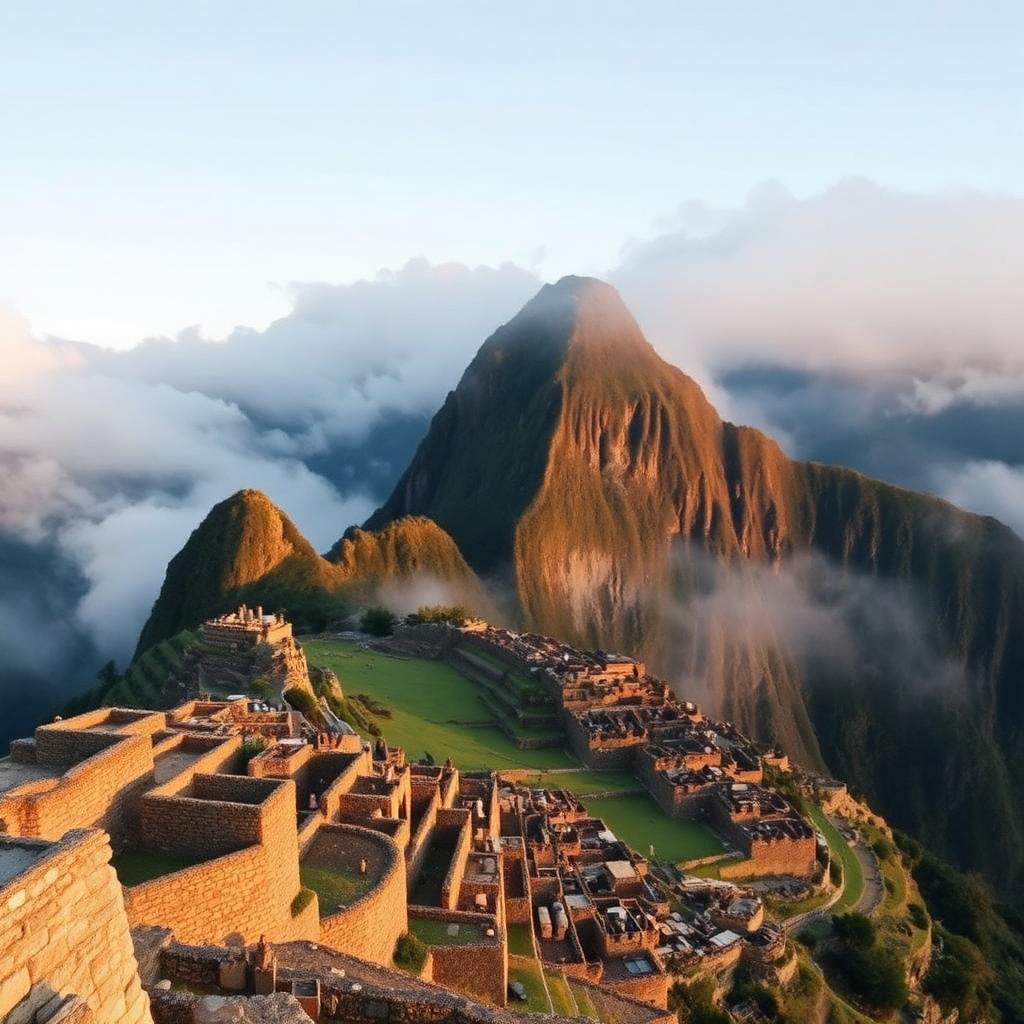
The prophetic and philosophical inheritance of the Inca and pre-Inca peoples of the Andes.
- Curated companion
- Shared needs: meaning
- Same region (South America)
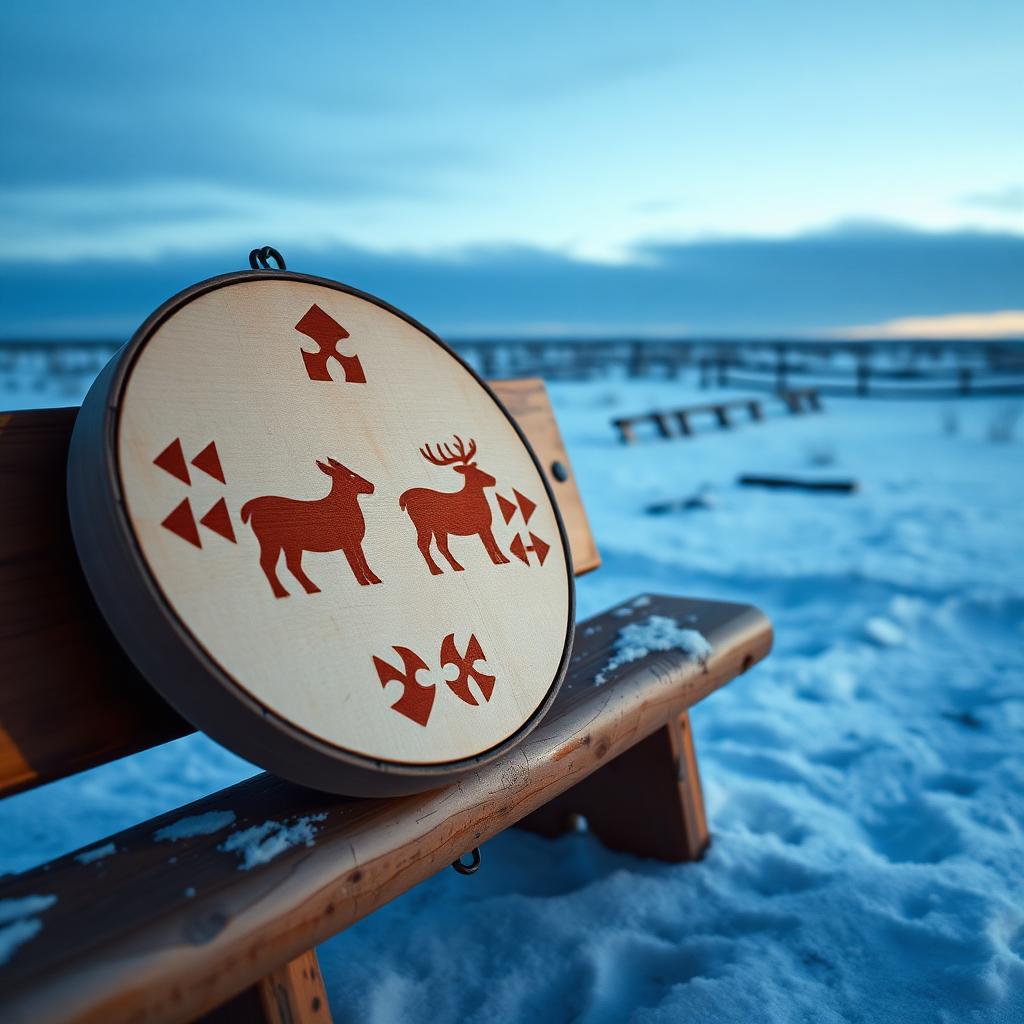
The Indigenous drum-song, joik, and healing of the Sámi people of Sápmi (Arctic Europe).
- Shared needs: land relationship, grief, meaning
- Same tradition type
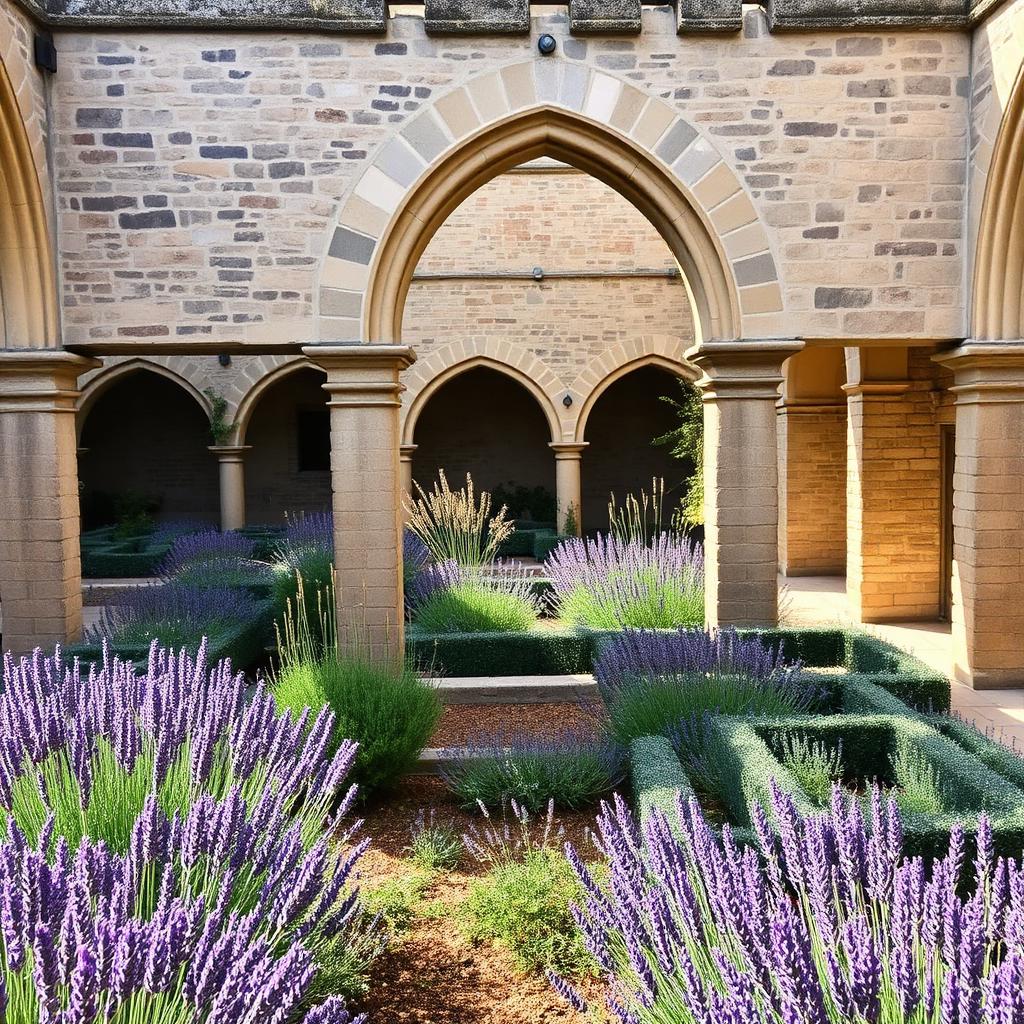
The healing gardens, herbals, and rule of life of Christian monastic communities.
- Shared needs: anxiety, meaning, grief
- Similar practices: reading
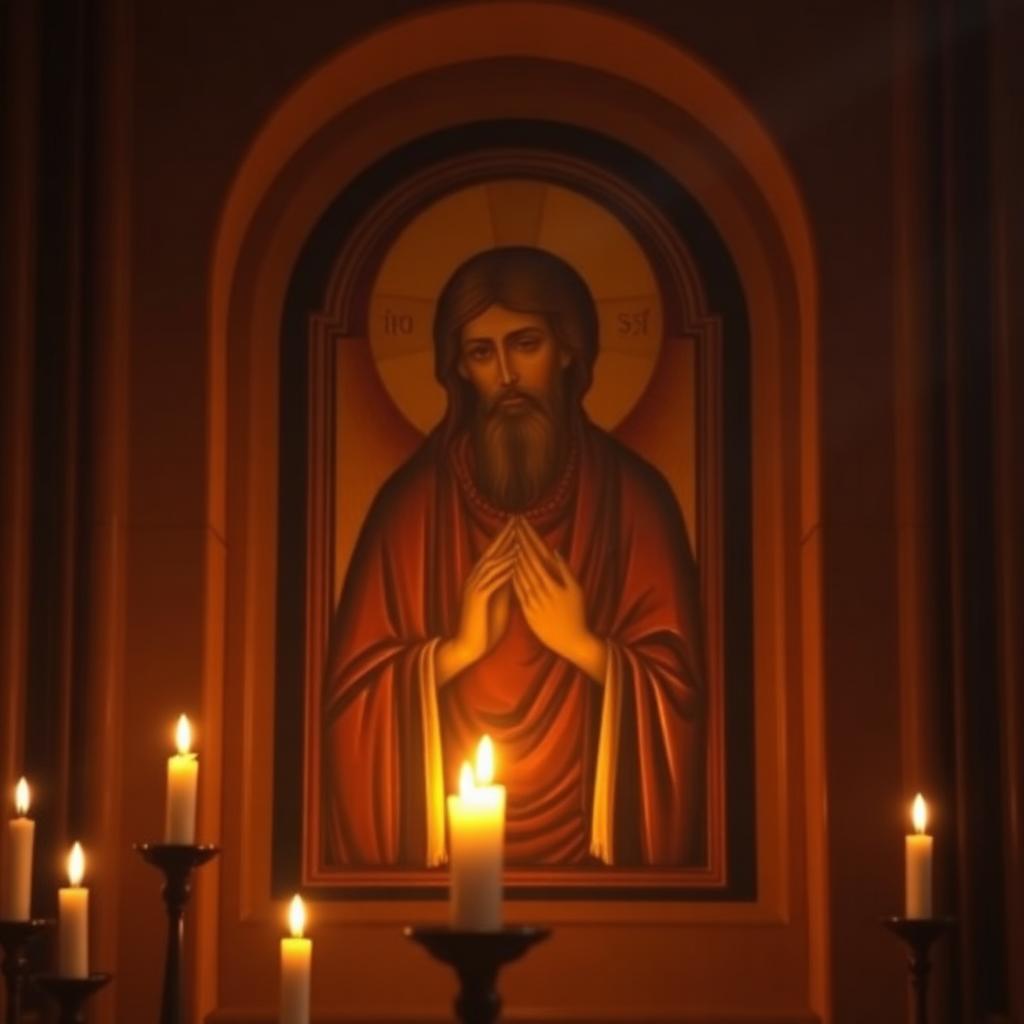
The contemplative lineage of Christianity, Meister Eckhart, Teresa of Ávila, John of the Cross.
- Shared needs: meaning, grief, anxiety
- Similar practices: reading