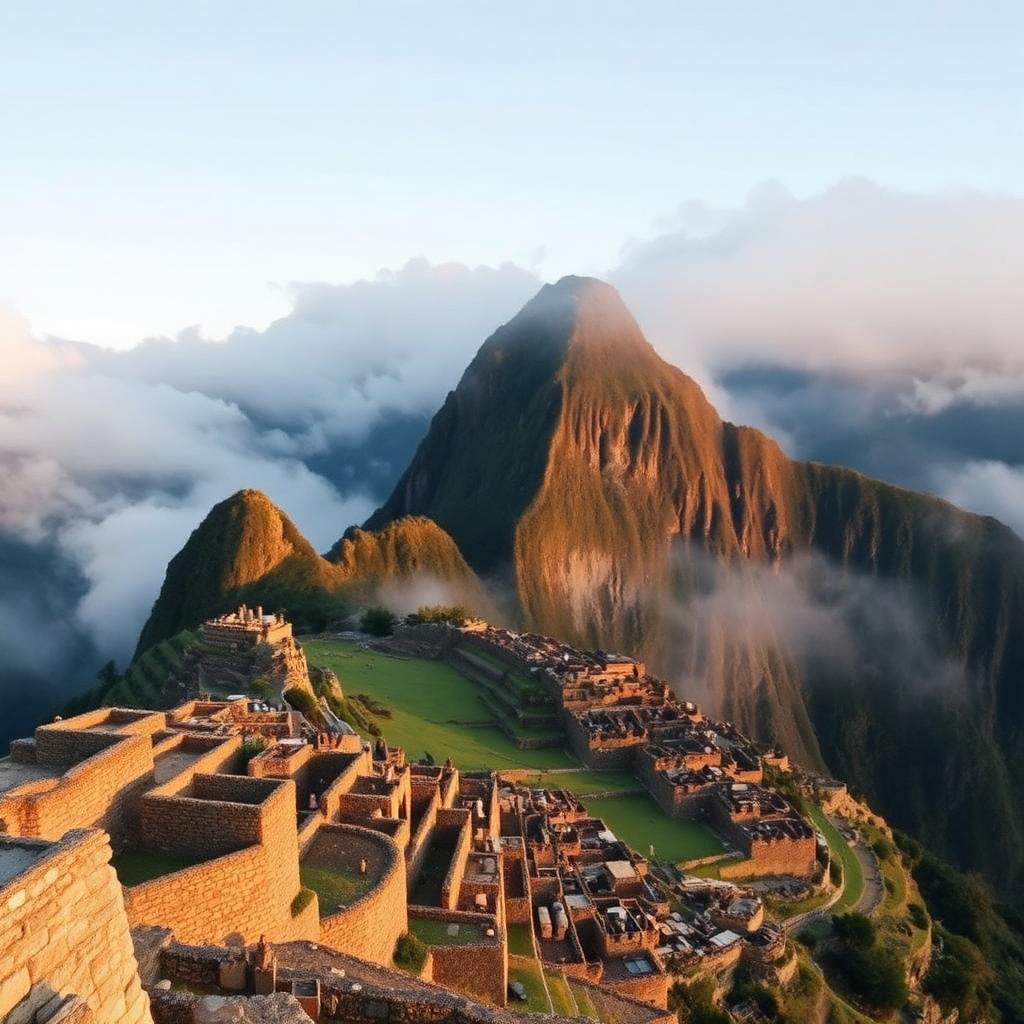
🌄Incan Wisdom
The prophetic and philosophical inheritance of the Inca and pre-Inca peoples of the Andes.
Imagery evoking Incan Wisdom, The prophetic and philosophical inheritance of the Inca and pre-Inca peoples of the Andes.
Symbolic imagery, generated with respect. No sacred ceremony or living person depicted.
The Inca Empire, at its peak the largest in pre-Columbian America, held a sophisticated philosophy of the three worlds (Uku Pacha, Kay Pacha, Hanan Pacha), the three ethical rules (Ama sua, ama llulla, ama qella: do not steal, do not lie, do not be lazy), and administrative wisdom that fed millions. Its inheritance continues through Andean Quechua peoples and contemporary spiritual teachers reclaiming pre-Colombian frames.
Lineage: Inca lineage of amauta (wise ones); today carried through Andean paqos.
Paqo-led ceremonies $80, $300 per session.
Estimates only. Many traditions offer sliding-scale, donation, or community access; sacred ceremonies are never for sale.
Distinguishing cultural belief, traditional practice, and evidence-supported effect where applicable.
Psychological
The three rules give a clean daily ethic.
Spiritual
The three worlds locate the person in a wider cosmos.
Community
Inca ayllu (community) structure remains a model of mutual care.
Areas of possible support, not guarantees or medical claims.
- Anyone drawn to Andean ethics
- Those studying pre-Colombian governance
- Ama sua, ama llulla, ama qella as a daily review
- Working with the three worlds as a lens for the self
- Supporting the ayllu (community) as spiritual practice
What to know before exploring
Traditional practice
This is a living tradition carried through lineage and community. Its value is documented through generations of practitioners rather than clinical trials. Absence of Western studies is not absence of wisdom.
- Herbal preparations and dosing. Herbs, tinctures, teas, and topical preparations can be gentle and powerful at the same time. They may interact with prescription medications or affect blood pressure, the liver, kidneys, or allergies. Quality and sourcing matter, so work with a knowledgeable practitioner and share your medication list.
- Trance, possession, and altered states. Drumming, dance, and possession-based ceremonies can open non-ordinary states that feel profound but may be destabilizing for people with a personal or family history of psychosis, bipolar, dissociation, or acute trauma. Go slowly and honestly, with trustworthy support.
This information is shared as general education, not medical advice. The safest path is to share your full health story and current medications with both the practitioner and your regular healthcare provider before beginning something new.
Where in my life have I stolen, lied, or been lazy this week?
Which of the three worlds is most alive in me right now?
Written in the spirit of this tradition, held as invitations, not instructions. Take what serves your reflection.
What heavy energy (hucha) do I need to release from my field today?
Where do I feel most connected to the earth beneath my feet?
How do I practice ayni, sacred reciprocity, in ordinary days?
Traditions that share needs, practices, or cultural context with this one. Explore with respect for each lineage's origins.
The living cosmology and healing of the Andes, Pachamama, apus, and the reciprocity of ayni.
- Curated companion
- Shared needs: meaning
- Same region (South America)
The living medicine of the Maya peoples, midwives, bone-setters, and the sacred calendar.
- Curated companion
- Shared needs: life direction
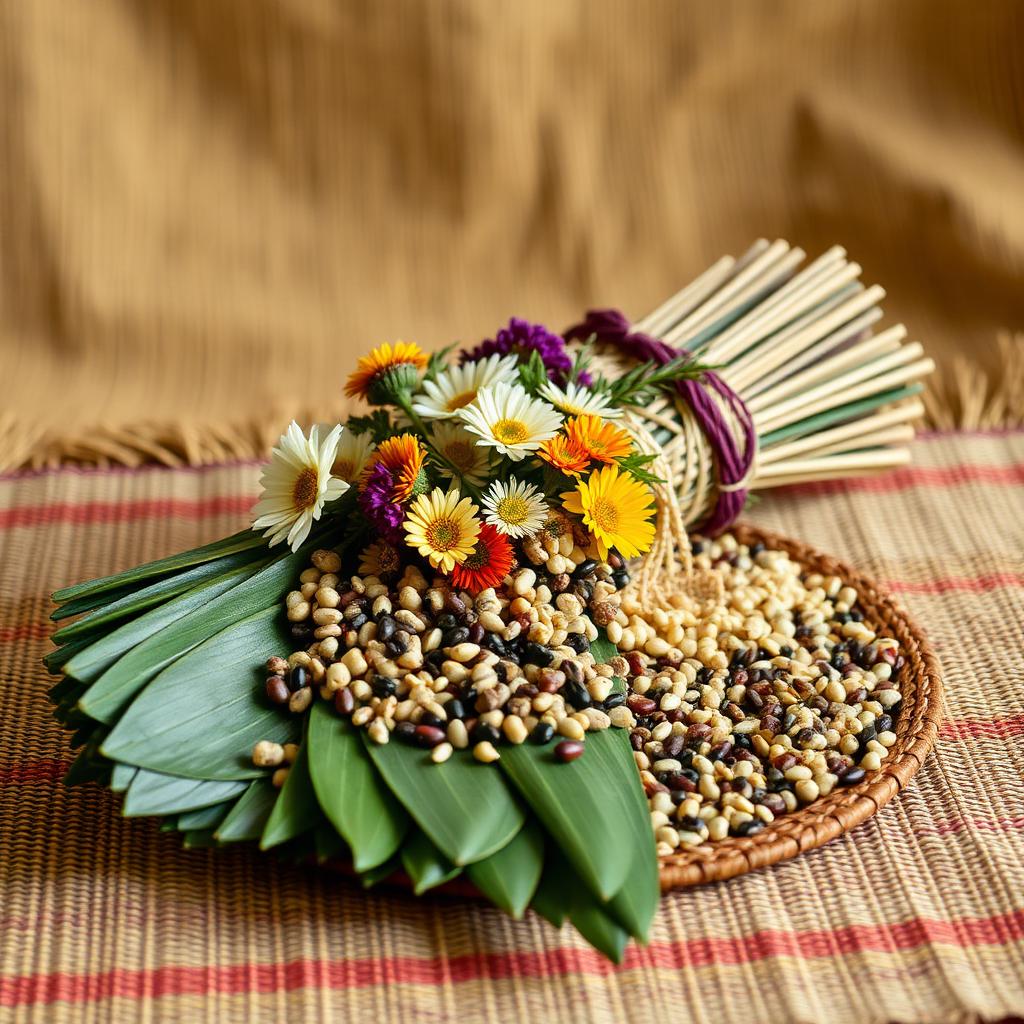
Andean offerings, beautifully arranged prayers of gratitude and reciprocity with the living Earth.
- Curated companion
- Same region (South America)
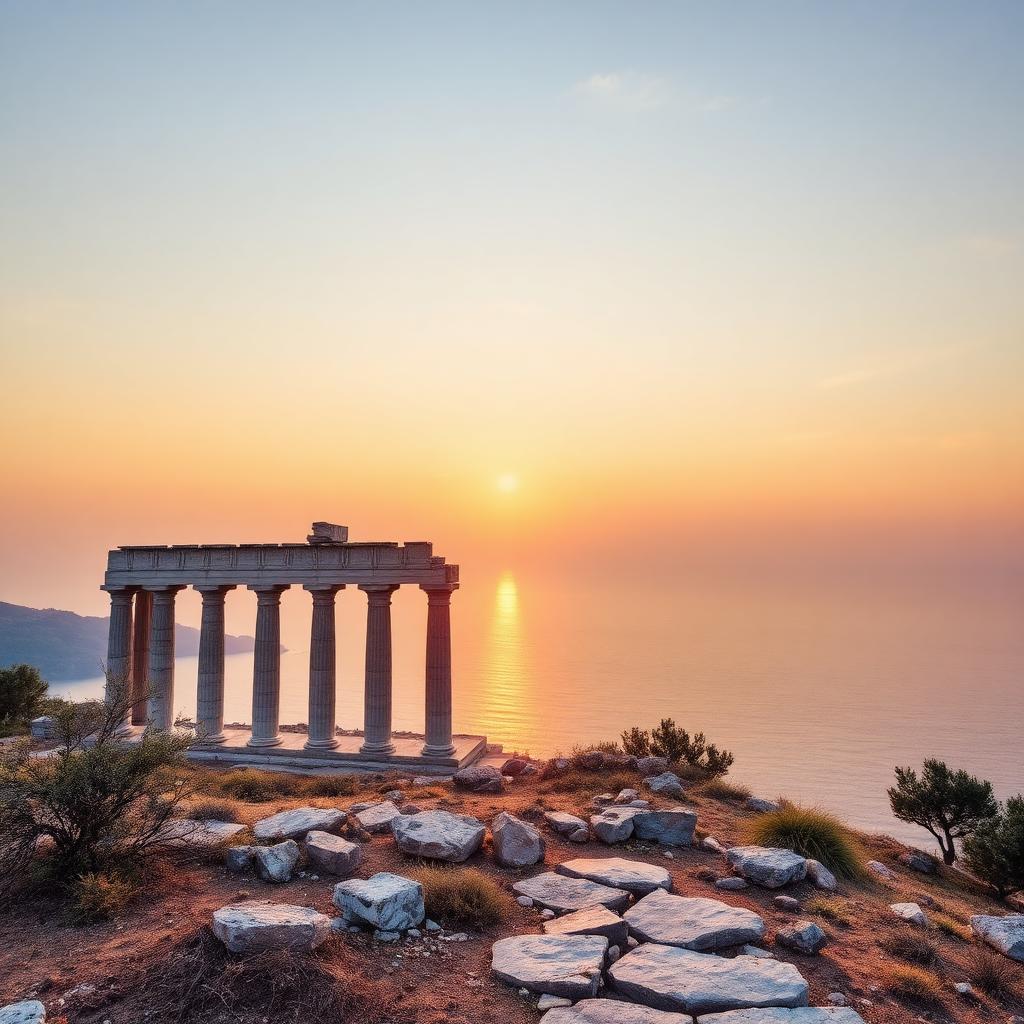
The Socratic, Aristotelian, and Platonic examination of the good life, Western therapy's grandparent.
- Shared needs: meaning, ethical grounding, life direction
- Similar practices: review
- Same tradition type
The science of flourishing, strengths, meaning, and what makes life worth living.
- Shared needs: meaning, life direction
- Similar practices: three, practice
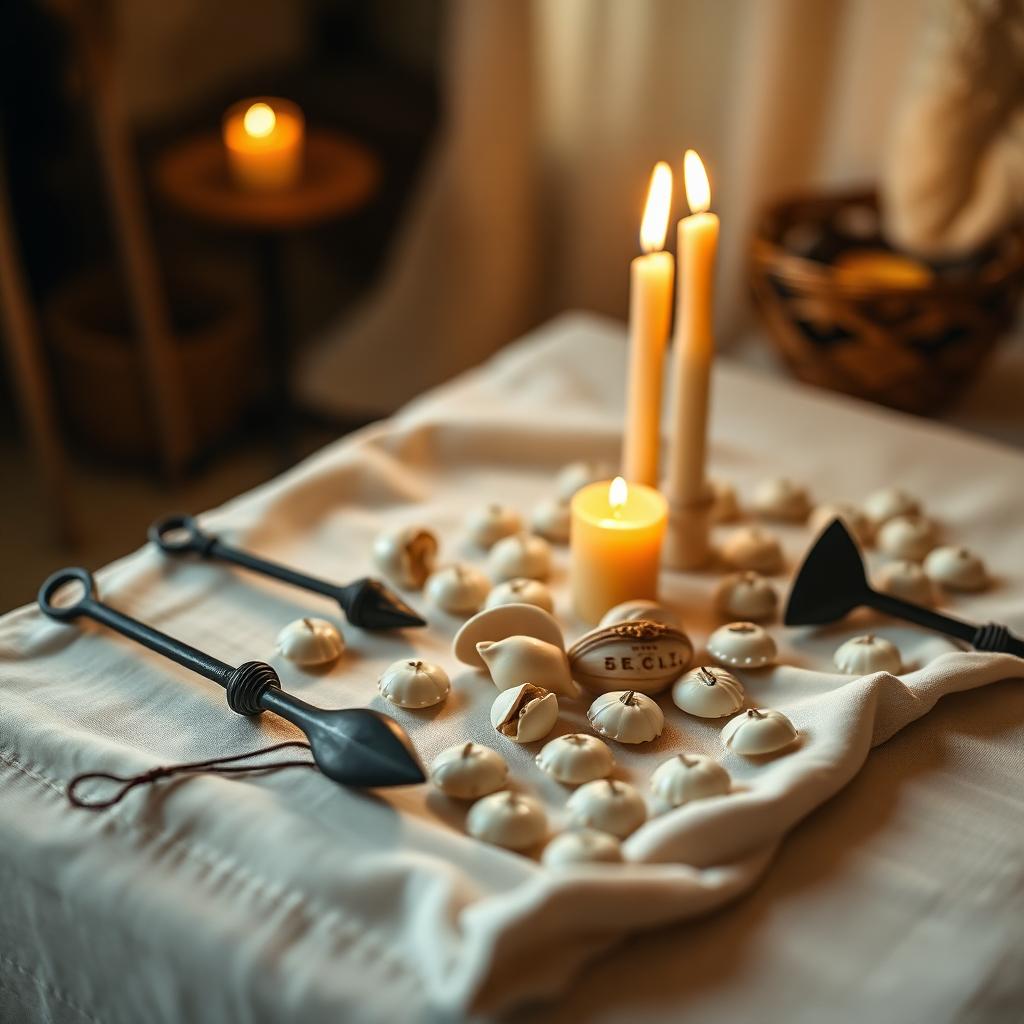
The Afro-Brazilian tradition rooted in Yoruba, Fon, and Bantu wisdom, orisha, dance, and drum.
- Shared needs: life direction, meaning
- Same region (South America)