
🌞Positive Psychology
The science of flourishing, strengths, meaning, and what makes life worth living.
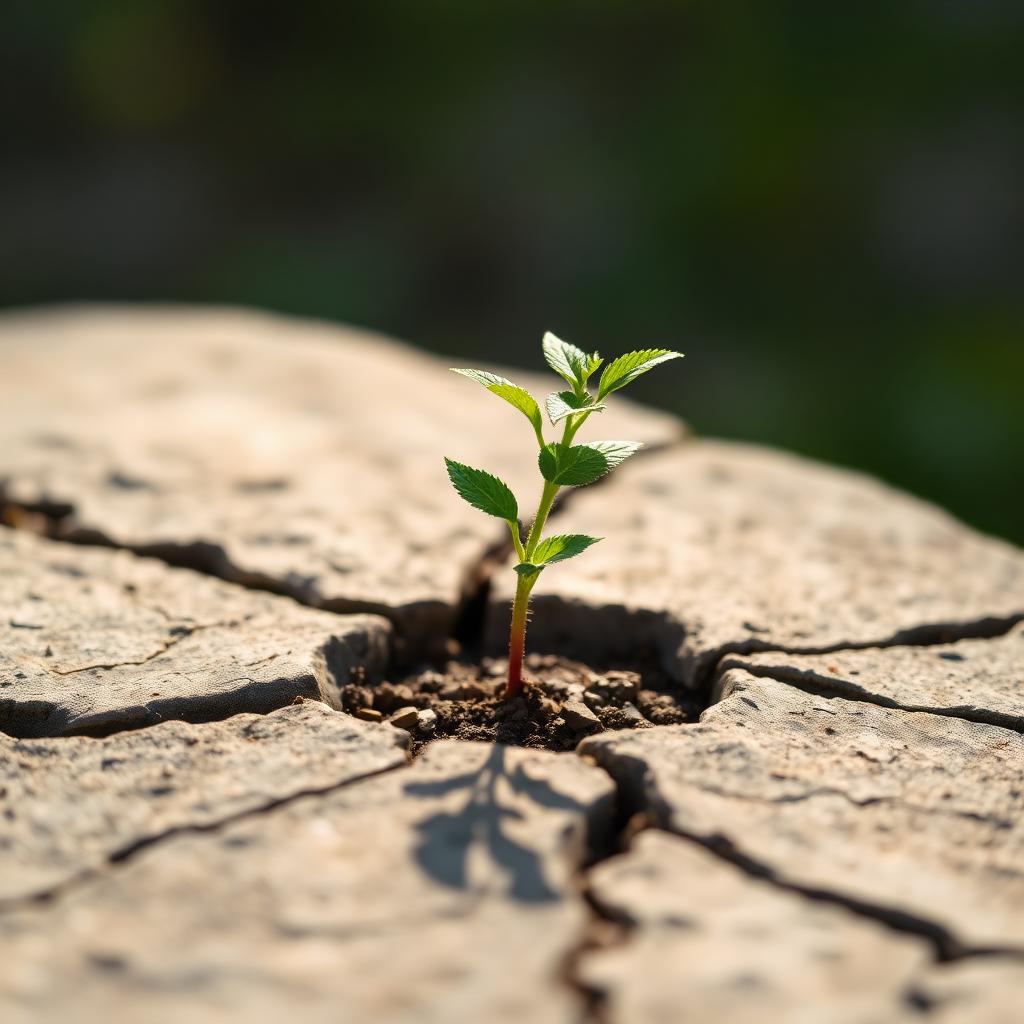
Imagery evoking Positive Psychology, The science of flourishing, strengths, meaning, and what makes life worth living.
Symbolic imagery, generated with respect. No sacred ceremony or living person depicted.
Positive Psychology, launched by Martin Seligman in 1998, is the scientific study of what makes life worth living: strengths, meaning, positive relationships, engagement (flow), and accomplishment (Seligman's PERMA model). It supplements, not replaces, the psychology of dysfunction. Evidence supports gratitude journaling, using signature strengths, savoring, and cultivating loving relationships for durable wellbeing.
Books and courses; coaching $75, $200/session.
Estimates only. Many traditions offer sliding-scale, donation, or community access; sacred ceremonies are never for sale.
Distinguishing cultural belief, traditional practice, and evidence-supported effect where applicable.
Psychological
Growing evidence base for durable wellbeing.
Spiritual
Meaning-making is one of the five PERMA elements.
Community
Positive relationships are the strongest predictor of flourishing.
- Three good things journal (nightly)
- Discovering your signature strengths (VIA Survey)
- Savoring practice
- Deliberate acts of kindness and gratitude expression
What to know before exploring
Evidence supported
Elements of this practice have been studied in peer-reviewed research and show measurable benefits for specific concerns. Study quality varies, and the tradition itself is broader than what science has measured. Evidence is one lens; lived lineage and cultural wisdom are equally important.
- Practitioner quality varies. This tradition is not licensed or regulated in most countries. Skill, ethics, and training vary widely between practitioners. Ask about lineage, training length, informed consent practices, and how safety concerns are handled.
This information is shared as general education, not medical advice. The safest path is to share your full health story and current medications with both the practitioner and your regular healthcare provider before beginning something new.
Which of my top strengths am I underusing?
What am I grateful for that I have never named?
Written in the spirit of this tradition, held as invitations, not instructions. Take what serves your reflection.
What small good moment today did I nearly miss?
What gives my life meaning even when it is hard?
Who could I thank in specific detail this week?
Traditions that share needs, practices, or cultural context with this one. Explore with respect for each lineage's origins.

A Japanese introspective practice built on gratitude, reciprocity, and honest self-review.
- Curated companion
- Similar practices: practice, three, nightly, gratitude

Greco-Roman practical philosophy for resilience, virtue, and equanimity, now studied in modern CBT.
- Curated companion
- Shared needs: meaning
A modern behavioral therapy pairing acceptance and mindfulness with values-based action.
- Curated companion
- Same region (Global)

The prophetic and philosophical inheritance of the Inca and pre-Inca peoples of the Andes.
- Shared needs: meaning, life direction
- Similar practices: three, practice

The Socratic, Aristotelian, and Platonic examination of the good life, Western therapy's grandparent.
- Shared needs: meaning, life direction
- Similar practices: nightly

The divination system of the Yoruba, a sacred body of 256 poetic texts guiding life and healing.
- Shared needs: life direction, meaning