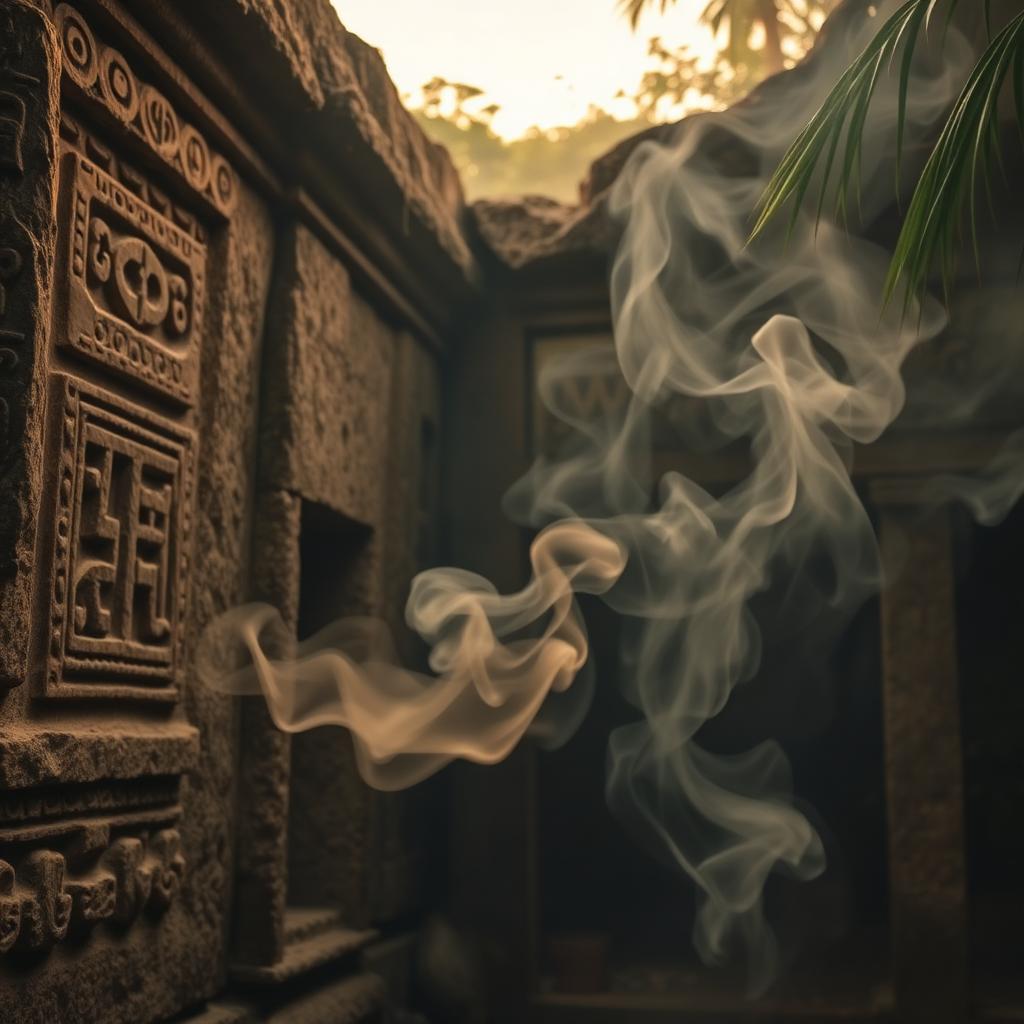
🌽Maya Healing
The living medicine of the Maya peoples, midwives, bone-setters, and the sacred calendar.
Maya healing is the living medicine of the many Maya peoples of Guatemala, southern Mexico, Belize, and Honduras. Ah-men (healers), midwives (comadronas), bone-setters (hueseros), and day-keepers (aj q'ij) work with the sacred 260-day Cholq'ij calendar, corn, plants, prayer, and steam bathing (temazcal or tuj). Ix Chel, the moon goddess, is a patron of healing and midwifery.
Lineage: Maya day-keepers and healers across many Maya language groups (K'iche', Mam, Q'eqchi', Yucatec, Tzotzil, and more).
Cost depends on practitioner, region, and format.
Estimates only. Many traditions offer sliding-scale, donation, or community access; sacred ceremonies are never for sale.
Distinguishing cultural belief, traditional practice, and evidence-supported effect where applicable.
Spiritual
The 260-day calendar names the energy of each day and person.
Community
Healing is embedded in family and community.
Physical
Corn, cacao, and hundreds of plants form a deep pharmacy.
Areas of possible support, not guarantees or medical claims.
- People of Maya descent
- Those drawn to calendar-based cosmology
- Consulting an aj q'ij for a day sign reading
- Temazcal (tuj) steam bath
- Comadrona-led prenatal care
- Offering candles at sacred sites
What to know before exploring
Traditional practice
This is a living tradition carried through lineage and community. Its value is documented through generations of practitioners rather than clinical trials. Absence of Western studies is not absence of wisdom.
- Herbal preparations and dosing. Herbs, tinctures, teas, and topical preparations can be gentle and powerful at the same time. They may interact with prescription medications or affect blood pressure, the liver, kidneys, or allergies. Quality and sourcing matter, so work with a knowledgeable practitioner and share your medication list.
- Intense heat, cold, or altitude. Sweat lodges, saunas, banyas, hammams, cold plunges, and high-altitude ceremonies can be clarifying, but they also place real strain on the heart, blood pressure, and thermoregulation. Honor your limits and take breaks; these are not practices to push through.
- Financial and spiritual exploitation risk. Sacred traditions can attract people who charge steep fees or claim exclusive spiritual authority. Trustworthy teachers welcome questions, encourage outside support, and never pressure you to pay for more than you can afford.
- Cultural appropriation and closed practices. Elements of this tradition may be reserved for initiated practitioners or community members. Approach as a respectful learner, not a consumer, and never present the practice as your own.
- Heart, blood pressure, and stroke history. Intense heat, cold, breath, or exertion can strain the cardiovascular system. If you have a heart condition, uncontrolled blood pressure, arrhythmia, a pacemaker, prior stroke, or take cardiac medication, check in with your physician before participating.
- Pregnancy, breastfeeding, and fertility treatment. Several herbs, essential oils, deep-tissue techniques, extreme temperatures, and intense breath or plant-medicine practices are not recommended during pregnancy, breastfeeding, or IVF cycles. Disclose your status and ask for a practitioner with prenatal training.
- Active PTSD or unprocessed severe trauma. Immersive, ceremonial, and altered-state work can surface traumatic memories without warning. If you are living with active PTSD, build a relationship with a trauma-informed licensed clinician first, and choose practitioners trained to hold trauma responses gently.
This information is shared as general education, not medical advice. The safest path is to share your full health story and current medications with both the practitioner and your regular healthcare provider before beginning something new.
What is my Nawal (day sign) and how does it read my life?
What plants of the milpa (corn field) would I want to know?
Engaging with respect
Support Maya-led organizations. Guatemalan Maya still face state and economic violence.
Traditions that share needs, practices, or cultural context with this one. Explore with respect for each lineage's origins.
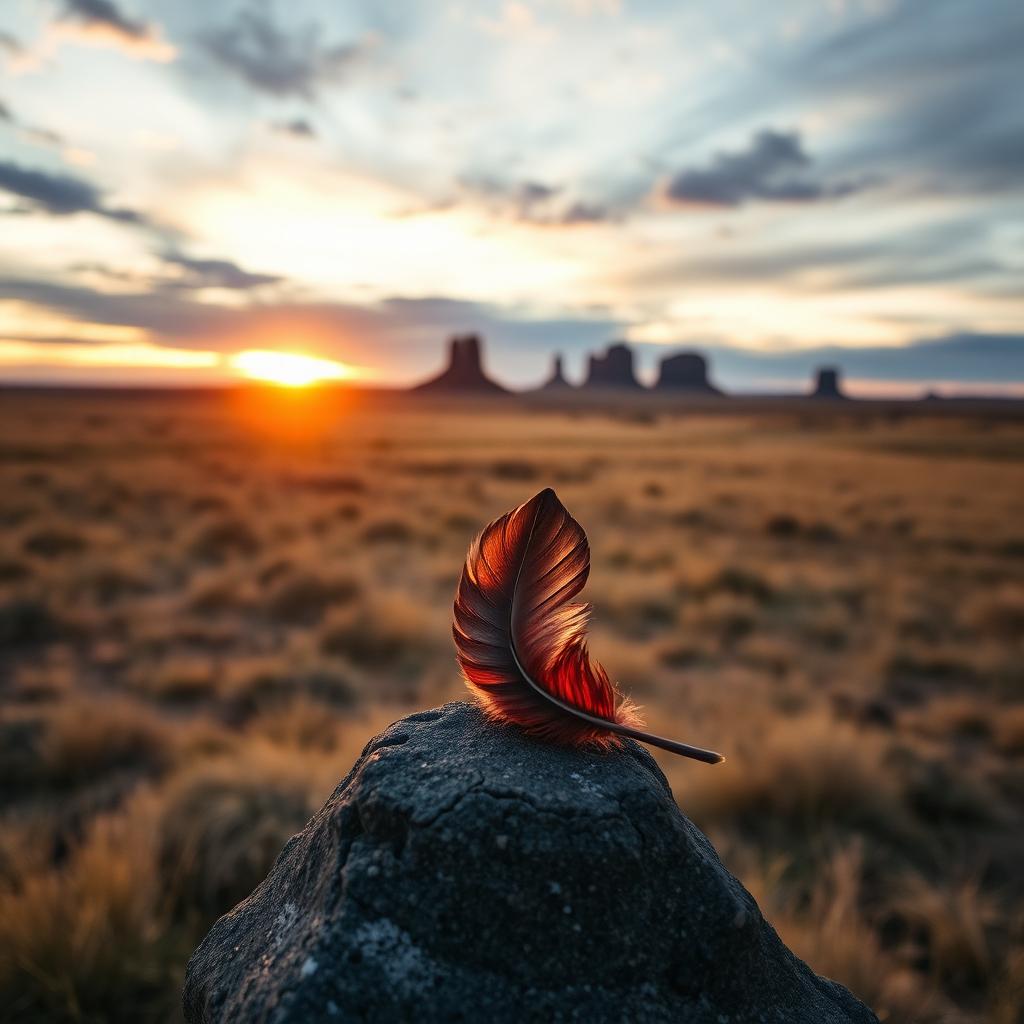
A vast family of Indigenous North American healing traditions, each nation with its own sacred practice.
- Curated companion
- Shared needs: ancestral connection
- Similar practices: sacred
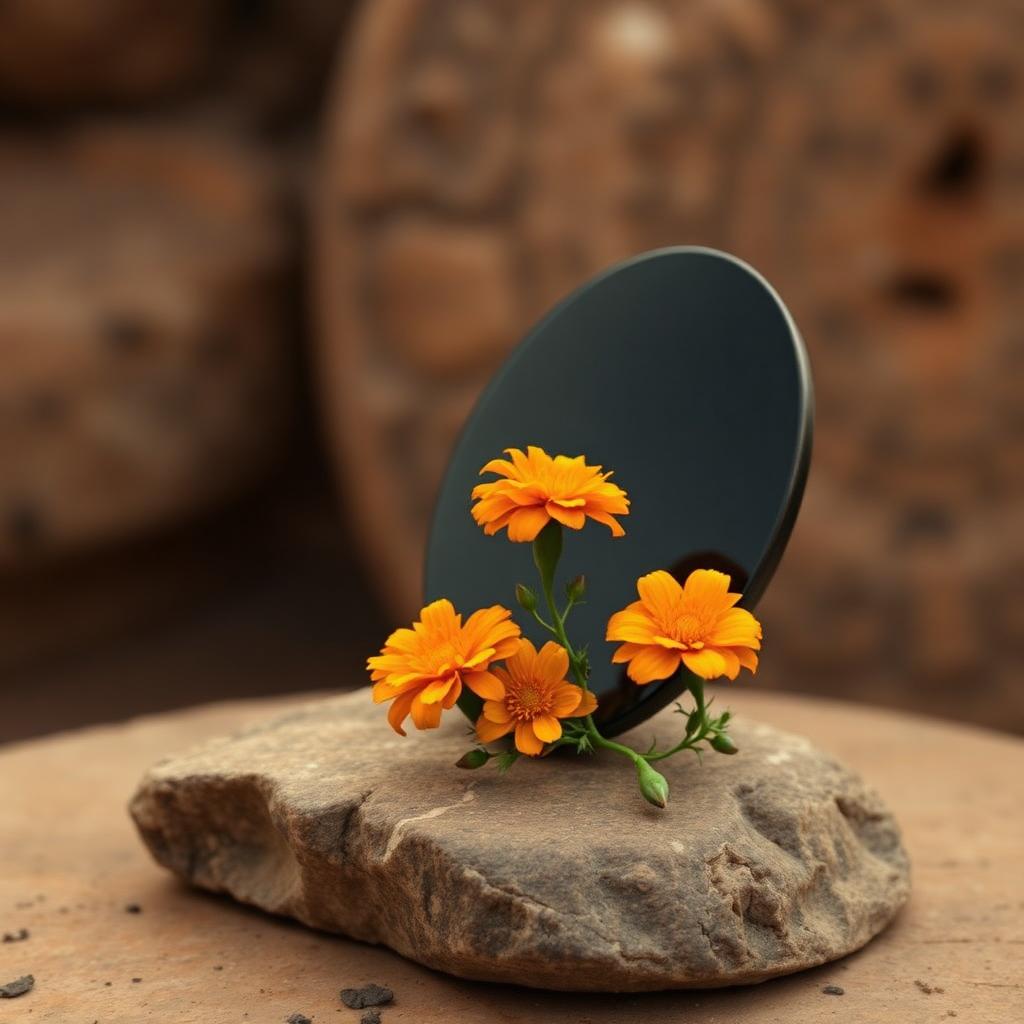
The temazcal, herbal medicine, and cosmology of the Mexica peoples of the Valley of Mexico.
- Curated companion
- Similar practices: temazcal, steam
- Same region (North America)
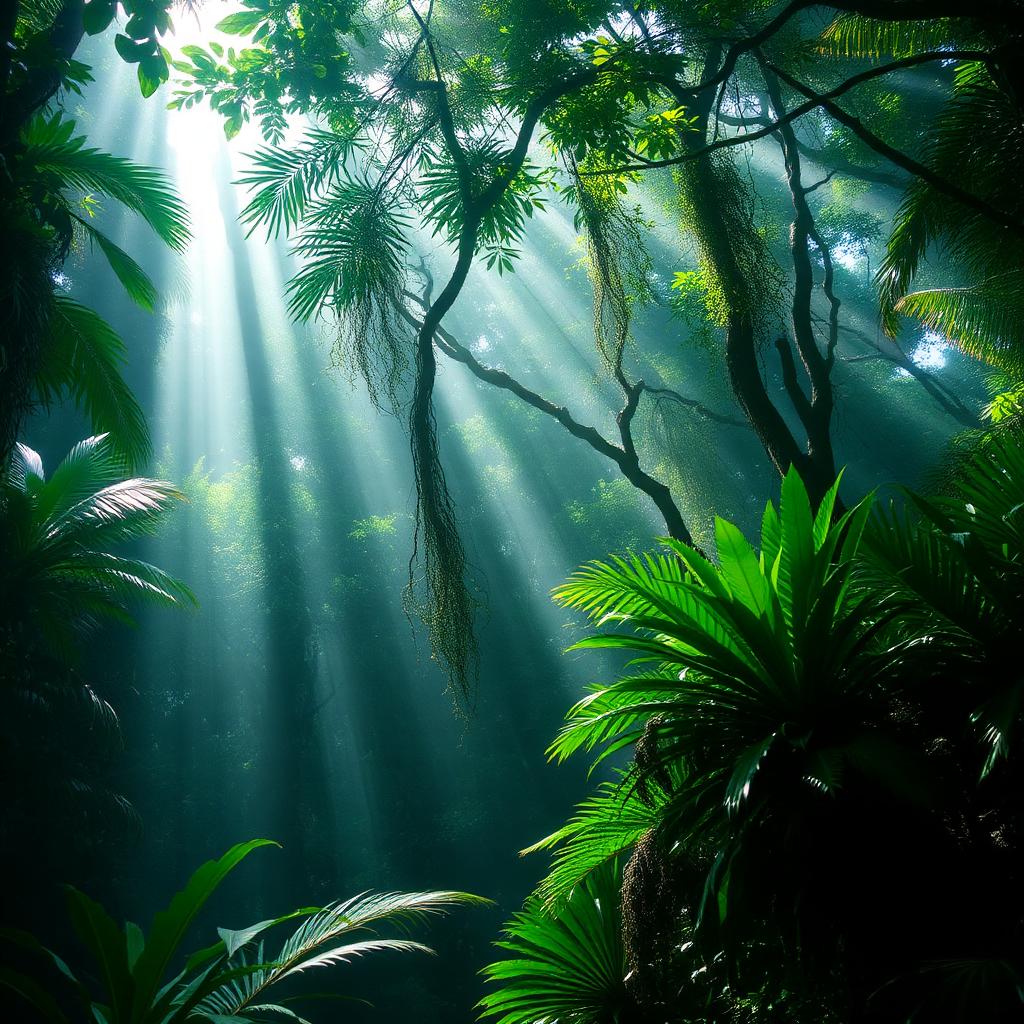
Sacred plant traditions of the Amazon basin, held by dozens of Indigenous peoples over millennia.
- Curated companion
- Same tradition type
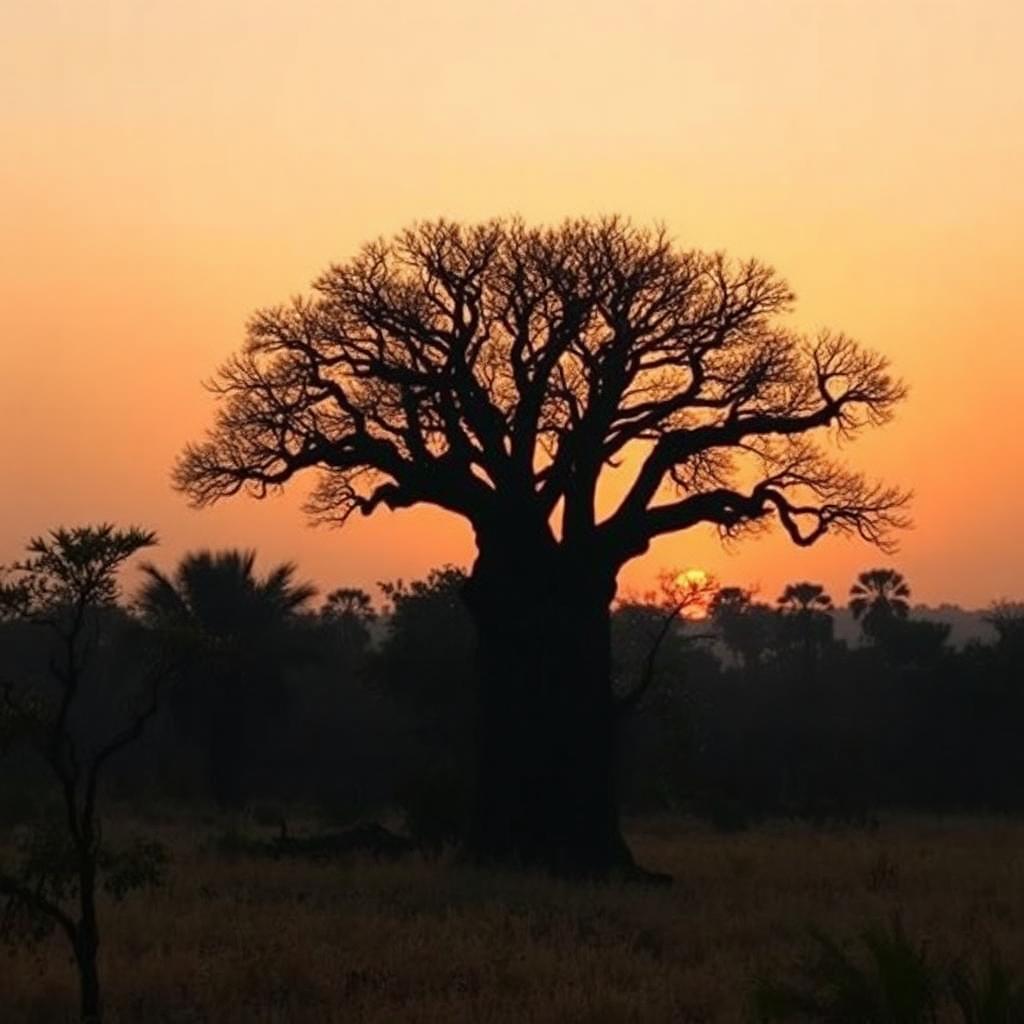
The Serer people of Senegal, cosmology of Roog and the sacred pangool ancestors.
- Shared needs: ancestral connection, life direction
- Similar practices: care, sacred
- Same tradition type
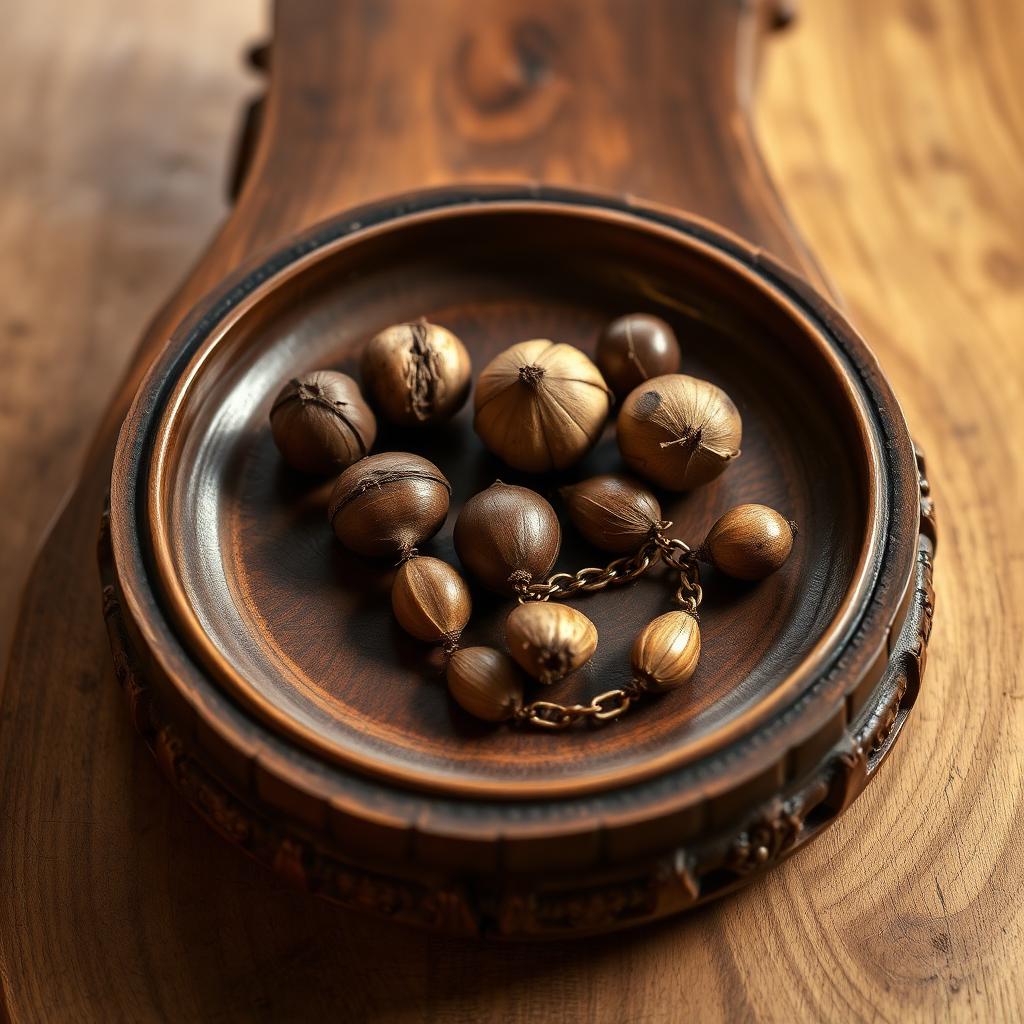
The divination system of the Yoruba, a sacred body of 256 poetic texts guiding life and healing.
- Shared needs: life direction
- Similar practices: consulting, reading
- Same tradition type
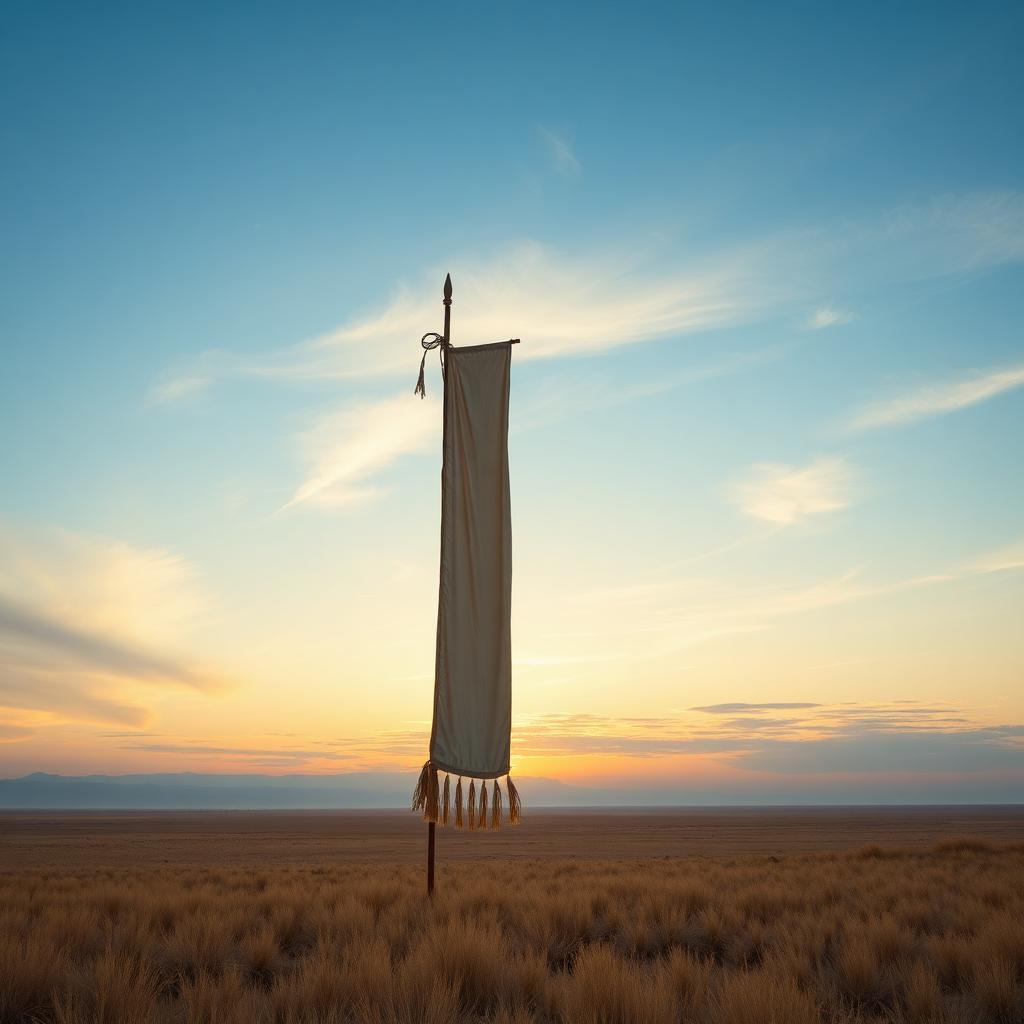
The steppe tradition of drum, spirit-journey, and the eternal blue sky (Tengri).
- Shared needs: life direction
- Similar practices: consulting, offering
- Same tradition type