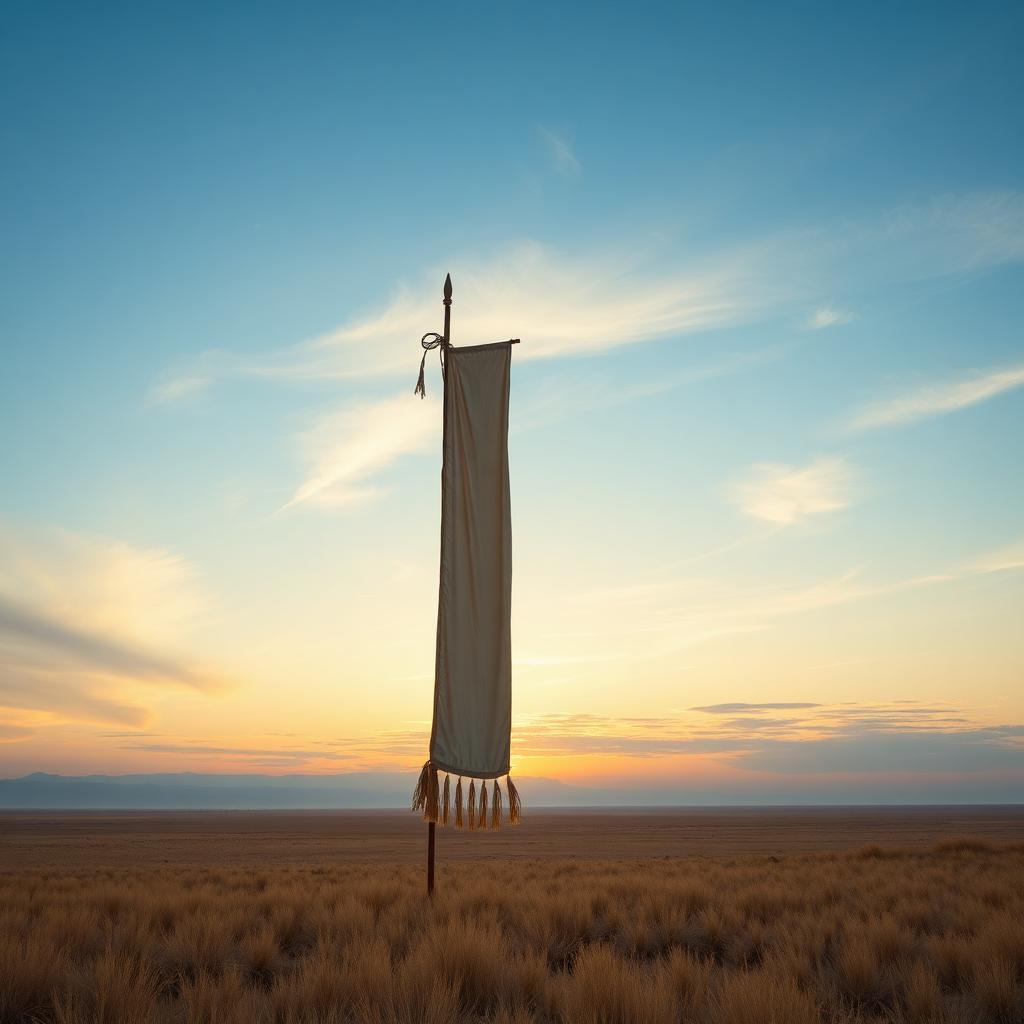
🐎Mongolian Shamanism (Bö)
The steppe tradition of drum, spirit-journey, and the eternal blue sky (Tengri).
Bö (Mongolian shamanism) is one of the oldest continuously practiced shamanic traditions, centered on the eternal blue sky (Tenger) and the drum-journey of the shaman. Suppressed brutally under Soviet-era rule (1930s-1980s), it has undergone a dramatic revival since 1990. Shamans (bö for men, udgan for women) heal, divine, and mediate between worlds.
Lineage: Ancestral lineage of bö and udgan across Mongolian, Buryat, and Tuvan peoples.
Cost depends on practitioner, region, and format.
Estimates only. Many traditions offer sliding-scale, donation, or community access; sacred ceremonies are never for sale.
Distinguishing cultural belief, traditional practice, and evidence-supported effect where applicable.
Emotional
Ceremony gives ancestral grief and dislocation a place to be moved.
Psychological
The journey is a felt narrative of transformation, not a metaphor.
Spiritual
Direct spirit contact through drum and journey with a lineage shaman.
Community
Family and clan are part of the diagnosis and the ceremony.
Physical
Herbal preparations and blessings are often part of a full treatment.
Nervous system
Drum entrainment (4-7 Hz) shifts brainwaves into deep meditative states.
Areas of possible support, not guarantees or medical claims.
- People of Mongolian, Buryat, or Central Asian descent
- Those with 'ancestral' symptoms that pass down families
- Anyone drawn to a recovering post-Soviet spiritual lineage
- Consulting a Mongolian shaman with reputable lineage
- Building an ovoo (stone cairn) offering as prayer
- Learning basic Mongolian cosmology from academic sources
- Ancestor remembrance and offerings
What to know before exploring
Traditional practice
This is a living tradition carried through lineage and community. Its value is documented through generations of practitioners rather than clinical trials. Absence of Western studies is not absence of wisdom.
- Trance, possession, and altered states. Drumming, dance, and possession-based ceremonies can open non-ordinary states that feel profound but may be destabilizing for people with a personal or family history of psychosis, bipolar, dissociation, or acute trauma. Go slowly and honestly, with trustworthy support.
- Financial and spiritual exploitation risk. Sacred traditions can attract people who charge steep fees or claim exclusive spiritual authority. Trustworthy teachers welcome questions, encourage outside support, and never pressure you to pay for more than you can afford.
- Cultural appropriation and closed practices. Some elements are closed to outsiders or reserved for initiated practitioners. Participating without invitation, or teaching without lineage, can harm living communities and weaken the practice itself. Approach as a respectful learner, not a consumer.
- Psychosis, bipolar I, or dissociative history (extra pause recommended). If you or a close family member has a history of psychosis, schizophrenia, bipolar I, dissociative disorders, or are in an acute mental health episode, please be extra gentle. Psychedelic, trance, and intense inner-work practices are best avoided unless you are working closely with a psychiatrist who understands this territory.
- Active PTSD or unprocessed severe trauma. Immersive, ceremonial, and altered-state work can surface traumatic memories without warning. If you are living with active PTSD, build a relationship with a trauma-informed licensed clinician first, and choose practitioners trained to hold trauma responses gently.
This information is shared as general education, not medical advice. The safest path is to share your full health story and current medications with both the practitioner and your regular healthcare provider before beginning something new.
Whose ancestors are calling me when I am not sure whose voice I hear?
What in my life needs the wide sky and open steppe?
Which lineage in me has been silent for a generation?
Engaging with respect
Beware of unqualified 'shamans' pursuing foreign clients; work with Mongolian-based lineages.
Traditions that share needs, practices, or cultural context with this one. Explore with respect for each lineage's origins.
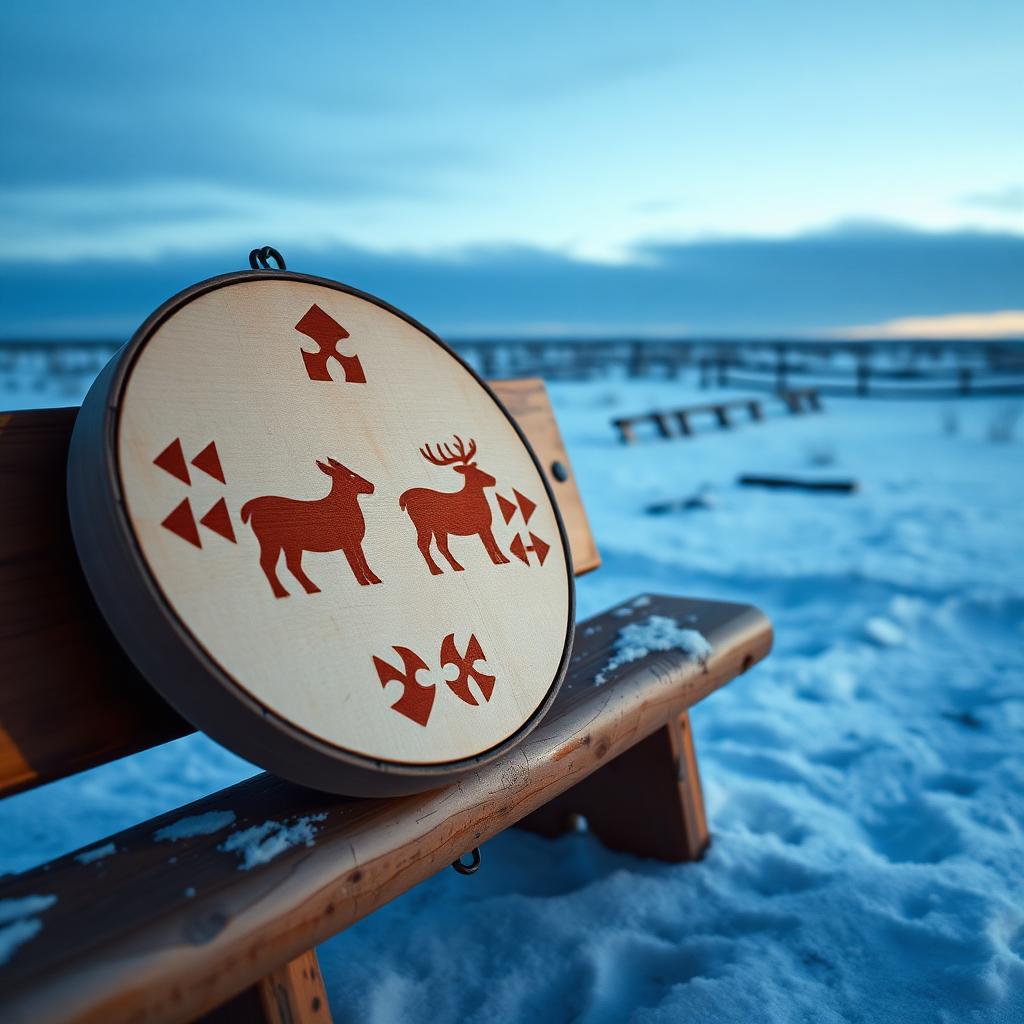
The Indigenous drum-song, joik, and healing of the Sámi people of Sápmi (Arctic Europe).
- Curated companion
- Shared needs: ancestral healing
- Similar practices: learning
Magyar shamans of the steppe, marked at birth, ecstatic journey, and healing song.
- Curated companion
- Shared needs: ancestral healing
- Similar practices: learning
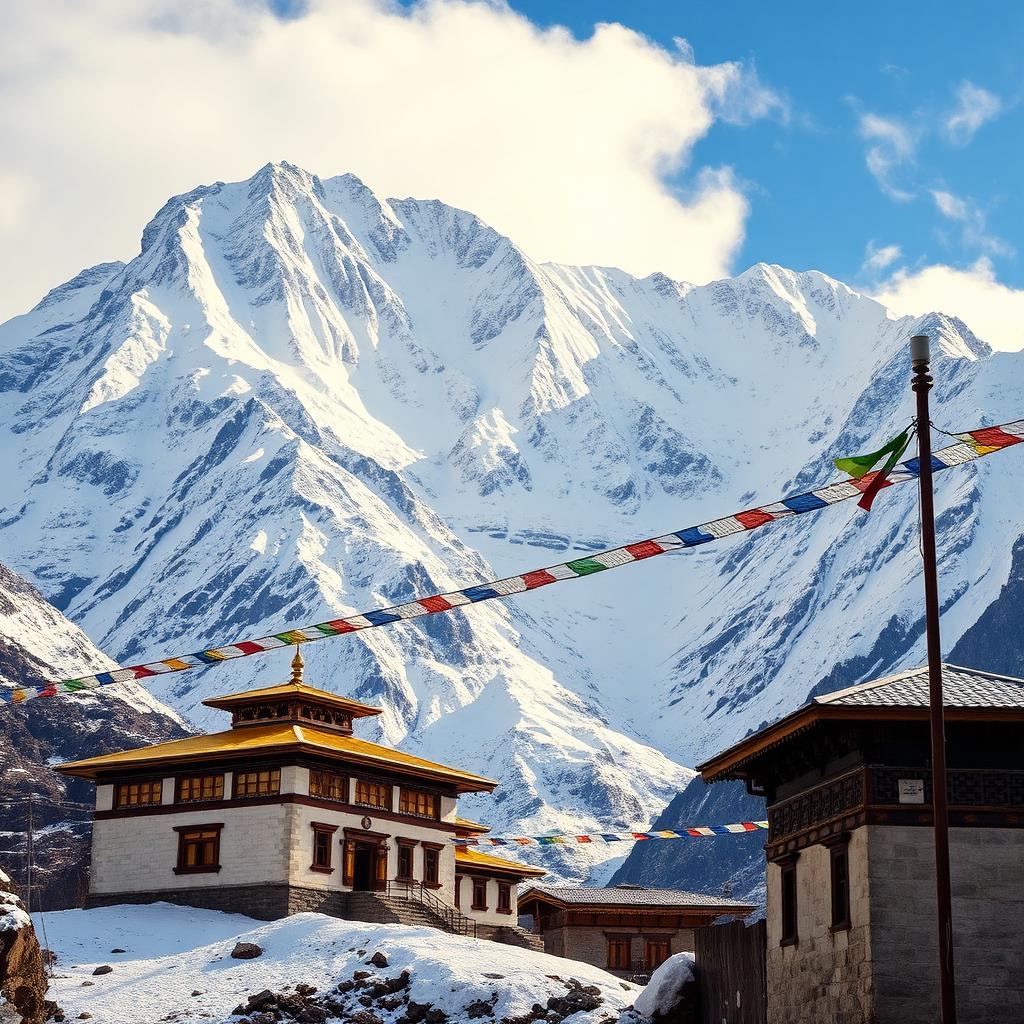
The 'Science of Healing', Tibet's medical system woven with Buddhist psychology.
- Curated companion
- Similar practices: consulting
- Same region (Asia)
The Himalayan shaman drumming between worlds to retrieve soul and set balance.
- Shared needs: illness with unclear cause, life direction
- Similar practices: consulting, ancestor, offerings, prayer
- Same region (Asia)
Cambodian traditional medicine held by krou (teachers), plant, prayer, and lineage.
- Shared needs: illness with unclear cause, ancestral healing
- Similar practices: consulting, ancestor, offerings, prayer
- Same region (Asia)
The Hindu-Balinese healer working with mantra, herbs, and offerings to the seen and unseen.
- Shared needs: illness with unclear cause, life direction
- Similar practices: consulting, offerings
- Same region (Asia)