🪷Khmer Krou Medicine
Cambodian traditional medicine held by krou (teachers), plant, prayer, and lineage.
Krou Khmer is Cambodian traditional medicine, held by krou (teachers) who train through apprenticeship. It weaves Theravada Buddhist practice, ancestor veneration, herbal medicine, and coining (kos khyal) for wind illness. After the Khmer Rouge murdered most traditional healers (1975-1979), a slow reconstruction has been underway, supported by NGOs and the Ministry of Health.
Lineage: Krou lineages nearly extinguished under Khmer Rouge; carried by surviving elders and diaspora.
Cost depends on practitioner, region, and format.
Estimates only. Many traditions offer sliding-scale, donation, or community access; sacred ceremonies are never for sale.
Distinguishing cultural belief, traditional practice, and evidence-supported effect where applicable.
Emotional
Rebuilding tradition itself is grief work for a nation.
Psychological
Ancestor rituals give a container for losses beyond biography.
Spiritual
Buddhist and ancestor practice woven together.
Community
Rebuilding after genocide is inherently collective; healing belongs to the people.
Physical
Herbal pharmacy of the tropical Mekong; coining and cupping for wind illness.
Nervous system
Chant, prayer, and body practice restore regulation in trauma-shaped bodies.
Areas of possible support, not guarantees or medical claims.
- Cambodian diaspora families
- People carrying intergenerational trauma from war or genocide
- Anyone drawn to a tradition being rebuilt in real time
- Consulting a krou through community networks
- Coining and cupping for wind illness
- Ancestor offerings and Buddhist prayer
- Herbal remedies from Khmer pharmacopeia
What to know before exploring
Traditional practice
This is a living tradition carried through lineage and community. Its value is documented through generations of practitioners rather than clinical trials. Absence of Western studies is not absence of wisdom.
- Herbal preparations and dosing. Herbs, tinctures, teas, and topical preparations can be gentle and powerful at the same time. They may interact with prescription medications or affect blood pressure, the liver, kidneys, or allergies. Quality and sourcing matter, so work with a knowledgeable practitioner and share your medication list.
- Deep or invasive bodywork. Needles, cupping, moxibustion, deep tissue pressure, spinal manipulation, and abdominal work can leave marks or cause discomfort if done without care. Choose practitioners with clear training and clean, single-use or properly sterilized tools.
- Financial and spiritual exploitation risk. Sacred traditions can attract people who charge steep fees or claim exclusive spiritual authority. Trustworthy teachers welcome questions, encourage outside support, and never pressure you to pay for more than you can afford.
- Cultural appropriation and closed practices. Some elements are closed to outsiders or reserved for initiated practitioners. Participating without invitation, or teaching without lineage, can harm living communities and weaken the practice itself. Approach as a respectful learner, not a consumer.
- Pregnancy, breastfeeding, and fertility treatment. Several herbs, essential oils, deep-tissue techniques, extreme temperatures, and intense breath or plant-medicine practices are not recommended during pregnancy, breastfeeding, or IVF cycles. Disclose your status and ask for a practitioner with prenatal training.
- Active PTSD or unprocessed severe trauma. Immersive, ceremonial, and altered-state work can surface traumatic memories without warning. If you are living with active PTSD, build a relationship with a trauma-informed licensed clinician first, and choose practitioners trained to hold trauma responses gently.
- Bleeding disorders and blood thinners. Practices that pierce or bruise the skin can cause prolonged bleeding or large bruises if you have hemophilia, low platelets, or take anticoagulants such as warfarin, apixaban, or high-dose aspirin. Let your practitioner know before you begin.
- Skin infections and immune suppression. Any practice that breaks the skin requires clean, single-use tools. If you are immunocompromised, in cancer treatment, or have active skin infection, it is wise to delay these practices or choose non-invasive alternatives.
- Prescription medication interactions. Bring a full medication list to your practitioner and pharmacist. Some common combinations need extra care, such as SSRIs and MAOIs with ayahuasca or St. John's wort, blood thinners with garlic or ginkgo, and immunosuppressants with many herbs. Your care team can help you navigate this.
This information is shared as general education, not medical advice. The safest path is to share your full health story and current medications with both the practitioner and your regular healthcare provider before beginning something new.
What in my community needs a whole generation of rebuilding?
How would I want my grandchildren to know my healing tradition?
Which of my elders survived what I do not want to imagine, and what do they carry?
Engaging with respect
Support Cambodian-led cultural restoration; be mindful of the tradition's near-annihilation.
Traditions that share needs, practices, or cultural context with this one. Explore with respect for each lineage's origins.
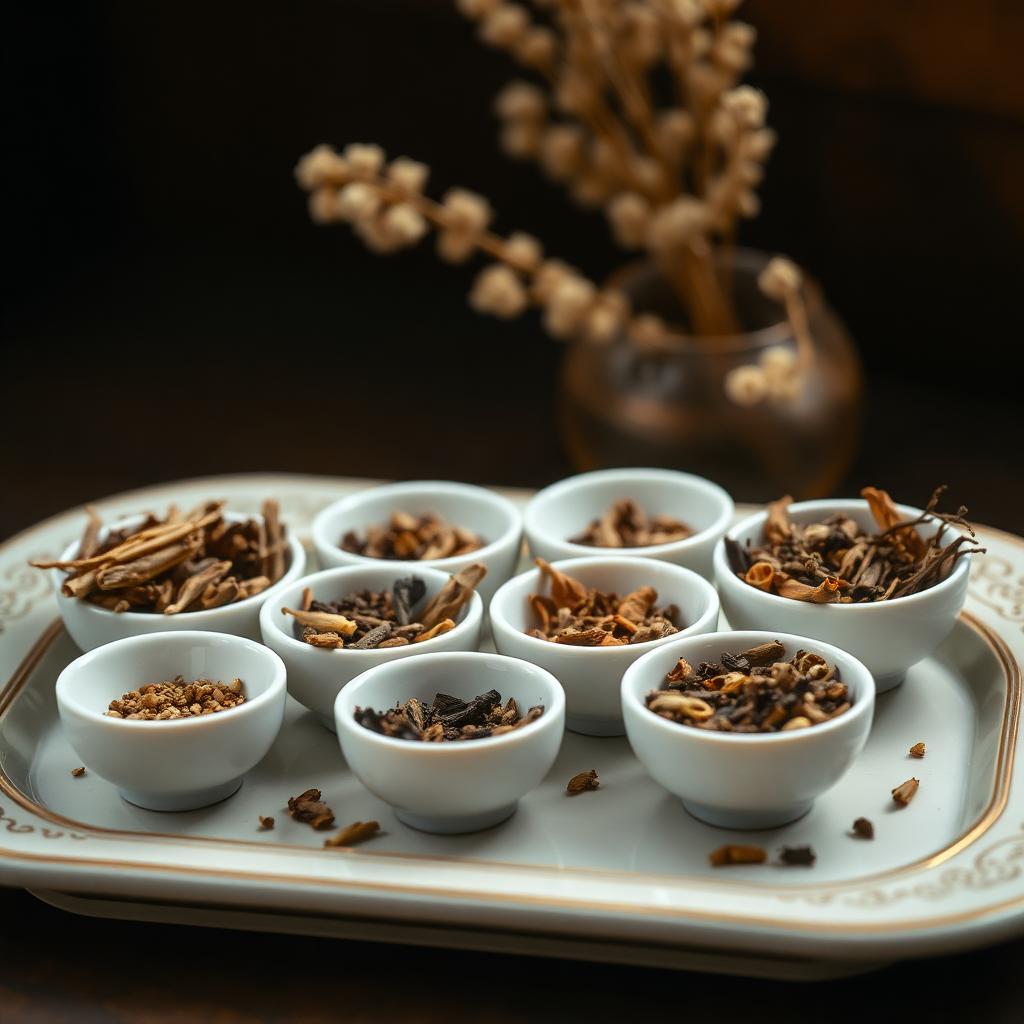
'Southern medicine', the Vietnamese herbal, dietary, and cupping tradition alongside TCM.
- Curated companion
- Similar practices: coining, wind, illness, herbal
- Same region (Asia)
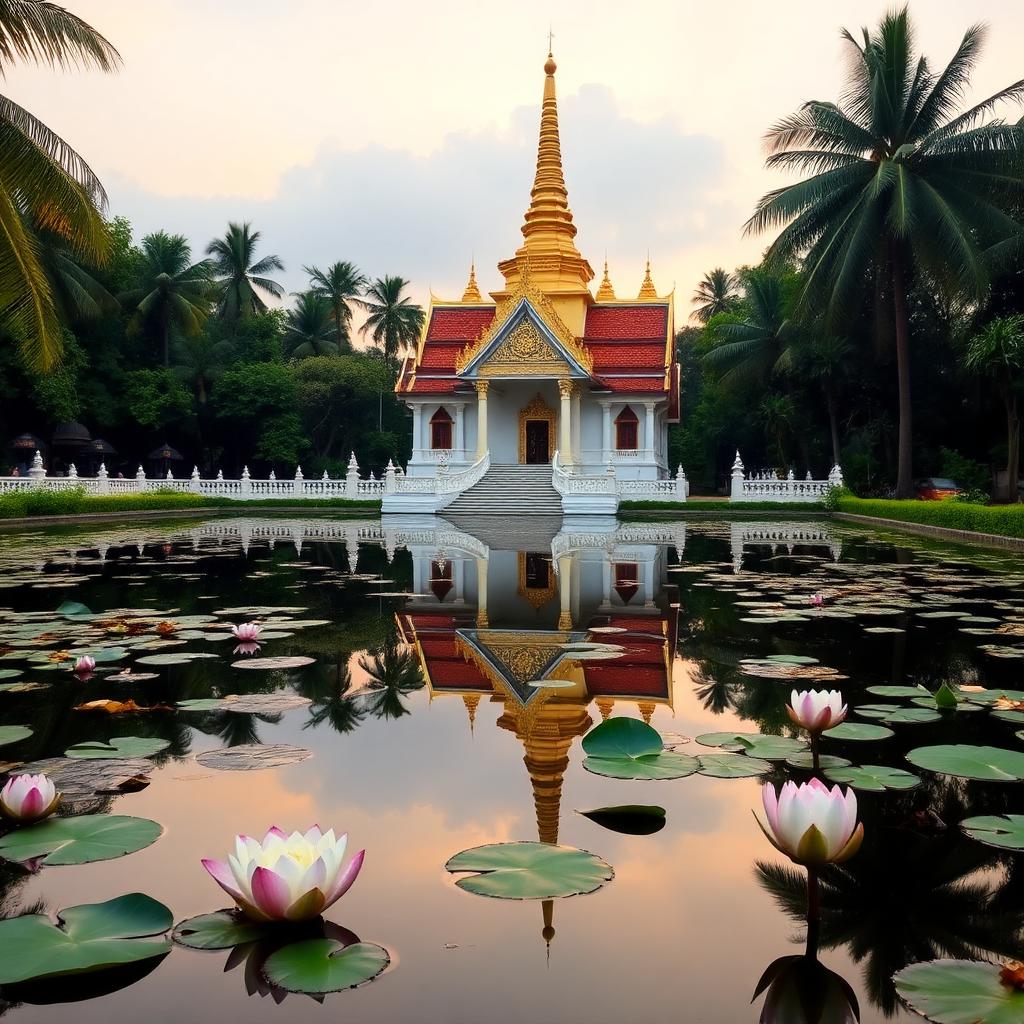
Thai massage (Nuad Boran) and Buddhist folk medicine of Southeast Asia.
- Curated companion
- Similar practices: herbal
- Same region (Asia)
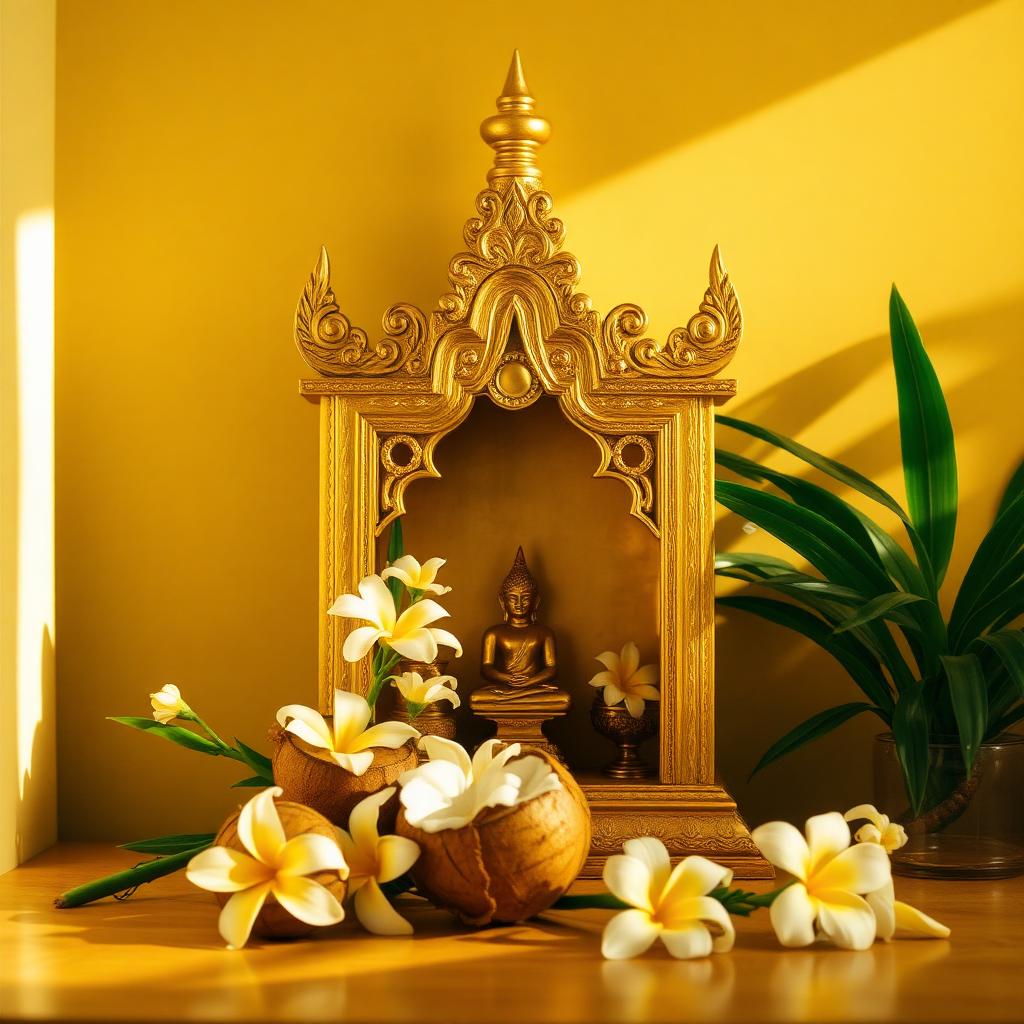
Myanmar's pre-Buddhist spirit tradition, still woven into daily prayer alongside Theravada Buddhism.
- Curated companion
- Similar practices: offerings, consulting
- Same region (Asia)
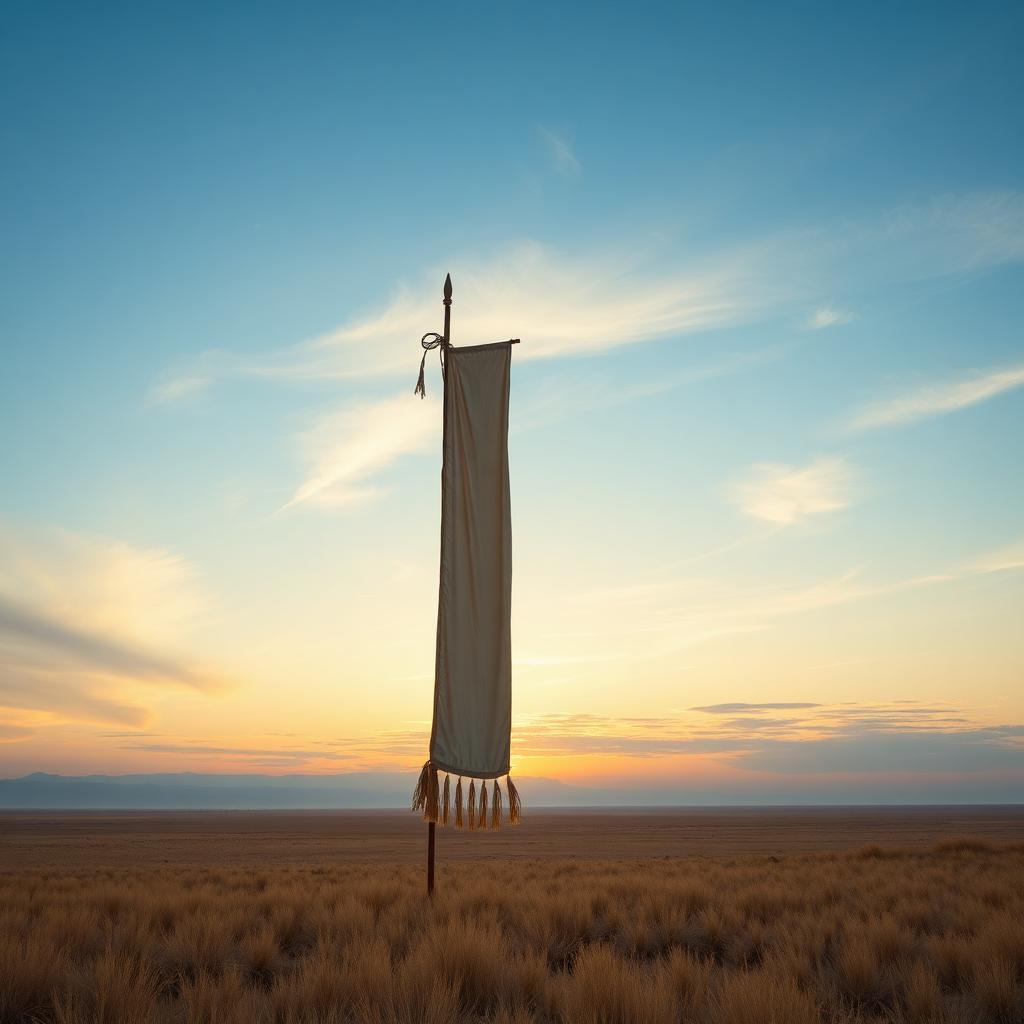
The steppe tradition of drum, spirit-journey, and the eternal blue sky (Tengri).
- Shared needs: ancestral healing, illness with unclear cause
- Similar practices: consulting, prayer, ancestor, offerings
- Same region (Asia)
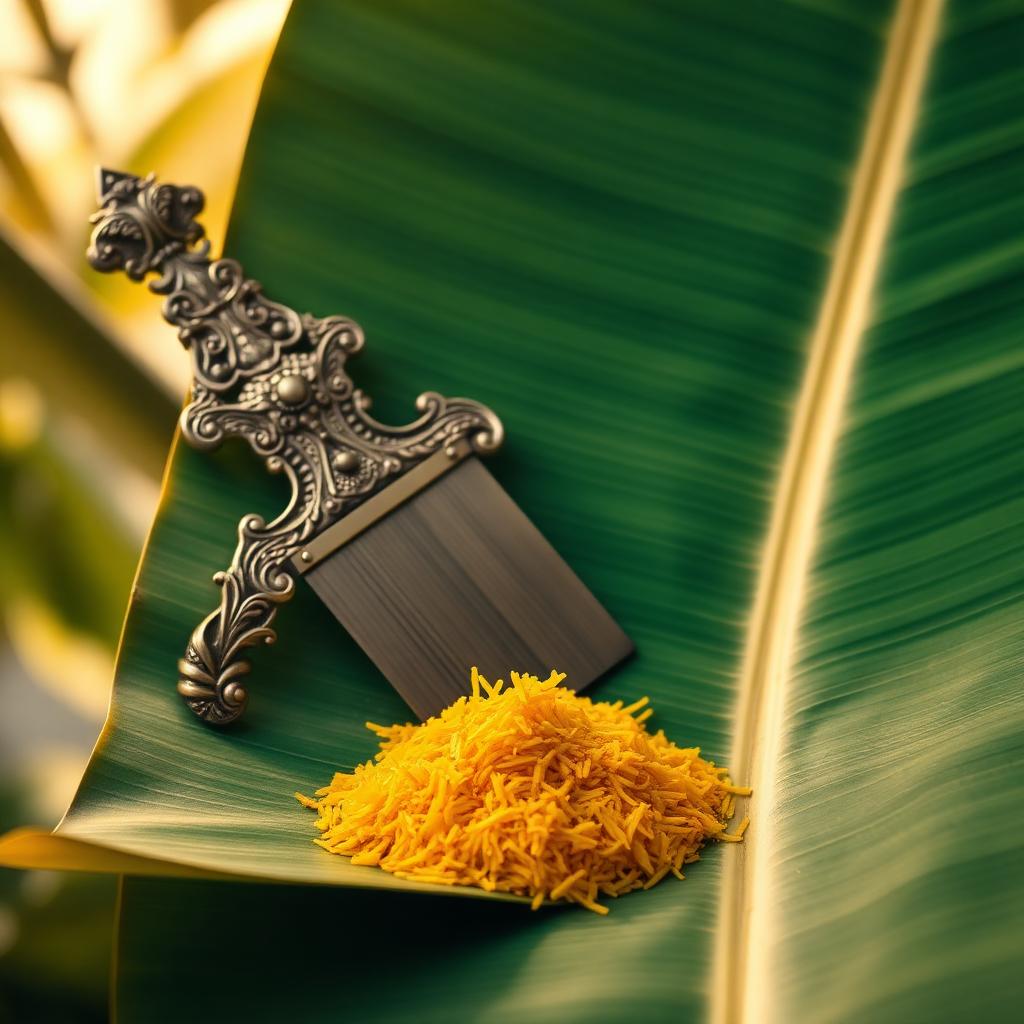
The Malaysian folk healer working with Qur'anic recitation, herbs, and semangat (life-force).
- Shared needs: illness with unclear cause
- Similar practices: consulting, through, community, herbal
- Same region (Asia)
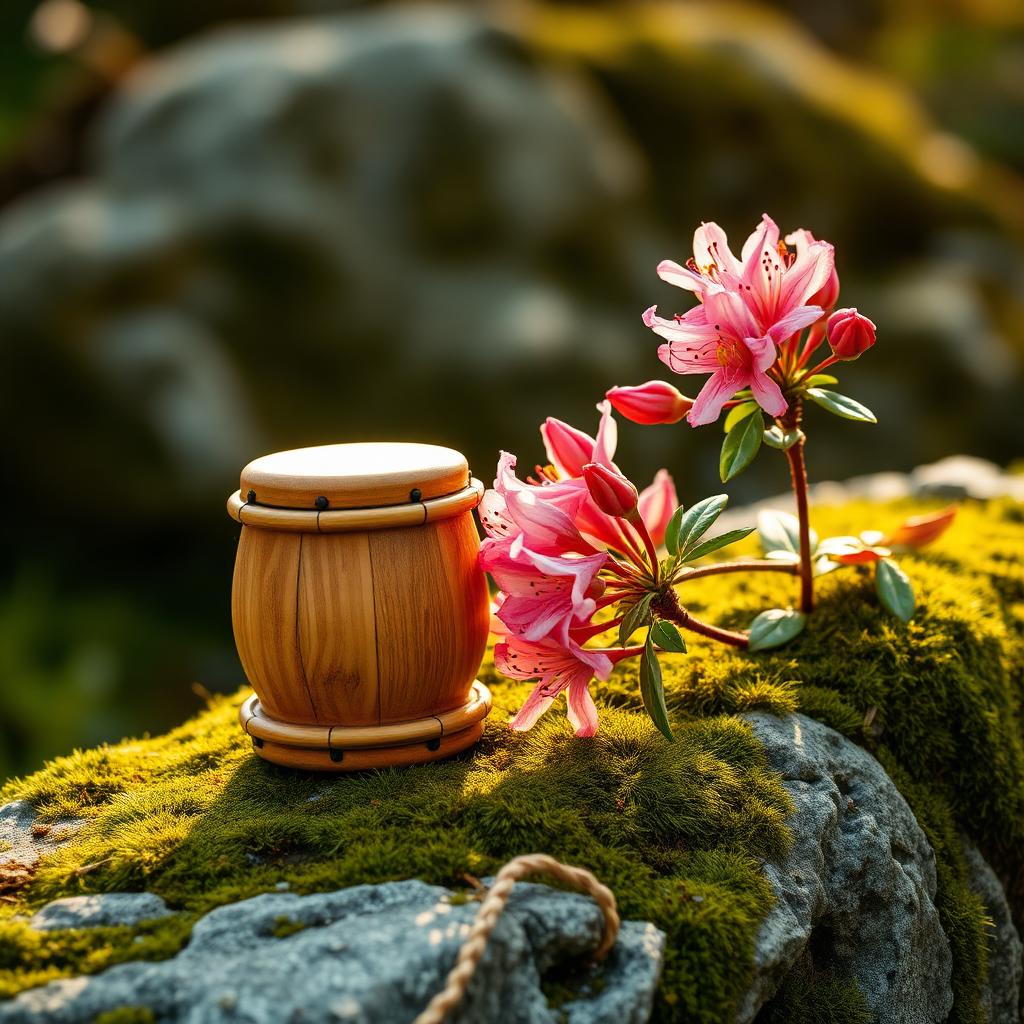
The Himalayan shaman drumming between worlds to retrieve soul and set balance.
- Shared needs: illness with unclear cause
- Similar practices: consulting, ancestor, offerings, prayer
- Same region (Asia)