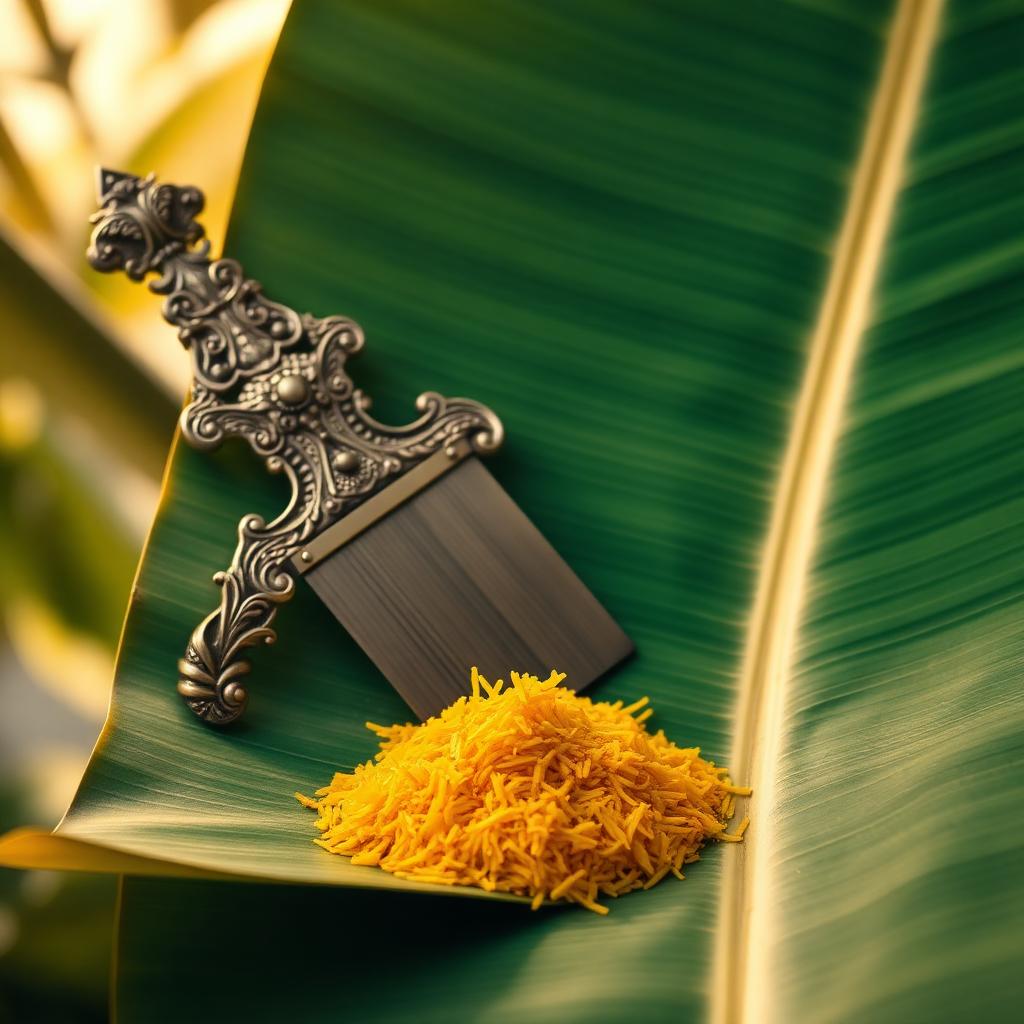
🌴Malay Bomoh
The Malaysian folk healer working with Qur'anic recitation, herbs, and semangat (life-force).
The bomoh is the Malay traditional healer, working with Qur'anic recitation, herbal preparations, and understanding of semangat (life-force) and angin (wind) within a broadly Islamic cosmology. Reads illness across body, spirit, and jinn (unseen beings). Practices vary by region across Malaysia, Singapore, and Brunei, and continue quietly alongside biomedicine.
Lineage: Village bomoh lineages; often within specific families.
Cost depends on practitioner, region, and format.
Estimates only. Many traditions offer sliding-scale, donation, or community access; sacred ceremonies are never for sale.
Distinguishing cultural belief, traditional practice, and evidence-supported effect where applicable.
Emotional
Ruqya (Qur'anic recitation over the person) offers a felt experience of protection.
Psychological
Naming symptoms as angin or spirit-cause gives an internally coherent story.
Spiritual
Qur'anic prayer central to healing; belief in unseen beings takes symptoms seriously.
Community
Family and neighborhood involved in diagnosis and cure.
Physical
Local plant pharmacy of the tropical peninsula.
Nervous system
Rhythmic recitation and prayed-over water calm arousal.
Areas of possible support, not guarantees or medical claims.
- Malay Muslim families in Southeast Asia and diaspora
- People whose fear or 'nervousness' has no biomedical explanation
- Anyone within an Islamic framework wanting spiritual medicine alongside prayer
- Consulting a bomoh through community
- Qur'anic recitation (ruqya) for spiritual disturbance
- Herbal preparations from local plants
- Prayed-over water (air jampi) as remedy
What to know before exploring
Traditional practice
This is a living tradition carried through lineage and community. Its value is documented through generations of practitioners rather than clinical trials. Absence of Western studies is not absence of wisdom.
- Herbal preparations and dosing. Herbs, tinctures, teas, and topical preparations can be gentle and powerful at the same time. They may interact with prescription medications or affect blood pressure, the liver, kidneys, or allergies. Quality and sourcing matter, so work with a knowledgeable practitioner and share your medication list.
- Trance, possession, and altered states. Drumming, dance, and possession-based ceremonies can open non-ordinary states that feel profound but may be destabilizing for people with a personal or family history of psychosis, bipolar, dissociation, or acute trauma. Go slowly and honestly, with trustworthy support.
- Financial and spiritual exploitation risk. Sacred traditions can attract people who charge steep fees or claim exclusive spiritual authority. Trustworthy teachers welcome questions, encourage outside support, and never pressure you to pay for more than you can afford.
- Pregnancy, breastfeeding, and fertility treatment. Several herbs, essential oils, deep-tissue techniques, extreme temperatures, and intense breath or plant-medicine practices are not recommended during pregnancy, breastfeeding, or IVF cycles. Disclose your status and ask for a practitioner with prenatal training.
- Active PTSD or unprocessed severe trauma. Immersive, ceremonial, and altered-state work can surface traumatic memories without warning. If you are living with active PTSD, build a relationship with a trauma-informed licensed clinician first, and choose practitioners trained to hold trauma responses gently.
- Prescription medication interactions. Bring a full medication list to your practitioner and pharmacist. Some common combinations need extra care, such as SSRIs and MAOIs with ayahuasca or St. John's wort, blood thinners with garlic or ginkgo, and immunosuppressants with many herbs. Your care team can help you navigate this.
This information is shared as general education, not medical advice. The safest path is to share your full health story and current medications with both the practitioner and your regular healthcare provider before beginning something new.
What in my angin (inner wind) is disturbed this month?
How does prayer over water change what I drink?
Which of my fears might my elders have called something else entirely?
Traditions that share needs, practices, or cultural context with this one. Explore with respect for each lineage's origins.
Health guidance drawn from the sayings and practice of the Prophet Muhammad ﷺ.
- Curated companion
- Similar practices: water, ruqya, anic, recitation
The rich Islamic tradition of understanding the soul, its states, and its refinement.
- Curated companion
- Shared needs: anxiety
Traditional Filipino massage and bone-setting, working with tension, wind, and energy.
- Curated companion
- Same region (Asia)

The coastal blend of Bantu, Arab, and Indian Ocean healing traditions of East Africa.
- Shared needs: anxiety, protection
- Similar practices: consulting, anic, recitation, ruqya
- Same tradition type
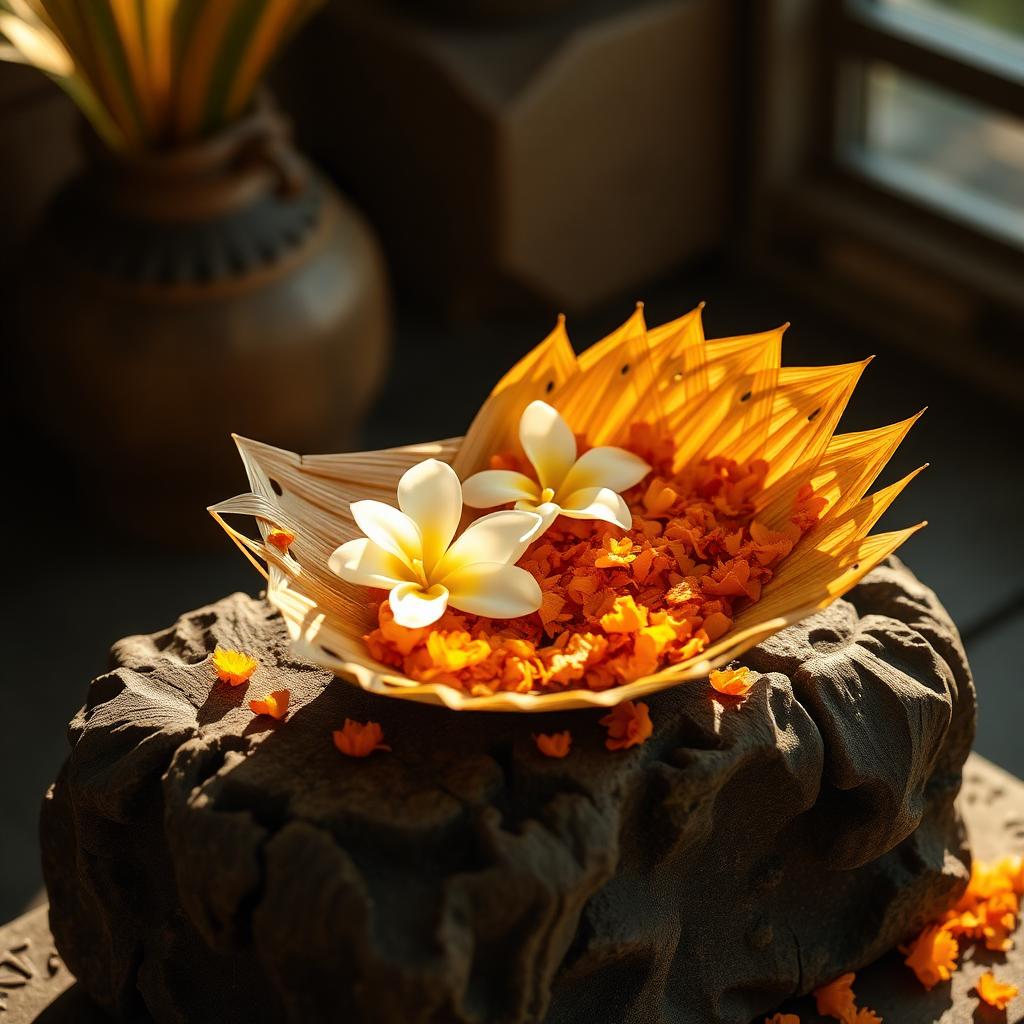
The Hindu-Balinese healer working with mantra, herbs, and offerings to the seen and unseen.
- Shared needs: illness with unclear cause, anxiety
- Similar practices: consulting, through, local
- Same region (Asia)
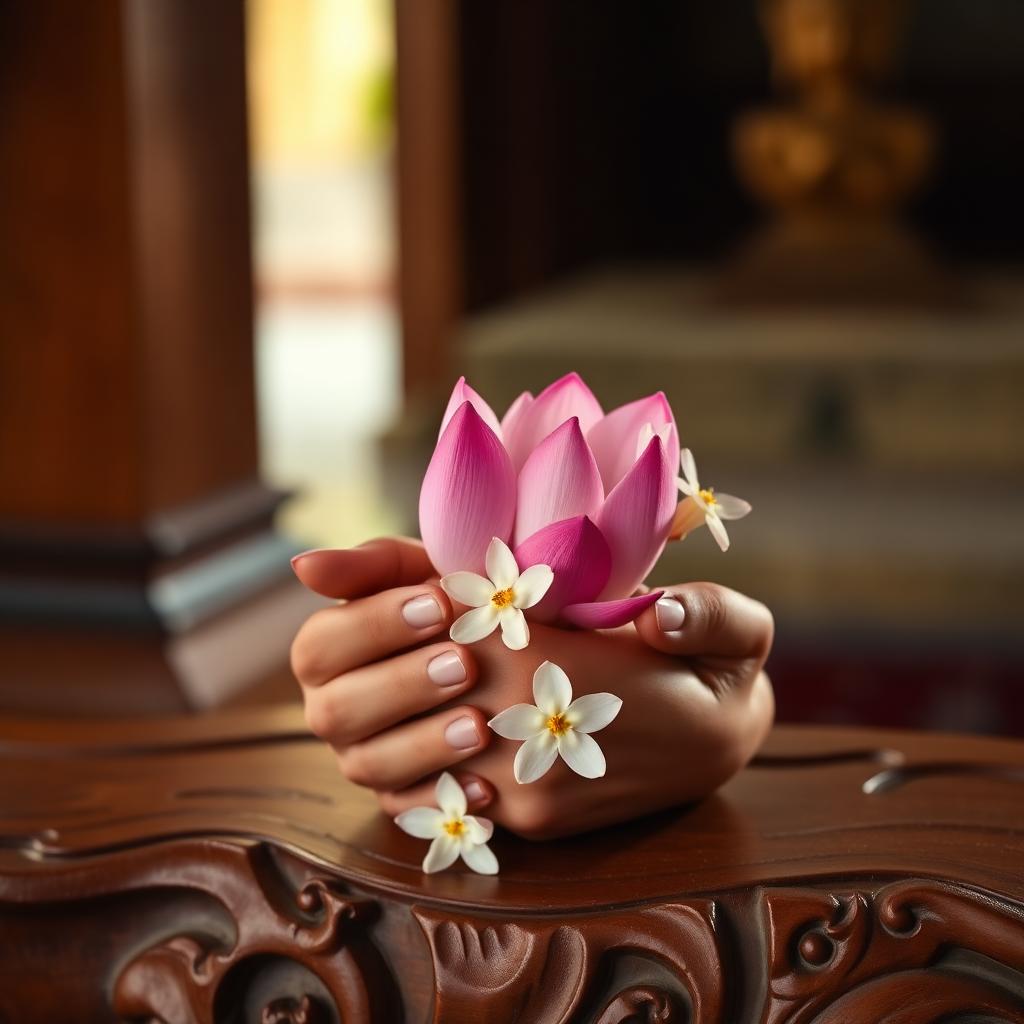
Cambodian traditional medicine held by krou (teachers), plant, prayer, and lineage.
- Shared needs: illness with unclear cause
- Similar practices: consulting, through, community, herbal
- Same region (Asia)