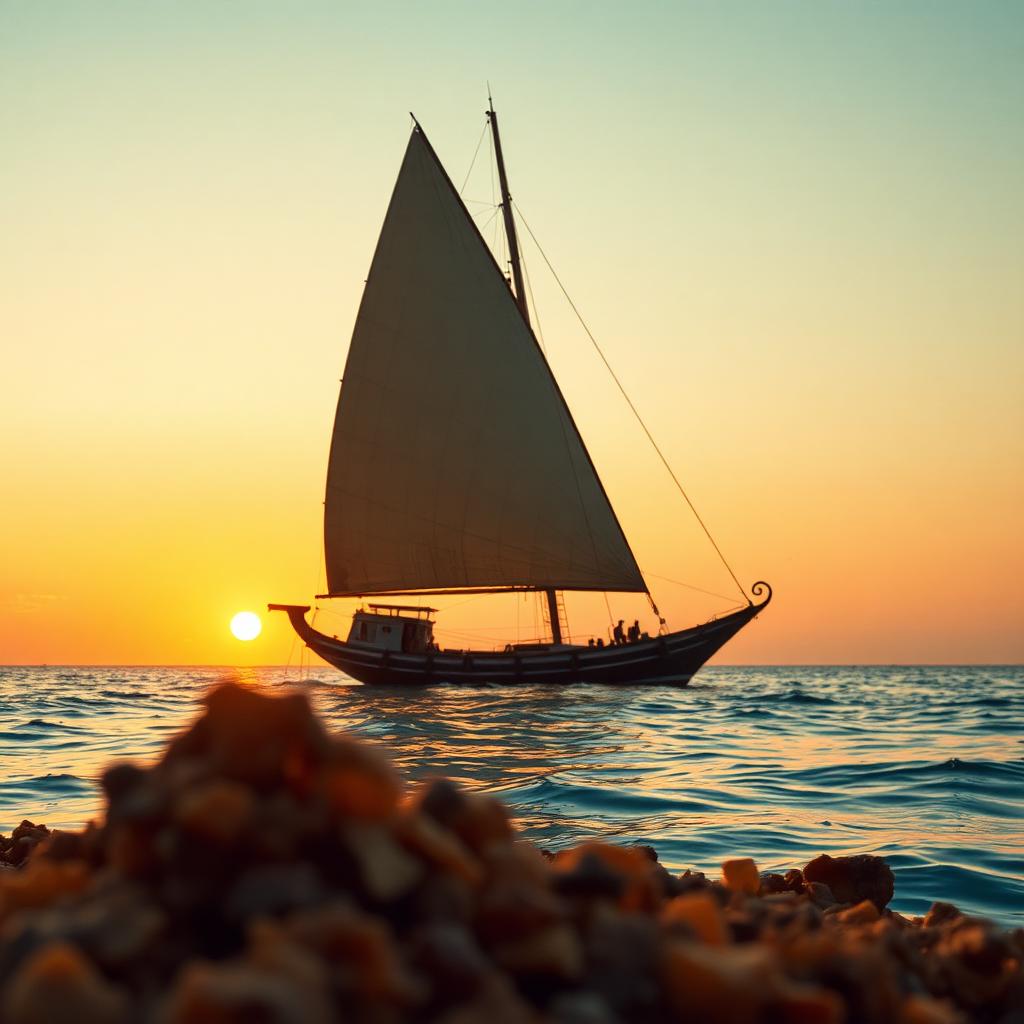
🌊Swahili Coast Healing
The coastal blend of Bantu, Arab, and Indian Ocean healing traditions of East Africa.
The Swahili Coast (Kenya, Tanzania, Mozambique, Comoros, and the Zanzibar archipelago) is a millennium-old crossroads of Bantu, Arab, Persian, and Indian Ocean cultures. Healing draws from Islamic prayer, Arabic astrology, Indian Ayurvedic herbs, coastal plants, and Bantu ancestor traditions. Waganga (healers) may use Qur'anic recitation, herbal preparations, and divination together.
Lineage: Swahili waganga and wafumbi lineages.
Cost depends on practitioner, region, and format.
Estimates only. Many traditions offer sliding-scale, donation, or community access; sacred ceremonies are never for sale.
Distinguishing cultural belief, traditional practice, and evidence-supported effect where applicable.
Spiritual
Blends Islamic prayer with local ancestor and plant knowledge.
Community
The extended family and neighborhood are part of care.
Physical
Diverse pharmacy drawn from three continents.
Areas of possible support, not guarantees or medical claims.
- People from Swahili-speaking regions
- Those drawn to syncretic Islamic practice
- Consulting a mganga
- Qur'anic recitation (ruqya)
- Herbal preparations and baths
- Divination with astrology or shells
What to know before exploring
Traditional practice
This is a living tradition carried through lineage and community. Its value is documented through generations of practitioners rather than clinical trials. Absence of Western studies is not absence of wisdom.
- Herbal preparations and dosing. Herbs, tinctures, teas, and topical preparations can be gentle and powerful at the same time. They may interact with prescription medications or affect blood pressure, the liver, kidneys, or allergies. Quality and sourcing matter, so work with a knowledgeable practitioner and share your medication list.
- Pregnancy, breastfeeding, and fertility treatment. Several herbs, essential oils, deep-tissue techniques, extreme temperatures, and intense breath or plant-medicine practices are not recommended during pregnancy, breastfeeding, or IVF cycles. Disclose your status and ask for a practitioner with prenatal training.
- Prescription medication interactions. Bring a full medication list to your practitioner and pharmacist. Some common combinations need extra care, such as SSRIs and MAOIs with ayahuasca or St. John's wort, blood thinners with garlic or ginkgo, and immunosuppressants with many herbs. Your care team can help you navigate this.
This information is shared as general education, not medical advice. The safest path is to share your full health story and current medications with both the practitioner and your regular healthcare provider before beginning something new.
What in my life exists at a crossroads of many inheritances?
How would prayer plus plant plus ancestor together change my care?
Traditions that share needs, practices, or cultural context with this one. Explore with respect for each lineage's origins.
Health guidance drawn from the sayings and practice of the Prophet Muhammad ﷺ.
- Curated companion
- Similar practices: ruqya, anic, recitation
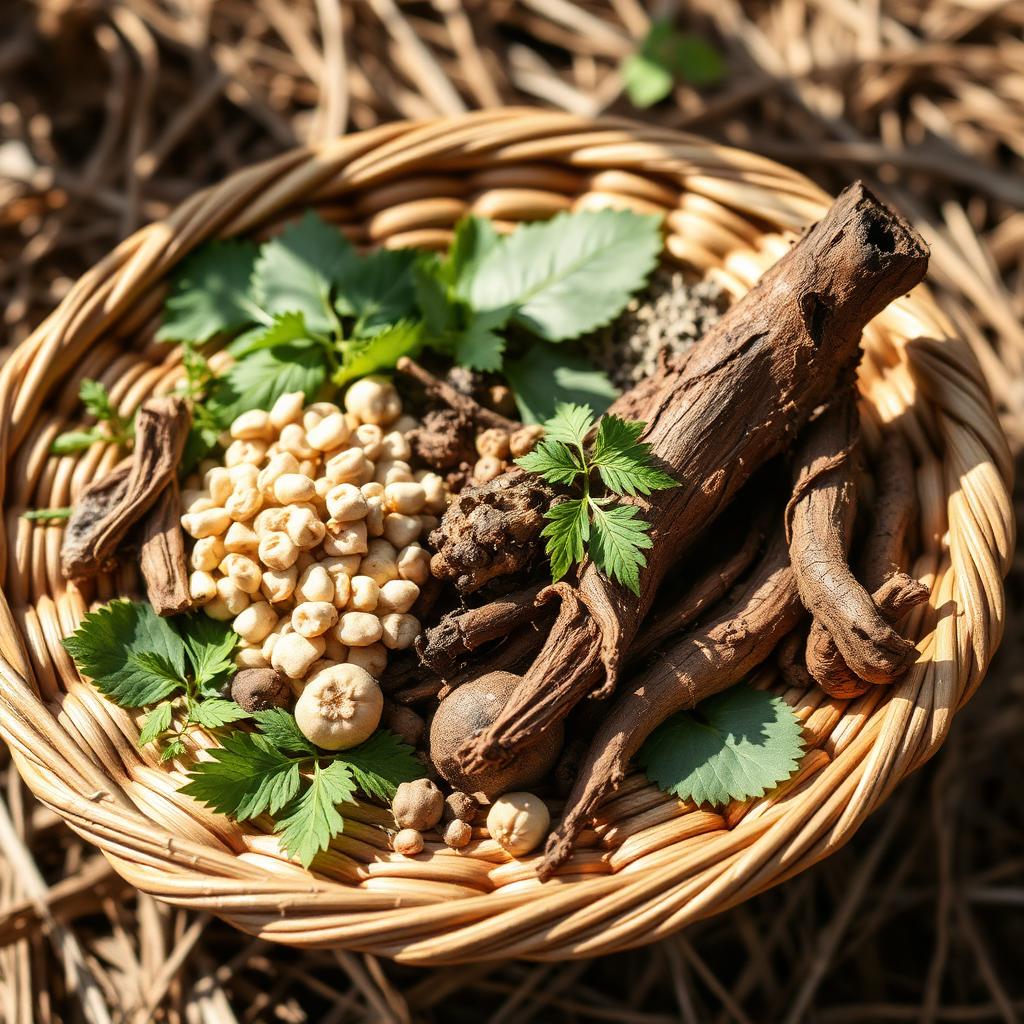
The vast pharmacopeia of plants used across the African continent, many now studied by modern pharmacology.
- Curated companion
- Same region (Africa)
The Malaysian folk healer working with Qur'anic recitation, herbs, and semangat (life-force).
- Shared needs: anxiety, protection
- Similar practices: consulting, anic, recitation, ruqya
- Same tradition type
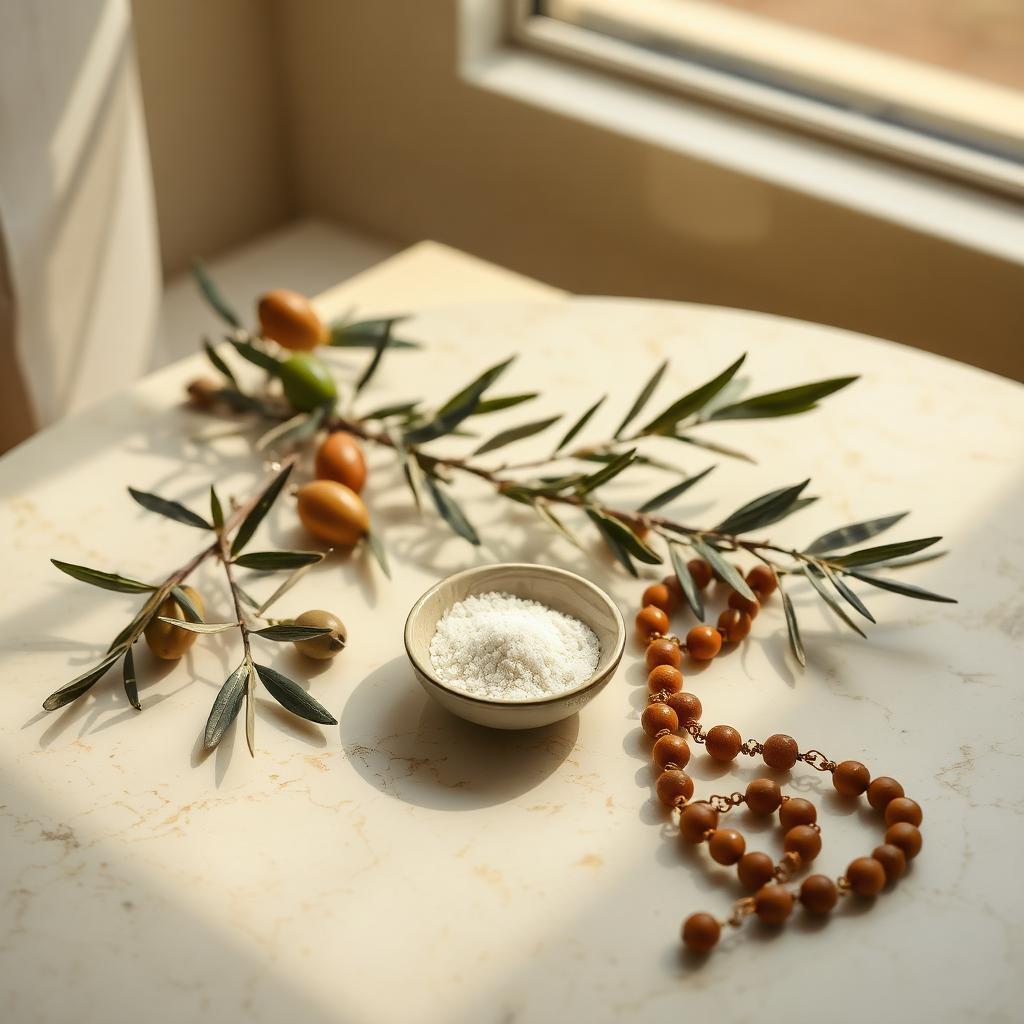
The southern Italian folk prayer, blessing, and evil-eye tradition (malocchio) held by grandmothers.
- Shared needs: protection, physical illness, anxiety
- Similar practices: divination
- Same tradition type
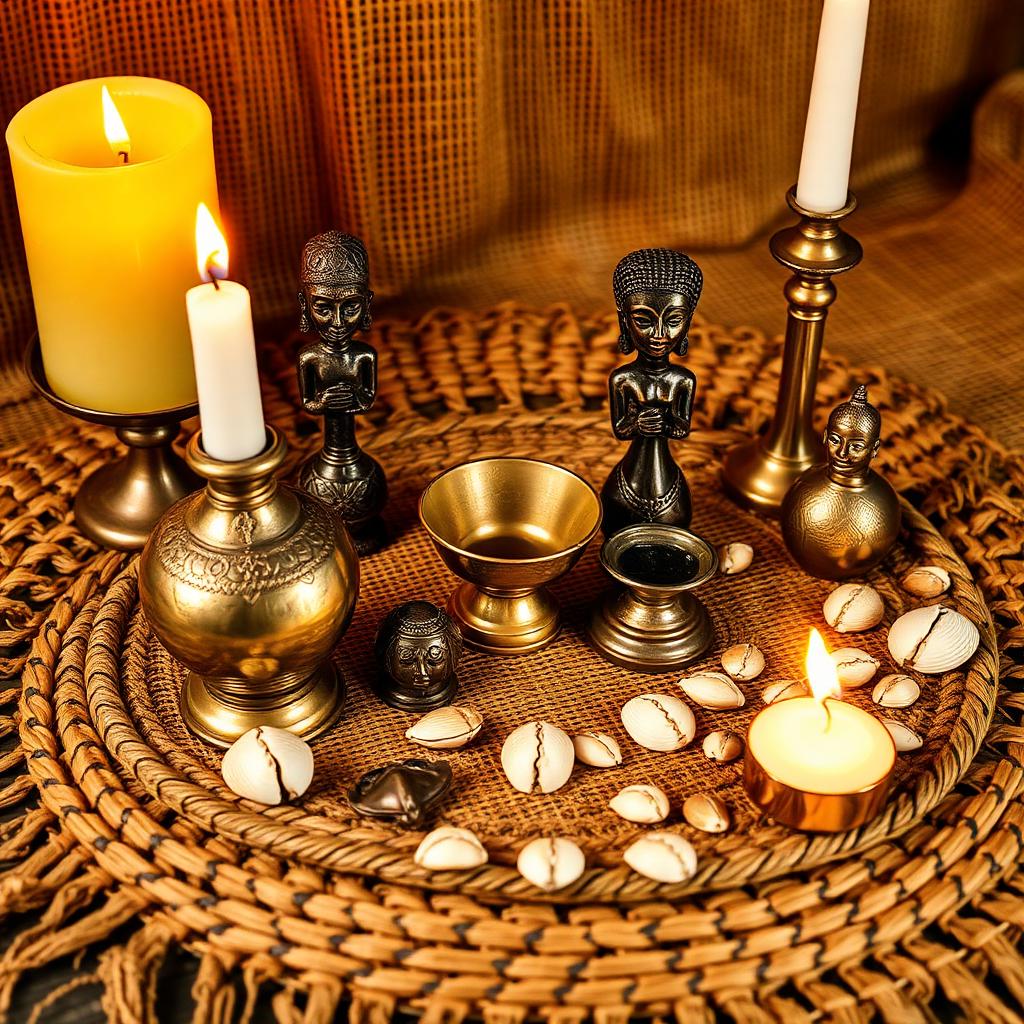
The Vodun heritage of the Kingdom of Benin, ancestors, spirits, and divination.
- Shared needs: protection
- Similar practices: divination, herbal, baths, preparations
- Same region (Africa)
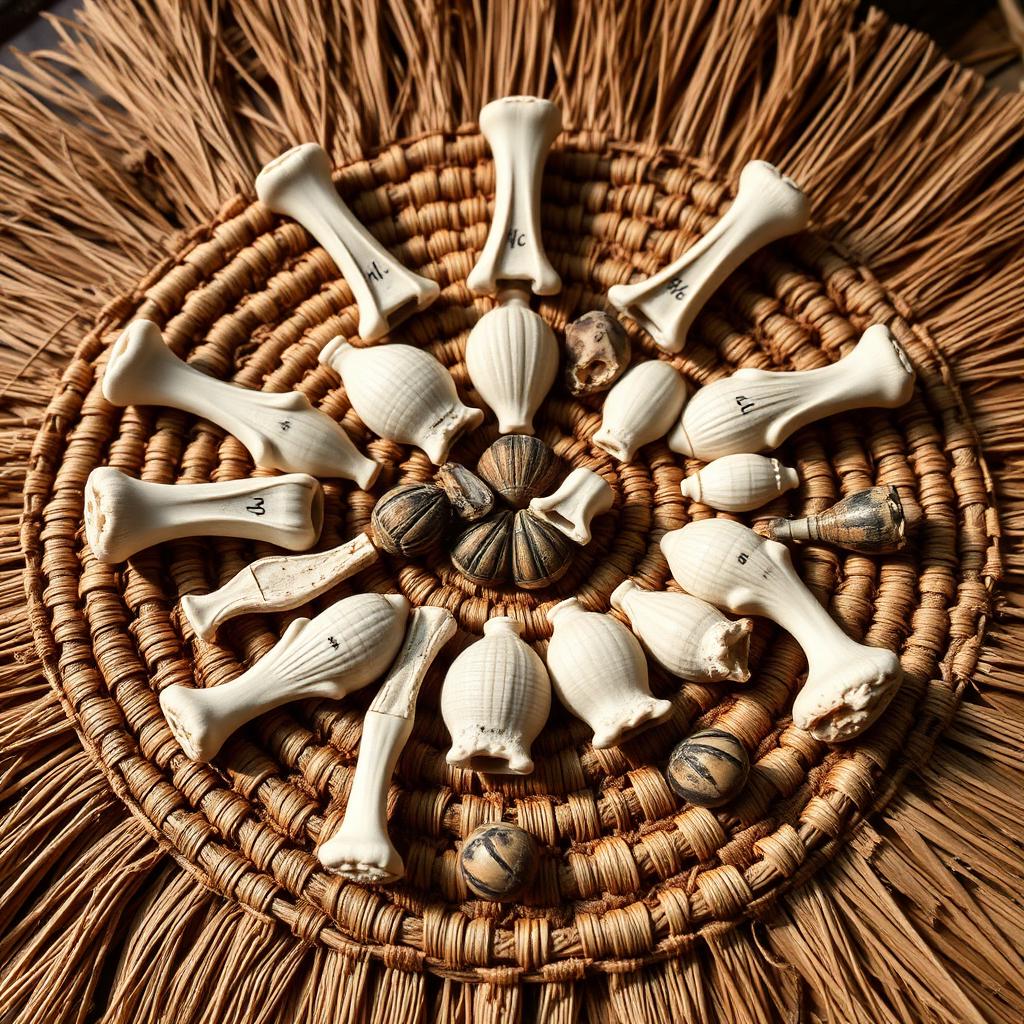
Southern African traditional healers who work with ancestors, bones, and herbal medicine.
- Shared needs: protection
- Similar practices: consulting, divination, herbal
- Same region (Africa)