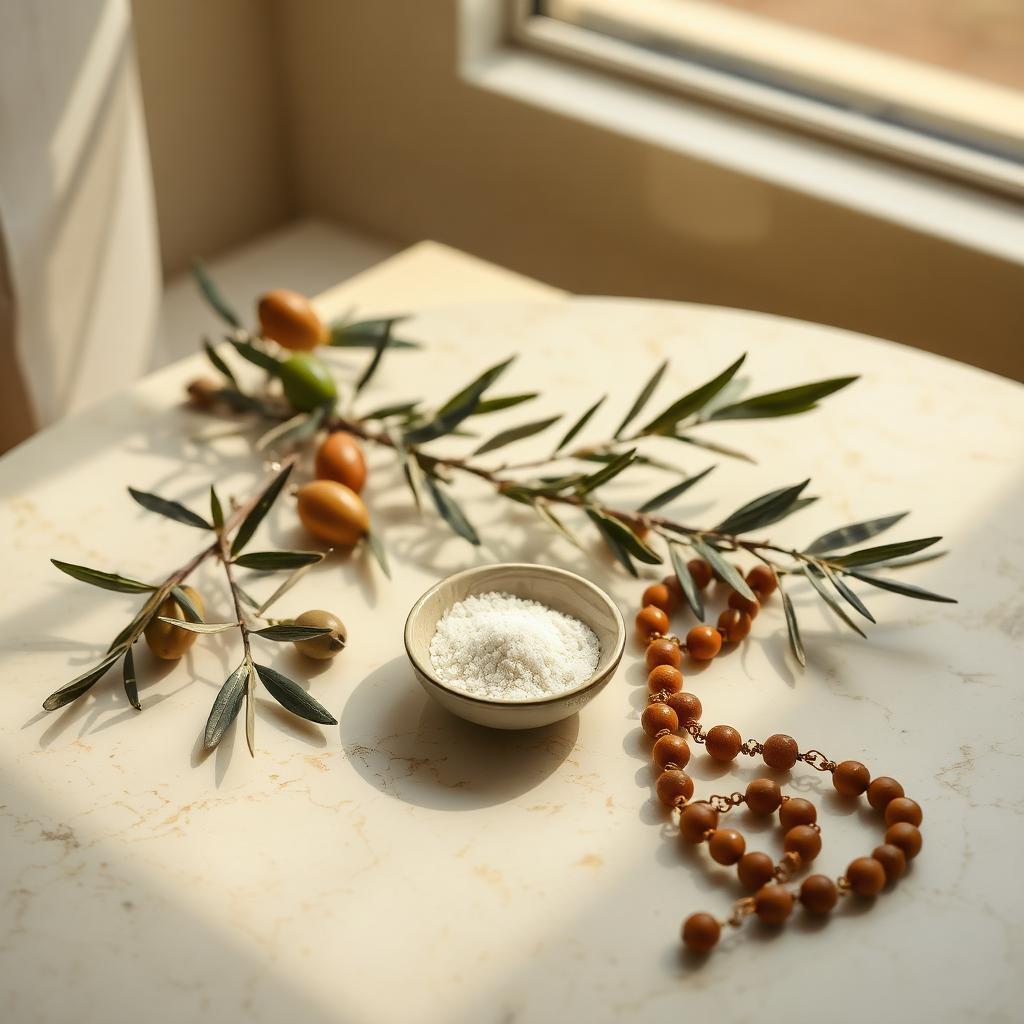
🧿Italian Benedicaria
The southern Italian folk prayer, blessing, and evil-eye tradition (malocchio) held by grandmothers.
Benedicaria (from benedire, 'to bless') is the folk Catholic tradition of southern Italy, held mostly by women (segnatore or fattucchiere), working with Catholic prayer, saints, and the removal of malocchio (the evil eye) through oil-and-water divination and specific prayers passed on the night of Christmas. It survives in Italy and in the Italian diaspora.
Lineage: Southern Italian women's oral tradition.
Cost depends on practitioner, region, and format.
Estimates only. Many traditions offer sliding-scale, donation, or community access; sacred ceremonies are never for sale.
Distinguishing cultural belief, traditional practice, and evidence-supported effect where applicable.
Psychological
The ritual provides a felt sense of care and agency.
Spiritual
The prayers restore protection from perceived envy or ill-wishing.
Community
Segnatore serve neighbors and family, not strangers for pay.
Areas of possible support, not guarantees or medical claims.
- People of southern Italian descent
- Those drawn to folk Catholicism
- Oil-in-water divination to check for malocchio
- Wearing the cornicello (little horn) or making the mano cornuta gesture
- Praying to specific saints (Anthony, Rita, Rosalia) for specific needs
What to know before exploring
Traditional practice
This is a living tradition carried through lineage and community. Its value is documented through generations of practitioners rather than clinical trials. Absence of Western studies is not absence of wisdom.
- Practitioner quality varies. This tradition is not licensed or regulated in most countries. Skill, ethics, and training vary widely between practitioners. Ask about lineage, training length, informed consent practices, and how safety concerns are handled.
This information is shared as general education, not medical advice. The safest path is to share your full health story and current medications with both the practitioner and your regular healthcare provider before beginning something new.
What prayer of my nonna do I still remember, even in fragments?
How would my life feel with a small saint's card in my wallet?
Traditions that share needs, practices, or cultural context with this one. Explore with respect for each lineage's origins.
Village prayer-healers of Portugal blessing away fear, worm, and evil eye.
- Curated companion
- Shared needs: protection, anxiety
- Similar practices: saints
The village-level plant medicine of Europe, passed grandmother to grandchild.
- Curated companion
- Shared needs: anxiety
- Similar practices: making
The Puerto Rican and Caribbean tradition of communicating with spirits for guidance and healing.
- Curated companion
- Shared needs: anxiety
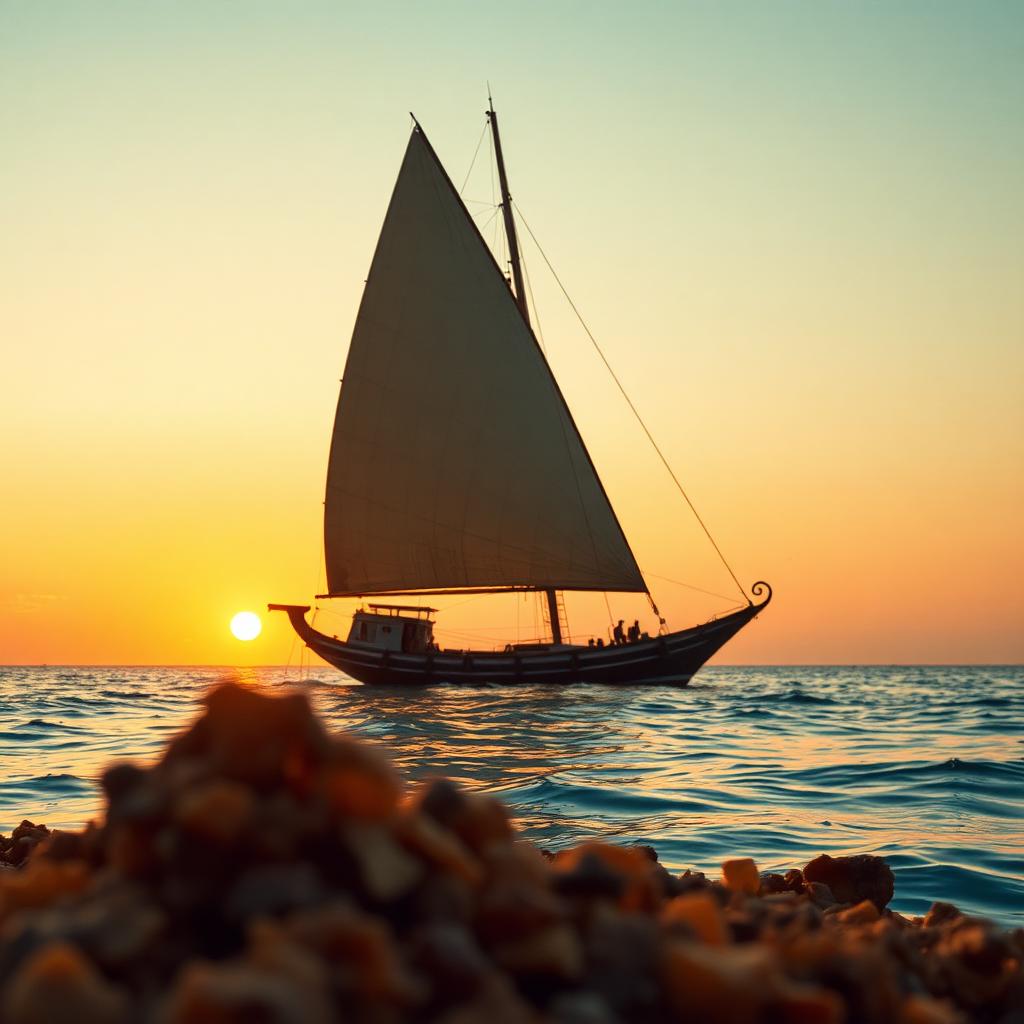
The coastal blend of Bantu, Arab, and Indian Ocean healing traditions of East Africa.
- Shared needs: physical illness, anxiety, protection
- Similar practices: divination
- Same tradition type
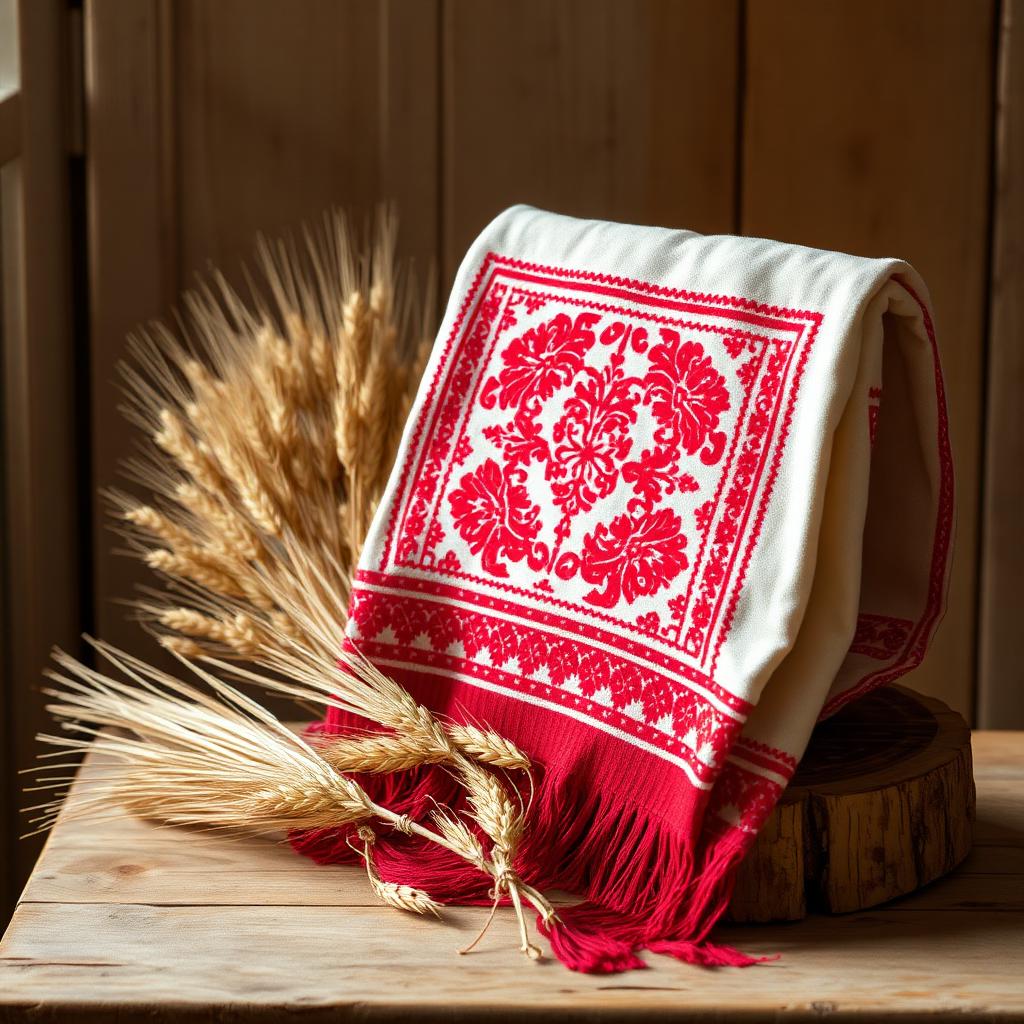
The villages, baths, and whispered charms of Russian, Ukrainian, and Polish znakharki.
- Shared needs: anxiety, protection
- Same region (Europe)
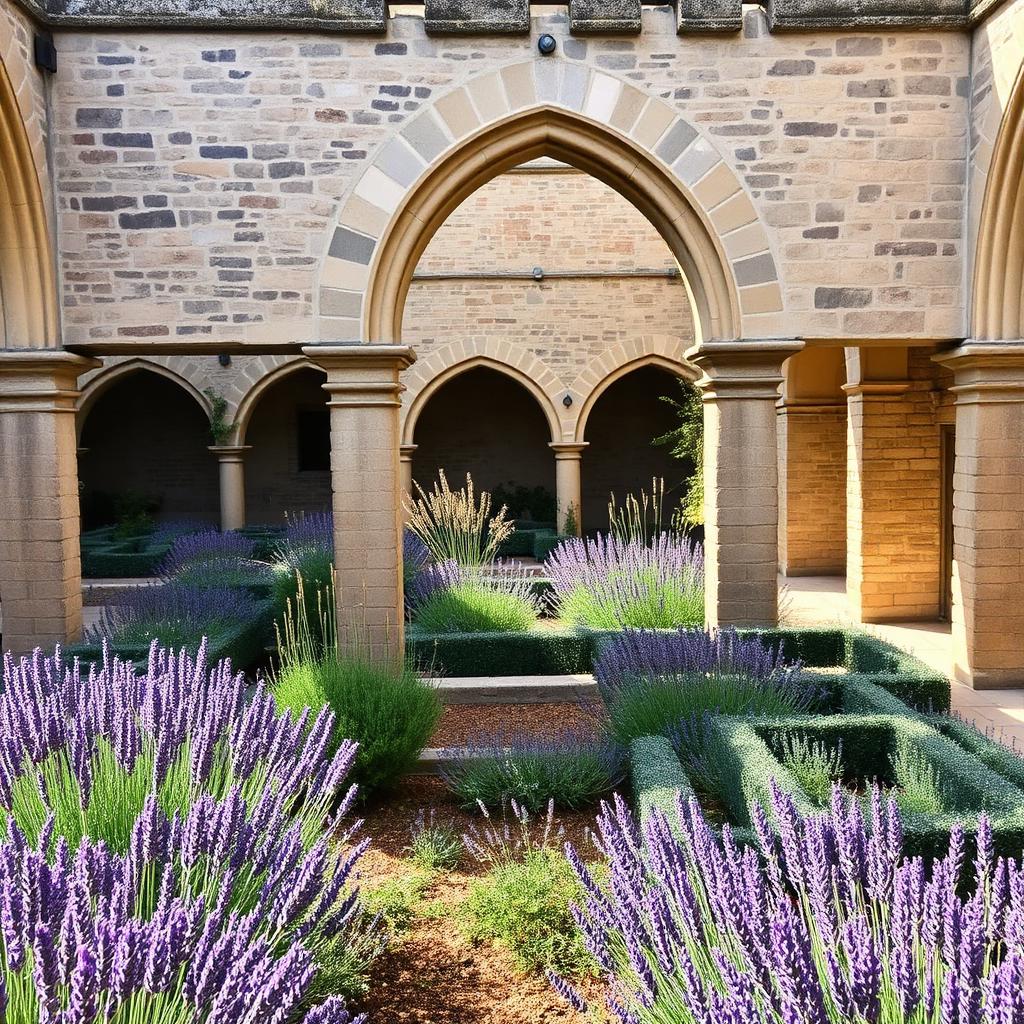
The healing gardens, herbals, and rule of life of Christian monastic communities.
- Shared needs: anxiety, physical illness
- Similar practices: praying
- Same region (Europe)