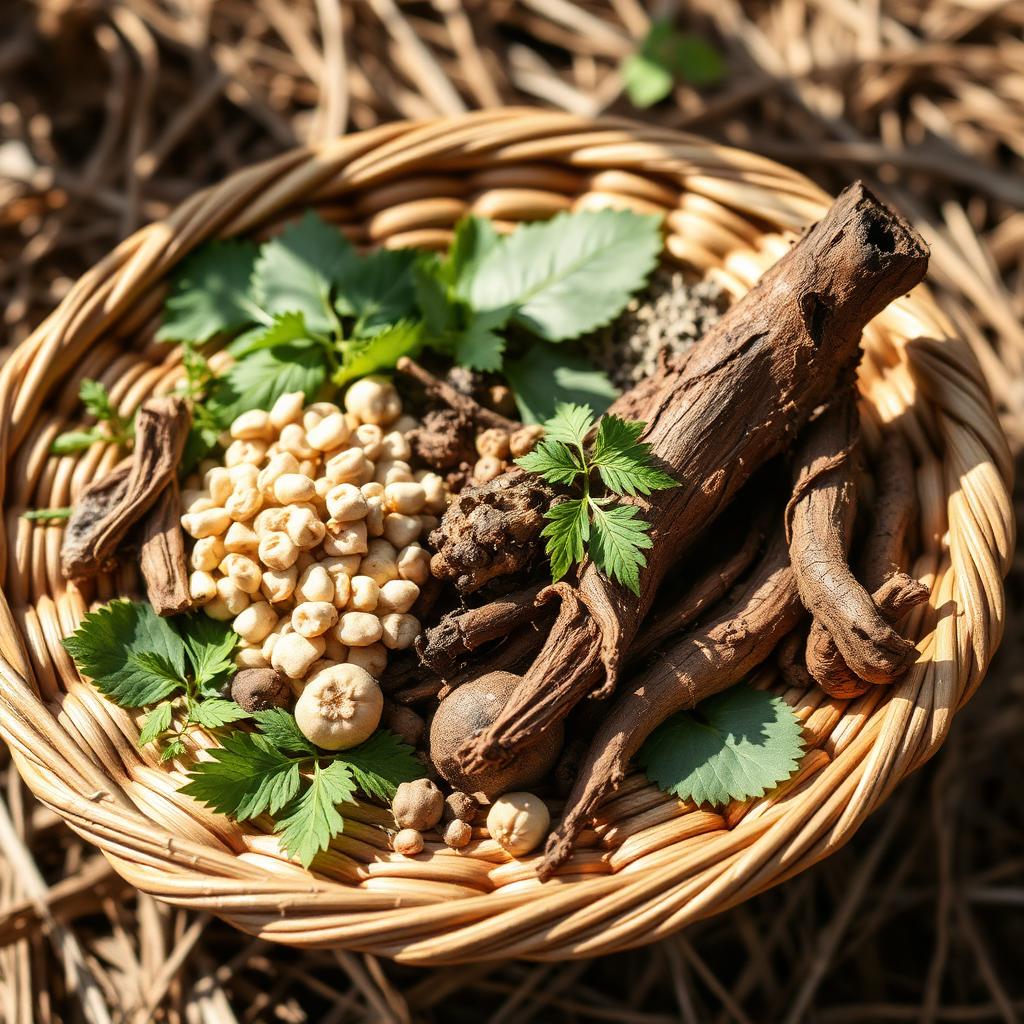
🌿African Herbal Medicine
The vast pharmacopeia of plants used across the African continent, many now studied by modern pharmacology.
Imagery evoking African Herbal Medicine, The vast pharmacopeia of plants used across the African continent, many now studied by modern pharmacology.
Symbolic imagery, generated with respect. No sacred ceremony or living person depicted.
African herbal medicine is not one tradition but hundreds, developed over millennia by peoples living intimately with the continent's extraordinary botanical diversity. Plants like African potato (Hypoxis), rooibos, buchu, moringa, kigelia, and devil's claw are used across regions for immunity, inflammation, skin, digestion, and rest. Many have been studied by modern pharmacology and have entered global commerce, sometimes without benefit to the source communities.
Lineage: Regional lineages of herbalists, midwives, and family knowledge-keepers.
Community healers, often donation or barter.
Estimates only. Many traditions offer sliding-scale, donation, or community access; sacred ceremonies are never for sale.
Distinguishing cultural belief, traditional practice, and evidence-supported effect where applicable.
Emotional
Slow ritual of preparing a decoction restores agency and rhythm.
Spiritual
Many preparations begin with prayer to the plant and to the ancestors.
Community
Recipes and identification are transmitted grandmother to grandchild.
Physical
Direct pharmacological action of well-studied plants.
Areas of possible support, not guarantees or medical claims.
- People wanting to reconnect with ancestral plant knowledge
- Those seeking gentle daily-life remedies alongside medical care
- Anyone drawn to seasonal, place-based medicine
- Decoctions, teas, and tinctures of specific plants
- Steaming (kufemba) with aromatic herbs
- Topical poultices and washes
- Ritual harvest with an offering of thanks
What to know before exploring
Mixed evidence
Some components have research support, while others rest on centuries of lived experience and cultural knowledge that has not been formally studied. Read outcomes as suggestive, not proven, and trust the tradition's own ways of knowing.
- Herbal preparations and dosing. Herbs, tinctures, teas, and topical preparations can be gentle and powerful at the same time. They may interact with prescription medications or affect blood pressure, the liver, kidneys, or allergies. Quality and sourcing matter, so work with a knowledgeable practitioner and share your medication list.
- Financial and spiritual exploitation risk. Sacred traditions can attract people who charge steep fees or claim exclusive spiritual authority. Trustworthy teachers welcome questions, encourage outside support, and never pressure you to pay for more than you can afford.
- Pregnancy, breastfeeding, and fertility treatment. Several herbs, essential oils, deep-tissue techniques, extreme temperatures, and intense breath or plant-medicine practices are not recommended during pregnancy, breastfeeding, or IVF cycles. Disclose your status and ask for a practitioner with prenatal training.
- Prescription medication interactions. Bring a full medication list to your practitioner and pharmacist. Some common combinations need extra care, such as SSRIs and MAOIs with ayahuasca or St. John's wort, blood thinners with garlic or ginkgo, and immunosuppressants with many herbs. Your care team can help you navigate this.
This information is shared as general education, not medical advice. The safest path is to share your full health story and current medications with both the practitioner and your regular healthcare provider before beginning something new.
What plants grew around my grandmother, and did she use them?
How might learning one local plant per season change my sense of place?
Where in my body does a slower rhythm want to enter?
Written in the spirit of this tradition, held as invitations, not instructions. Take what serves your reflection.
What in my body is asking for slower, older care than I have been giving it?
What plant, place, or memory has quietly kept me alive?
Which elder in my family or community carried medicine I never got to learn?
Engaging with respect
Beware biopiracy. Buy from suppliers who source fairly from origin communities, and be careful about strong preparations. Herbs interact with medication.
Traditions that share needs, practices, or cultural context with this one. Explore with respect for each lineage's origins.
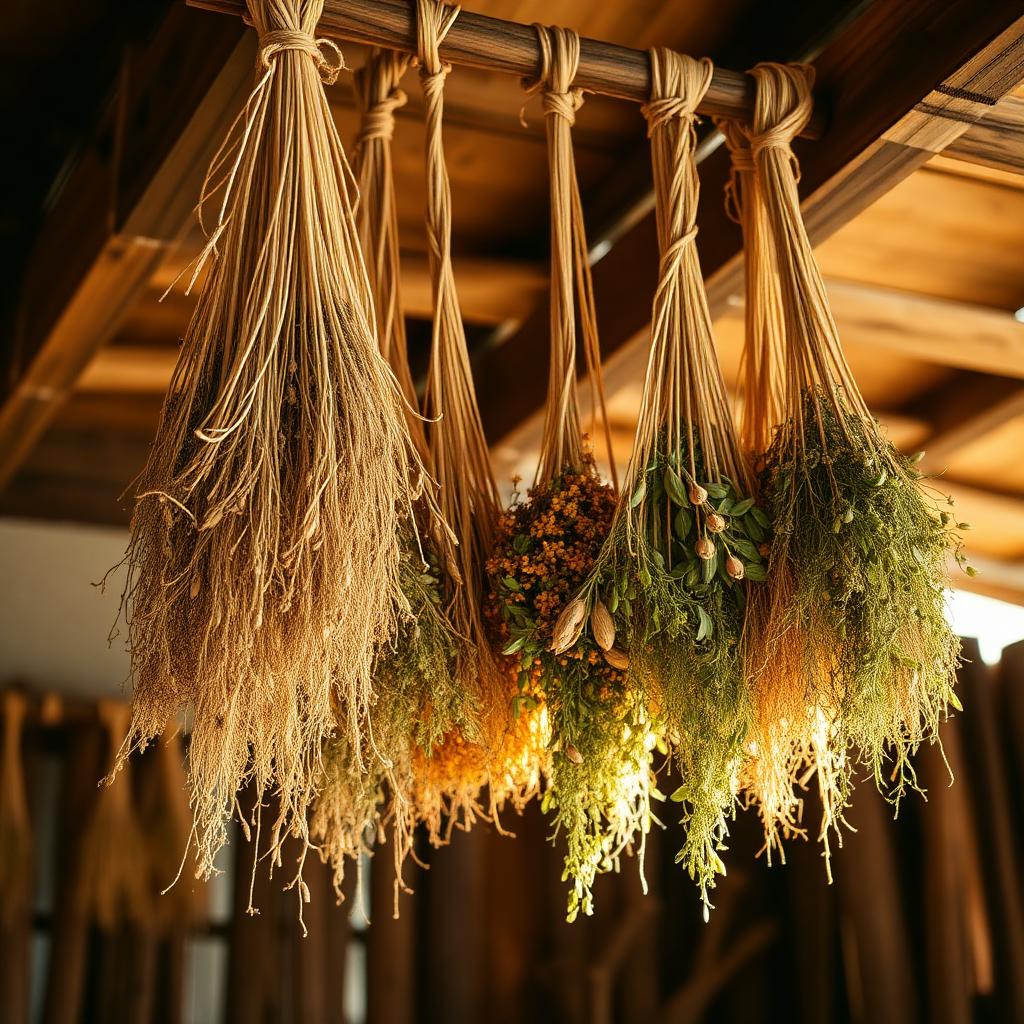
The plant-focused Southern African healer working with muthi, roots, bark, and bushland pharmacopeia.
- Curated companion
- Shared needs: physical health, skin, immunity
- Similar practices: decoctions, washes, steaming, aromatic
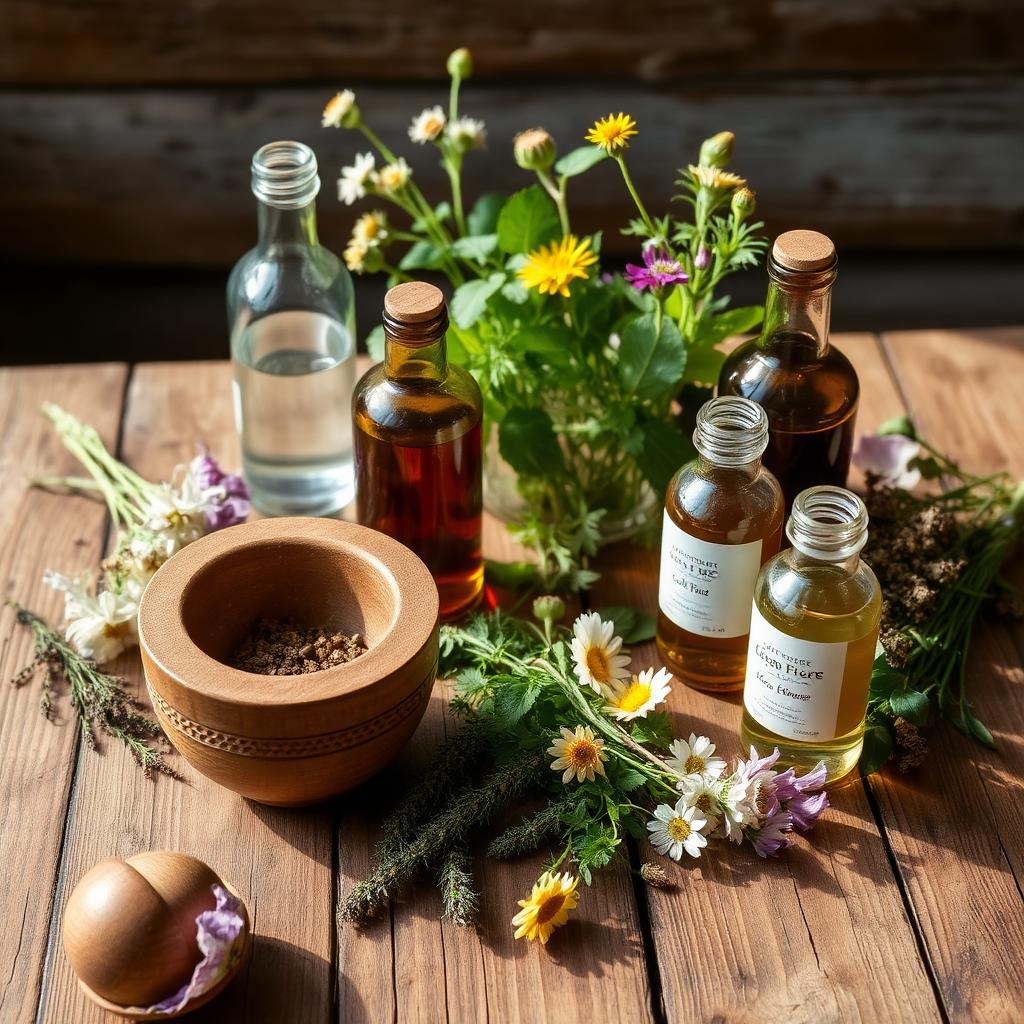
The village-level plant medicine of Europe, passed grandmother to grandchild.
- Curated companion
- Shared needs: rest, immunity, skin
- Same tradition type
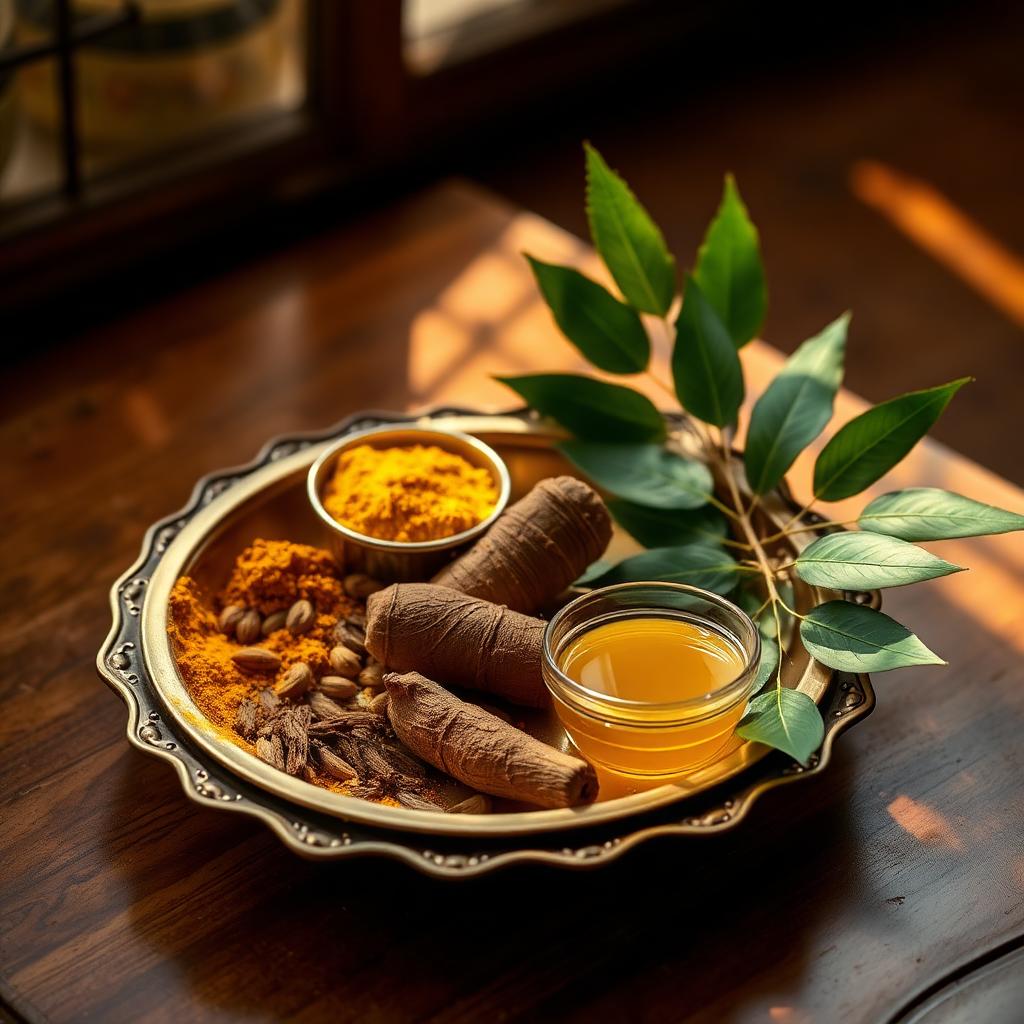
The 5,000-year-old 'science of life' from India, dosha, rhythm, and elemental balance.
- Curated companion
- Shared needs: digestion, skin, immunity
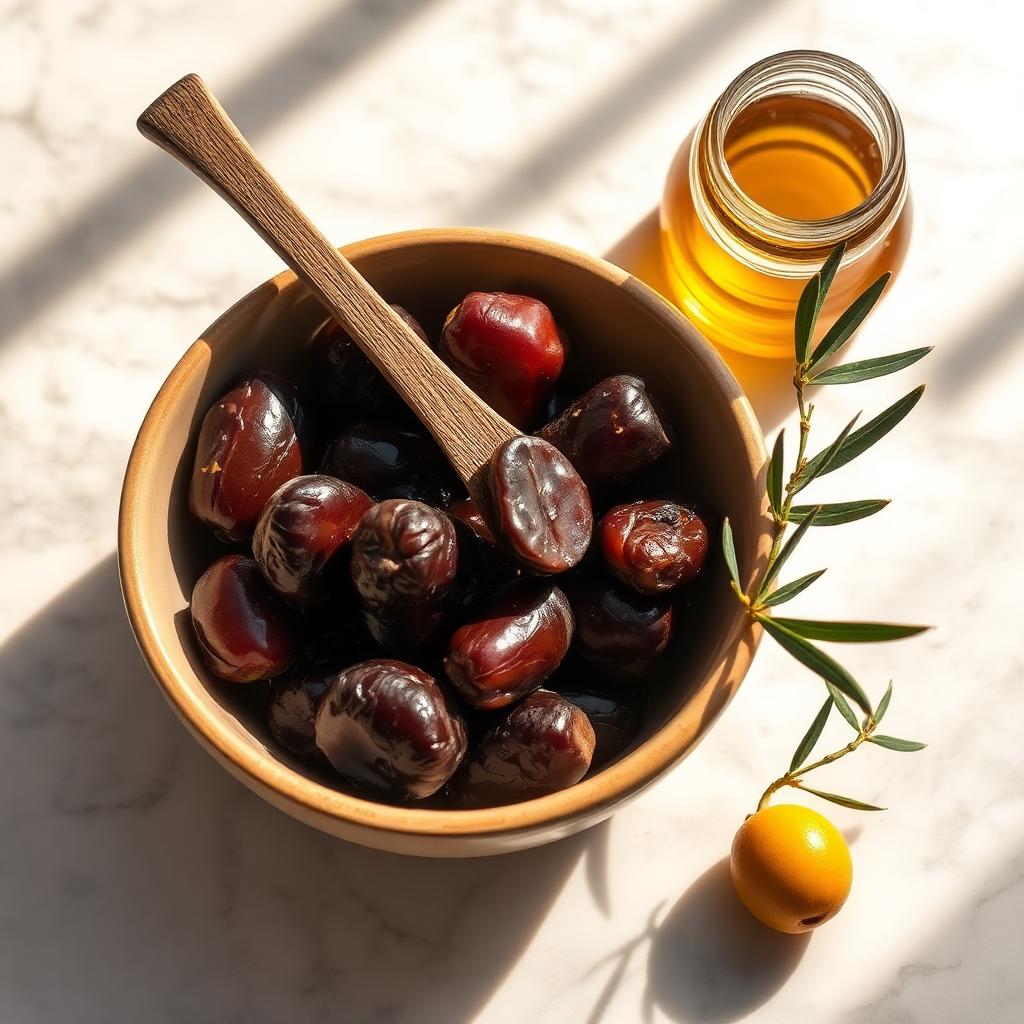
Health guidance drawn from the sayings and practice of the Prophet Muhammad ﷺ.
- Shared needs: physical health, immunity, digestion
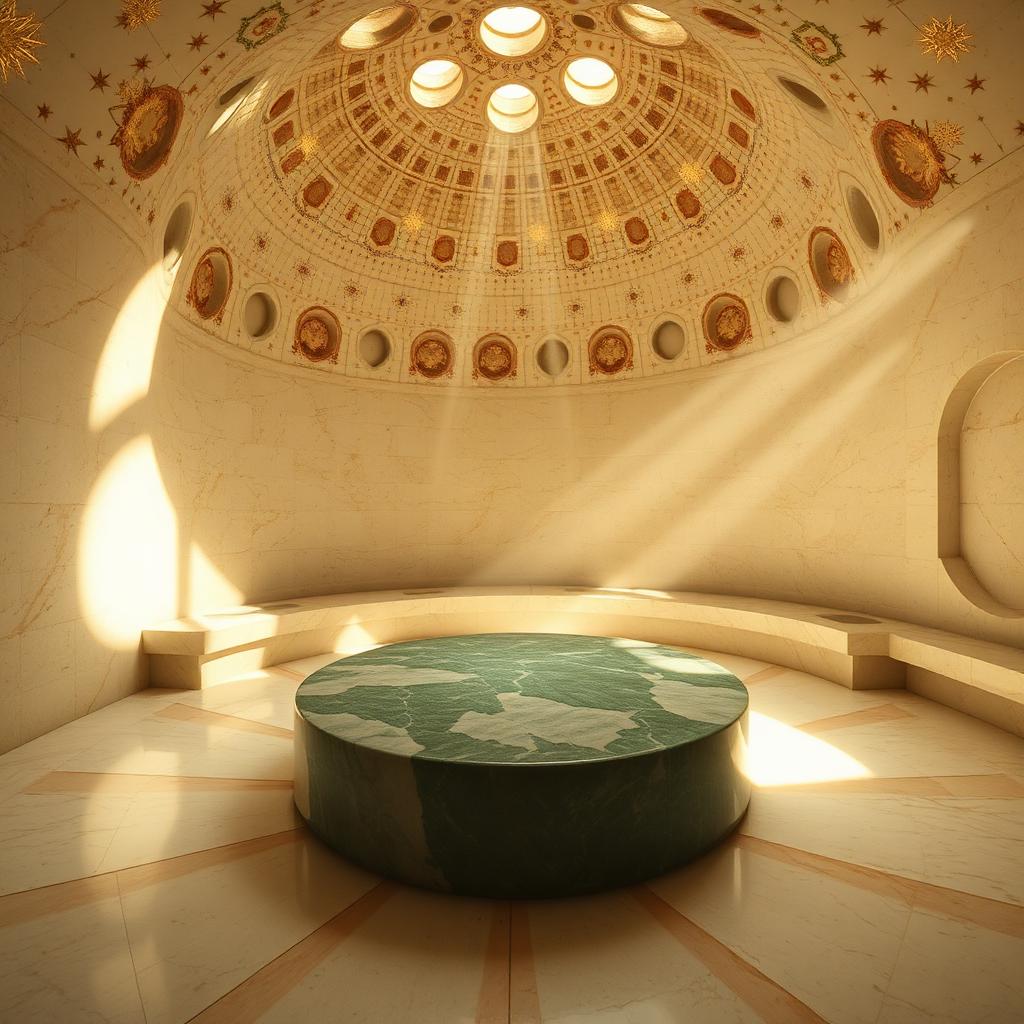
The steam and cleansing bath tradition, a communal ritual of touch, water, and rest.
- Shared needs: skin, rest
- Similar practices: ritual
- Same tradition type
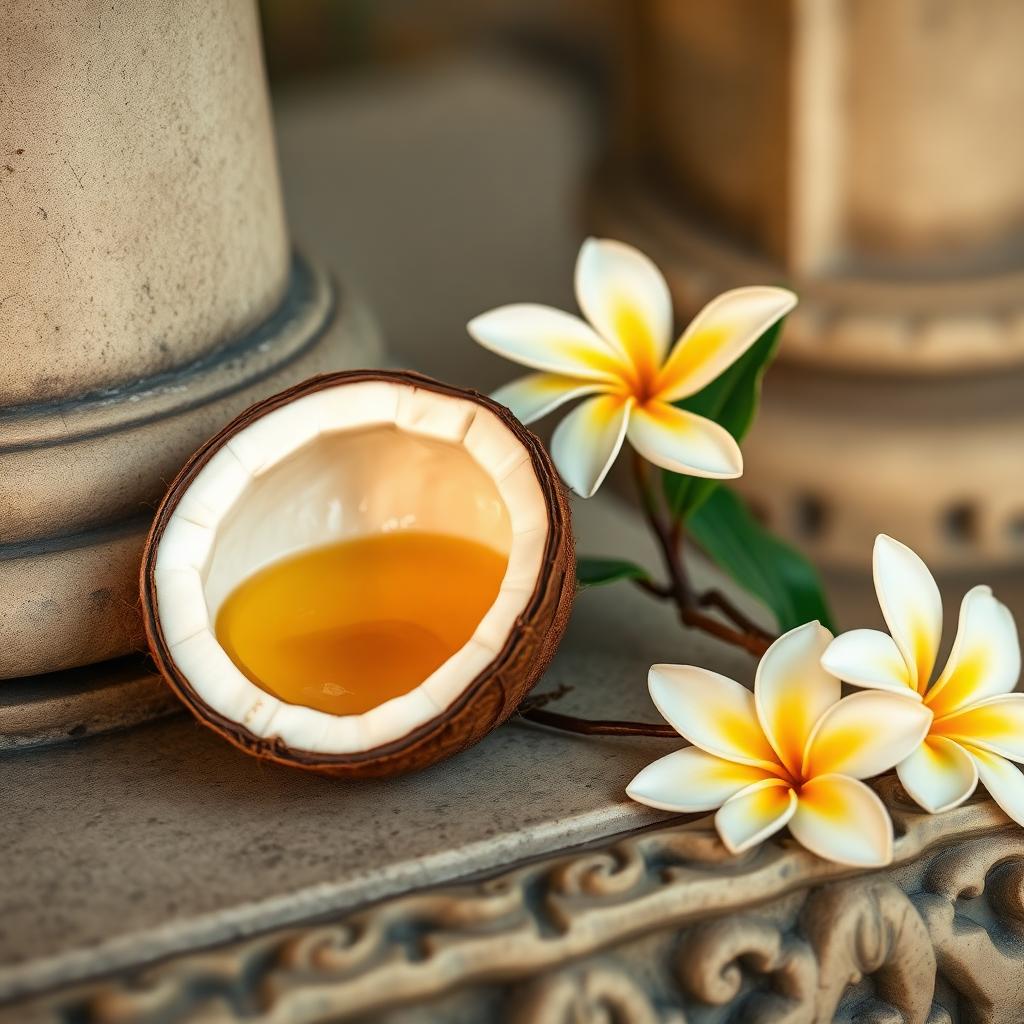
Sri Lanka's Indigenous branch of Ayurveda, its own herbs, oils, and ola-leaf lineage.
- Shared needs: skin, digestion
- Similar practices: teas, plants