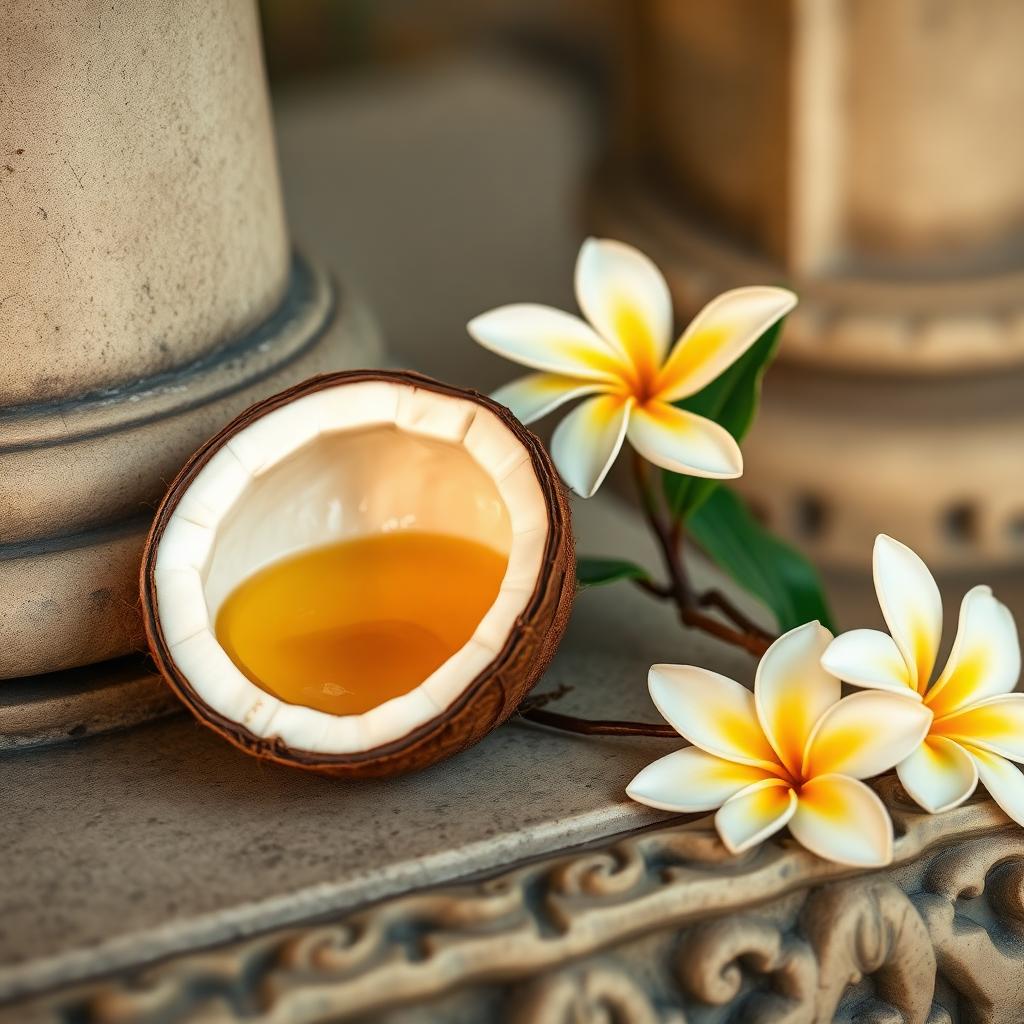
🌱Sinhalese Ayurveda (Deshiya Chikitsa)
Sri Lanka's Indigenous branch of Ayurveda, its own herbs, oils, and ola-leaf lineage.
Sri Lanka's Deshiya Chikitsa is a distinct branch of Ayurveda, developed on the island over 3,000 years with its own herbs, oil preparations, and Ola-leaf (palm-leaf) manuscripts. It has its own pharmacy including plants unique to Sri Lanka (belimal, iramusu). Formally recognized alongside biomedicine; state Ayurvedic hospitals treat millions annually.
Lineage: Sinhala vedamahattaya lineages; Ola-leaf manuscript tradition.
Cost depends on practitioner, region, and format.
Estimates only. Many traditions offer sliding-scale, donation, or community access; sacred ceremonies are never for sale.
Distinguishing cultural belief, traditional practice, and evidence-supported effect where applicable.
Emotional
Rhythms of oiling, bathing, and feeding restore the felt sense of being cared for.
Psychological
Constitutional framework individualizes care, reducing self-blame for chronic conditions.
Spiritual
Rooted in Buddhist-Ayurvedic understanding of interdependence.
Community
State hospitals and family remedies coexist; wide public trust.
Physical
Distinct pharmacy of island-endemic plants; well-developed panchakarma.
Nervous system
Herbal oils, steam, and shirodhara down-regulate a chronically aroused nervous system.
Areas of possible support, not guarantees or medical claims.
- People of Sri Lankan descent
- Anyone with chronic skin, digestive, or postpartum concerns
- Those seeking panchakarma with strong clinical infrastructure
- Consulting a Sri Lankan Ayurvedic doctor
- Panchakarma at a state or well-known clinic
- Daily practices from Deshiya Chikitsa dinacharya
- Herbal teas from island-endemic plants
What to know before exploring
Mixed evidence
Some components have research support, while others rest on centuries of lived experience and cultural knowledge that has not been formally studied. Read outcomes as suggestive, not proven, and trust the tradition's own ways of knowing.
- Herbal preparations and dosing. Herbs, tinctures, teas, and topical preparations can be gentle and powerful at the same time. They may interact with prescription medications or affect blood pressure, the liver, kidneys, or allergies. Quality and sourcing matter, so work with a knowledgeable practitioner and share your medication list.
- Fasting or restrictive diet. Fasts, cleanses, and prescribed diets can be meaningful, but they can also cause dizziness, low blood sugar, or electrolyte imbalance. They are best approached with care if you are pregnant, have diabetes, an eating-disorder history, or take medications that require food.
- Financial and spiritual exploitation risk. Sacred traditions can attract people who charge steep fees or claim exclusive spiritual authority. Trustworthy teachers welcome questions, encourage outside support, and never pressure you to pay for more than you can afford.
- Cultural appropriation and closed practices. Some elements are closed to outsiders or reserved for initiated practitioners. Participating without invitation, or teaching without lineage, can harm living communities and weaken the practice itself. Approach as a respectful learner, not a consumer.
- Pregnancy, breastfeeding, and fertility treatment. Several herbs, essential oils, deep-tissue techniques, extreme temperatures, and intense breath or plant-medicine practices are not recommended during pregnancy, breastfeeding, or IVF cycles. Disclose your status and ask for a practitioner with prenatal training.
- Prescription medication interactions. Bring a full medication list to your practitioner and pharmacist. Some common combinations need extra care, such as SSRIs and MAOIs with ayahuasca or St. John's wort, blood thinners with garlic or ginkgo, and immunosuppressants with many herbs. Your care team can help you navigate this.
This information is shared as general education, not medical advice. The safest path is to share your full health story and current medications with both the practitioner and your regular healthcare provider before beginning something new.
What did my Sri Lankan grandparents drink each morning?
Which of my body's rhythms most wants adjustment?
Which of the island's plants have I never met but might be my medicine?
Traditions that share needs, practices, or cultural context with this one. Explore with respect for each lineage's origins.
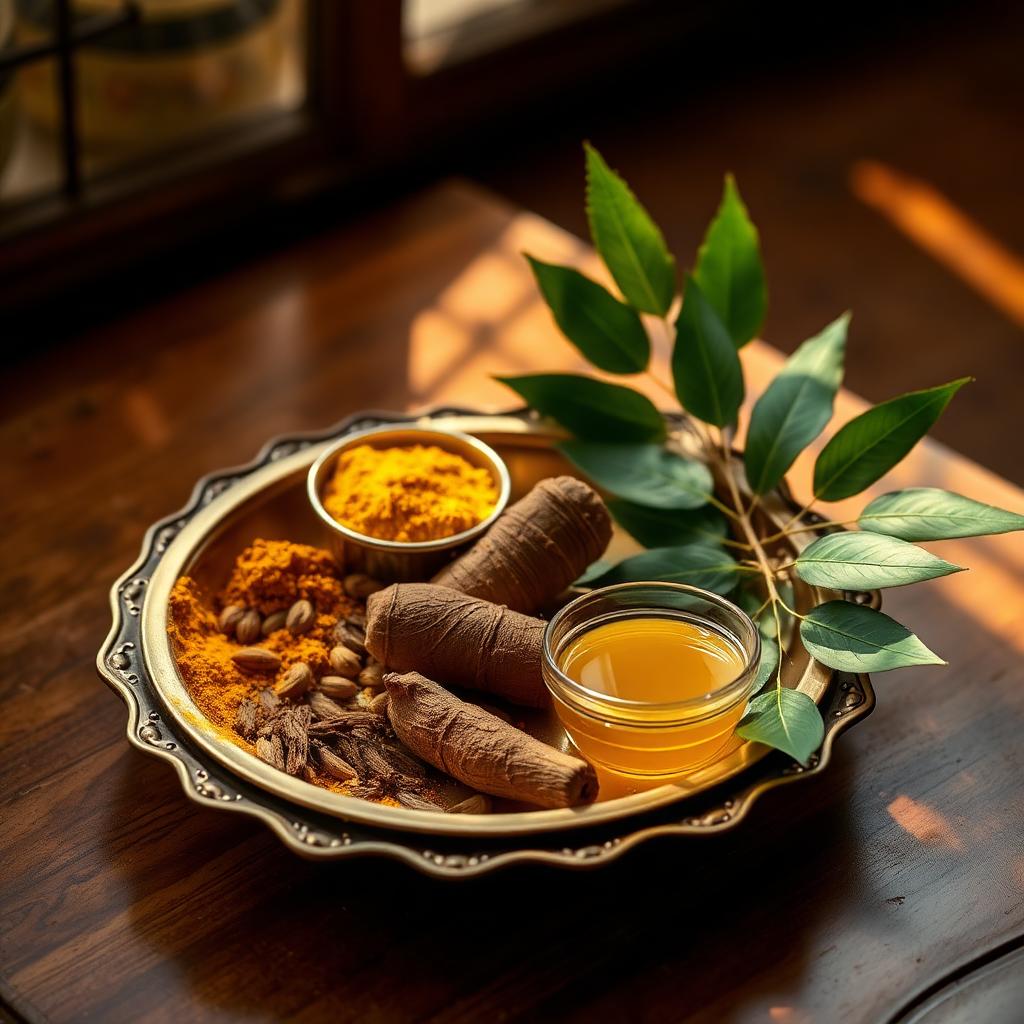
The 5,000-year-old 'science of life' from India, dosha, rhythm, and elemental balance.
- Curated companion
- Shared needs: digestion, skin
- Similar practices: daily, panchakarma
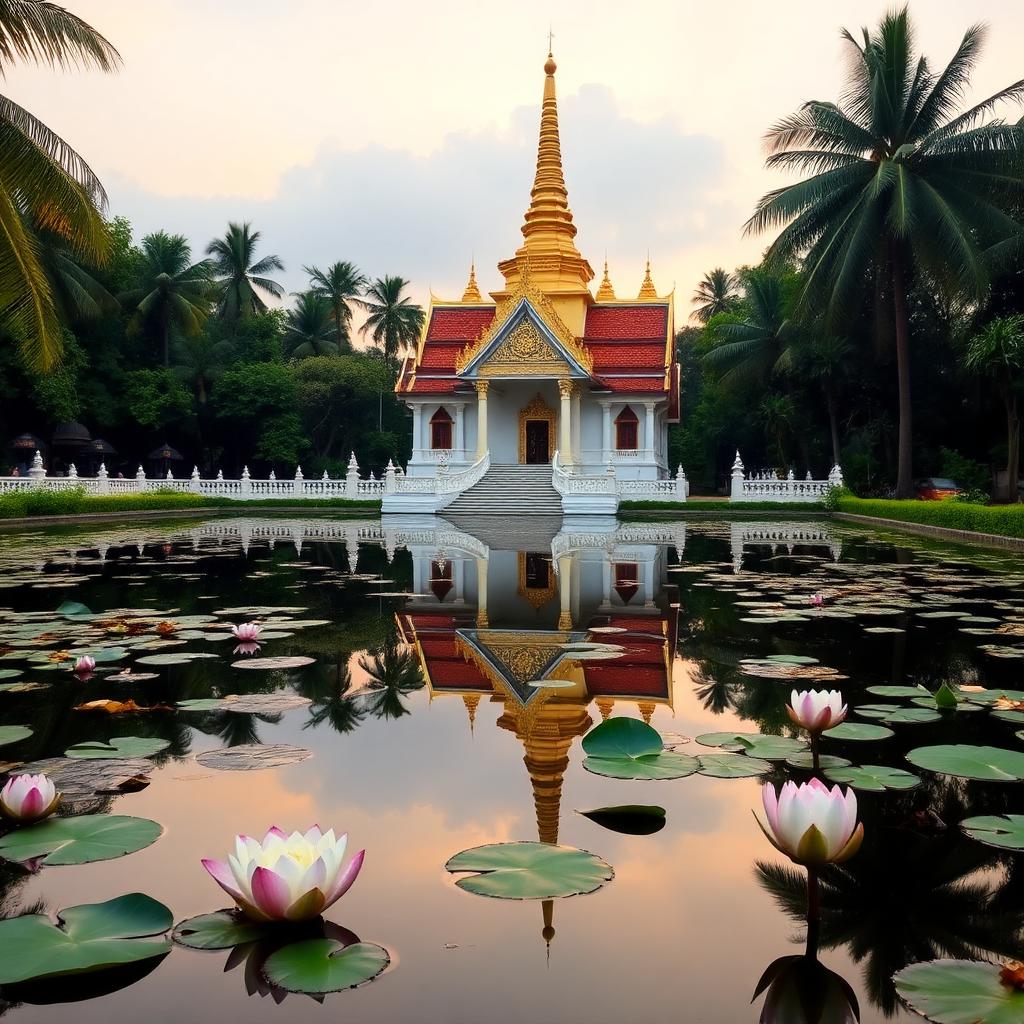
Thai massage (Nuad Boran) and Buddhist folk medicine of Southeast Asia.
- Curated companion
- Shared needs: postpartum recovery
- Similar practices: herbal
The eight-limbed path from India, posture, breath, ethics, and meditation as one whole.
- Curated companion
- Similar practices: daily
- Same region (Asia)
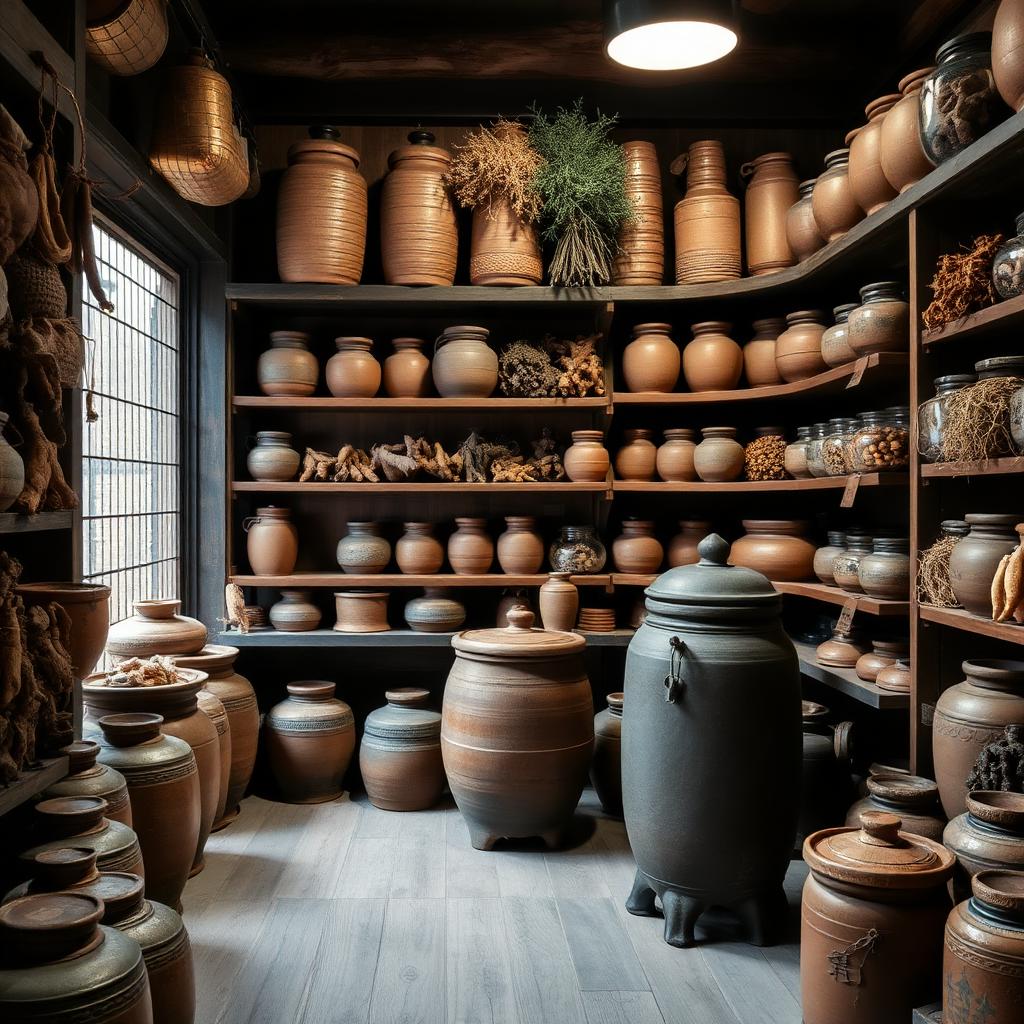
Korea's traditional medical system, a distinct sibling of TCM with its own theory and pharmacy.
- Shared needs: chronic conditions, digestion
- Similar practices: consulting, doctor, herbal
- Same region (Asia)
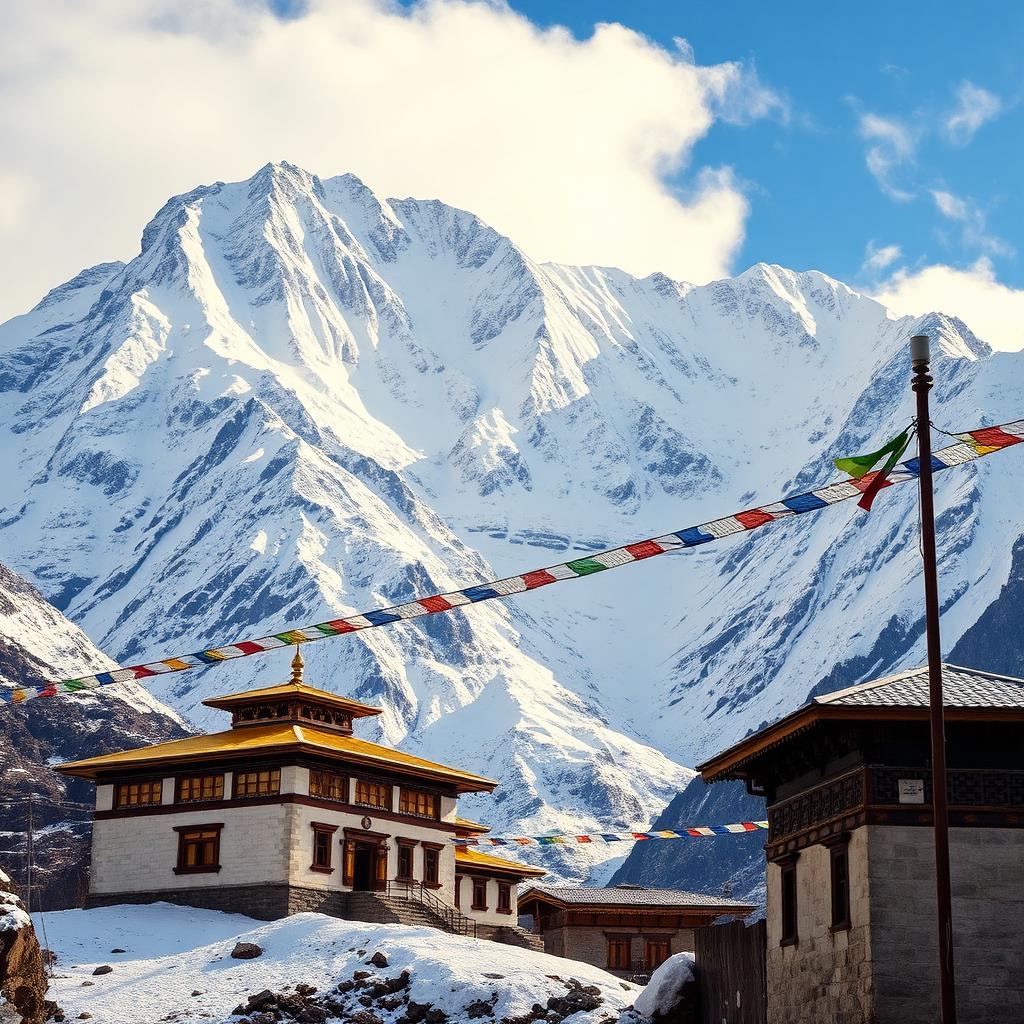
The 'Science of Healing', Tibet's medical system woven with Buddhist psychology.
- Shared needs: chronic conditions, digestion
- Similar practices: consulting, herbal
- Same region (Asia)
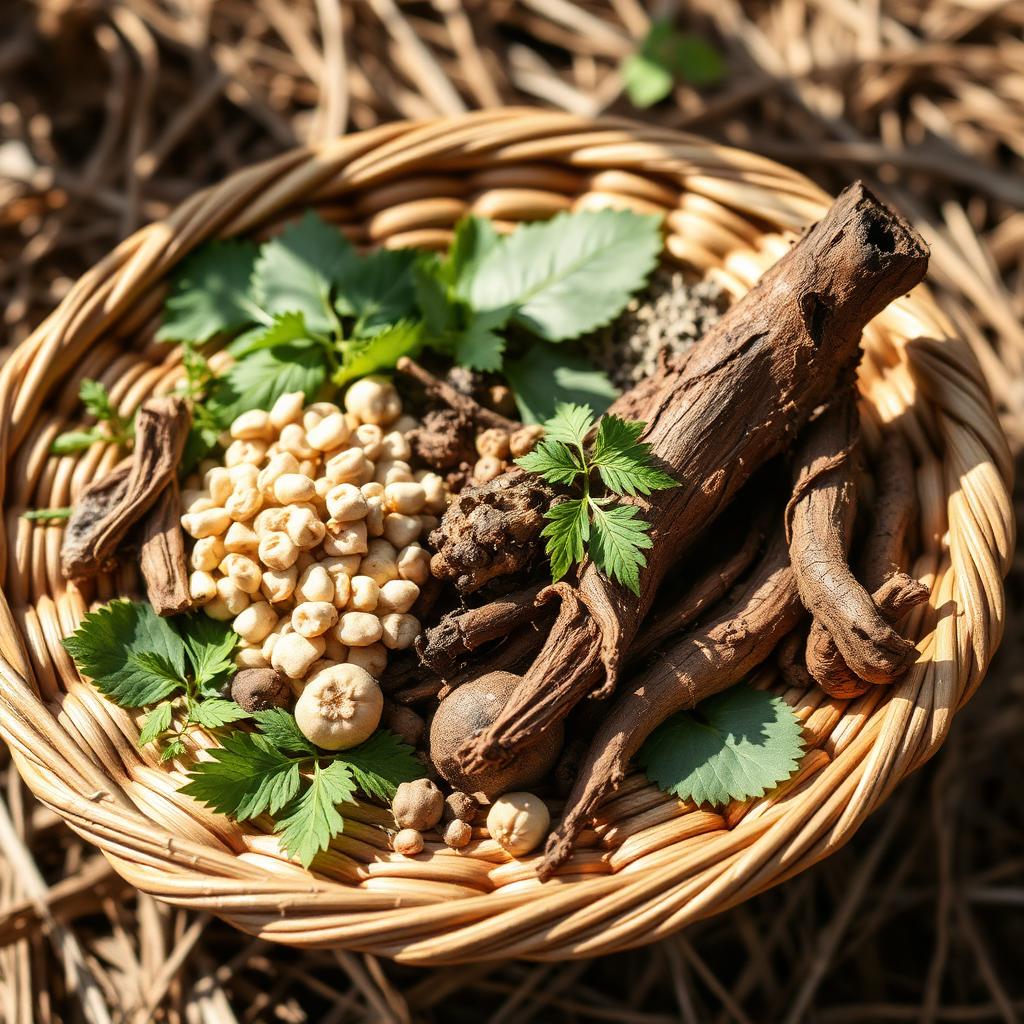
The vast pharmacopeia of plants used across the African continent, many now studied by modern pharmacology.
- Shared needs: skin, digestion
- Similar practices: teas, plants