👐Filipino Hilot
Traditional Filipino massage and bone-setting, working with tension, wind, and energy.
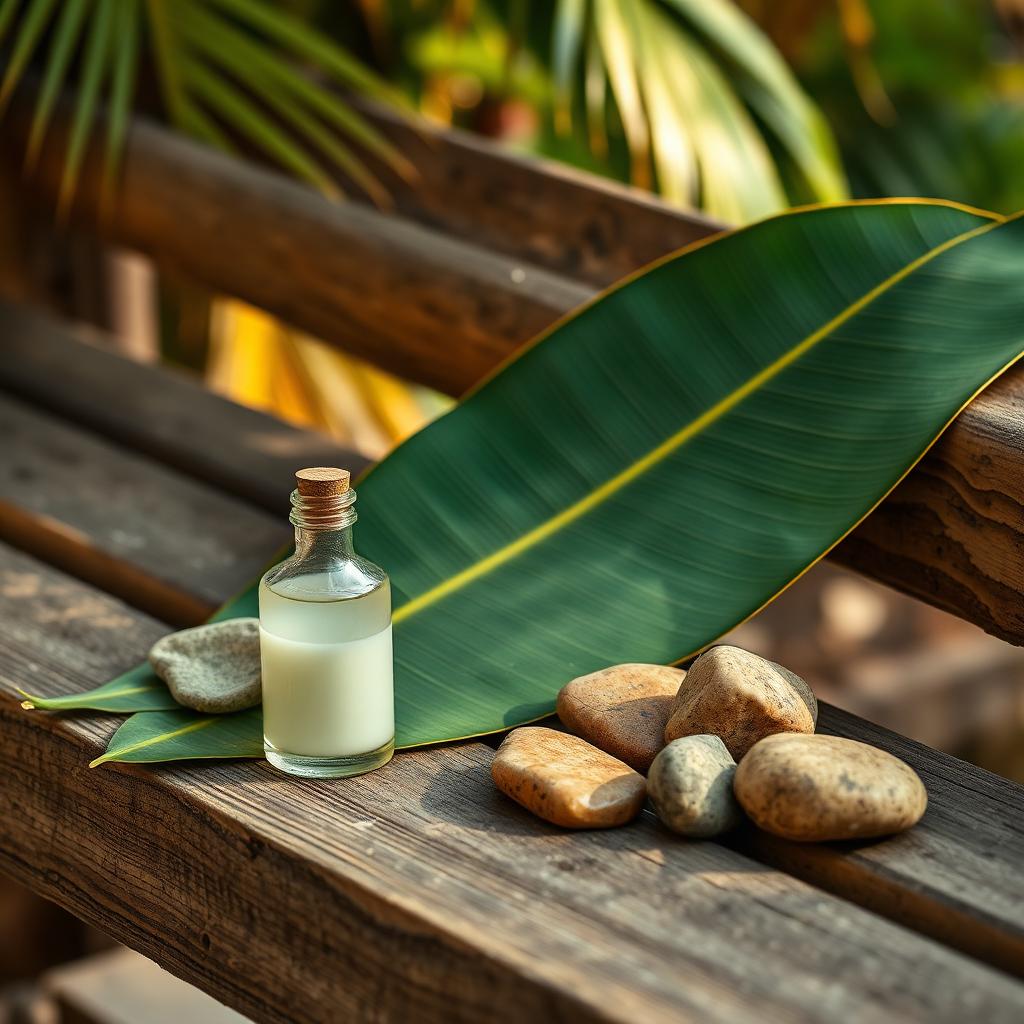
Hilot is traditional Filipino massage and manipulative therapy, working with the body's tension (lamig, 'cold') and wind (hangin) through pressure, oil (usually coconut with ginger or lemongrass), and often prayer. Manghihilot practitioners also set bones and are called during pregnancy and postpartum. The Philippines' Department of Health formally recognizes hilot.
Lineage: Village and family lineages of manghihilot; tied to babaylan spiritual heritage.
Cost depends on practitioner, region, and format.
Estimates only. Many traditions offer sliding-scale, donation, or community access; sacred ceremonies are never for sale.
Distinguishing cultural belief, traditional practice, and evidence-supported effect where applicable.
Emotional
Being touched by a healer who prays over you shifts the felt sense of care.
Psychological
Naming symptoms as lamig or hangin gives a shared cross-generational story.
Spiritual
Often accompanied by prayer; ties to older babaylan heritage.
Community
Family-centered care; the manghihilot is called into the home.
Physical
Documented benefit for musculoskeletal complaints, postpartum recovery, and colic.
Nervous system
Warm oil, slow pressure, and rhythmic strokes down-regulate arousal.
Areas of possible support, not guarantees or medical claims.
- Filipino diaspora families keeping tradition alive
- Postpartum families wanting traditional binding and belly massage
- Parents whose infants have colic or fright (usog)
- Regular hilot sessions
- Postpartum belly binding and abdominal massage
- Ginger-and-coconut-oil rubs at home
- Working with a manghihilot alongside medical care
What to know before exploring
Traditional practice
This is a living tradition carried through lineage and community. Its value is documented through generations of practitioners rather than clinical trials. Absence of Western studies is not absence of wisdom.
- Herbal preparations and dosing. Herbs, tinctures, teas, and topical preparations can be gentle and powerful at the same time. They may interact with prescription medications or affect blood pressure, the liver, kidneys, or allergies. Quality and sourcing matter, so work with a knowledgeable practitioner and share your medication list.
- Deep or invasive bodywork. Needles, cupping, moxibustion, deep tissue pressure, spinal manipulation, and abdominal work can leave marks or cause discomfort if done without care. Choose practitioners with clear training and clean, single-use or properly sterilized tools.
- Pregnancy, breastfeeding, and fertility treatment. Several herbs, essential oils, deep-tissue techniques, extreme temperatures, and intense breath or plant-medicine practices are not recommended during pregnancy, breastfeeding, or IVF cycles. Disclose your status and ask for a practitioner with prenatal training.
This information is shared as general education, not medical advice. The safest path is to share your full health story and current medications with both the practitioner and your regular healthcare provider before beginning something new.
What did my grandmother do when I had a fever as a child?
How does being touched by a healer feel different from being touched by a stranger?
Which of my elders' remedies deserve to be written down before they are lost?
Traditions that share needs, practices, or cultural context with this one. Explore with respect for each lineage's origins.

Thai massage (Nuad Boran) and Buddhist folk medicine of Southeast Asia.
- Curated companion
- Shared needs: muscle tension, postpartum recovery
- Similar practices: regular, sessions
The pre-colonial Filipino shaman-priestess, healer of body, spirit, and community.
- Curated companion
- Similar practices: working, manghihilot
- Same region (Asia)
The mountain and desert medicine of the Amazigh peoples of North Africa.
- Curated companion
- Shared needs: postpartum recovery
'Southern medicine', the Vietnamese herbal, dietary, and cupping tradition alongside TCM.
- Shared needs: digestive complaints, postpartum recovery, wind illness
- Similar practices: care, home
- Same region (Asia)
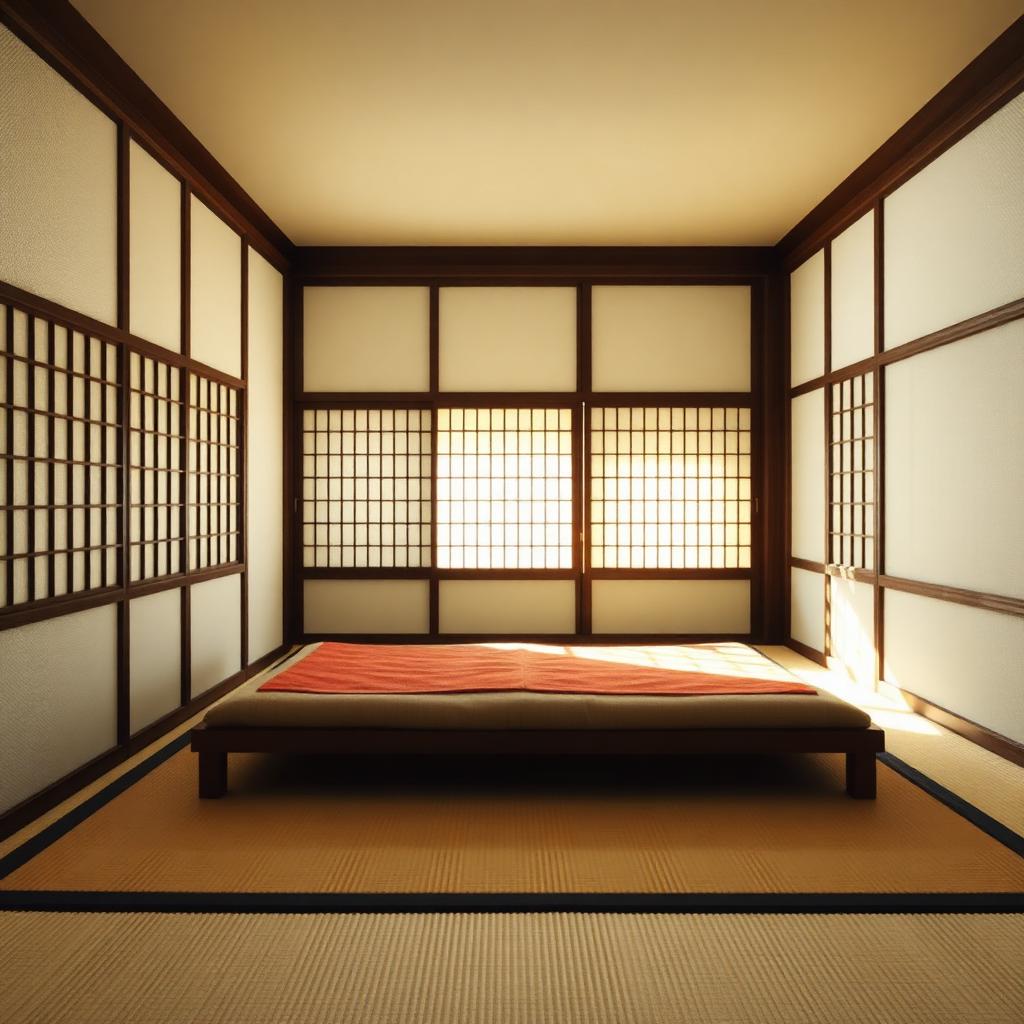
Japanese finger-pressure bodywork along the meridians of Traditional Chinese Medicine.
- Shared needs: muscle tension
- Similar practices: regular, sessions
- Same region (Asia)
Community-rooted birth traditions holding mother, baby, and family across the whole passage.
- Shared needs: postpartum recovery
- Similar practices: belly, massage, postpartum