🌺Babaylan Traditions
The pre-colonial Filipino shaman-priestess, healer of body, spirit, and community.
The babaylan were the pre-colonial Filipino spiritual leaders, most of them women or feminized men (asog/bayog), who served as healers, midwives, and mediators with the spirit world. Colonization violently suppressed the tradition, but scholars like Grace Nono, Leny Strobel, and Fe Mangahas have led a decades-long recovery. Filipino Americans and Filipinos in the diaspora are increasingly reclaiming babaylan heritage.
Lineage: Pre-colonial babaylan lineages; contemporary recovery led by Grace Nono, Leny Strobel, Fe Mangahas, the Center for Babaylan Studies.
Cost depends on practitioner, region, and format.
Estimates only. Many traditions offer sliding-scale, donation, or community access; sacred ceremonies are never for sale.
Distinguishing cultural belief, traditional practice, and evidence-supported effect where applicable.
Emotional
Naming what was pathologized as a call rather than an illness releases inherited shame.
Psychological
Reframes intuitive and gender-nonconforming traits as ancestral gifts.
Spiritual
Restores a suppressed feminine and gender-nonconforming healing lineage.
Community
Diaspora circles hold the recovery collectively, not individually.
Physical
Reconnects with manghihilot bodywork and Indigenous plant medicine.
Nervous system
Chant, song, and drum in reclaimed ceremony regulate through rhythm.
Areas of possible support, not guarantees or medical claims.
- Filipino diaspora seekers reconnecting with pre-colonial spirituality
- Queer and gender-nonconforming Filipinos whose gifts were pathologized
- Anyone in a suppressed lineage watching how a tradition is recovered
- Studying with Grace Nono, the Center for Babaylan Studies, or similar
- Ancestor altars (with prayers to specific lolas and lolos)
- Working with a manghihilot who honors the lineage
- Learning chant, song, and language of specific ethnolinguistic groups
What to know before exploring
Traditional practice
This is a living tradition carried through lineage and community. Its value is documented through generations of practitioners rather than clinical trials. Absence of Western studies is not absence of wisdom.
- Herbal preparations and dosing. Herbs, tinctures, teas, and topical preparations can be gentle and powerful at the same time. They may interact with prescription medications or affect blood pressure, the liver, kidneys, or allergies. Quality and sourcing matter, so work with a knowledgeable practitioner and share your medication list.
- Trance, possession, and altered states. Drumming, dance, and possession-based ceremonies can open non-ordinary states that feel profound but may be destabilizing for people with a personal or family history of psychosis, bipolar, dissociation, or acute trauma. Go slowly and honestly, with trustworthy support.
- Financial and spiritual exploitation risk. Sacred traditions can attract people who charge steep fees or claim exclusive spiritual authority. Trustworthy teachers welcome questions, encourage outside support, and never pressure you to pay for more than you can afford.
- Cultural appropriation and closed practices. Some elements are closed to outsiders or reserved for initiated practitioners. Participating without invitation, or teaching without lineage, can harm living communities and weaken the practice itself. Approach as a respectful learner, not a consumer.
- Psychosis, bipolar I, or dissociative history (extra pause recommended). If you or a close family member has a history of psychosis, schizophrenia, bipolar I, dissociative disorders, or are in an acute mental health episode, please be extra gentle. Psychedelic, trance, and intense inner-work practices are best avoided unless you are working closely with a psychiatrist who understands this territory.
- Active PTSD or unprocessed severe trauma. Immersive, ceremonial, and altered-state work can surface traumatic memories without warning. If you are living with active PTSD, build a relationship with a trauma-informed licensed clinician first, and choose practitioners trained to hold trauma responses gently.
This information is shared as general education, not medical advice. The safest path is to share your full health story and current medications with both the practitioner and your regular healthcare provider before beginning something new.
What in me was called witch when my ancestors would have called it babaylan?
Which of my elders would have been a babaylan in another century?
How do I hold a lineage that was almost erased?
Engaging with respect
This is a living recovery; support Filipino-led scholarship and centers.
Traditions that share needs, practices, or cultural context with this one. Explore with respect for each lineage's origins.
The Indigenous drum-song, joik, and healing of the Sámi people of Sápmi (Arctic Europe).
- Curated companion
- Shared needs: ancestral healing, grief
- Similar practices: learning
Traditional Filipino massage and bone-setting, working with tension, wind, and energy.
- Curated companion
- Similar practices: working, manghihilot
- Same region (Asia)
Southern African traditional healers who work with ancestors, bones, and herbal medicine.
- Curated companion
- Similar practices: ancestor, specific
- Same tradition type
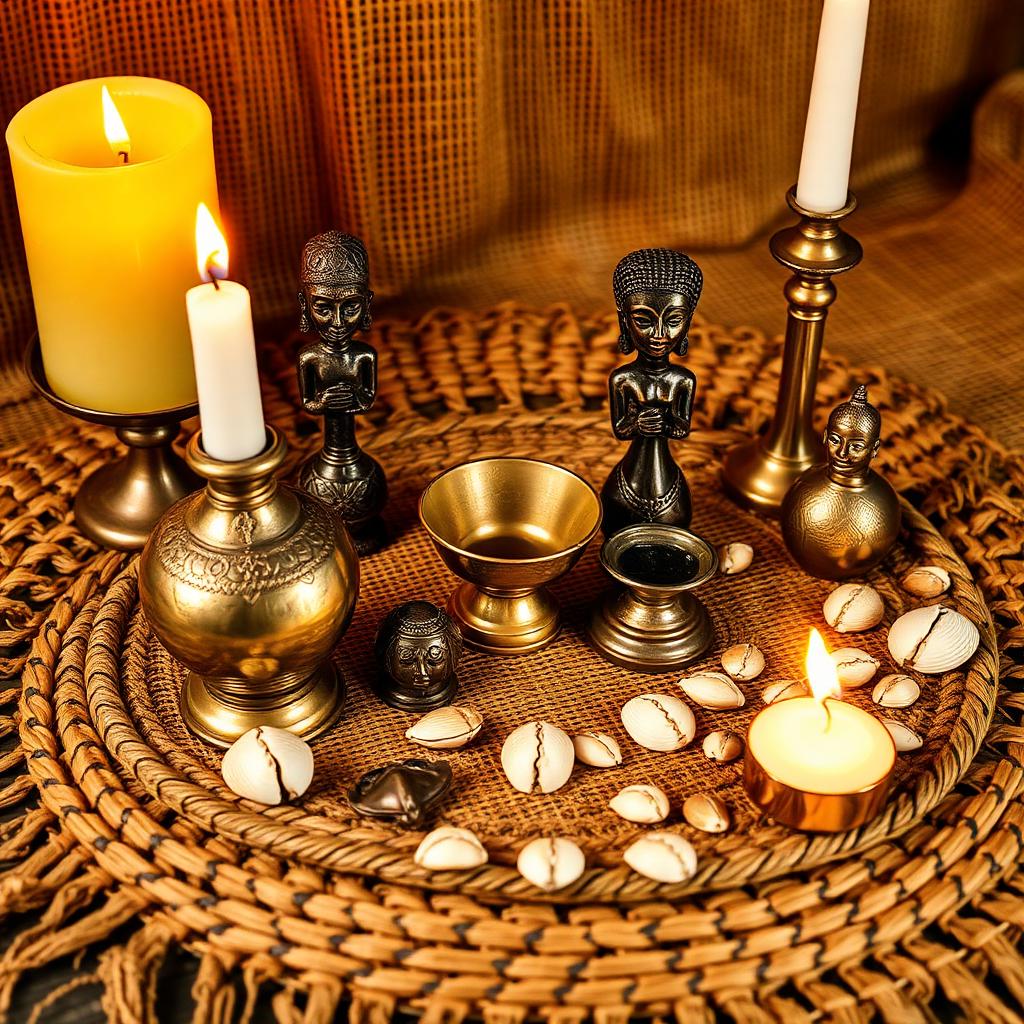
The Vodun heritage of the Kingdom of Benin, ancestors, spirits, and divination.
- Shared needs: ancestral healing, grief
- Similar practices: ancestor, altars, specific, lineage
- Same tradition type
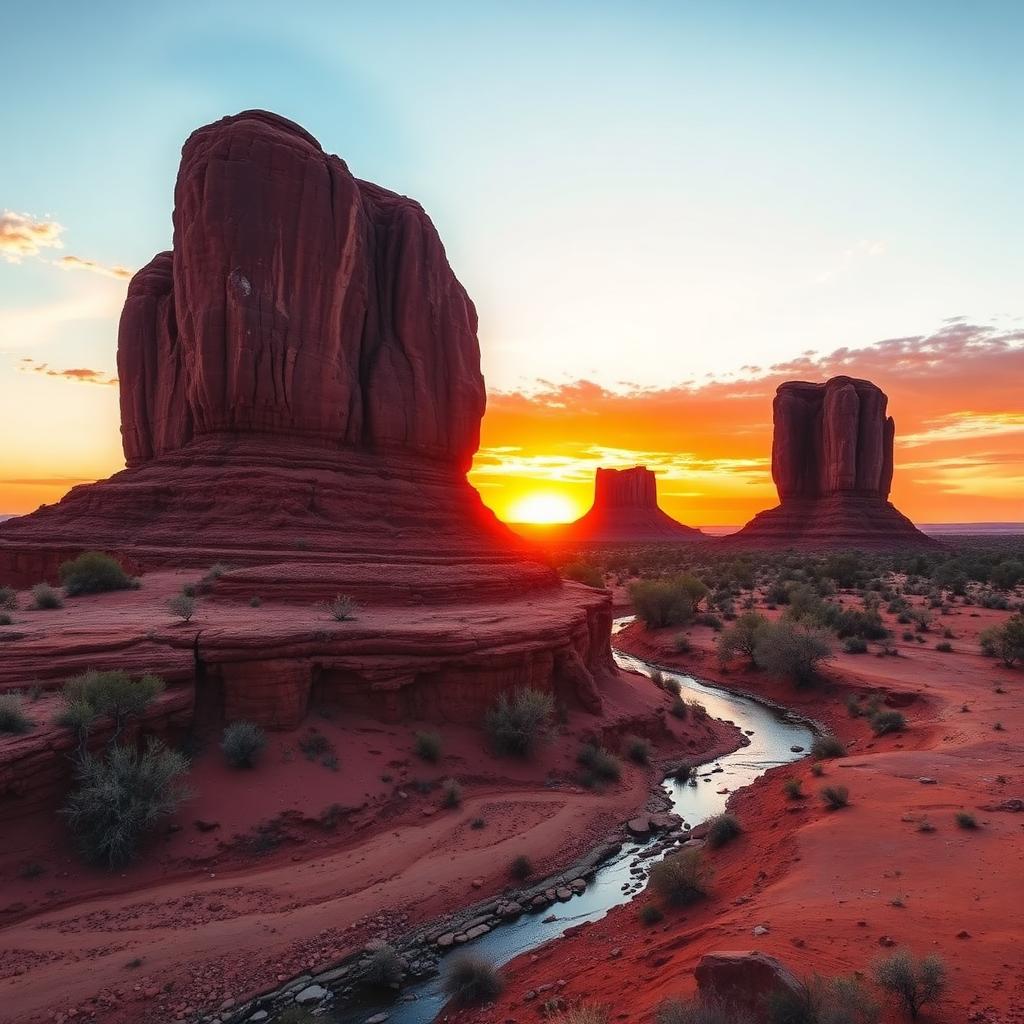
The living cosmology of Aboriginal Australia, Country, ancestors, and songlines held for 60,000+ years.
- Shared needs: grief, ancestral healing, cultural belonging
- Similar practices: learning
- Same tradition type
The Hmong ceremony of soul-calling, spirit journey, and lineage held across Southeast Asia.
- Shared needs: ancestral healing, diaspora identity
- Similar practices: learning, ancestor
- Same region (Asia)