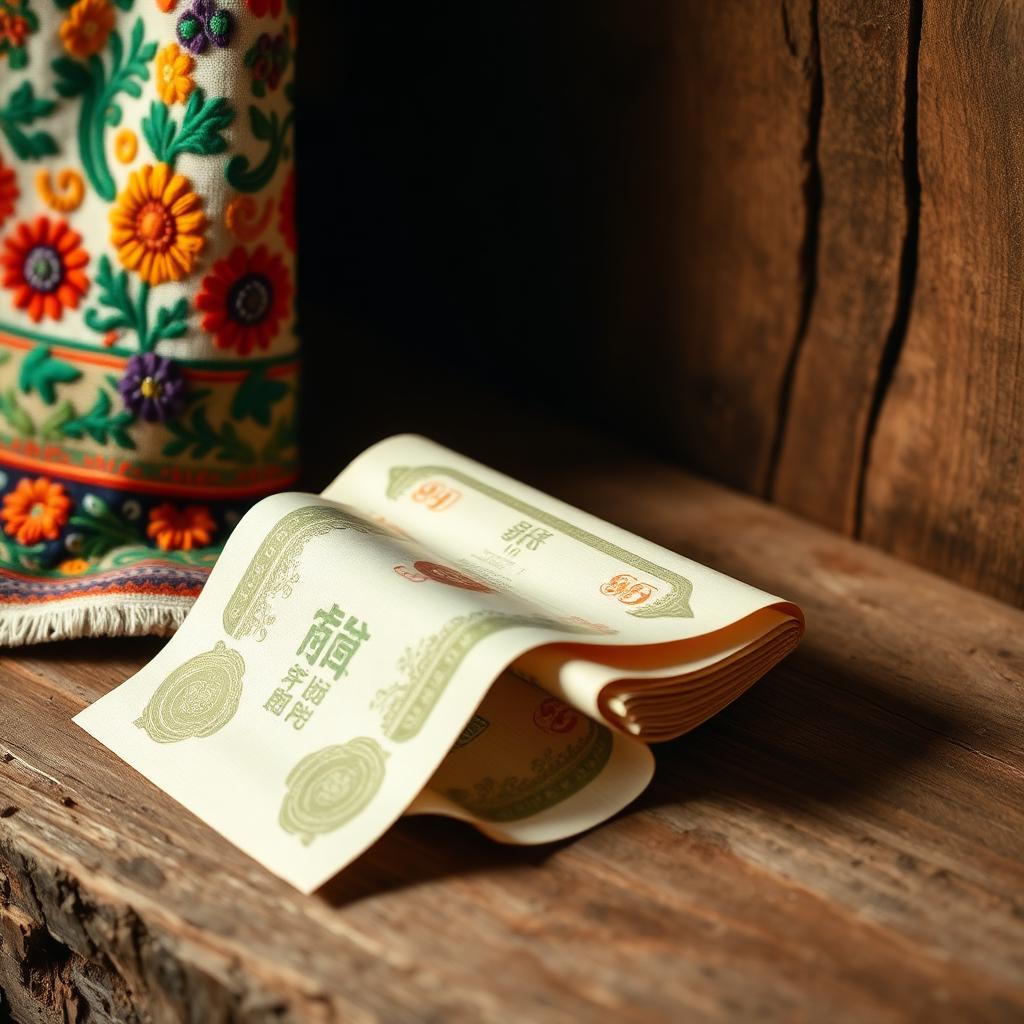
🔔Hmong Shamanism (Ua Neeb)
The Hmong ceremony of soul-calling, spirit journey, and lineage held across Southeast Asia.
Ua neeb is the Hmong shamanic ceremony of soul-calling, spirit journey, and lineage healing. The txiv neeb (shaman) is called by illness they must survive, then trained by ancestor spirits. In the U.S. Hmong diaspora after 1975, ua neeb has continued in living rooms and community centers. Anne Fadiman's book The Spirit Catches You and You Fall Down brought this healing framework into wider clinical conversation.
Lineage: Hmong clan and family lineages of txiv neeb; carried by diaspora elders.
Cost depends on practitioner, region, and format.
Estimates only. Many traditions offer sliding-scale, donation, or community access; sacred ceremonies are never for sale.
Distinguishing cultural belief, traditional practice, and evidence-supported effect where applicable.
Emotional
Reframes chronic illness as spirit disturbance, restoring meaning and family involvement.
Psychological
Different from biomedicine's framing but internally coherent; reduces isolation of the ill person.
Spiritual
Direct spirit contact for diagnosis and cure.
Community
Family lineage central to every ceremony; ua neeb happens at home.
Physical
Ceremony is embodied; animal sacrifice and shared meal remain part of many rituals.
Nervous system
Long drum and rattle sessions entrain rhythm and shift arousal.
Areas of possible support, not guarantees or medical claims.
- Hmong diaspora families keeping ua neeb alive
- Clinicians working with Hmong patients who need cross-cultural understanding
- Anyone with chronic illness who wants a lineage-based frame alongside biomedicine
- Consulting a txiv neeb within the Hmong community
- Understanding the framework of soul retrieval
- Learning about Hmong American healthcare navigation from Fadiman's book
- Ancestor altar and family involvement
What to know before exploring
Traditional practice
This is a living tradition carried through lineage and community. Its value is documented through generations of practitioners rather than clinical trials. Absence of Western studies is not absence of wisdom.
- Trance, possession, and altered states. Drumming, dance, and possession-based ceremonies can open non-ordinary states that feel profound but may be destabilizing for people with a personal or family history of psychosis, bipolar, dissociation, or acute trauma. Go slowly and honestly, with trustworthy support.
- Financial and spiritual exploitation risk. Sacred traditions can attract people who charge steep fees or claim exclusive spiritual authority. Trustworthy teachers welcome questions, encourage outside support, and never pressure you to pay for more than you can afford.
- Cultural appropriation and closed practices. Some elements are closed to outsiders or reserved for initiated practitioners. Participating without invitation, or teaching without lineage, can harm living communities and weaken the practice itself. Approach as a respectful learner, not a consumer.
- Psychosis, bipolar I, or dissociative history (extra pause recommended). If you or a close family member has a history of psychosis, schizophrenia, bipolar I, dissociative disorders, or are in an acute mental health episode, please be extra gentle. Psychedelic, trance, and intense inner-work practices are best avoided unless you are working closely with a psychiatrist who understands this territory.
- Active PTSD or unprocessed severe trauma. Immersive, ceremonial, and altered-state work can surface traumatic memories without warning. If you are living with active PTSD, build a relationship with a trauma-informed licensed clinician first, and choose practitioners trained to hold trauma responses gently.
This information is shared as general education, not medical advice. The safest path is to share your full health story and current medications with both the practitioner and your regular healthcare provider before beginning something new.
What of my spirit feels dispersed in diaspora?
How do I speak my body's story across languages and worldviews?
Which parts of my family lineage still hold ceremony?
Engaging with respect
Read Anne Fadiman's book before assuming you understand the tradition.
Traditions that share needs, practices, or cultural context with this one. Explore with respect for each lineage's origins.
The steppe tradition of drum, spirit-journey, and the eternal blue sky (Tengri).
- Curated companion
- Shared needs: ancestral healing
- Similar practices: consulting, learning, ancestor
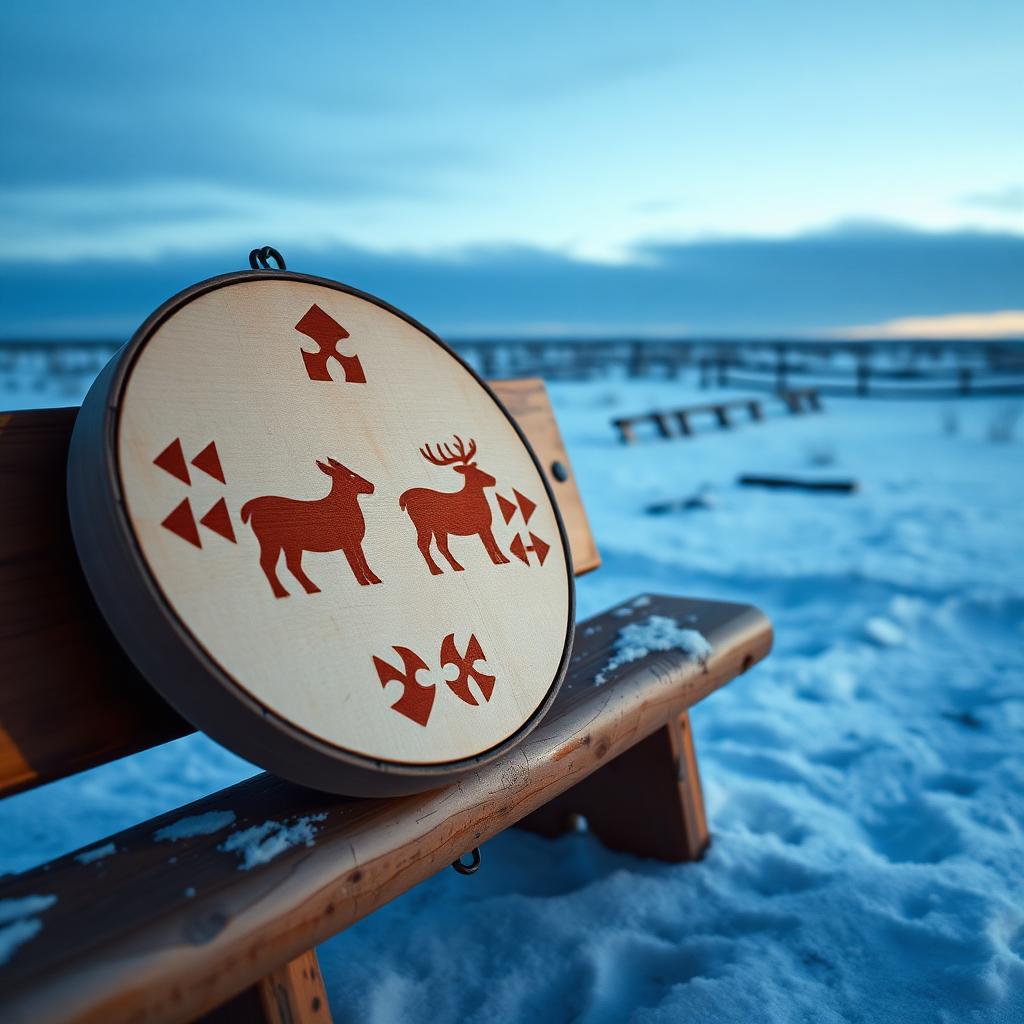
The Indigenous drum-song, joik, and healing of the Sámi people of Sápmi (Arctic Europe).
- Curated companion
- Shared needs: ancestral healing
- Similar practices: learning
Myanmar's pre-Buddhist spirit tradition, still woven into daily prayer alongside Theravada Buddhism.
- Curated companion
- Similar practices: consulting, family
- Same region (Asia)
The Himalayan shaman drumming between worlds to retrieve soul and set balance.
- Shared needs: soul loss
- Similar practices: consulting, understanding, soul, retrieval
- Same region (Asia)
The pre-colonial Filipino shaman-priestess, healer of body, spirit, and community.
- Shared needs: ancestral healing, diaspora identity
- Similar practices: ancestor, learning
- Same region (Asia)
Cambodian traditional medicine held by krou (teachers), plant, prayer, and lineage.
- Shared needs: ancestral healing
- Similar practices: consulting, community, ancestor
- Same region (Asia)