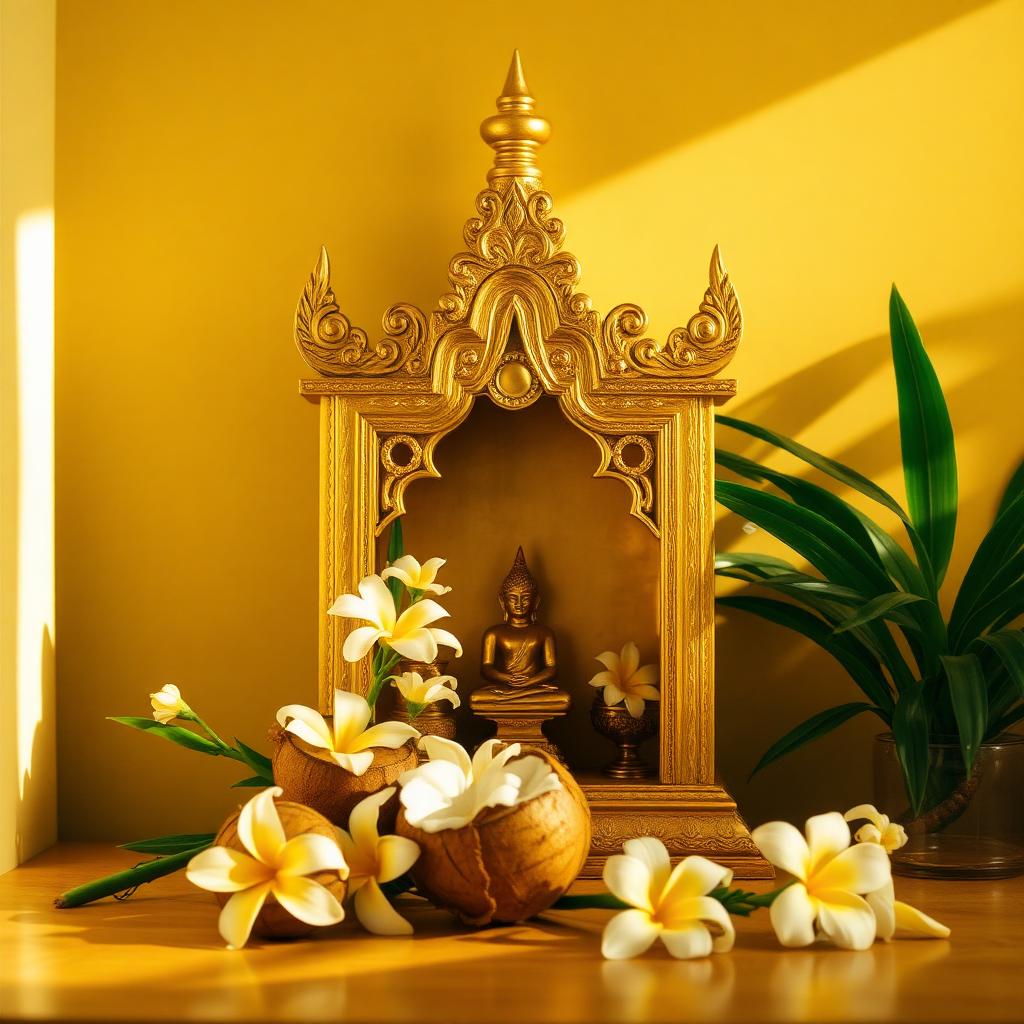
🕯️Burmese Nat Worship
Myanmar's pre-Buddhist spirit tradition, still woven into daily prayer alongside Theravada Buddhism.
Nat worship is Myanmar's pre-Buddhist spirit tradition, focused on 37 Great Nats, most of whom died violently and are propitiated for protection. Nats are honored at household shrines and at nat pwe (spirit festivals) where mediums (nat kadaw) become possessed and speak. Practiced alongside Theravada Buddhism by most Burmese, without contradiction.
Lineage: Pre-Buddhist Burmese lineages; nat kadaw mediums carrying the tradition today.
Cost depends on practitioner, region, and format.
Estimates only. Many traditions offer sliding-scale, donation, or community access; sacred ceremonies are never for sale.
Distinguishing cultural belief, traditional practice, and evidence-supported effect where applicable.
Emotional
Nats who died violently give a symbolic home for one's own grief and rage.
Psychological
Trance state is culturally scripted and communally held, which contains it safely.
Spiritual
Direct contact with spirits of the land and the dead.
Community
The nat pwe is a village-wide event; households connect at shrines.
Physical
Music, dance, and shared food re-embody the ceremony.
Nervous system
Rhythmic music and dance shift arousal; trance follows a communal script.
Areas of possible support, not guarantees or medical claims.
- Burmese diaspora families
- People drawn to traditions that hold both Buddhism and spirit work
- Anyone with unresolved family violence looking for symbolic containers
- Household nat shrine with offerings
- Attending a nat pwe festival respectfully
- Consulting a nat kadaw
- Offerings to the specific nat of one's family
What to know before exploring
Cultural and spiritual belief
This entry describes a cultural or spiritual worldview. Any healing effects are held within that worldview and are not framed as clinical outcomes. Approach with curiosity and respect for the culture that carries it.
- Trance, possession, and altered states. Drumming, dance, and possession-based ceremonies can open non-ordinary states that feel profound but may be destabilizing for people with a personal or family history of psychosis, bipolar, dissociation, or acute trauma. Go slowly and honestly, with trustworthy support.
- Cultural appropriation and closed practices. Elements of this tradition may be reserved for initiated practitioners or community members. Approach as a respectful learner, not a consumer, and never present the practice as your own.
This information is shared as general education, not medical advice. The safest path is to share your full health story and current medications with both the practitioner and your regular healthcare provider before beginning something new.
Which of my ancestors died with unfinished business?
How do two religions live in one household in my culture?
Which of the 37 Great Nats' stories rhymes with my own life?
Traditions that share needs, practices, or cultural context with this one. Explore with respect for each lineage's origins.
The Hmong ceremony of soul-calling, spirit journey, and lineage held across Southeast Asia.
- Curated companion
- Similar practices: consulting, family
- Same region (Asia)
The Japanese practice of cleansing under cold waterfalls or by salt, water, and prayer.
- Curated companion
- Similar practices: shrine
- Same region (Asia)
Thai massage (Nuad Boran) and Buddhist folk medicine of Southeast Asia.
- Curated companion
- Same region (Asia)
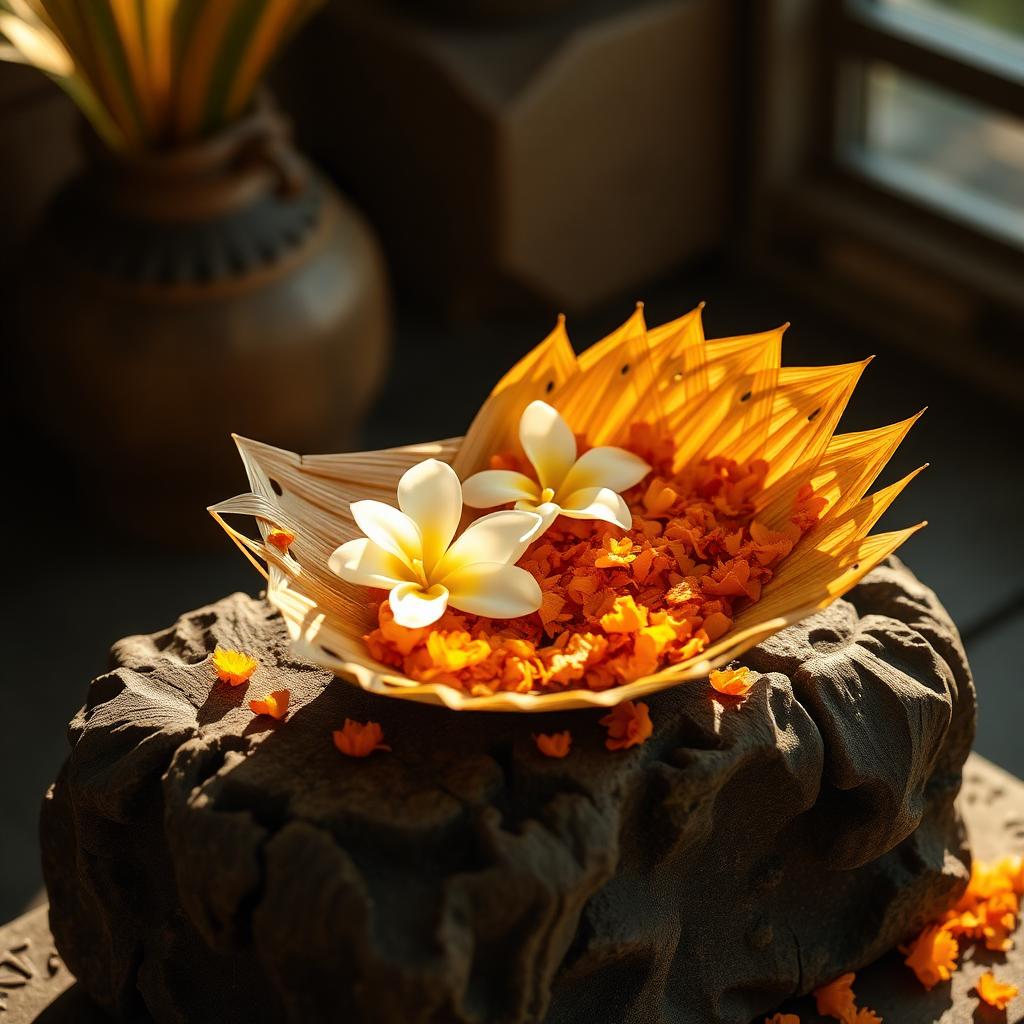
The Hindu-Balinese healer working with mantra, herbs, and offerings to the seen and unseen.
- Shared needs: life direction
- Similar practices: consulting, offerings, attending
- Same region (Asia)
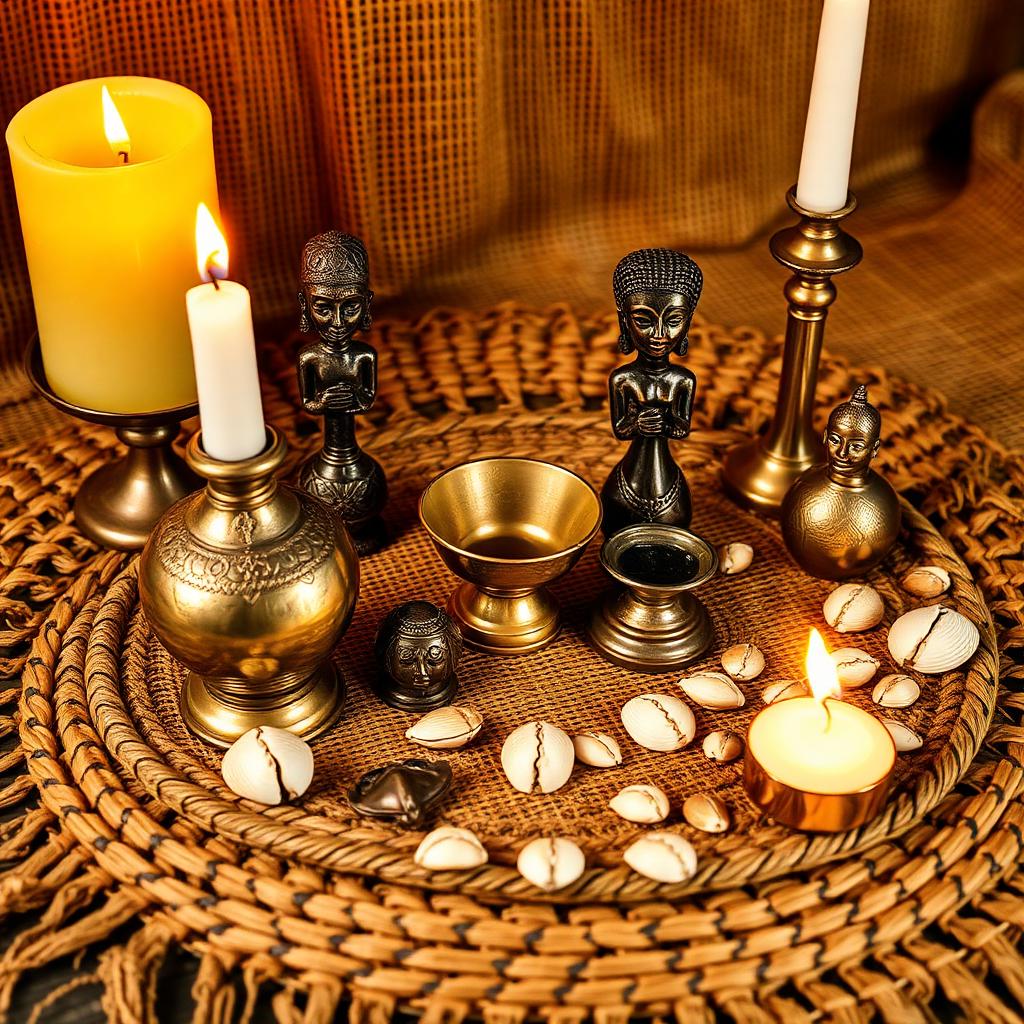
The Vodun heritage of the Kingdom of Benin, ancestors, spirits, and divination.
- Shared needs: life direction, protection
- Similar practices: specific
- Same tradition type
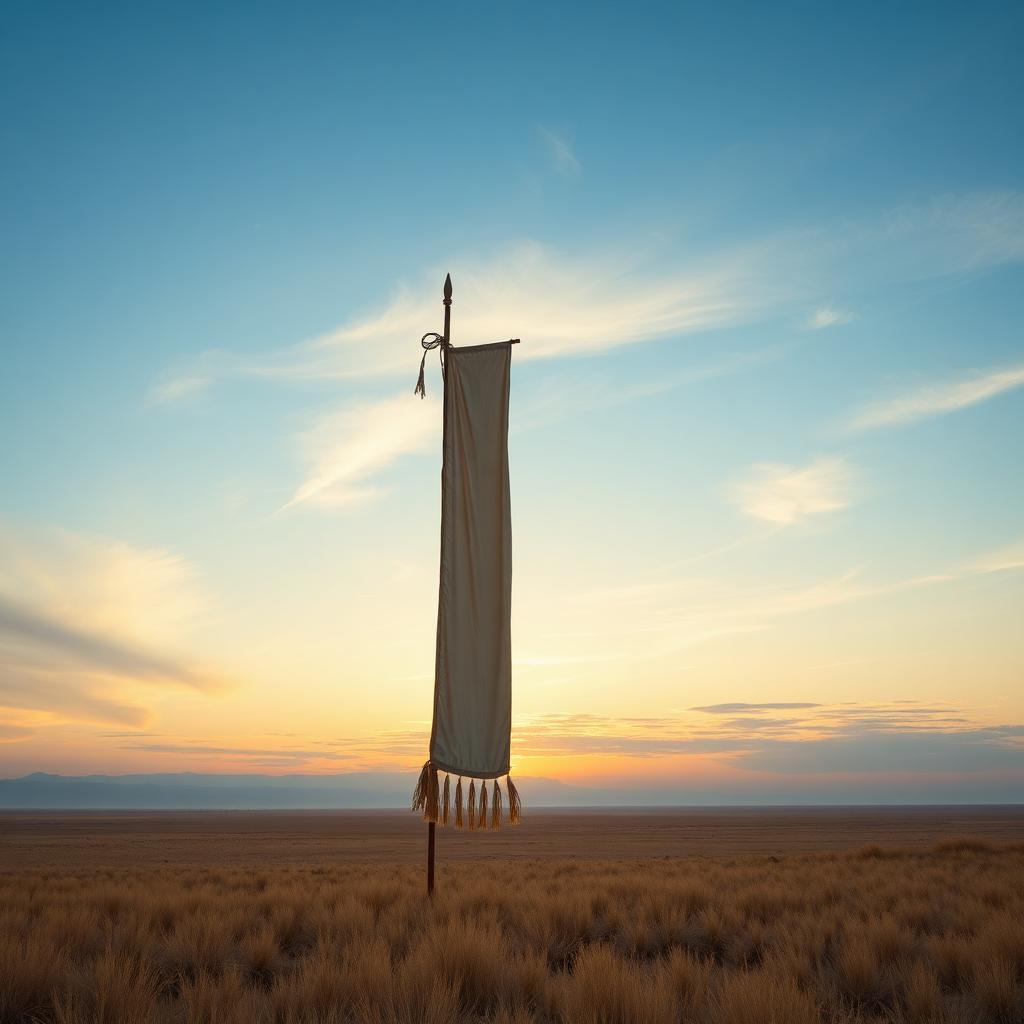
The steppe tradition of drum, spirit-journey, and the eternal blue sky (Tengri).
- Shared needs: life direction
- Similar practices: consulting, offerings
- Same region (Asia)