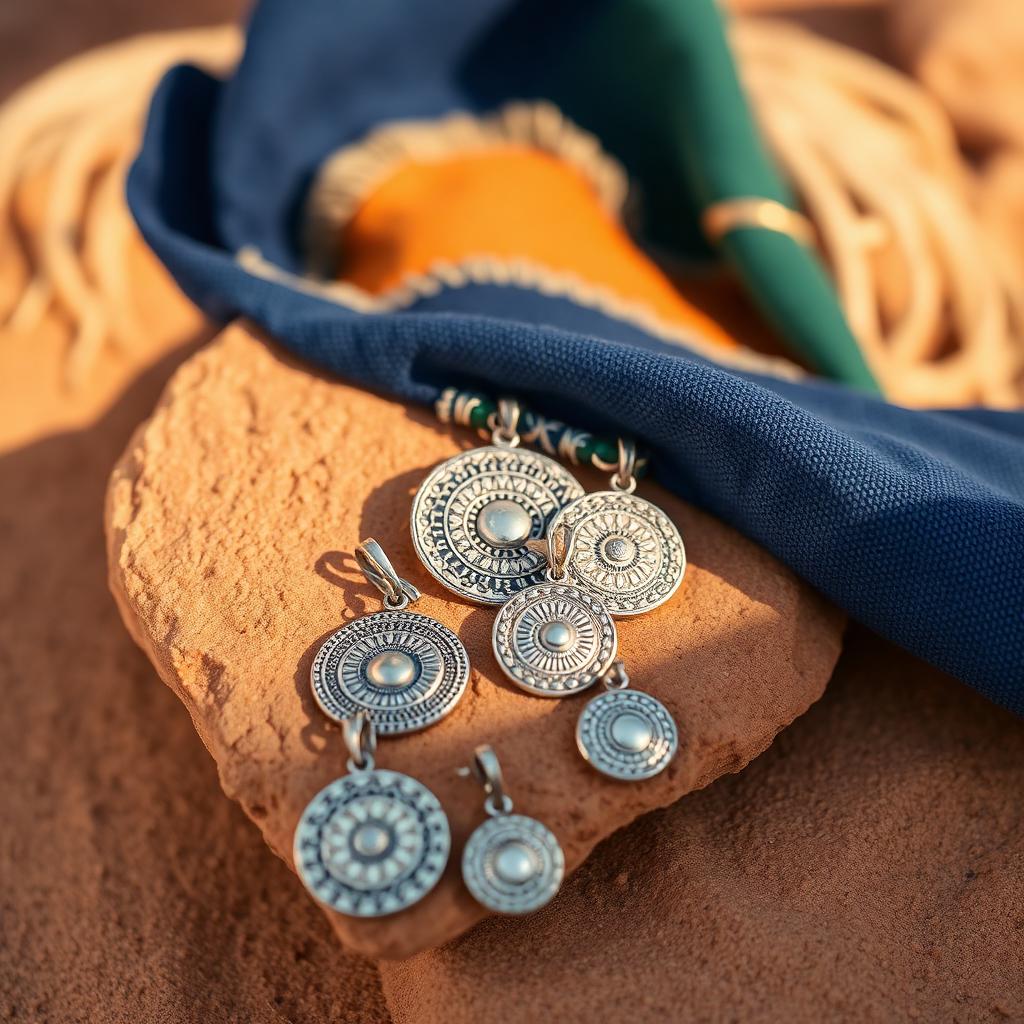
🏔️Amazigh (Berber) Healing
The mountain and desert medicine of the Amazigh peoples of North Africa.
The Amazigh (Berber) peoples of North Africa (Morocco, Algeria, Tunisia, Libya, and the Sahel) hold ancient healing knowledge tied to mountain and desert land: argan oil, saffron, nigella (habba sawda), rhassoul clay, and hammam bathing. Women are the primary carriers of much of this knowledge. Amazigh spirituality blends Indigenous animism, Sufi Islam, and place-based ritual.
Lineage: Amazigh women's oral tradition; village herbalists and midwives.
Cost depends on practitioner, region, and format.
Estimates only. Many traditions offer sliding-scale, donation, or community access; sacred ceremonies are never for sale.
Distinguishing cultural belief, traditional practice, and evidence-supported effect where applicable.
Emotional
Slow bathing rituals downshift the nervous system.
Community
Hammam and food are shared, not private.
Physical
Well-studied plants (argan, nigella, saffron).
Areas of possible support, not guarantees or medical claims.
- People of Amazigh descent
- Anyone drawn to Mediterranean plant medicine
- Weekly hammam with black soap and kessa glove
- Rhassoul clay hair and skin masks
- Argan oil for skin, hair, and food
- Nigella (habba sawda) for immunity
What to know before exploring
Traditional practice
This is a living tradition carried through lineage and community. Its value is documented through generations of practitioners rather than clinical trials. Absence of Western studies is not absence of wisdom.
- Intense heat, cold, or altitude. Sweat lodges, saunas, banyas, hammams, cold plunges, and high-altitude ceremonies can be clarifying, but they also place real strain on the heart, blood pressure, and thermoregulation. Honor your limits and take breaks; these are not practices to push through.
- Trance, possession, and altered states. Drumming, dance, and possession-based ceremonies can open non-ordinary states that feel profound but may be destabilizing for people with a personal or family history of psychosis, bipolar, dissociation, or acute trauma. Go slowly and honestly, with trustworthy support.
- Financial and spiritual exploitation risk. Sacred traditions can attract people who charge steep fees or claim exclusive spiritual authority. Trustworthy teachers welcome questions, encourage outside support, and never pressure you to pay for more than you can afford.
- Cultural appropriation and closed practices. Some elements are closed to outsiders or reserved for initiated practitioners. Participating without invitation, or teaching without lineage, can harm living communities and weaken the practice itself. Approach as a respectful learner, not a consumer.
- Heart, blood pressure, and stroke history. Intense heat, cold, breath, or exertion can strain the cardiovascular system. If you have a heart condition, uncontrolled blood pressure, arrhythmia, a pacemaker, prior stroke, or take cardiac medication, check in with your physician before participating.
- Pregnancy, breastfeeding, and fertility treatment. Several herbs, essential oils, deep-tissue techniques, extreme temperatures, and intense breath or plant-medicine practices are not recommended during pregnancy, breastfeeding, or IVF cycles. Disclose your status and ask for a practitioner with prenatal training.
This information is shared as general education, not medical advice. The safest path is to share your full health story and current medications with both the practitioner and your regular healthcare provider before beginning something new.
What weekly ritual of care would change my sense of my body?
Which plant of my ancestors have I never tasted?
Traditions that share needs, practices, or cultural context with this one. Explore with respect for each lineage's origins.
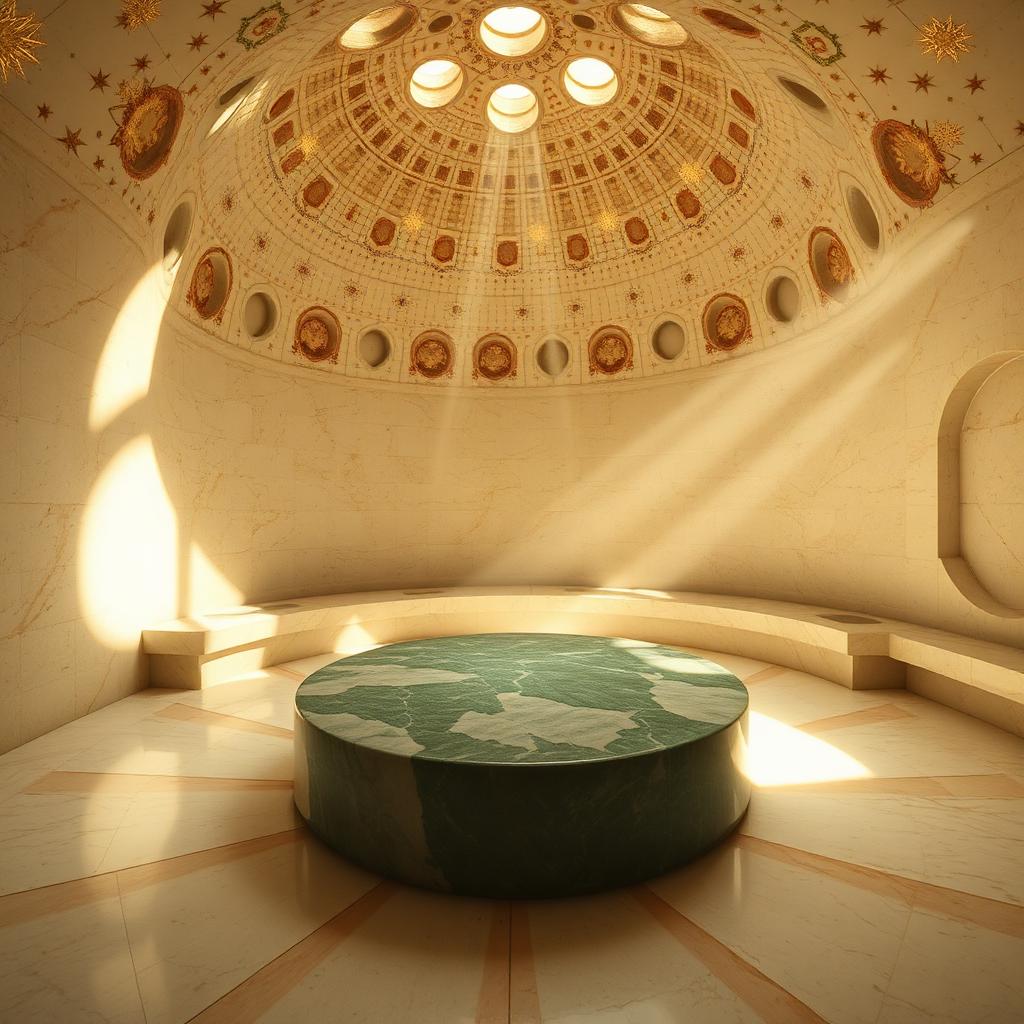
The steam and cleansing bath tradition, a communal ritual of touch, water, and rest.
- Curated companion
- Shared needs: skin
- Similar practices: soap, weekly
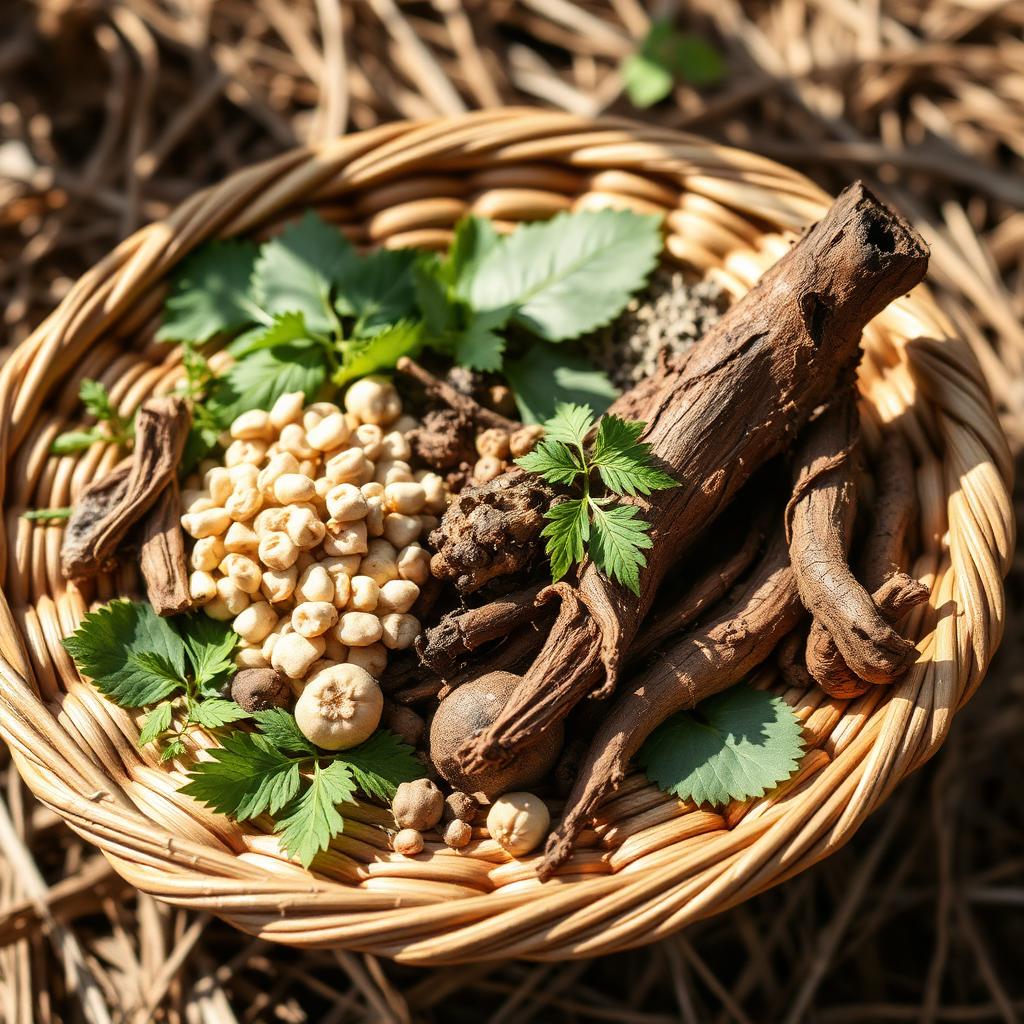
The vast pharmacopeia of plants used across the African continent, many now studied by modern pharmacology.
- Curated companion
- Shared needs: skin
- Same region (Africa)
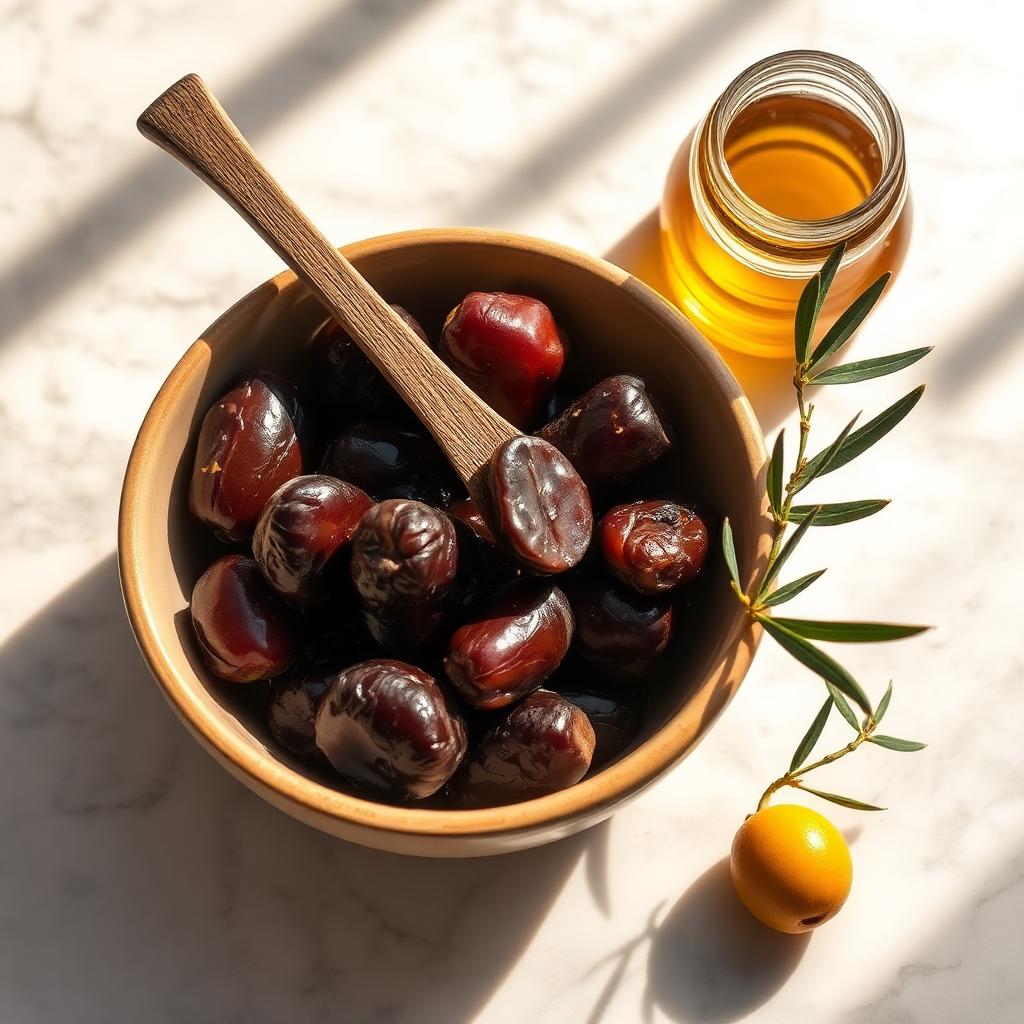
Health guidance drawn from the sayings and practice of the Prophet Muhammad ﷺ.
- Curated companion
- Similar practices: nigella, habba, sawda
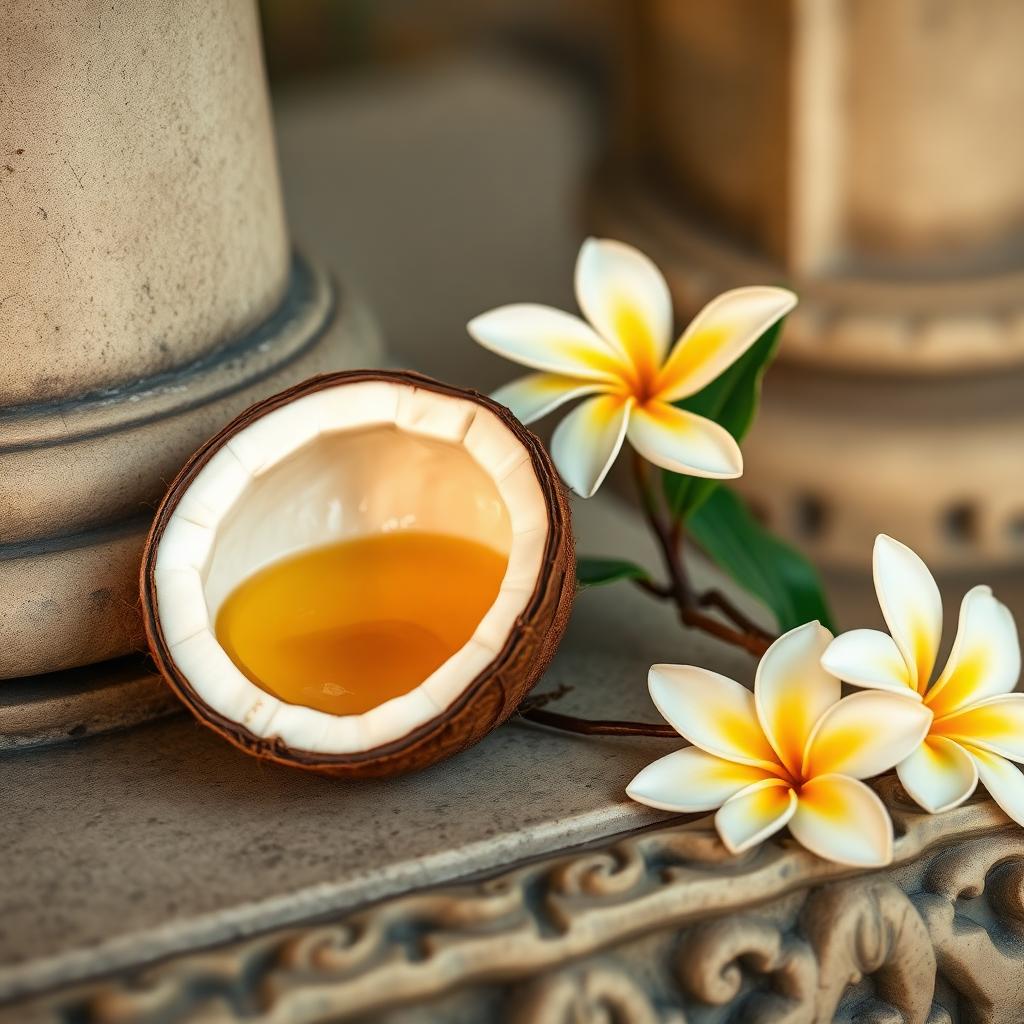
Sri Lanka's Indigenous branch of Ayurveda, its own herbs, oils, and ola-leaf lineage.
- Shared needs: skin, postpartum recovery
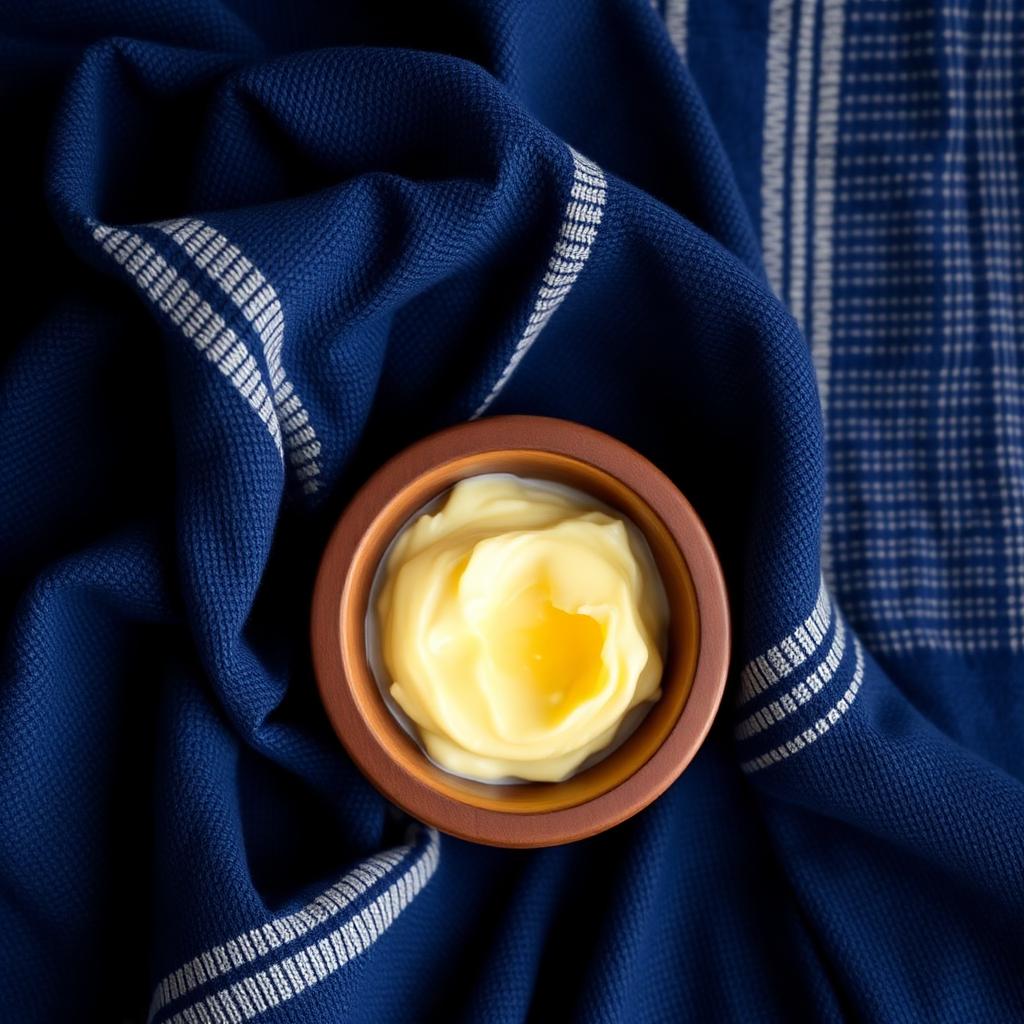
Community-rooted birth traditions holding mother, baby, and family across the whole passage.
- Shared needs: postpartum recovery
- Same region (Africa)
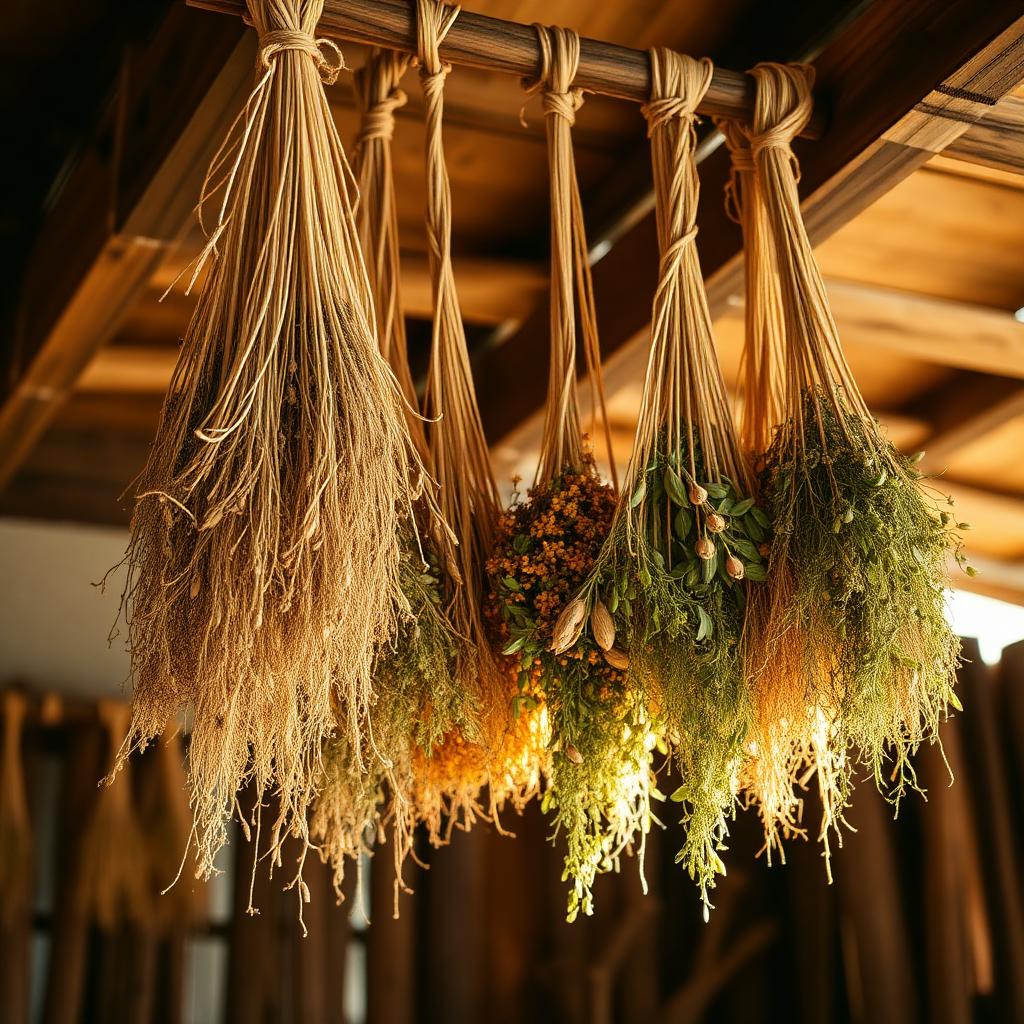
The plant-focused Southern African healer working with muthi, roots, bark, and bushland pharmacopeia.
- Shared needs: skin
- Same region (Africa)