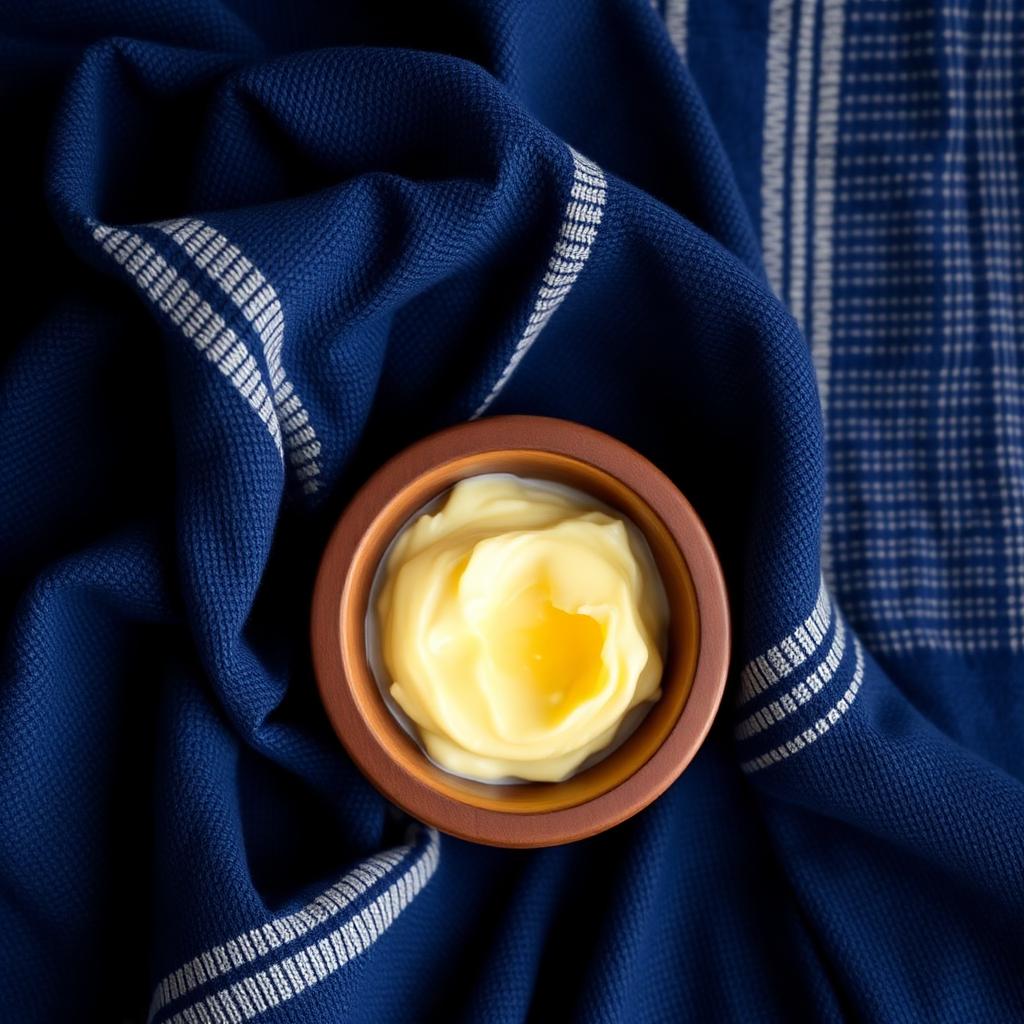
🤱Indigenous African Midwifery
Community-rooted birth traditions holding mother, baby, and family across the whole passage.
Imagery evoking Indigenous African Midwifery, Community-rooted birth traditions holding mother, baby, and family across the whole passage.
Symbolic imagery, generated with respect. No sacred ceremony or living person depicted.
Across African cultures, birth has traditionally been held by experienced women (traditional birth attendants) working within the extended family. Care includes prenatal massage, herbal preparations, songs and prayers, and long postpartum rest (often 30 to 40 days of seclusion, warm foods, and daily bathing). Modern maternal health programs increasingly partner with traditional midwives rather than replace them, honoring the deep community trust they carry.
Lineage: Lineages of village midwives, aunties, and grandmothers.
Community birth support; fees vary widely.
Estimates only. Many traditions offer sliding-scale, donation, or community access; sacred ceremonies are never for sale.
Distinguishing cultural belief, traditional practice, and evidence-supported effect where applicable.
Emotional
Postpartum seclusion honors that a mother is remade, not just delivered.
Spiritual
Birth is understood as an ancestor arriving; ritual welcomes them.
Community
The whole family cooks, cleans, and holds the baby so the mother can rest.
Physical
Warm foods, abdominal binding, and belly massage support recovery.
Areas of possible support, not guarantees or medical claims.
- Expectant parents
- Postpartum families in any culture
- Anyone grieving pregnancy loss
- Prenatal belly massage (many regional names)
- Herbal baths and womb steams
- Postpartum seclusion (e.g., 40 days)
- Naming ceremonies at the end of seclusion
- Community meals brought to the mother
What to know before exploring
Traditional practice
This is a living tradition carried through lineage and community. Its value is documented through generations of practitioners rather than clinical trials. Absence of Western studies is not absence of wisdom.
- Herbal preparations and dosing. Herbs, tinctures, teas, and topical preparations can be gentle and powerful at the same time. They may interact with prescription medications or affect blood pressure, the liver, kidneys, or allergies. Quality and sourcing matter, so work with a knowledgeable practitioner and share your medication list.
- Financial and spiritual exploitation risk. Sacred traditions can attract people who charge steep fees or claim exclusive spiritual authority. Trustworthy teachers welcome questions, encourage outside support, and never pressure you to pay for more than you can afford.
- Cultural appropriation and closed practices. Some elements are closed to outsiders or reserved for initiated practitioners. Participating without invitation, or teaching without lineage, can harm living communities and weaken the practice itself. Approach as a respectful learner, not a consumer.
- Pregnancy, breastfeeding, and fertility treatment. Several herbs, essential oils, deep-tissue techniques, extreme temperatures, and intense breath or plant-medicine practices are not recommended during pregnancy, breastfeeding, or IVF cycles. Disclose your status and ask for a practitioner with prenatal training.
- Prescription medication interactions. Bring a full medication list to your practitioner and pharmacist. Some common combinations need extra care, such as SSRIs and MAOIs with ayahuasca or St. John's wort, blood thinners with garlic or ginkgo, and immunosuppressants with many herbs. Your care team can help you navigate this.
This information is shared as general education, not medical advice. The safest path is to share your full health story and current medications with both the practitioner and your regular healthcare provider before beginning something new.
How was I welcomed into the world, and who held my mother?
What would 'no visitors, only helpers' look like in my life right now?
Which of my elders should I ask about birth in our family?
Written in the spirit of this tradition, held as invitations, not instructions. Take what serves your reflection.
What in me is being born right now, and what needs to labor first?
What older womanhood, motherhood, or eldership is trying to reach me?
Which women in my line held life through hands, story, and prayer?
Traditions that share needs, practices, or cultural context with this one. Explore with respect for each lineage's origins.
'I am because we are', a Southern African philosophy of communal personhood as healing.
- Curated companion
- Shared needs: belonging
- Similar practices: community
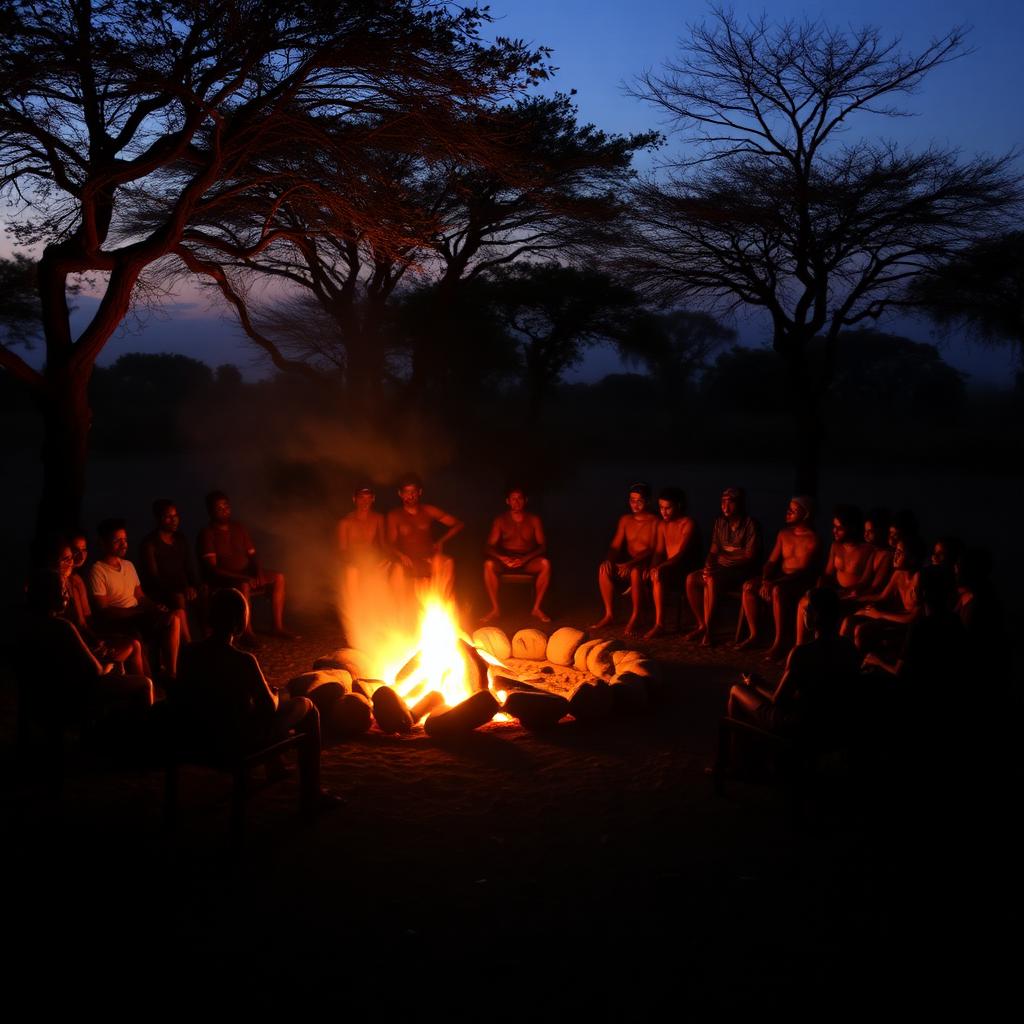
Communal ceremonies that hold grief, reconciliation, and life passages across many African peoples.
- Curated companion
- Similar practices: ceremonies
- Same region (Africa)
Traditional Filipino massage and bone-setting, working with tension, wind, and energy.
- Shared needs: postpartum recovery
- Similar practices: postpartum, belly, massage
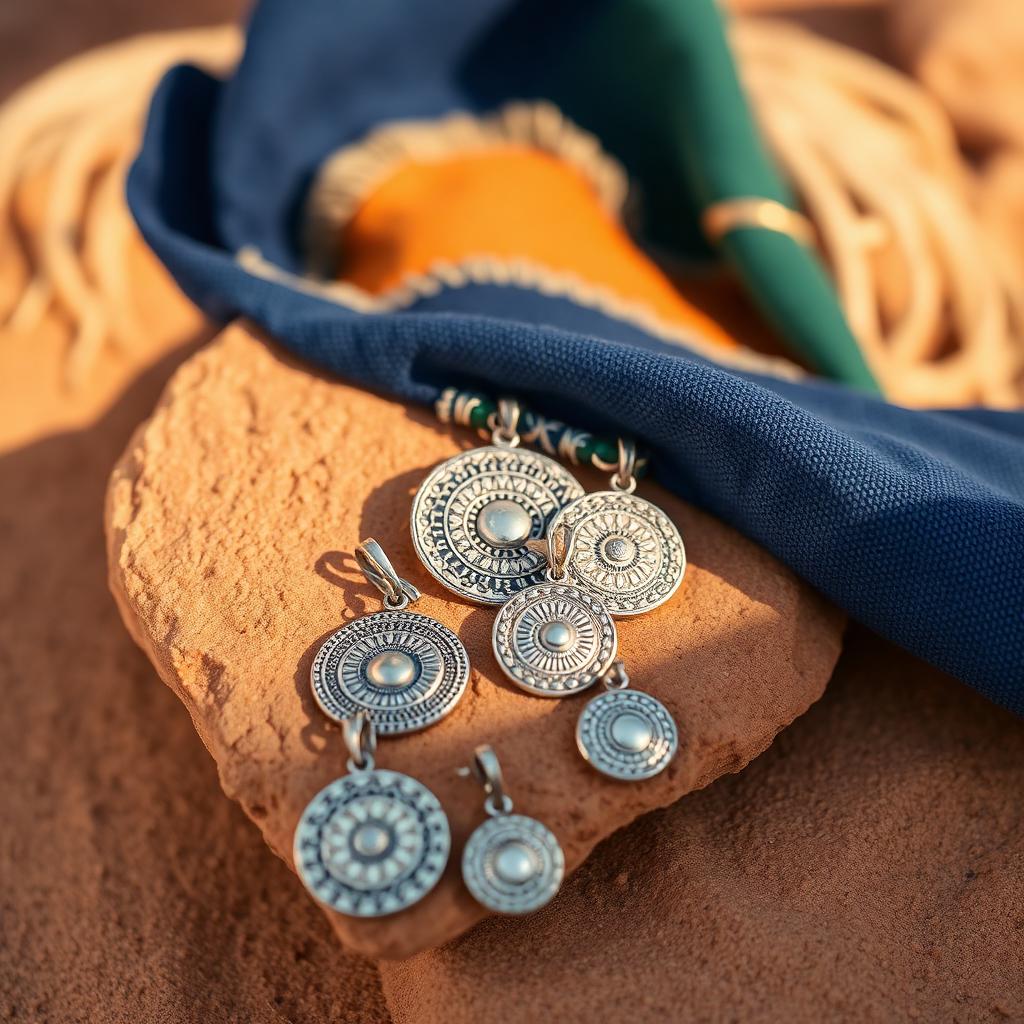
The mountain and desert medicine of the Amazigh peoples of North Africa.
- Shared needs: postpartum recovery
- Same region (Africa)
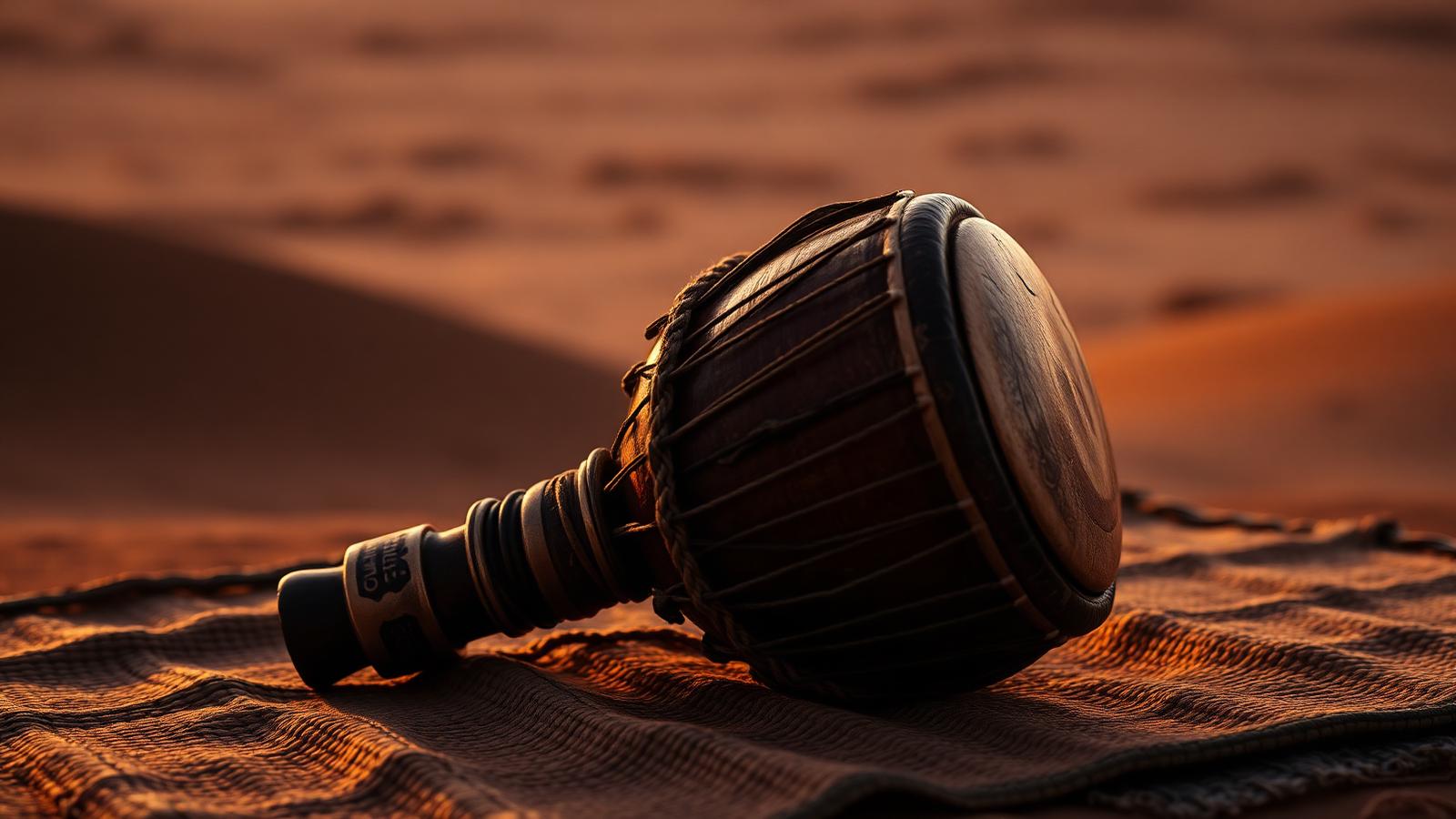
A West African tradition weaving ancestral wisdom, herbal medicine, and communal ritual into everyday life.
- Similar practices: herbal, baths
- Same region (Africa)
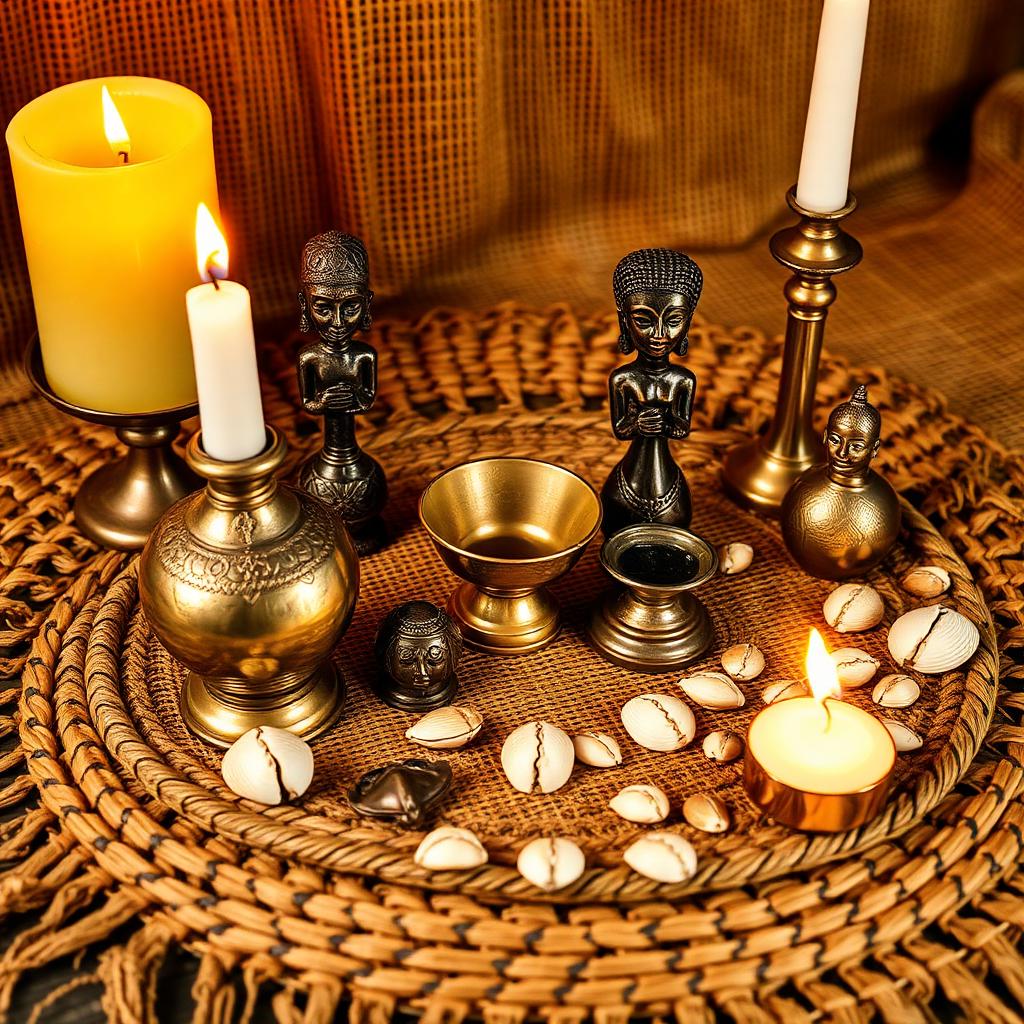
The Vodun heritage of the Kingdom of Benin, ancestors, spirits, and divination.
- Similar practices: herbal, baths
- Same region (Africa)