🤝Ubuntu
'I am because we are', a Southern African philosophy of communal personhood as healing.
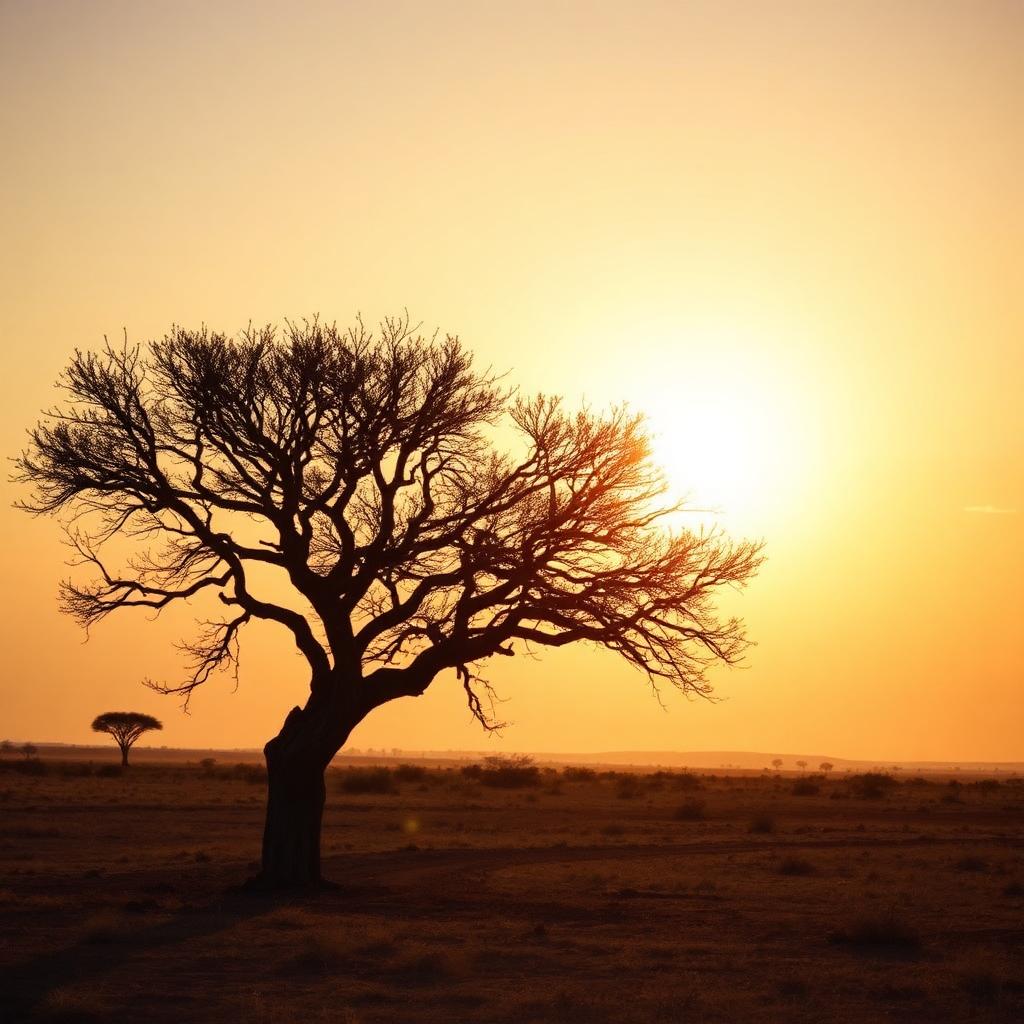
Imagery evoking Ubuntu, 'I am because we are', a Southern African philosophy of communal personhood as healing.
Symbolic imagery, generated with respect. No sacred ceremony or living person depicted.
Ubuntu is a Southern African philosophy usually translated as 'I am because we are'. It teaches that a person becomes fully human only in relationship, and that dignity, healing, and wisdom are inherently communal. Ubuntu shaped South Africa's Truth and Reconciliation Commission and continues to influence restorative justice, community mental health, and leadership work worldwide. It is not a technique but an ethical orientation.
Lineage: Nguni and Bantu-speaking peoples; teachers such as Desmond Tutu and Nelson Mandela brought it to a global audience.
Philosophy and community practice, not sold.
Estimates only. Many traditions offer sliding-scale, donation, or community access; sacred ceremonies are never for sale.
Distinguishing cultural belief, traditional practice, and evidence-supported effect where applicable.
Emotional
Locates suffering as shared, so healing is not a solitary burden.
Psychological
Reframes identity as relational, which loosens the grip of isolation and self-blame.
Spiritual
Sees the sacred in the encounter between people.
Community
Restores the group as a healing container; harm is repaired between people, not in private.
Areas of possible support, not guarantees or medical claims.
- People recovering from isolation, burnout, or hyper-individualism
- Communities working through conflict or historical wound
- Leaders wanting a relational ethic for their teams
- Indaba and lekgotla (deep community dialogue)
- Circle-based conflict repair
- Public acknowledgement and forgiveness rituals
- Elder council and intergenerational storytelling
What to know before exploring
Traditional practice
This is a living tradition carried through lineage and community. Its value is documented through generations of practitioners rather than clinical trials. Absence of Western studies is not absence of wisdom.
- Herbal preparations and dosing. Herbs, tinctures, teas, and topical preparations can be gentle and powerful at the same time. They may interact with prescription medications or affect blood pressure, the liver, kidneys, or allergies. Quality and sourcing matter, so work with a knowledgeable practitioner and share your medication list.
- Cultural appropriation and closed practices. Elements of this tradition may be reserved for initiated practitioners or community members. Approach as a respectful learner, not a consumer, and never present the practice as your own.
This information is shared as general education, not medical advice. The safest path is to share your full health story and current medications with both the practitioner and your regular healthcare provider before beginning something new.
Whose humanity am I in danger of forgetting this week?
Where is my healing waiting on the healing of my community?
What relationship needs repair before it can nourish me again?
Written in the spirit of this tradition, held as invitations, not instructions. Take what serves your reflection.
Whose wellbeing is quietly bound up with mine today?
What does I am because we are actually ask of my choices?
Who am I, honestly, without the people who have shaped me?
Traditions that share needs, practices, or cultural context with this one. Explore with respect for each lineage's origins.
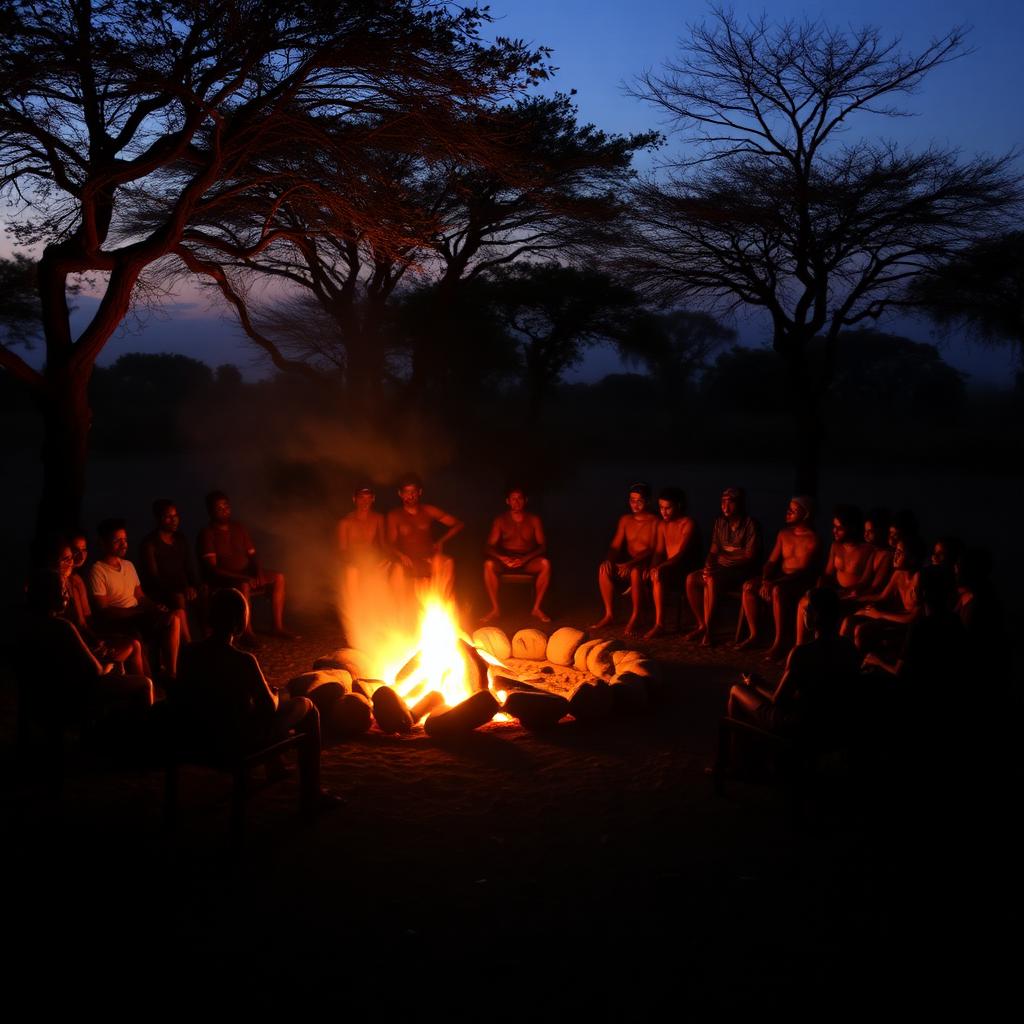
Communal ceremonies that hold grief, reconciliation, and life passages across many African peoples.
- Curated companion
- Shared needs: reconciliation, community trust, meaning
- Similar practices: rituals
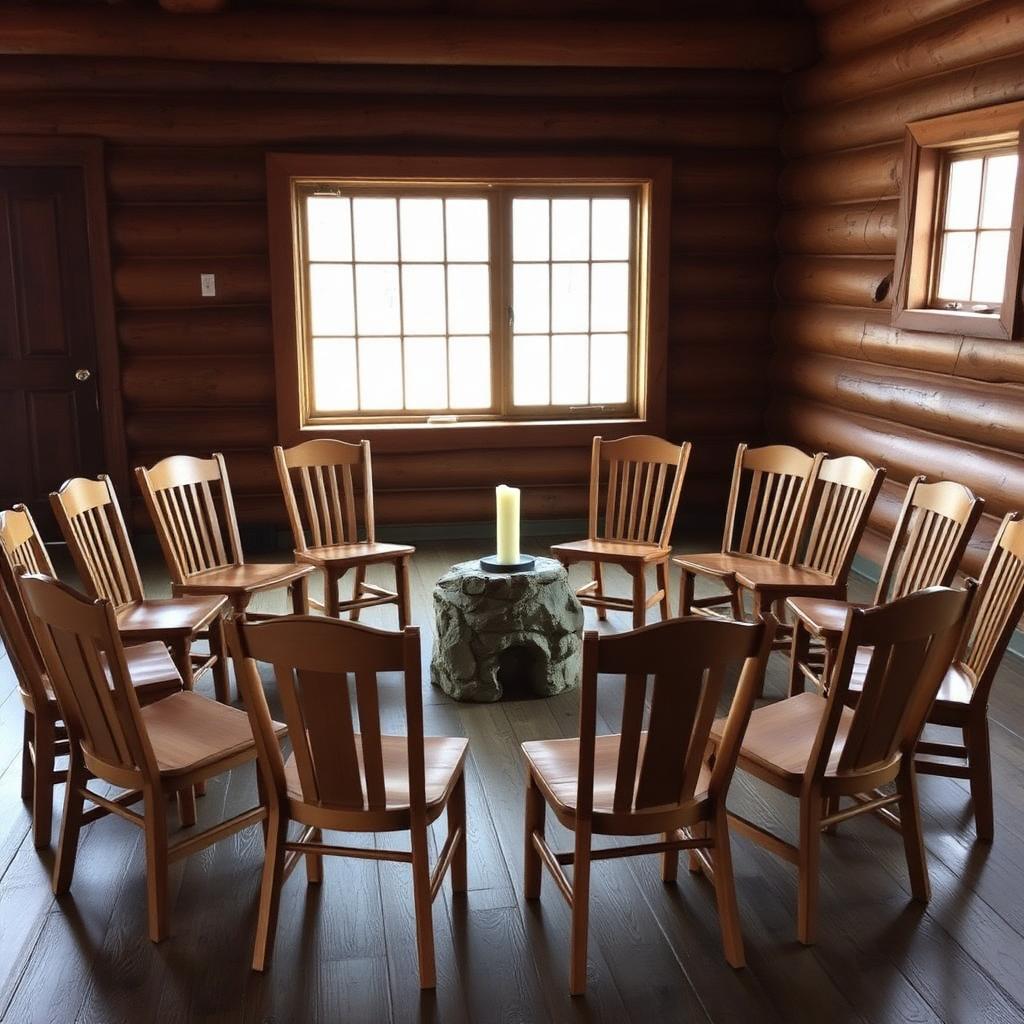
A Council practice in which each person speaks and is heard in turn, holding the whole group.
- Curated companion
- Shared needs: community trust, belonging
- Same tradition type
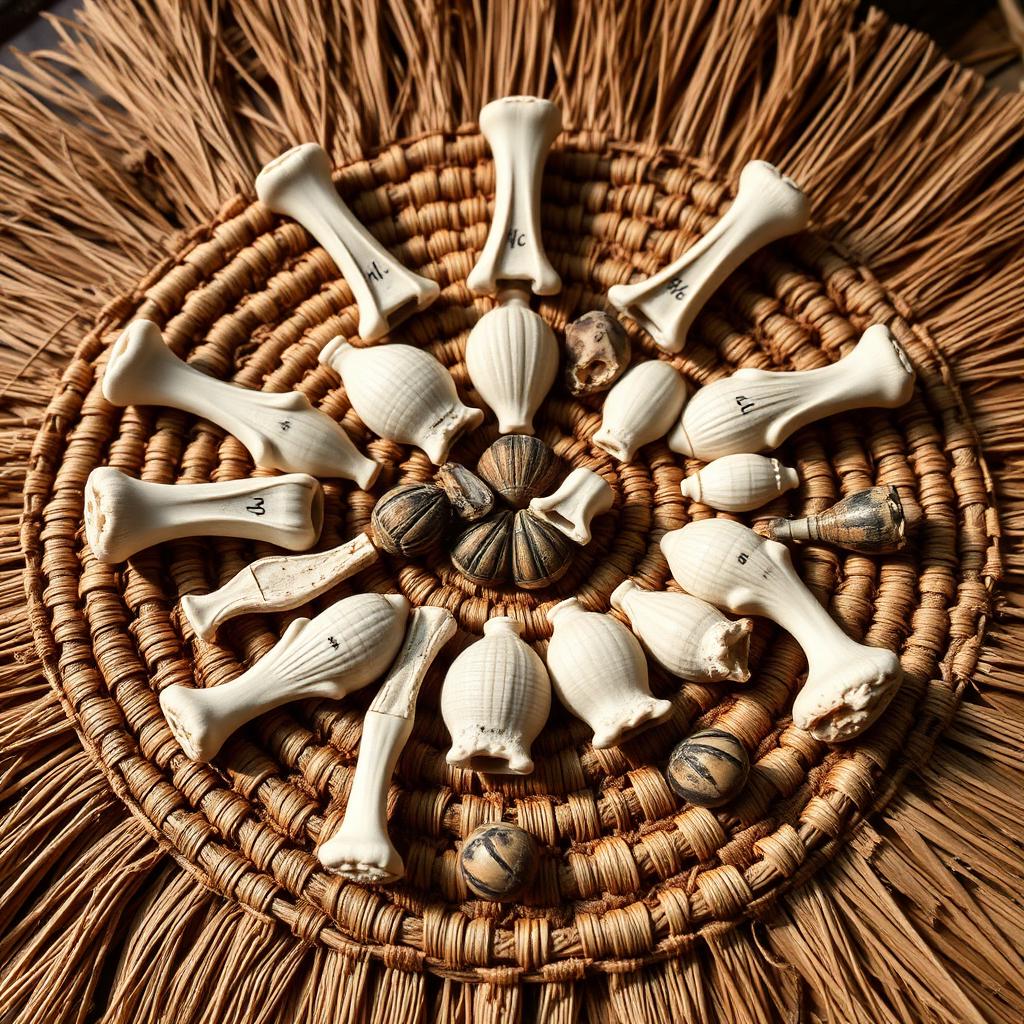
Southern African traditional healers who work with ancestors, bones, and herbal medicine.
- Curated companion
- Similar practices: rituals
- Same region (Africa)

The oldest continuous healing tradition on Earth, the San n/om dance of the Kalahari.
- Shared needs: meaning, reconciliation
- Same region (Africa)
The esoteric Levantine tradition of the Druze, contemplation of the soul and unity.
- Shared needs: meaning, belonging
- Similar practices: community

Community-rooted birth traditions holding mother, baby, and family across the whole passage.
- Shared needs: belonging
- Similar practices: community
- Same region (Africa)