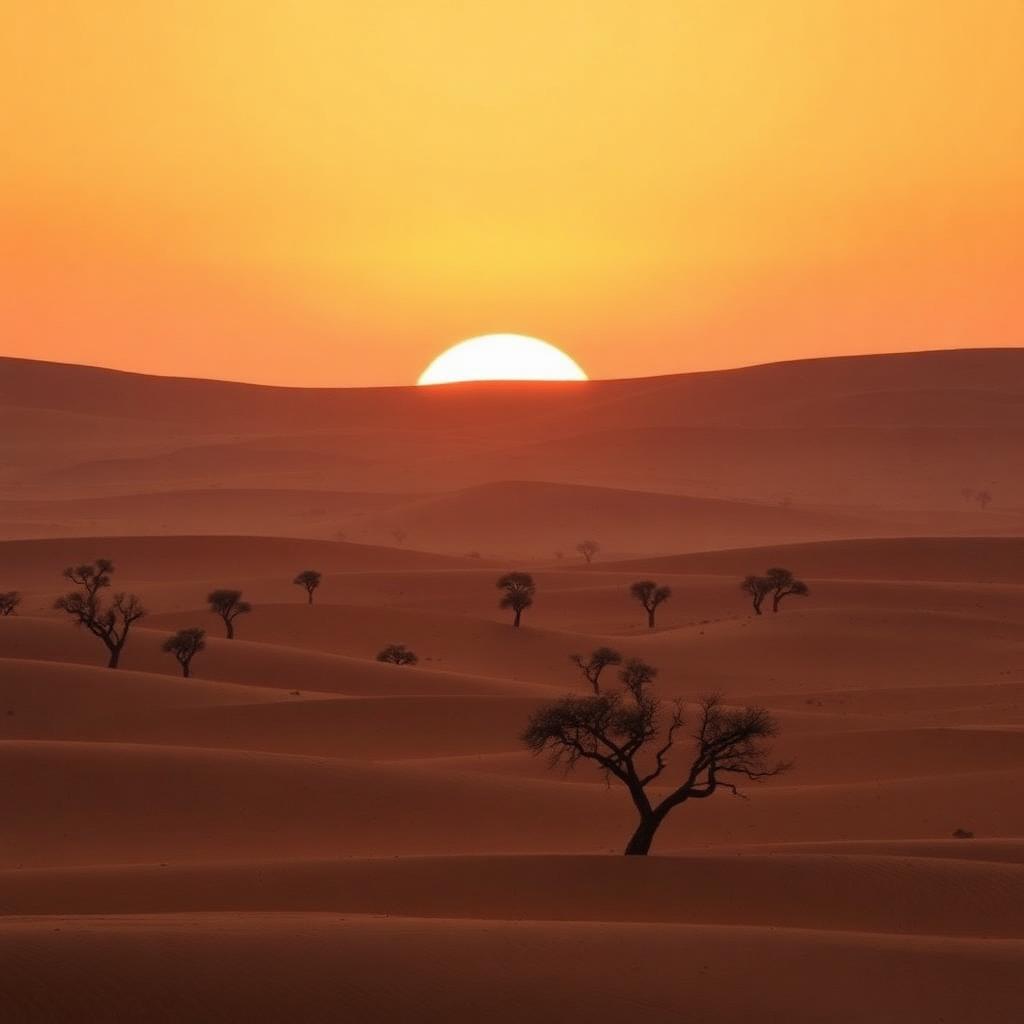
🔥San (Bushmen) Trance Healing
The oldest continuous healing tradition on Earth, the San n/om dance of the Kalahari.
The San peoples of the Kalahari carry what is likely the oldest continuous healing tradition on Earth. Their trance dance (n/om or !kia) is a communal healing ceremony that can last through the night. Healers (n/om k''ausi) build up boiling energy through rhythmic dance around a fire while women clap and sing, then lay hands on those needing healing. Anthropologist Richard Katz documented the tradition in Boiling Energy (1982).
Lineage: San n/om k''ausi and singing women; the youngest of humanity's healing lineages by anthropological measure and the oldest.
Cost depends on practitioner, region, and format.
Estimates only. Many traditions offer sliding-scale, donation, or community access; sacred ceremonies are never for sale.
Distinguishing cultural belief, traditional practice, and evidence-supported effect where applicable.
Emotional
The all-night container holds fear, grief, and joy in turn.
Spiritual
N/om is understood as a shared living energy, not personal power.
Community
Ceremony includes everyone; there is no private healing.
Nervous system
Sustained rhythm, breath, and touch shift arousal deeply.
Areas of possible support, not guarantees or medical claims.
- Those drawn to communal ecstatic tradition
- People needing a ritual container for grief
- All-night trance dance
- Women's healing songs
- Laying-on of hands by n/om holders
What to know before exploring
Traditional practice
This is a living tradition carried through lineage and community. Its value is documented through generations of practitioners rather than clinical trials. Absence of Western studies is not absence of wisdom.
- Trance, possession, and altered states. Drumming, dance, and possession-based ceremonies can open non-ordinary states that feel profound but may be destabilizing for people with a personal or family history of psychosis, bipolar, dissociation, or acute trauma. Go slowly and honestly, with trustworthy support.
- Financial and spiritual exploitation risk. Sacred traditions can attract people who charge steep fees or claim exclusive spiritual authority. Trustworthy teachers welcome questions, encourage outside support, and never pressure you to pay for more than you can afford.
- Cultural appropriation and closed practices. Elements of this tradition may be reserved for initiated practitioners or community members. Approach as a respectful learner, not a consumer, and never present the practice as your own.
- Heart, blood pressure, and stroke history. Intense heat, cold, breath, or exertion can strain the cardiovascular system. If you have a heart condition, uncontrolled blood pressure, arrhythmia, a pacemaker, prior stroke, or take cardiac medication, check in with your physician before participating.
- Psychosis, bipolar I, or dissociative history (extra pause recommended). If you or a close family member has a history of psychosis, schizophrenia, bipolar I, dissociative disorders, or are in an acute mental health episode, please be extra gentle. Psychedelic, trance, and intense inner-work practices are best avoided unless you are working closely with a psychiatrist who understands this territory.
- Active PTSD or unprocessed severe trauma. Immersive, ceremonial, and altered-state work can surface traumatic memories without warning. If you are living with active PTSD, build a relationship with a trauma-informed licensed clinician first, and choose practitioners trained to hold trauma responses gently.
This information is shared as general education, not medical advice. The safest path is to share your full health story and current medications with both the practitioner and your regular healthcare provider before beginning something new.
What in me longs for a ceremony that lasts longer than a class?
How does my body know how to move when no one is watching?
Engaging with respect
The San have faced severe displacement. Support them through respectful media, land rights work, and buying directly from San artisans rather than performing their ceremony.
Traditions that share needs, practices, or cultural context with this one. Explore with respect for each lineage's origins.
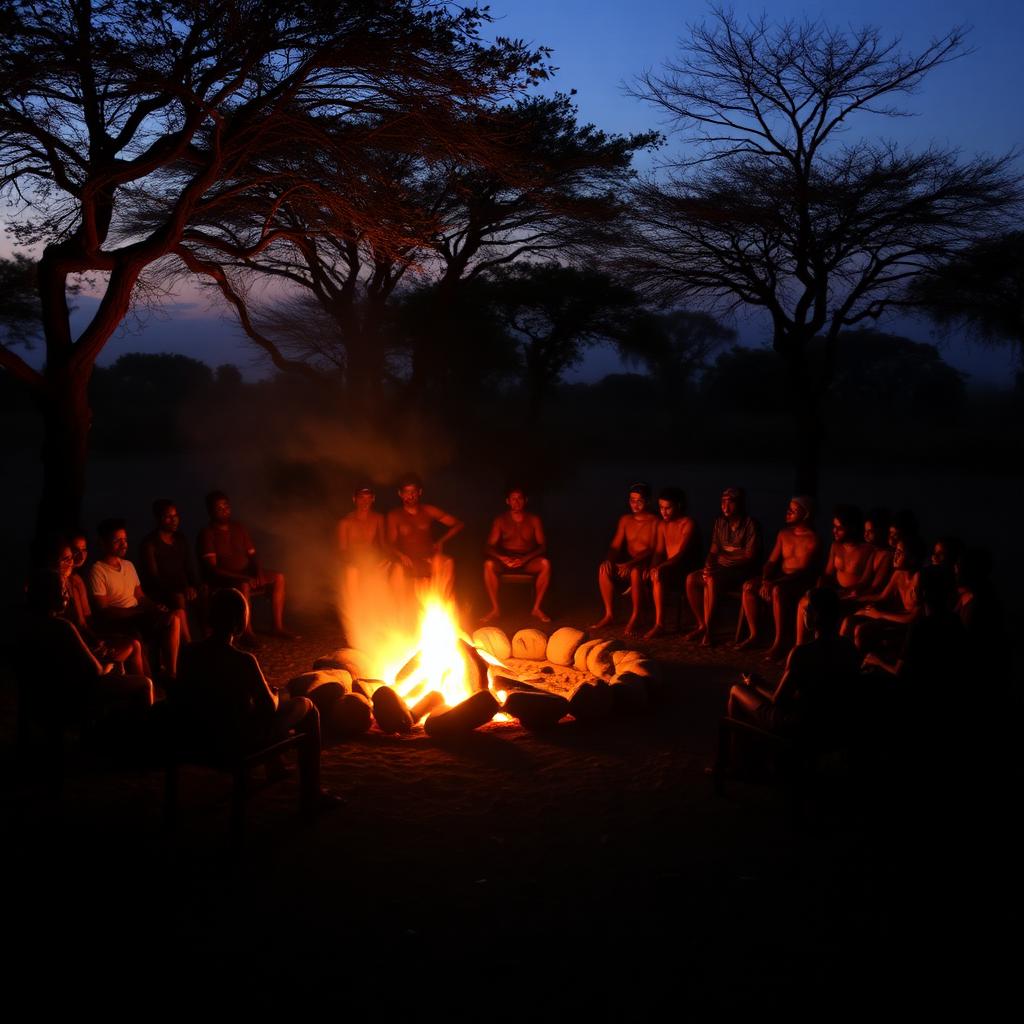
Communal ceremonies that hold grief, reconciliation, and life passages across many African peoples.
- Curated companion
- Shared needs: grief, reconciliation, meaning
- Similar practices: dance
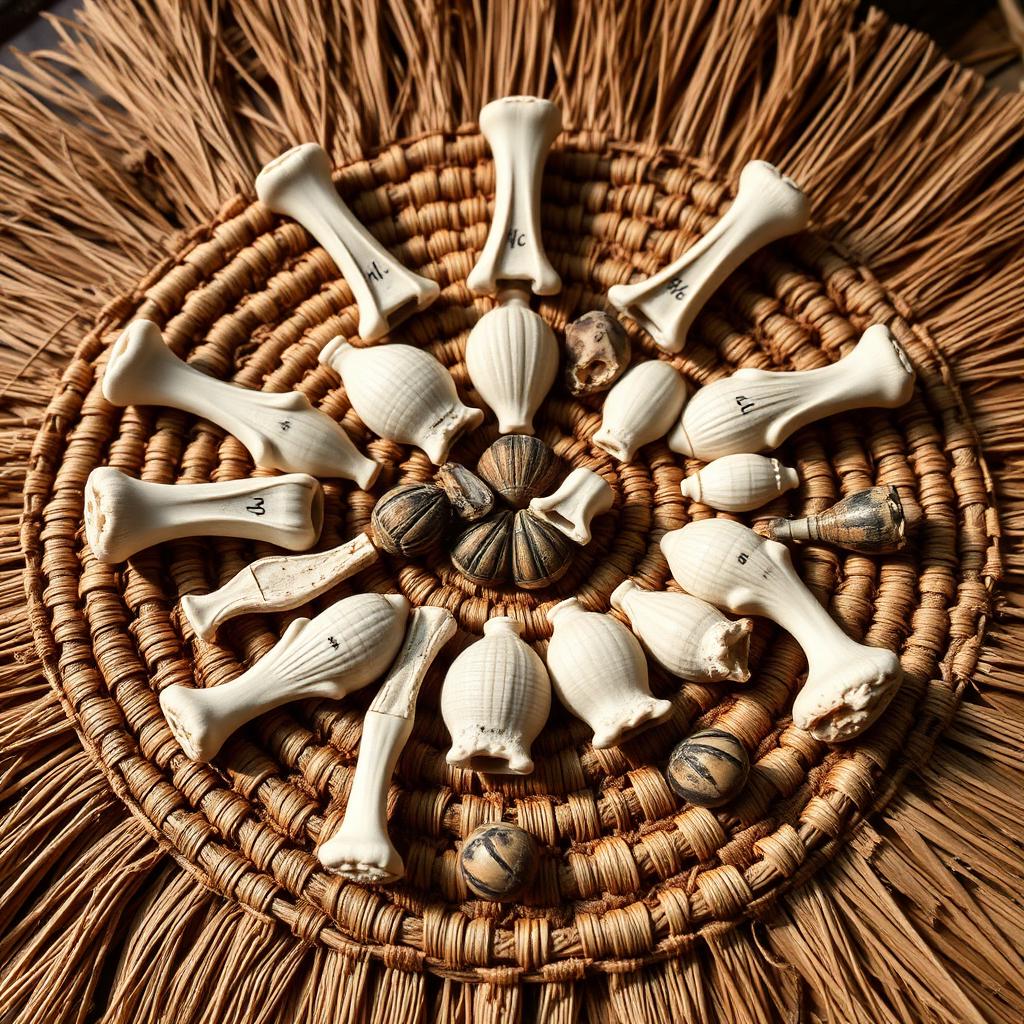
Southern African traditional healers who work with ancestors, bones, and herbal medicine.
- Curated companion
- Same region (Africa)
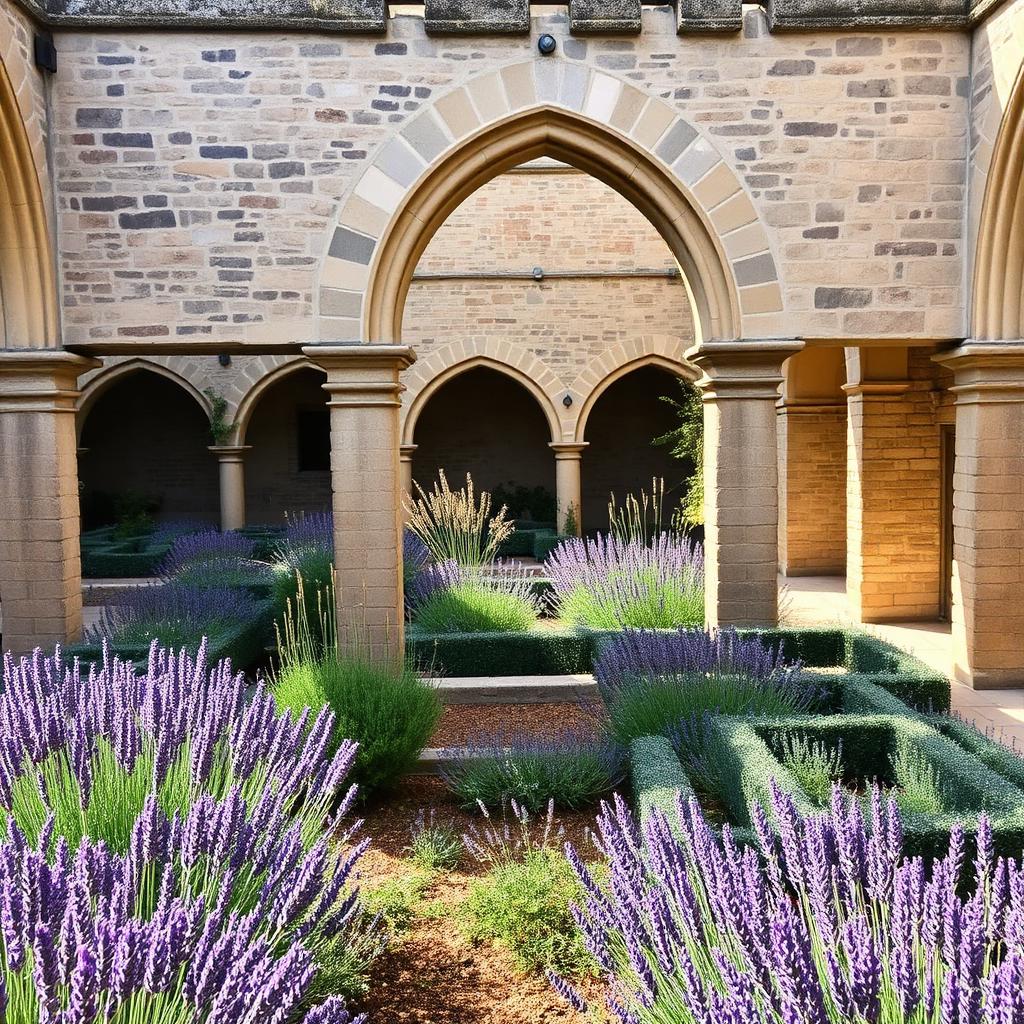
The healing gardens, herbals, and rule of life of Christian monastic communities.
- Shared needs: meaning, physical illness, grief
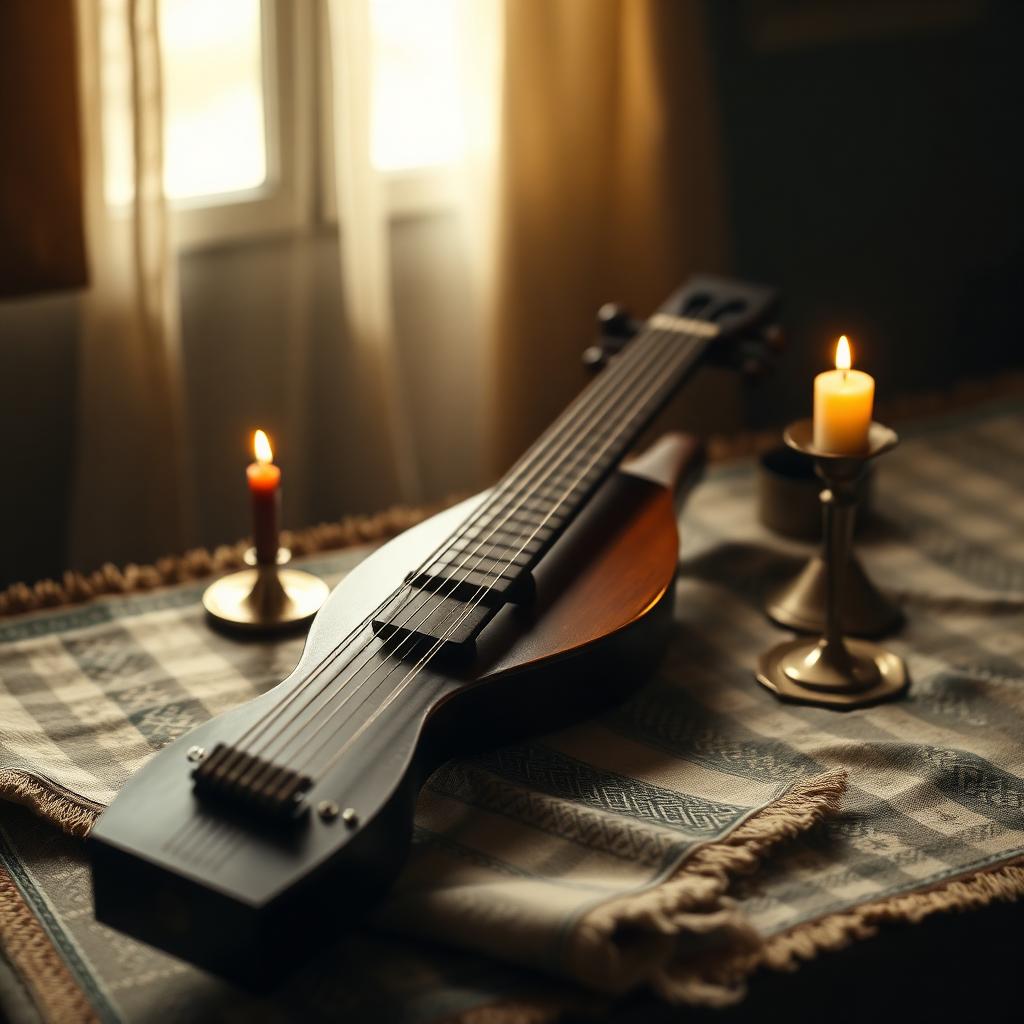
The gathering of Alevi Muslims of Anatolia, prayer, saz music, and semah sacred dance.
- Shared needs: reconciliation, grief, meaning
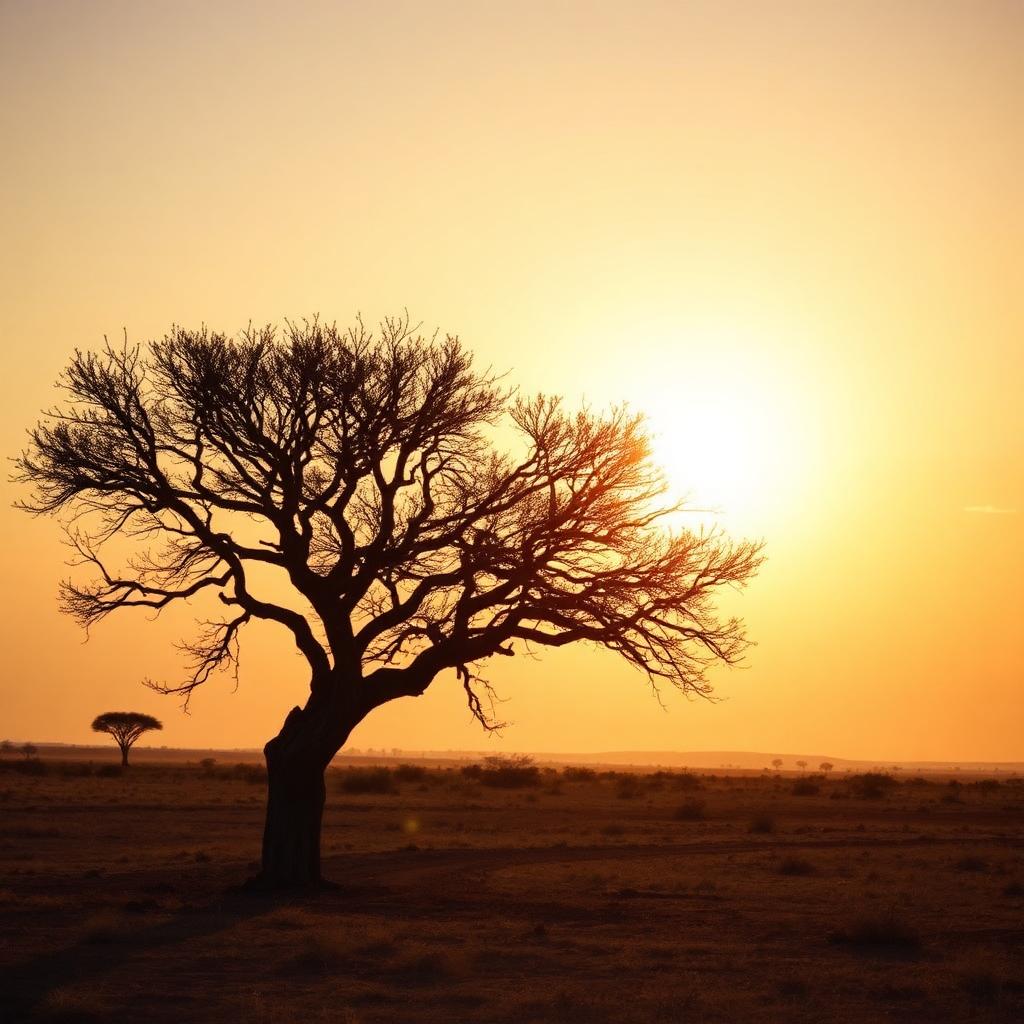
'I am because we are', a Southern African philosophy of communal personhood as healing.
- Shared needs: reconciliation, meaning
- Same region (Africa)
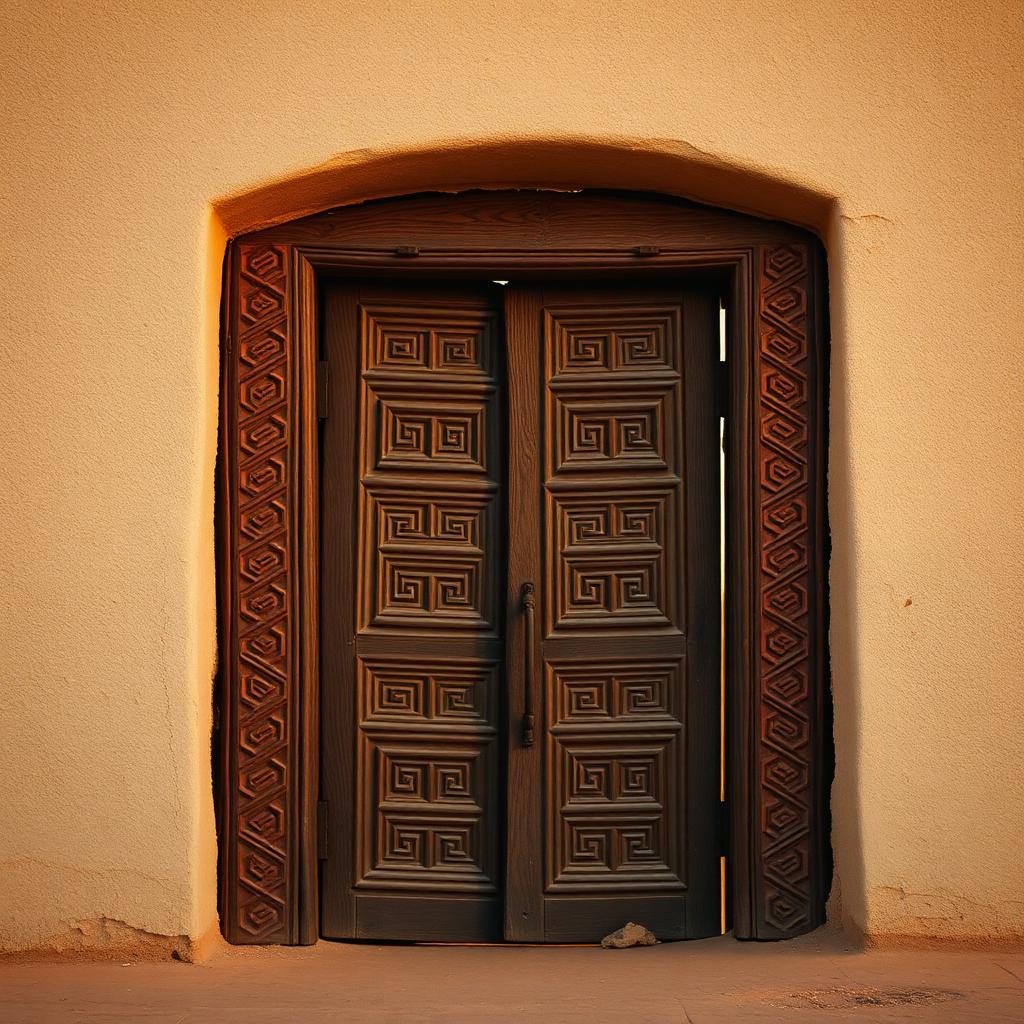
The intricate star-lore, mask ceremony, and healing philosophy of the Dogon of Mali.
- Shared needs: grief, meaning
- Same region (Africa)