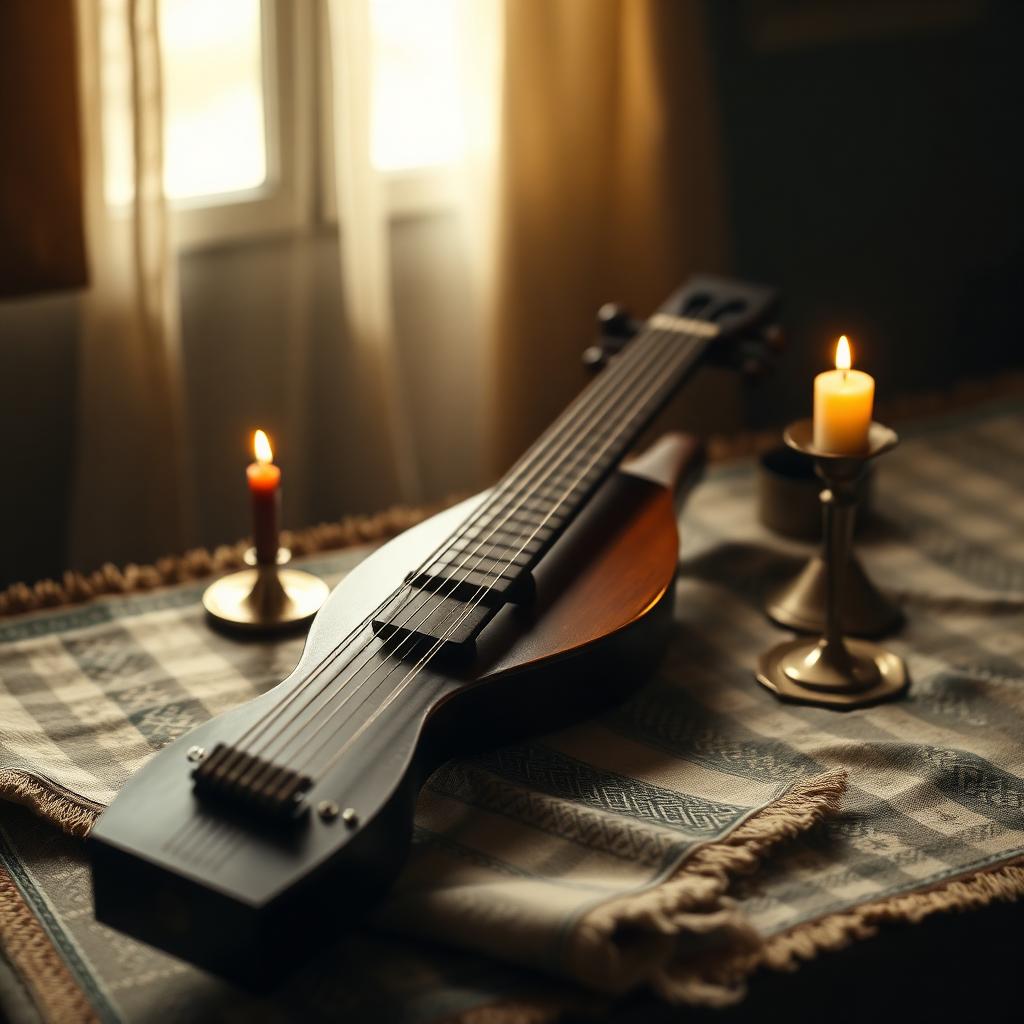
🕊️Alevi Cem Ritual
The gathering of Alevi Muslims of Anatolia, prayer, saz music, and semah sacred dance.
The Alevi are a distinct Muslim community of Turkey and the Balkans (an estimated 15-25 million people) whose main ritual is the cem, a gathering of the community for prayer, saz music, semah (a sacred slow dance done by men and women together), and communal meal. Alevism draws from Twelver Shia Islam, Sufism, and pre-Islamic Anatolian traditions. It has historically been persecuted; the cem is a resilient thread of communal healing.
Lineage: Hacı Bektaş Veli (13th century) and the Alevi-Bektashi tradition.
Cost depends on practitioner, region, and format.
Estimates only. Many traditions offer sliding-scale, donation, or community access; sacred ceremonies are never for sale.
Distinguishing cultural belief, traditional practice, and evidence-supported effect where applicable.
Emotional
Saz music holds the room across joy and sorrow.
Psychological
Community accountability structures conflict repair.
Spiritual
The semah is prayer in movement.
Community
The cem includes forgiveness rituals; you cannot enter unforgiven.
Areas of possible support, not guarantees or medical claims.
- Alevis reclaiming tradition
- Those drawn to communal Sufi-adjacent Islam
- Attending a cem (with invitation)
- Listening to Alevi saz masters (Neşet Ertaş, Muhlis Akarsu)
- Learning about Pir Sultan Abdal and the poets of the tradition
What to know before exploring
Traditional practice
This is a living tradition carried through lineage and community. Its value is documented through generations of practitioners rather than clinical trials. Absence of Western studies is not absence of wisdom.
- Financial and spiritual exploitation risk. Sacred traditions can attract people who charge steep fees or claim exclusive spiritual authority. Trustworthy teachers welcome questions, encourage outside support, and never pressure you to pay for more than you can afford.
- Cultural appropriation and closed practices. Elements of this tradition may be reserved for initiated practitioners or community members. Approach as a respectful learner, not a consumer, and never present the practice as your own.
This information is shared as general education, not medical advice. The safest path is to share your full health story and current medications with both the practitioner and your regular healthcare provider before beginning something new.
What relationship do I need to reconcile before I could sit in a cem?
How would my community feel with a monthly circle of forgiveness?
Engaging with respect
Alevis face ongoing pressure in Turkey; learn from Alevi voices.
Traditions that share needs, practices, or cultural context with this one. Explore with respect for each lineage's origins.
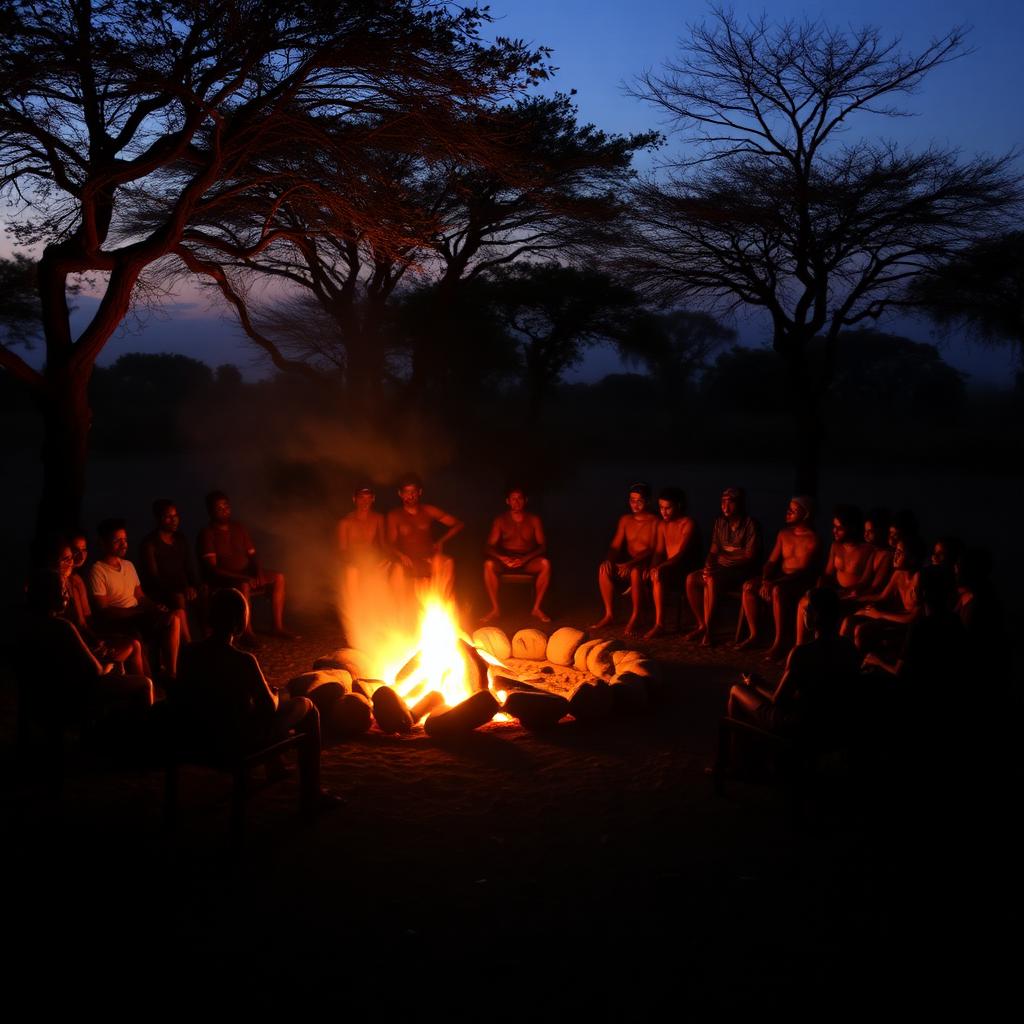
Communal ceremonies that hold grief, reconciliation, and life passages across many African peoples.
- Curated companion
- Shared needs: grief, reconciliation, meaning

The rich Islamic tradition of understanding the soul, its states, and its refinement.
- Curated companion
- Shared needs: meaning, grief
- Same region (Middle East)

A vast family of Indigenous North American healing traditions, each nation with its own sacred practice.
- Shared needs: grief, meaning, community
- Similar practices: tradition

The mystical heart of Islam, remembrance of God through breath, poetry, movement, and community.
- Shared needs: grief, community
- Similar practices: listening
- Same region (Middle East)
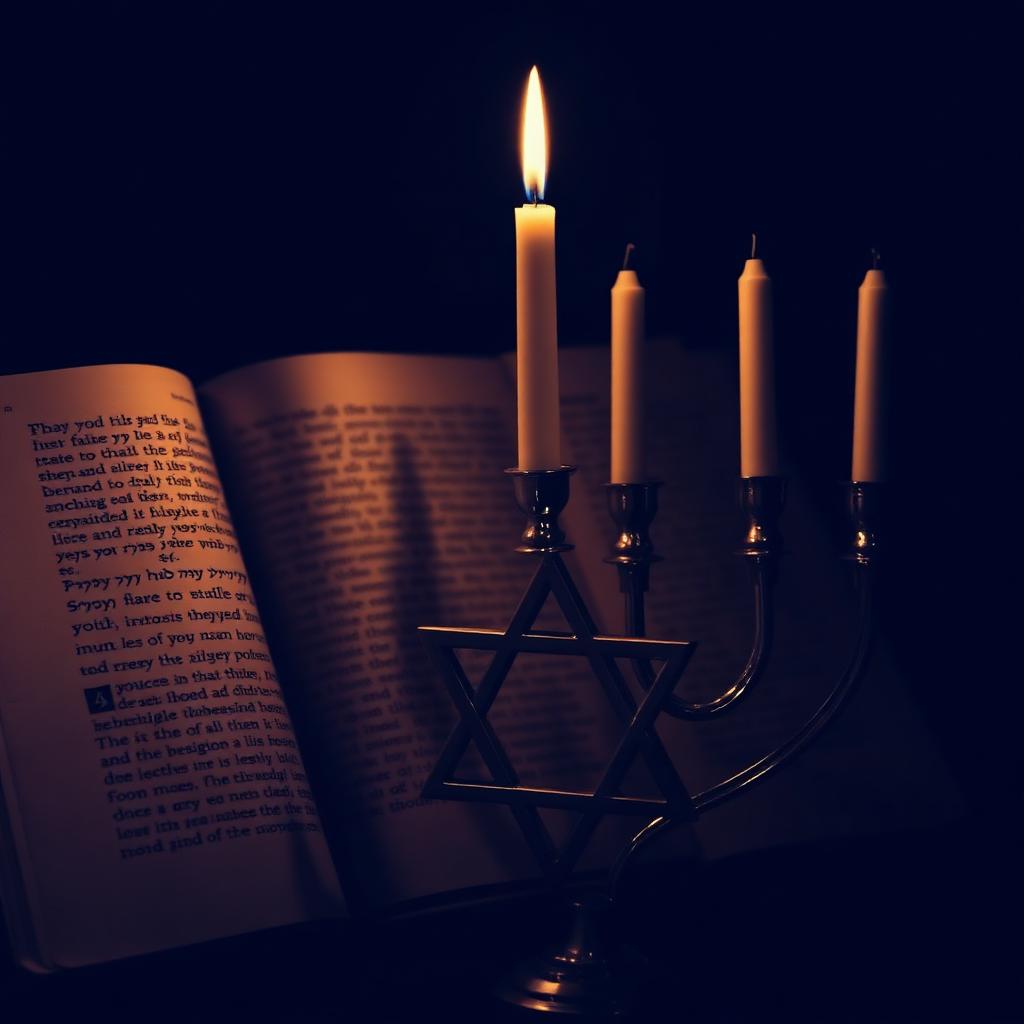
The Merkabah, Hasidic, and Kabbalistic streams of Jewish inner life.
- Shared needs: meaning, grief
- Similar practices: learning
- Same region (Middle East)

The oldest continuous healing tradition on Earth, the San n/om dance of the Kalahari.
- Shared needs: grief, meaning, reconciliation